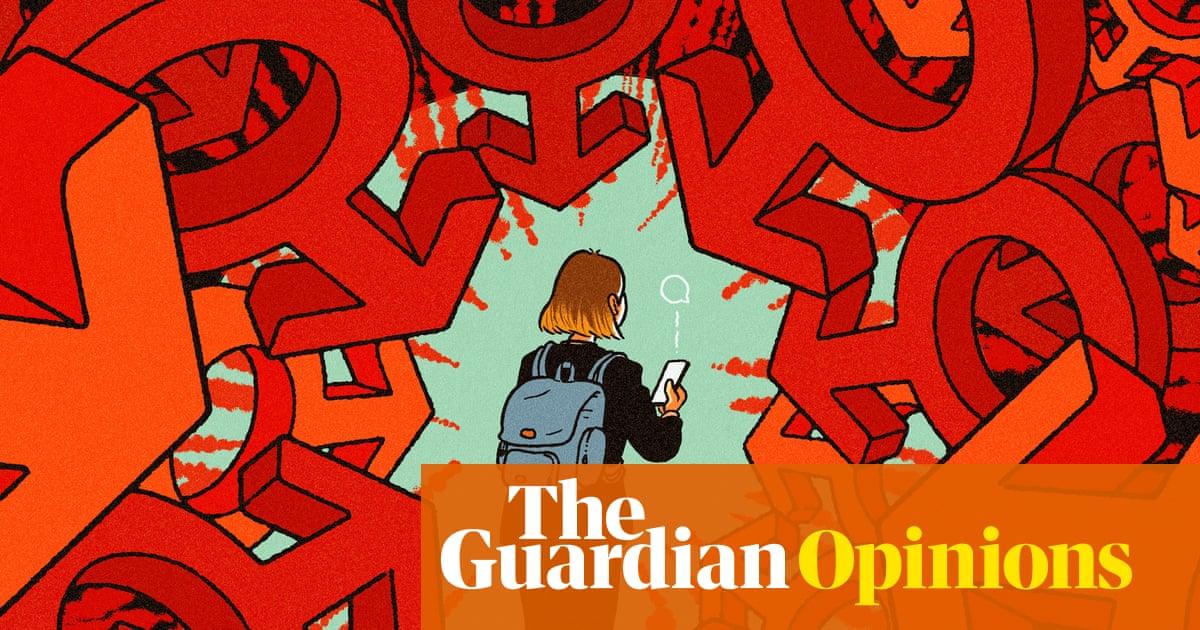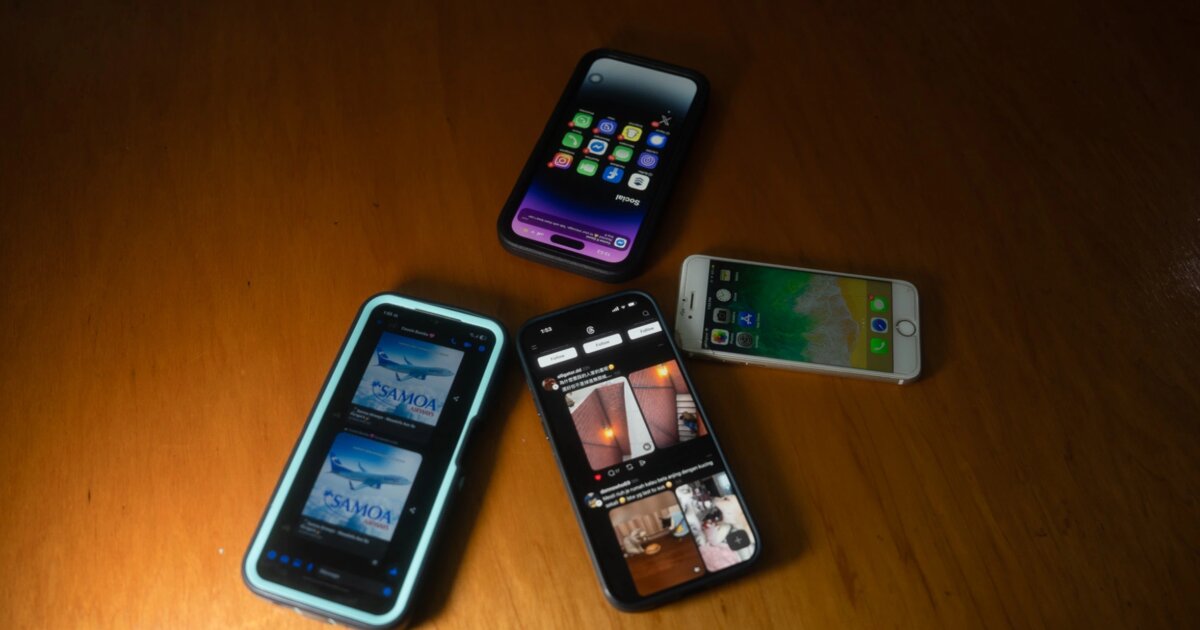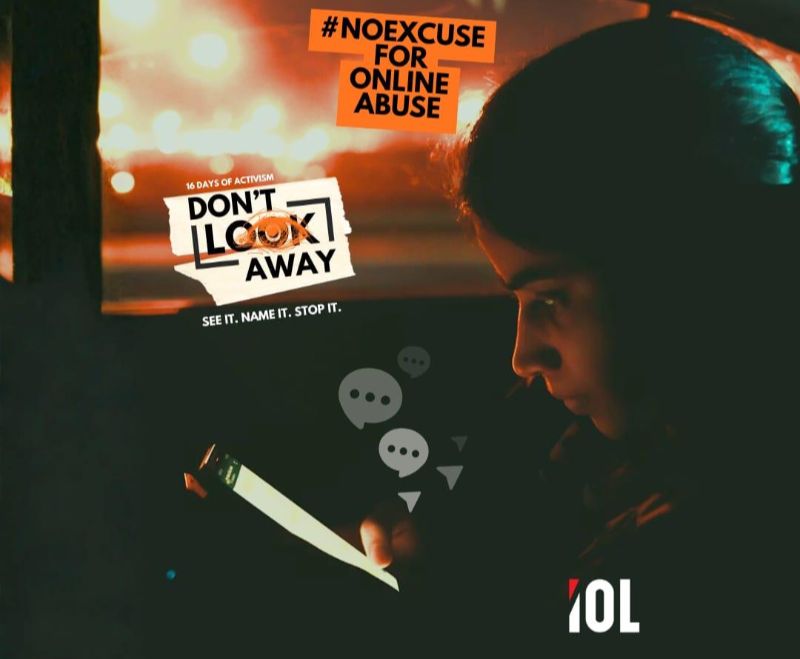
Across all social media platforms, a fertile ground for the racists, homophobics, sexists, sexual predators, misogynists, Islamophobics, xenophobia, and bullying is dished out with alarming ease. The question invariably arises: Who are these people in the real world?
IF YOU are a social media user, you would be forgiven for feeling a little deflated, angry, flummoxed and exasperated all at the same time of late. In an online culture of algorithms and anonymity combined with toxicity that devours rational discussion and debate, there appears by all accounts to be a succinct trend of frenzied hate popping its insidious tentacles on sometimes seemingly innocent posts.
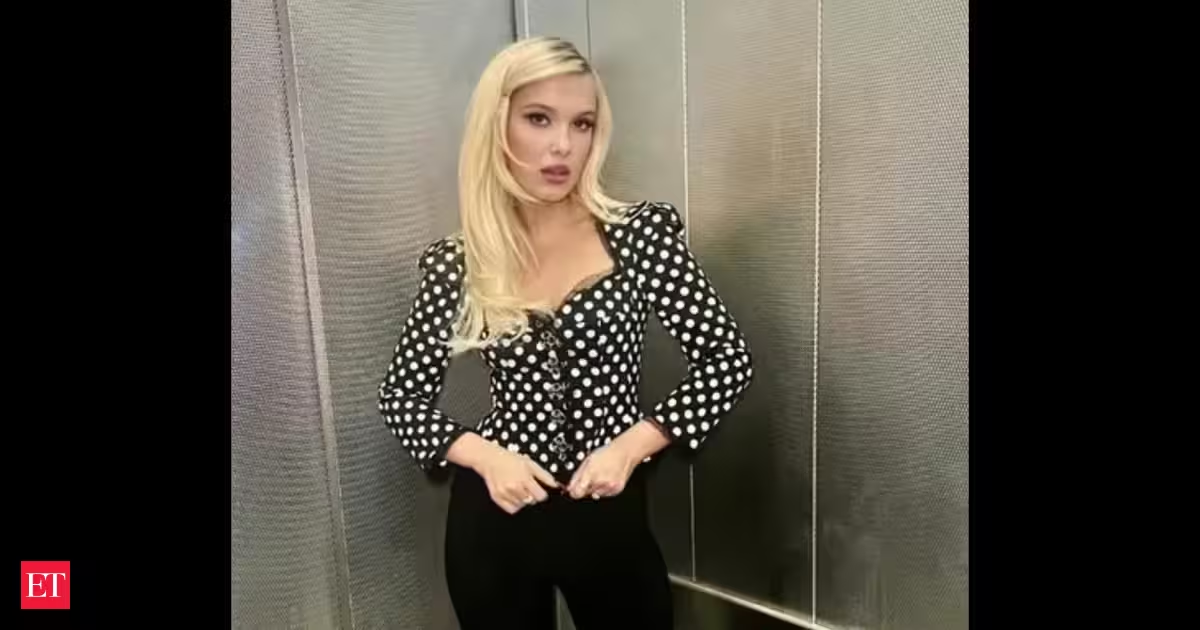
A mother dealing with the shock and insurmountable grief of both her children killed by their father is crucified by a barrage of accusations and hate. A young girl shares a picture of herself in a swimsuit and the share button is barely hit when the mockery starts, comments berating her, some of a sexual nature and others body shaming.
Somewhere on the great highway of the internet, seemingly normal people have morphed into rabid animals. Across all social media platforms, a fertile ground for the racists, homophobics, sexists, sexual predators, misogynists, Islamophobics, xenophobia, and bullying is dished out with alarming ease. The question invariably arises: Who are these people in the real world? What are they like in their homes, workplace and communities when they have logged off? Do they speak to their children, their parents and friends this way?