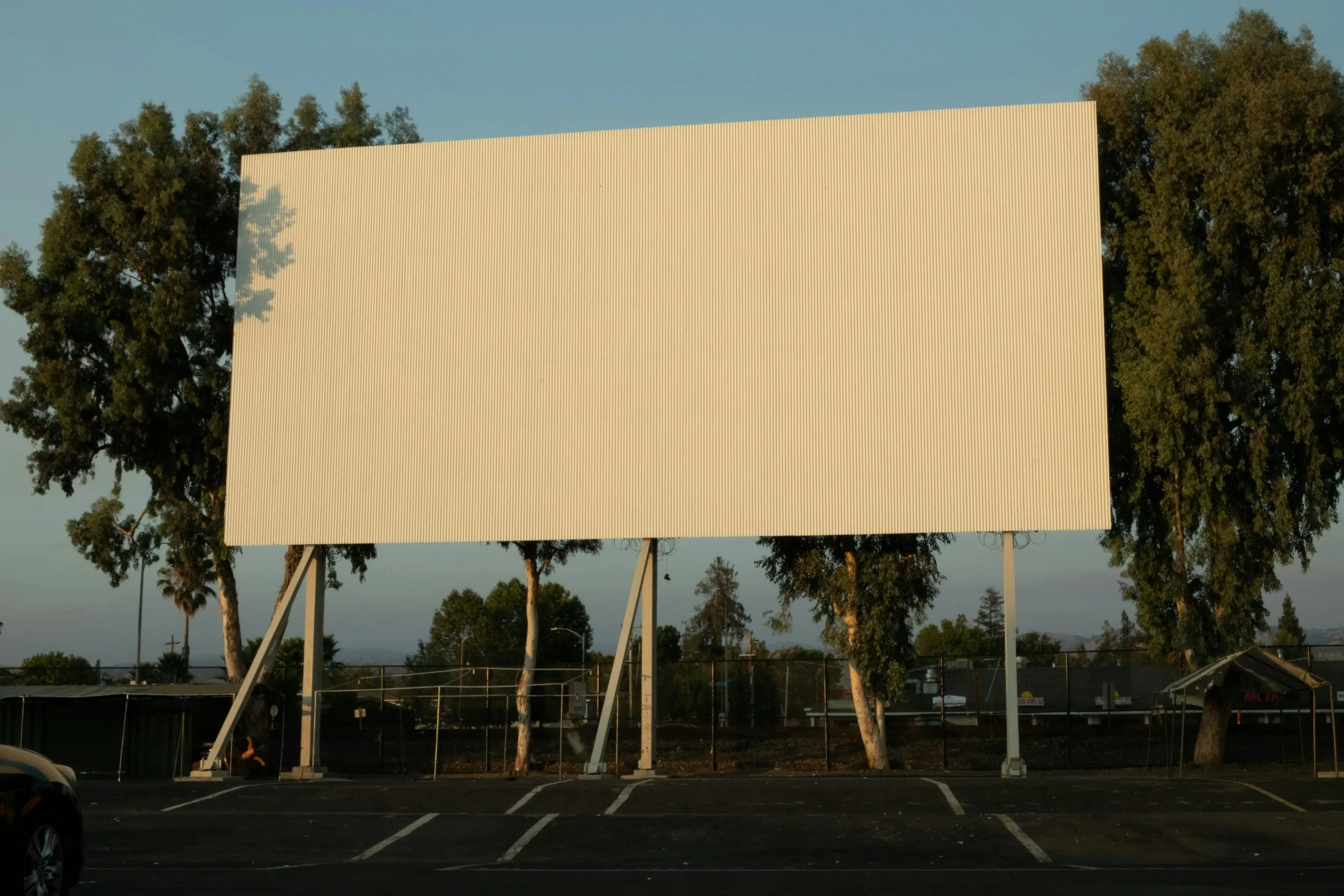
Skip to Content Subscribe Our Offers My Account Manage My Subscriptions FAQ Newsletters Canada Canadian True Crime Canadian Politics Health World Israel & Middle East Financial Post NP Comment Longreads Puzzmo Diversions Comics NP News Quiz New York Times Crossword Horoscopes Life Eating & Drinking Style Sponsored Play for Ontario Travel Travel Canada Travel USA Travel International Cruises Travel Essentials Culture Books Celebrity Movies Music Theatre Television Business Essentials Advice Lives Told Tails Told Shopping Buy Canadian Home Living Outdoor Living Kitchen & Dining Tech Style & Beauty Personal Care Entertainment & Hobbies Gift Guide Travel Guide Amazon Prime Day Deals Savings National Post Store More Sports Hockey Baseball Basketball Football Soccer Golf Tennis Driving Vehicle Research Reviews News Gear Guide Obituaries Place an Obituary Place an In Memoriam Classifieds Place an Ad Celebrations Working Business Ads Archives Healthing Epaper Manage Print Subscription Profile Settings My Subscriptions Saved Articles My Offers Newsletters Customer Service FAQ Newsletters Canada World Financial Post NP Comment Longreads Puzzmo Diversions Life Shopping Epaper Manage Print Subscription HomeCultureMoviesPop Culture: The rise and fall of the drive-in movie theatre You can save this article by registering for free here. Or sign-in if you have an account.Photo by Charlie Deets on Unsplash.With social media bans for teens a hot topic for parents from Canberra to Camrose, the perils of the small screen have never been in starker focus.Enjoy the latest local, national and international news.Exclusive articles by Conrad Black, Barbara Kay and others. Plus, special edition NP Platformed and First Reading newsletters and virtual events.Unlimited online access to National Post.National Post ePaper, an electronic replica of the print edition to view on any device, share and comment on.Daily puzzles including the New York Times Crossword.Support local journalism.Enjoy the latest local, national and international news.Exclusive articles by Conrad Black, Barbara Kay and others. Plus, special edition NP Platformed and First Reading newsletters and virtual events.Unlimited online access to National Post.National Post ePaper, an electronic replica of the print edition to view on any device, share and comment on.Daily puzzles including the New York Times Crossword.Support local journalism.Create an account or sign in to continue with your reading experience.Access articles from across Canada with one account.Share your thoughts and join the conversation in the comments.Enjoy additional articles per month.Get email updates from your favourite authors.Create an account or sign in to continue with your reading experience.Access articles from across Canada with one accountShare your thoughts and join the conversation in the commentsEnjoy additional articles per monthGet email updates from your favourite authorsSign In or Create an AccountorBut nearly 95 years ago, all eyes were on the big screen — the outdoor cinema had arrived, and families greeted the development with a sense of wondrous possibility rather than weary resignation.The first drive-in theatre appeared on June 6, 1933, in Pennsauken Township, N.J. It was the brainchild of Richard Hollingshead and was inspired by the struggles of his mother, described delicately as of generous proportions, to sit comfortably in traditional filmhouse seats. He experimented at his home in Camden, using his driveway, a car-mounted projector, two sheets tied to trees and a radio hidden behind the screen.Buoyed by its potential — and, one presumes, the thumbs-up from Mom — the auto parts salesman (and movie buff) received a patent for his idea in May 1933, albeit on a much larger scale: a full 15 acres to accommodate 400 cars at 25 cents a pop. One of the biggest, in New York state, would feature a full-service restaurant and parking for 2,500 cars over 28 acres. The first drive-in movie theatre was started by Richard M. Hollingshead in 1933 in New Jersey. Photo: www.driveintheater.com.At their height in the 1950s and 1960s, there were more than 4,000 drive-in theatres across North America, with families promised a night of movie magic under the stars “regardless of how noisy the children are.” Indeed, the pitch to parents was a no-brainer: a grown-up outing without the burden and expense of arranging a night’s childcare. This did not go down well with everyone. In an early consumer backlash, income-deprived teenage girls picketed venues with signs that read, “Down With Drive-Ins, More Work For Babysitters!”Labour strife aside, the family appeal of the drive-in waned as Hollywood studios bumped up the B-side features; marauding “giant leeches” and out-for-the-Count vampires soon dominated al fresco film-going. And where Dracula trod, deranged sex-killers followed, further crimping the allure for Mom, Dad and the kids.As soft-porn features and slasher flicks began to dominate marquees, teenagers filled the gap and moral crusaders railed against the new “passion pits.” The tawdry offerings, especially X-rated content, would keep some lots in business during the lean times in the 1970s and 1980s. As observers noted, being naughty helped some drive-ins survive.The inevitable slump began as suburban real estate prices soared and Baby Boomers flocked to the video rental shops sprouting across the continent. As Britannica observed: “Drive-ins weren’t just a novelty, they were a whole different kind of movie experience — one that was born from rapid suburbanization and doomed by the same phenomenon.”Multiplexes, home theatres and digital streaming would hasten their demise, to the point where today there are fewer than 400 across the U.S. and just 100 or so in the rest of the world, mostly in Canada and Australia. Canada’s first drive-in opened in 1946 in suburban Hamilton. As of 2020, there were an estimated 35 remaining in this country, of which about 15 are in Ontario, down from roughly 250 in the late 1950s.Though a relic of a bygone era, Canada’s drive-in heritage survives in the form of a music video — itself a victim of fading fortunes. In 1985 rocker Bryan Adams released his feel-good hit Summer of ‘69, filmed in part at the Chilliwack Drive-In east of Vancouver, which was demolished in December 1984 after 35 years of service.It’s an anonymous commercial site today, with no historic plaque marking its place in the entertainment pantheon. Yet for those who remember the glories of the drive-in, it will always conjure fond memories. As Adams himself put it, those were the best times of our lives. Join the Conversation This website uses cookies to personalize your content (including ads), and allows us to analyze our traffic. Read more about cookies here. By continuing to use our site, you agree to our Terms of Use and Privacy Policy.
Pop Culture: The rise and fall of the drive-in movie theatre
With social media bans for teens a hot topic for parents from Canberra to Camrose, the perils of the small screen have never been in starker focus.
1,063 words~5 min read