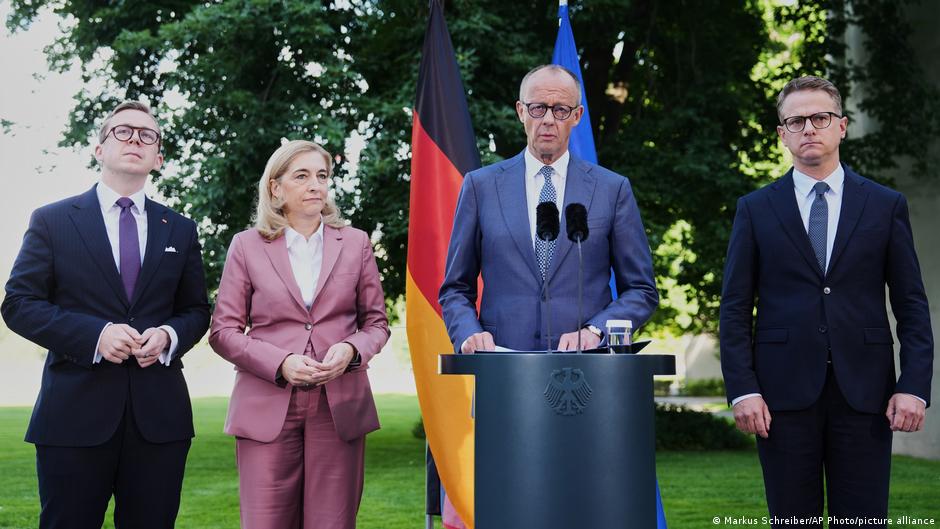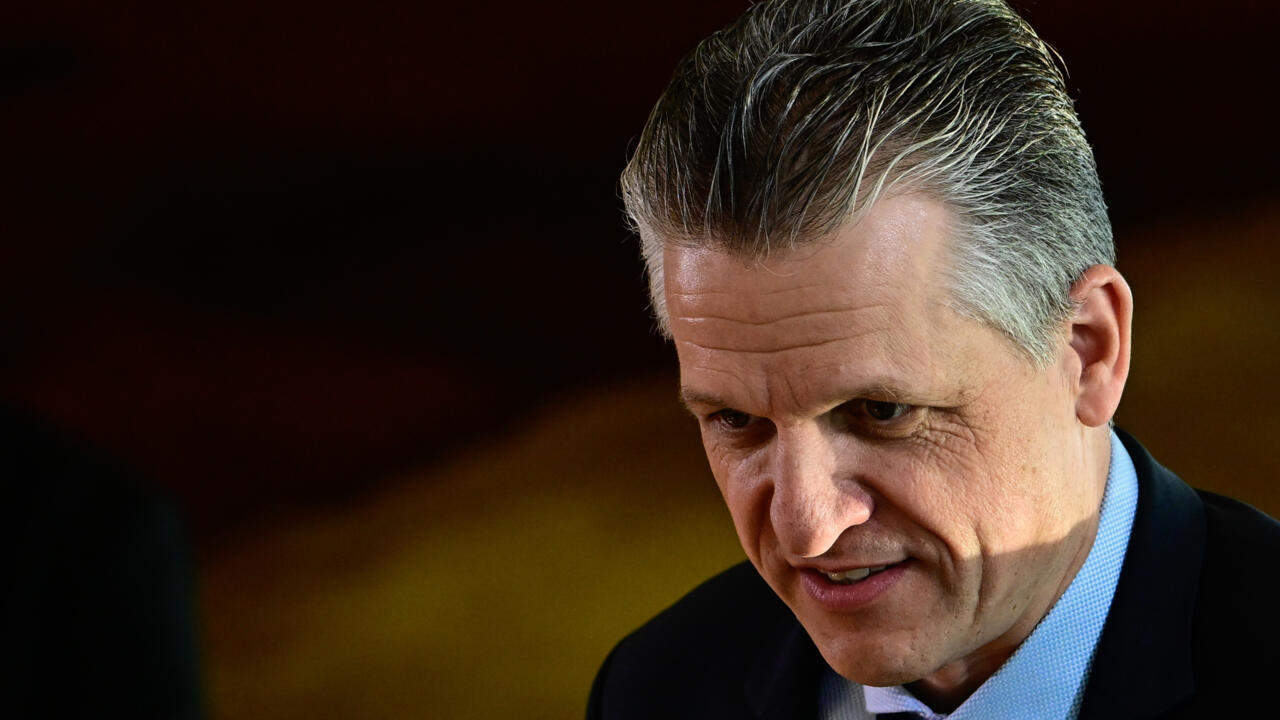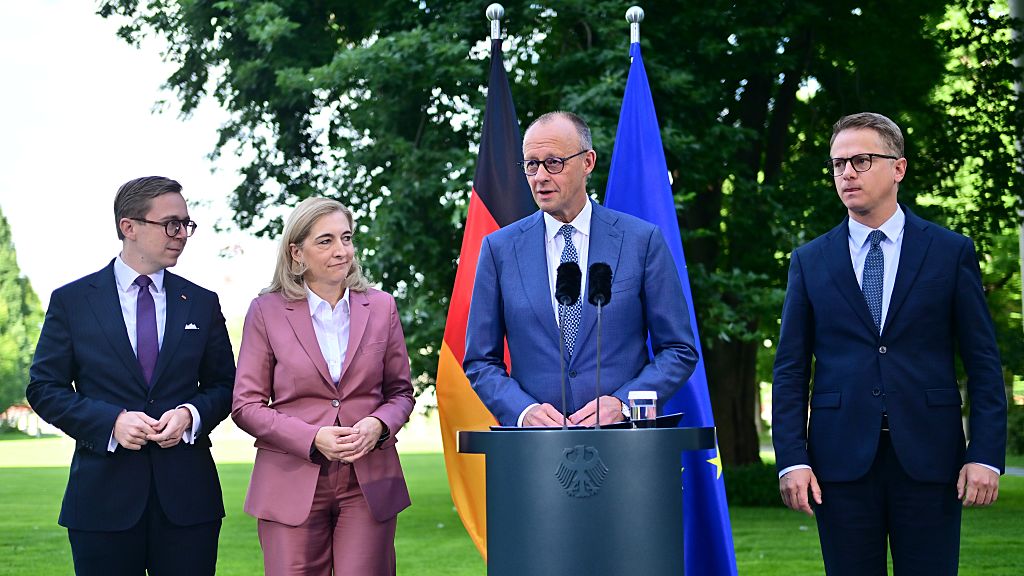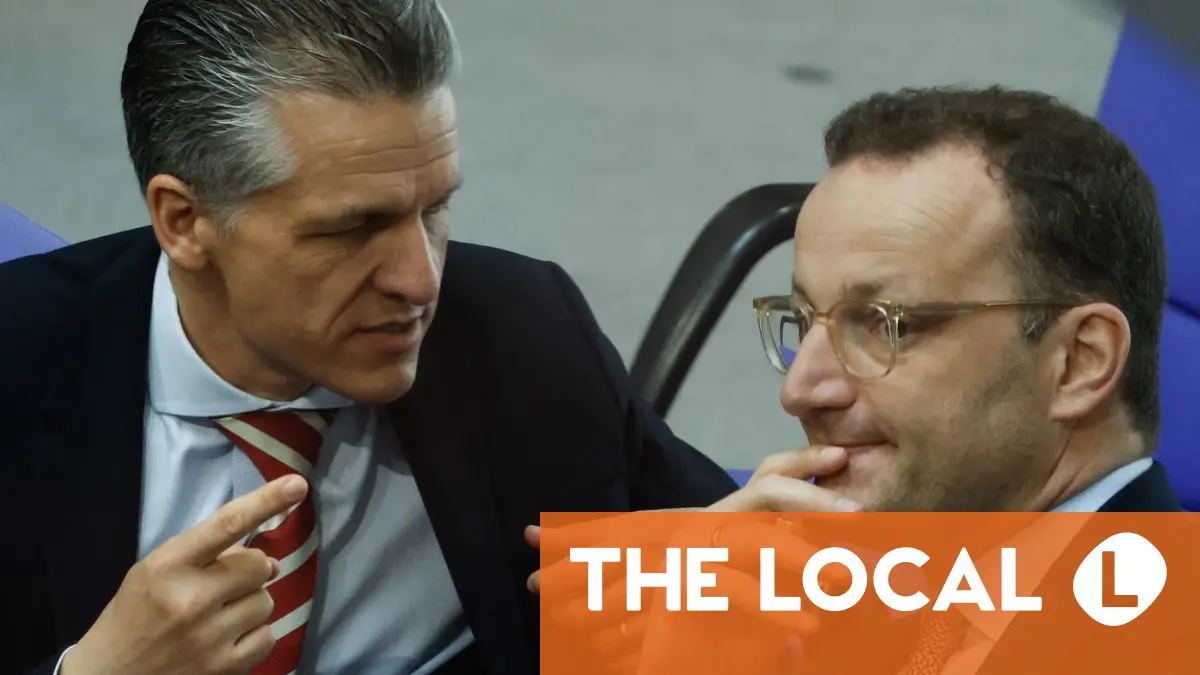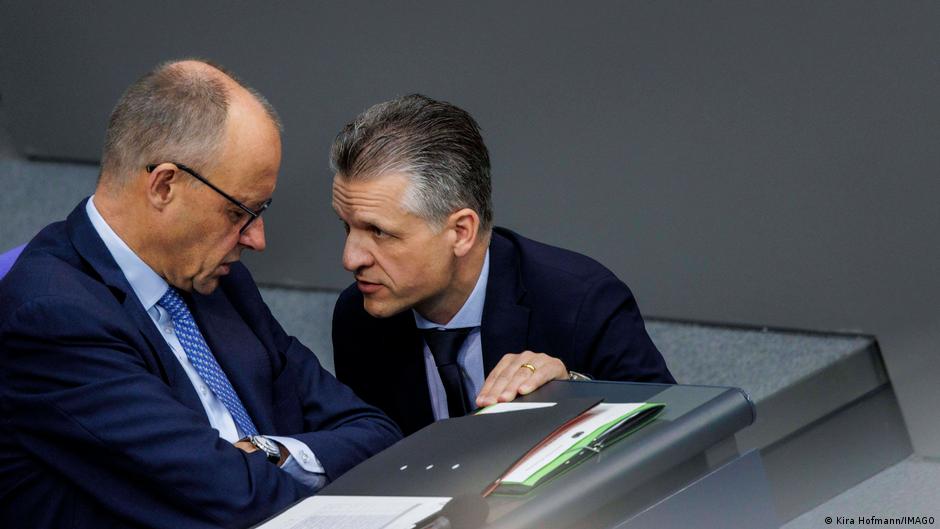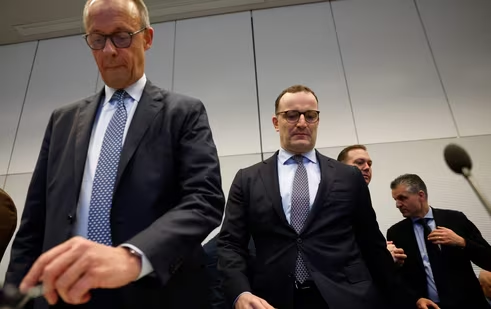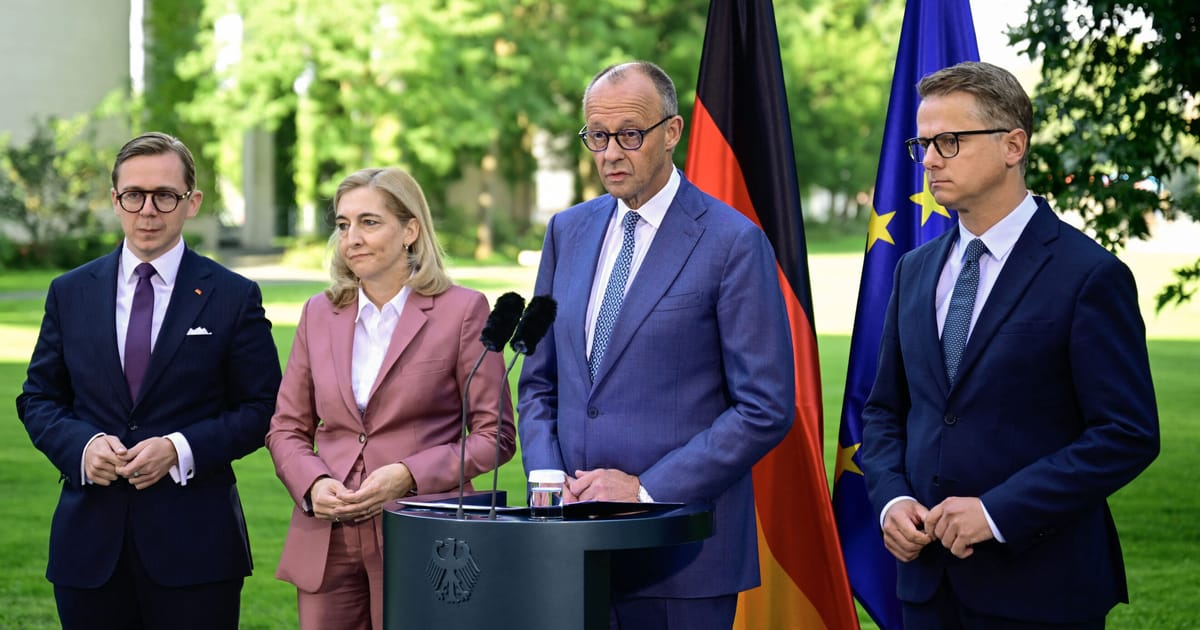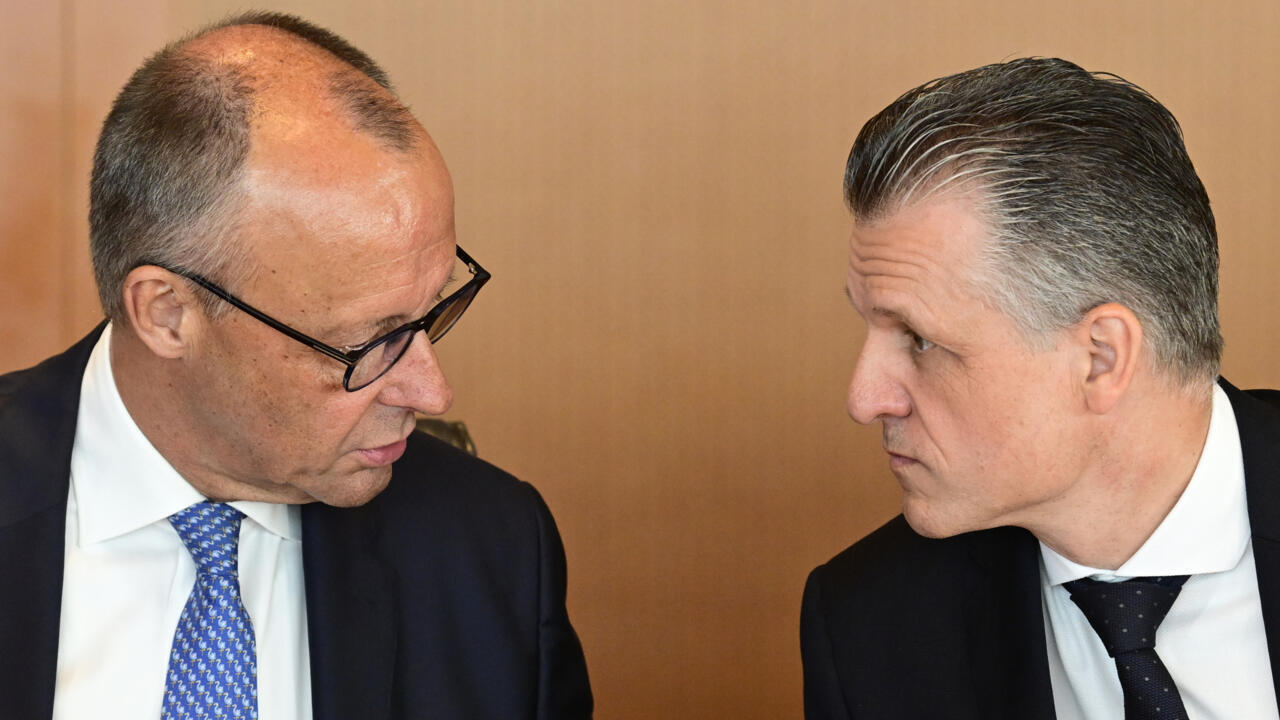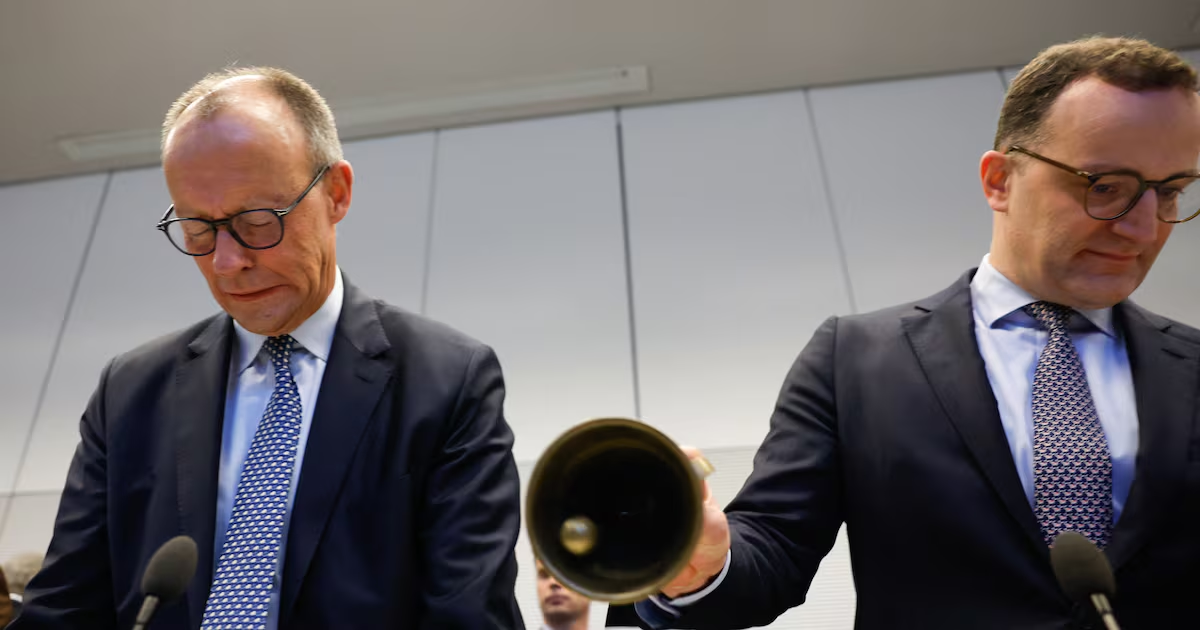
Georg Spahn is not even a month old but already causing political ructions in Berlin.The baby was introduced to the world a week ago on social media by his proud father Jens Spahn, parliamentary party leader of the ruling Christian Democratic Union (CDU).After initial congratulations, though, the political pushback began when it emerged that Georg was born via a surrogate mother in the US.Chancellor Friedrich Merz was not amused: his CDU opposes surrogacy, a position Jens Spahn himself firmed up in law during his time as Angela Merkel’s last health minister.After bypassing his own ban by going abroad with his husband, like countless other German couples each year, Spahn yielded to the blowback and resigned last weekend.That, in turn, prompted a political reshuffle on Friday that Merz hopes will halt a disastrous slide in political support.The reshuffle sees Merz send Thorsten Frei, his trusted chief of staff and former CDU chief whip, back to the Bundestag to fill the Spahn parliamentary party head vacancy.The chancellor’s new right hand will be federal health minister Nina Warken. Her appointment is seen as a reward for delivering a big healthcare reform package just before the summer break.Keeping ‘firewall’ in placeTo fill Warken’s shoes in health, Merz has poached CDU general secretary Carsten Linnemann, the architect of last year’s election victory.Some 18 months on, just 13 per cent of Germans are satisfied with the 70-year-old chancellor’s performance in office - the lowest rating on record in the ARD public television poll.Meanwhile, his CDU has slid eight points since the election to just 20½ per cent, according to the Insa polling agency, to nine points behind the Alternative for Germany (AfD). That has triggered alarm in the CDU parliamentary party and increased pressure on Merz to rethink his ban on any co-operation with the CDU’s far-right rival.For the rest of this parliamentary term, keeping the so-called “firewall” in place falls to Frei.The soft-spoken 51-year-old is, like Merz, firmly opposed to any political co-operation with the AfD, seeing “no compatibility whatsoever”.“And no one who values the CDU would see it any other way,” he said recently.Many saw that as a swipe at Spahn, whose neo-conservative views are closer to the nativist neo-liberalism of the AfD. Given Spahn’s politics and ambition, the speed of the 46-year-old’s resignation has fuelled speculation his departure is temporary and, at least in part, strategic.Distancing himself from the struggling Merz coalition could, so the theory goes, open a door later for Spahn’s return to lead the CDU, as junior partner, into an AfD-led government.Call for ‘fresh elections’On Friday, AfD co-leader Alice Weidel, also a parent in a same-sex union, dismissed the Merz reshuffle as “navel-gazing [that] will not solve this country’s various self-inflicted problems. Germany needs fresh elections”.Political analysts say it is unclear whether the reshuffle will give Merz, with Frey’s assistance, fresh authority to calm growing unrest in the CDU parliamentary party.“The situation Spahn triggered was not an accident,” said Prof Klaus Schubert, a political scientist at the University of Münster. “He will make a comeback because he considers himself the better chancellor. With no chance of that at present, he is banking on what he sees coming: the far right.”Parallel to the reshuffle ructions, the arrival of Georg has reheated debate in Germany over its ban on surrogacy.“Prostitution and abortion are legal in Germany, but women are not allowed to offer surrogacy, even altruistically,” said Steve Molloy, a Berlin-based Irish man and surrogate father in waiting. “Tells you what you need to know about this country’s priorities.”
Germany’s cabinet reshuffle after surrogacy controversy sees Friedrich Merz’s chief of staff fill party leader vacancy
Nina Warken’s promotion to chancellor’s right hand seen as a reward for delivering a major healthcare reform package
587 words~3 min read