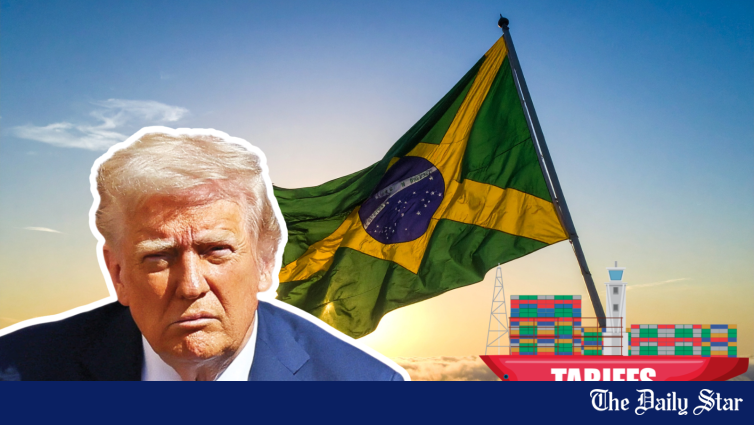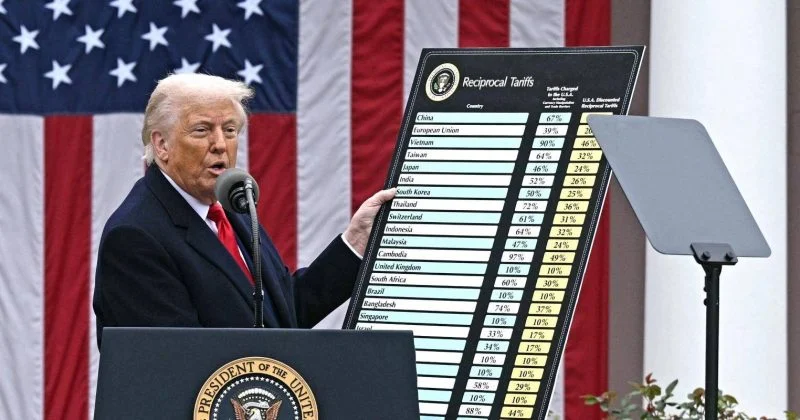
The Trump administration’s latest tariff restructuring has drawn a clear line between friends and everyone else. Starting July 22, 2026, a 25% Section 301 tariff will hit a broad range of Brazilian imports, cementing Brazil’s position as one of America’s least favored trade partners outside of China. Meanwhile, the European Union has negotiated its way into effective tariff rates of just 10% to 15%.
The great tariff divergence
The EU’s relatively favorable treatment comes from negotiated concessions that brought European goods well below the rates being applied to other countries. Brazil’s tariff situation deteriorated from a 10% baseline to rates as high as 50% on certain goods announced in July 2025. The new 25% blanket tariff represents the latest salvo in what has become an increasingly hostile trade relationship.
The tariff hikes targeting Brazil are linked in part to political motivations, specifically the legal proceedings against former Brazilian President Jair Bolsonaro.
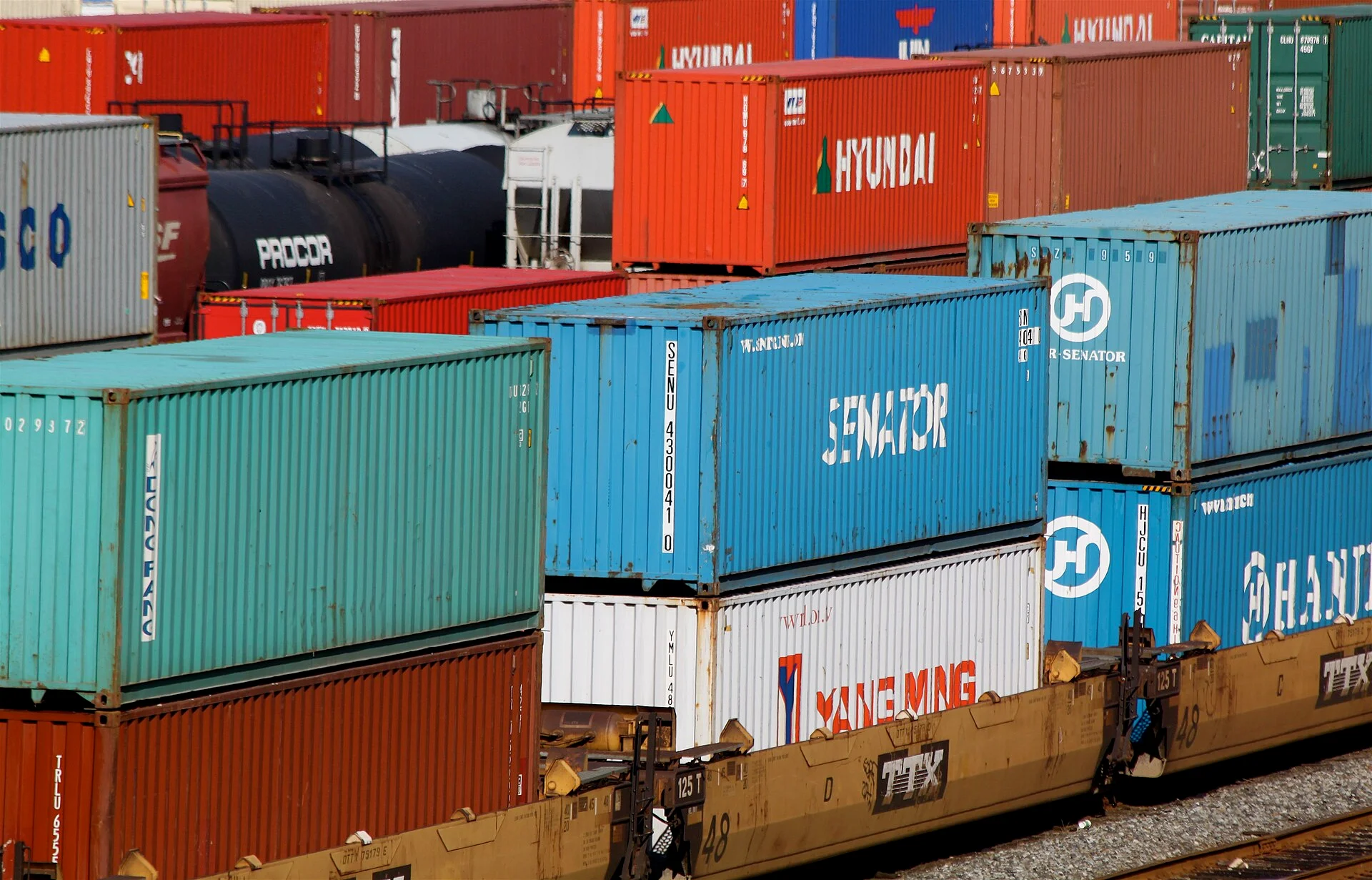
What’s at stake for commodities and supply chains