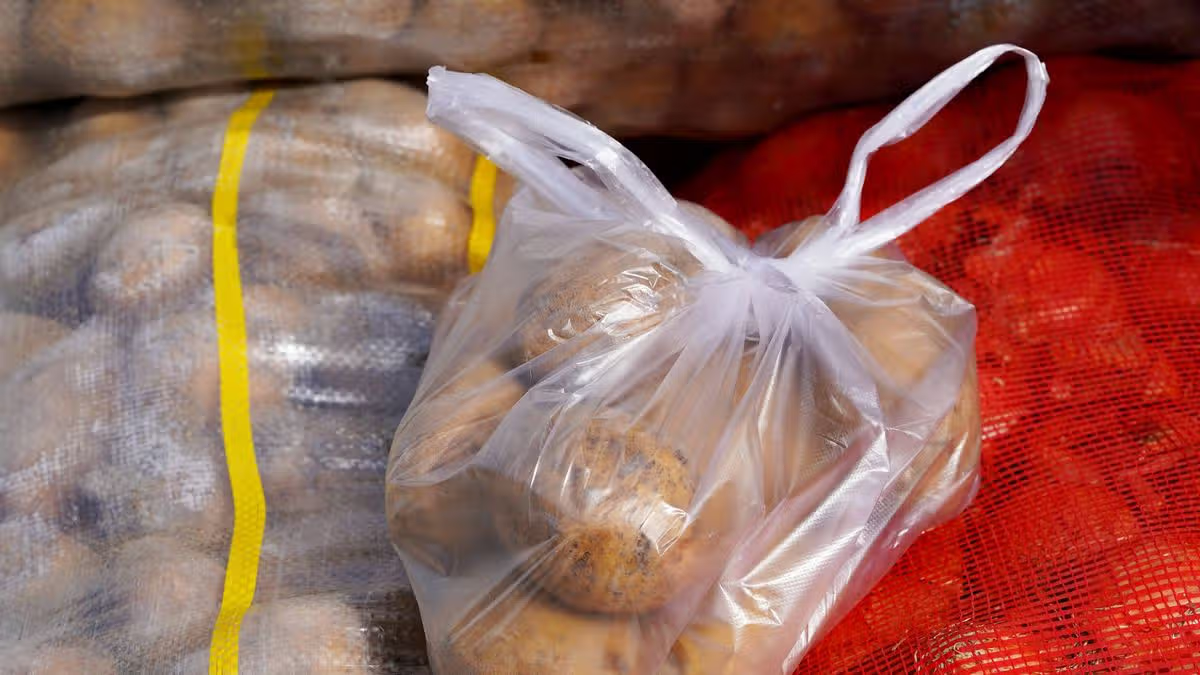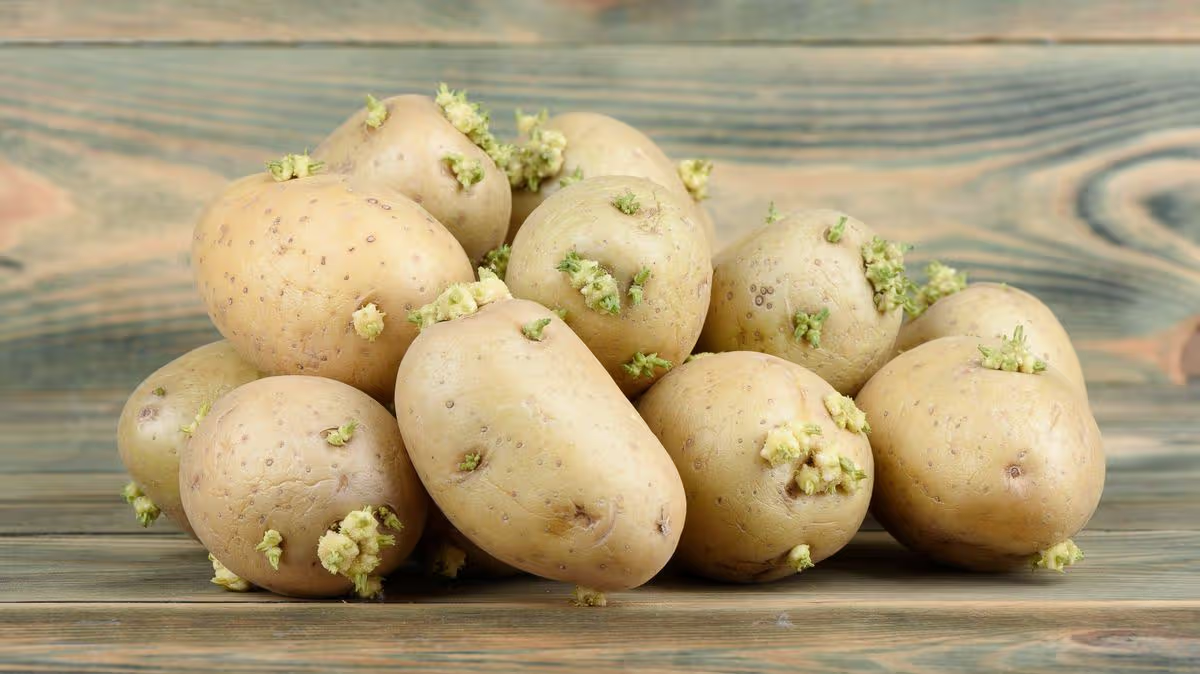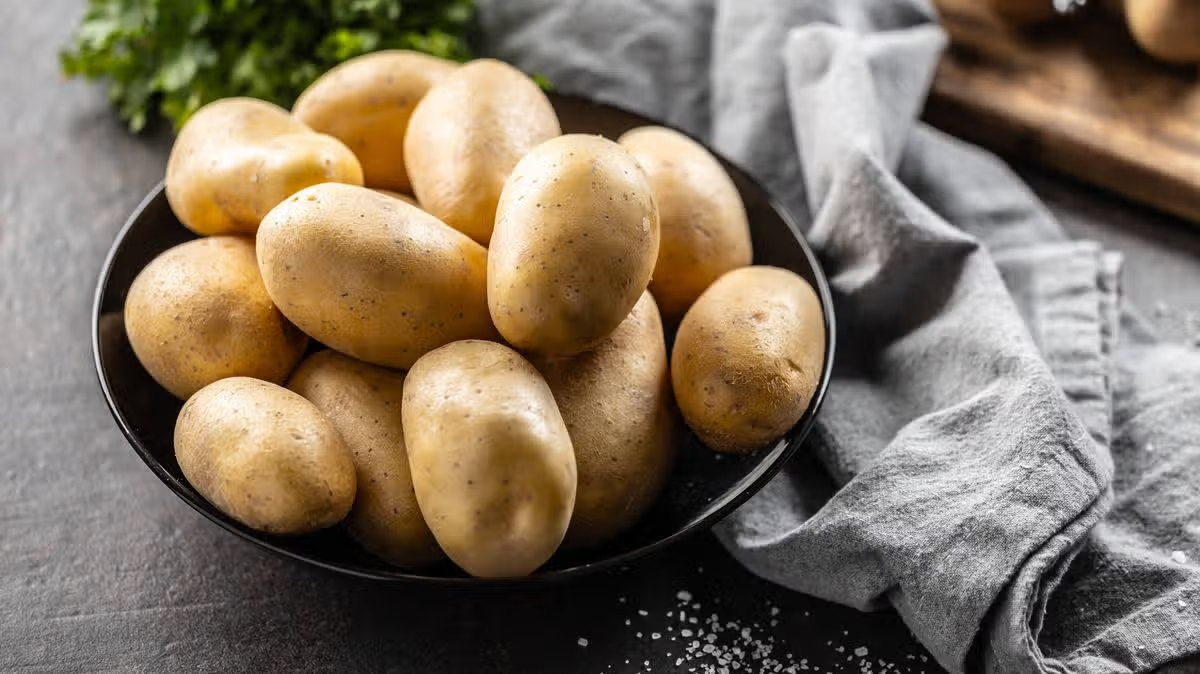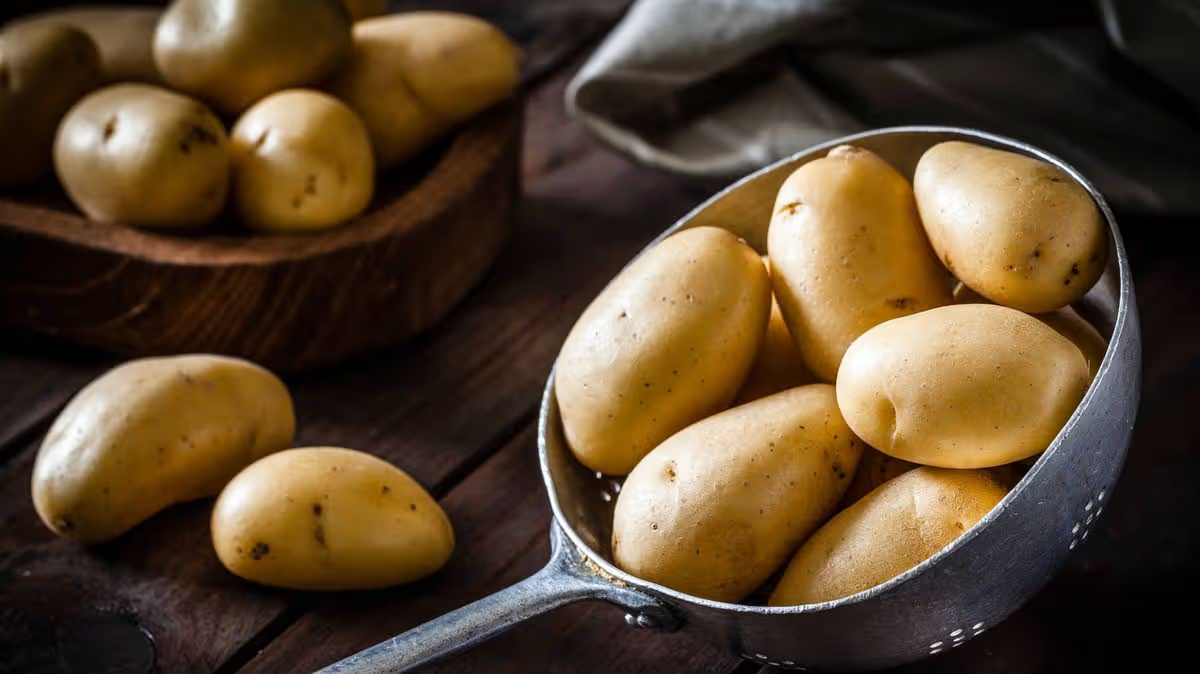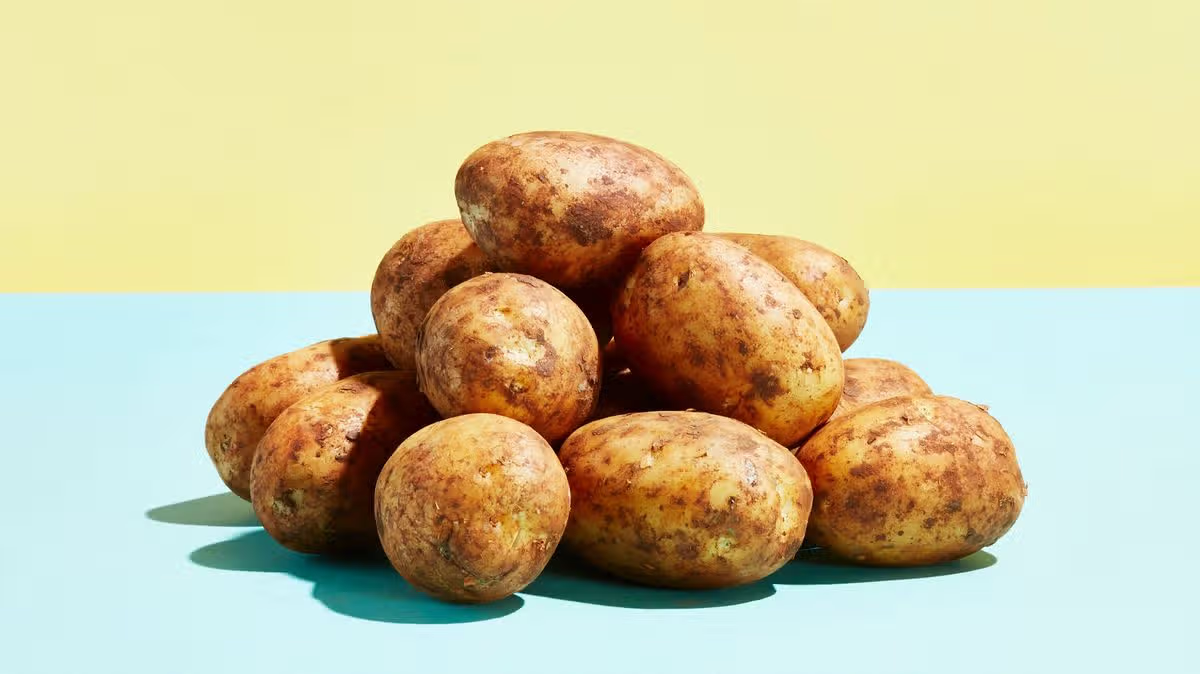
Storing potatoes is easy, so easy in fact, that most of us never give it a second thought — but there's one kitchen item this staple vegetable should never be stored next to.13:37, 24 Jul 2026Updated 13:39, 24 Jul 2026Most of us bulk buy our potatoes because they’re one of those hardy vegetables that remain fresh and last longer than most other vegetables. These resilient tubers are a staple food worldwide, including in the UK, and are among the most versatile vegetables.Storing potatoes is usually super easy — so easy in fact, that most of us never give a second thought to where and how we’re storing this seemingly indestructible vegetable.The staggering numbers themselves are extremely telling, as food expert Kate Hall, in collaboration with Aldi, shares: “Roughly 4.4 million potatoes are wasted every day in the UK.”In fact, research conducted by Aldi in 2025 revealed that the average Brit throws away around £387 worth of food a year, with seven in 10 admitting to purchasing food knowing it will most likely end up in the bin.But potatoes aren’t indestructible—anyone who’s reached for one only to find it sprouting, turning green, or, worse, starting to rot knows this all too well. And there’s one common kitchen item that exponentially increases the rate of sprouting, softening, and rotting in a potato: Onions.Why shouldn't potatoes be stored next to onions?Potatoes are more than okay to be stored outside the fridge at room temperature, with the vegetable usually lasting anywhere between three weeks and two months without spoiling. However, when stored next to onions, potatoes sprout and rot much faster than normal.Aldi-approved advice from food waste expert Kate states: “Just store potatoes away from your onions, as these encourage our spuds to sprout faster, and moisture released from spuds can actually make onions go mouldy too.”There’s a simple scientific explanation behind why this happens. Onions emit large amounts of ethylene, a natural gas that accelerates the ripening of several fruits and vegetables. So when you intermix onions and potatoes, especially in plastic bags, or store them close together, the ethylene gas encourages sprouting and softening in potatoes.Additionally, moisture, warmth, and light trigger sprouting, causing both potatoes and onions to respond to these spring-like conditions and begin growing.Potato storage advice from Simply Recipe warns: “This makes your kitchen counter one of the worst places to store potatoes and onions. Stoves and dishwashers pump out heat and humidity, and light (the culprit behind green potatoes) spills into far corners.”So, how should one store potatoes instead? The guidance states: “Separate and consistently dry, dark, cool conditions keep these vegetables firm and edible longer.”While it’s hard to pinpoint the exact and most ideal storage distance, as a rule of thumb, the farther apart you store these two staple vegetables, the better. If your pantry doesn’t have much storage space and feels slightly cramped, try using separate drawers or shelves to store these two vegetables.Best storage method for potatoesPotatoes, and even onions, are kept best between fridge and cool room temperatures. In fact, people have been encouraged to store potatoes in fridges for the last few years.The food waste expert shares: “Advice around storing potatoes actually changed a couple of years ago and it has been found that keeping them in the fridge can help them last up to three times longer.”Kate explains: “Using your freezer is such a simple way to press pause on your food so it doesn’t end up in the bin. Freezing food can help our budgets stretch further, and you can actually freeze a lot more than people realise. The trick is knowing the best way to freeze food and what to do with it after freezing.”The food waste specialist says that if you don’t have any space in your fridge, store your potatoes in a cool, dark place — just as long as they are kept away from their storage nemesis, the onions.If you’ve batch-bought your potatoes — which let’s be honest, most of us do — you may often feel that you won’t be able to get through using all of them before they spoil. Worry not, because that’s where freezing these tubers comes in.Kate says: “If you know you won’t get through all your potatoes, why not consider freezing them. You can’t freeze them raw, but you can absolutely cook a batch of baked potatoes, prep your roasties, or some mash and pop into the freezer once cooled.”Article continues belowThe food waste specialist adds: “You don’t even need to defrost them when you want them, just reheat straight from frozen until they’re piping hot.”According to Aldi’s research, almost a third, or 31%, of Brits say they would be more likely to consider freezing food if only they were more familiar with the rules around it. With Kate and Aldi’s clear guidance on what to avoid when storing potatoes and the best way to freeze them, potato wastage can hopefully decrease.
Aldi confirms potatoes should never be stored next to common vegetable
Storing potatoes is easy, so easy in fact, that most of us never give it a second thought — but there's one kitchen item this staple vegetable should never be stored next to.
820 words~4 min read