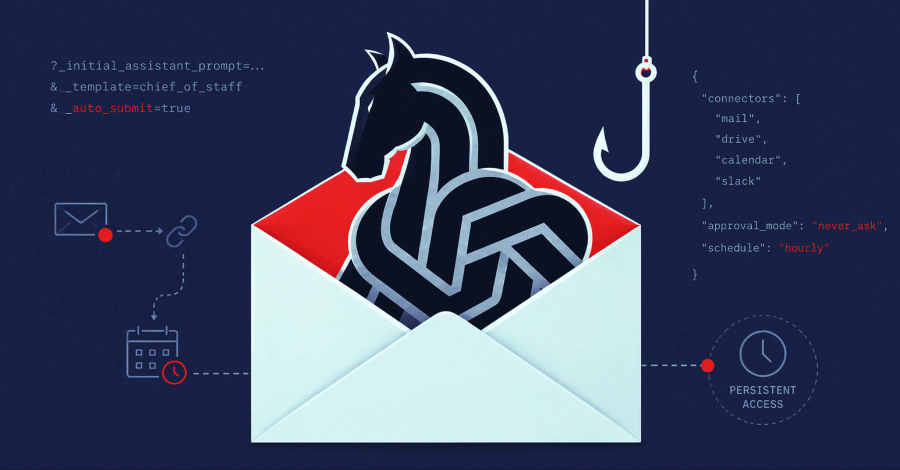
Cybersecurity researchers have disclosed a critical vulnerability in OpenAI's ChatGPT Workspace Agents that could have allowed a single phishing link to stealthily build, authorize, and deploy an autonomous artificial intelligence (AI) agent inside a victim's organization.
The vulnerability has been codenamed AgentForger by Zenity Labs. The issue has since been addressed by OpenAI as of June 8, 2026, following responsible disclosure.
"A single link could hijack OpenAI's ChatGPT Agent Builder to stand up an attacker-controlled AI agent with a real employee's access and its approvals switched off," the AI security company said in a two-part report shared with The Hacker News.
The attack occurs when an unsuspecting employee clicks open a benign-looking ChatGPT link, causing it to spawn a new AI agent within the company's trust boundary that does the attacker's bidding. The issue is a case of cross-site request forgery (CSRF) that forges an attacker-controlled autonomous AI agent.
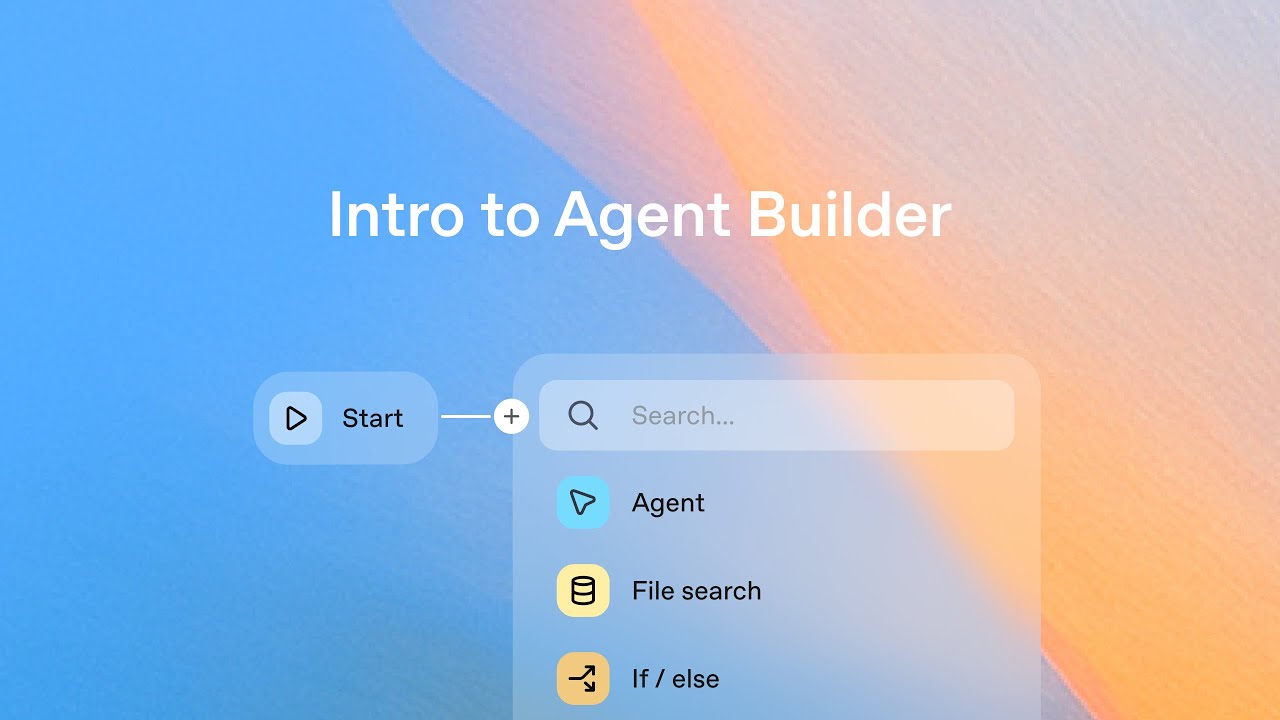
Agent Builder is a visual, drag-and-drop canvas that allows users to build multi-step agent workflows. Last month, OpenAI announced that it's deprecating the product effective November 30, 2026, urging users to switch to the Agents SDK.