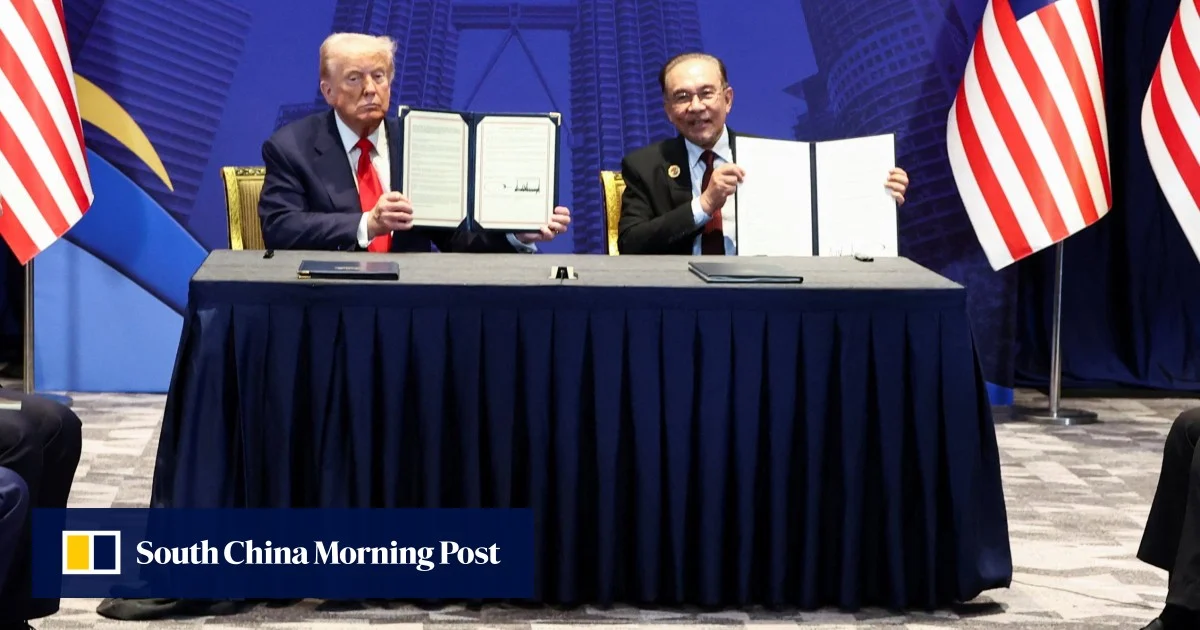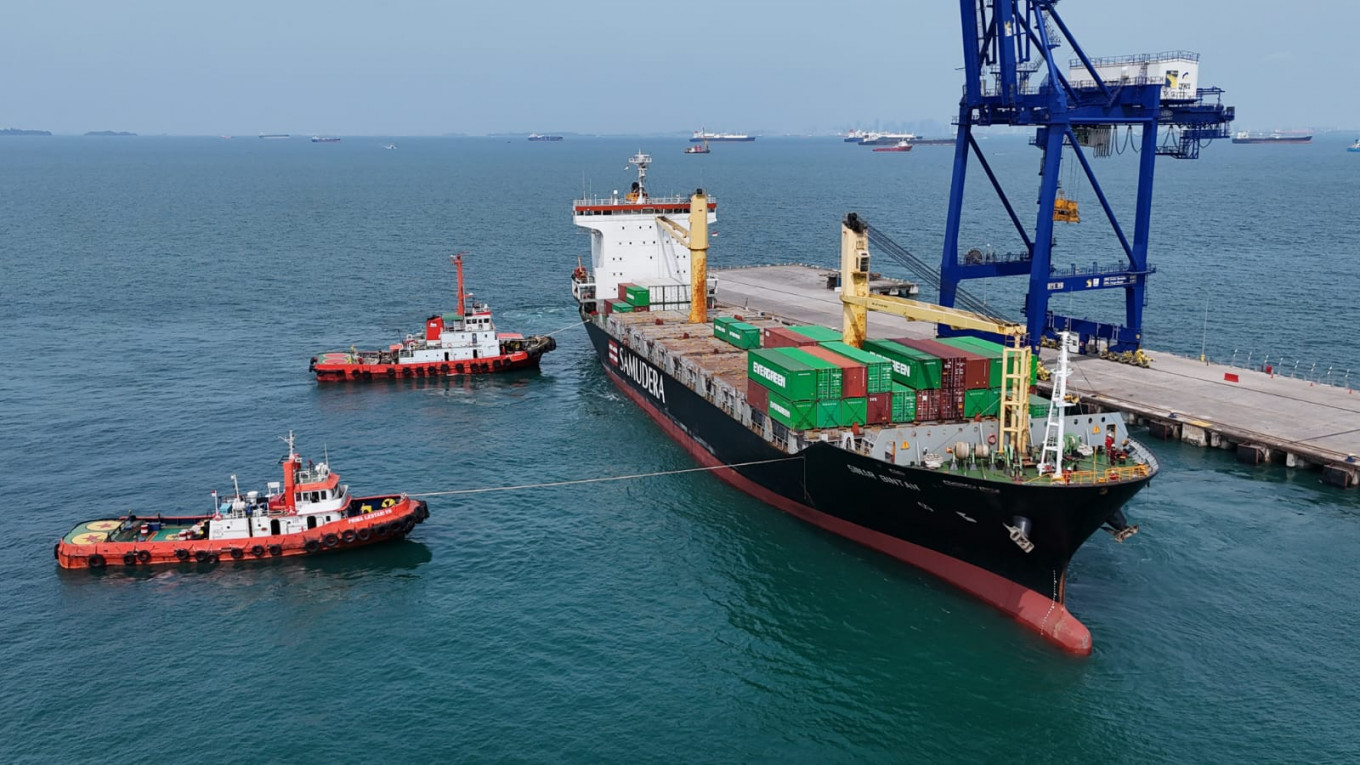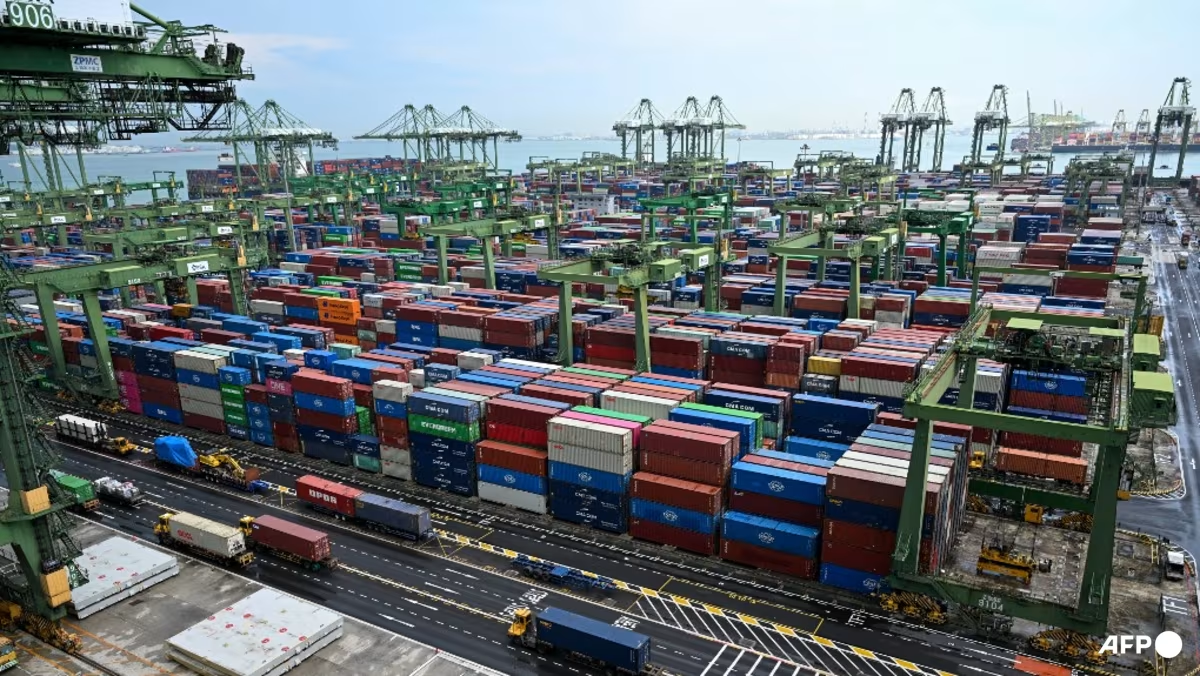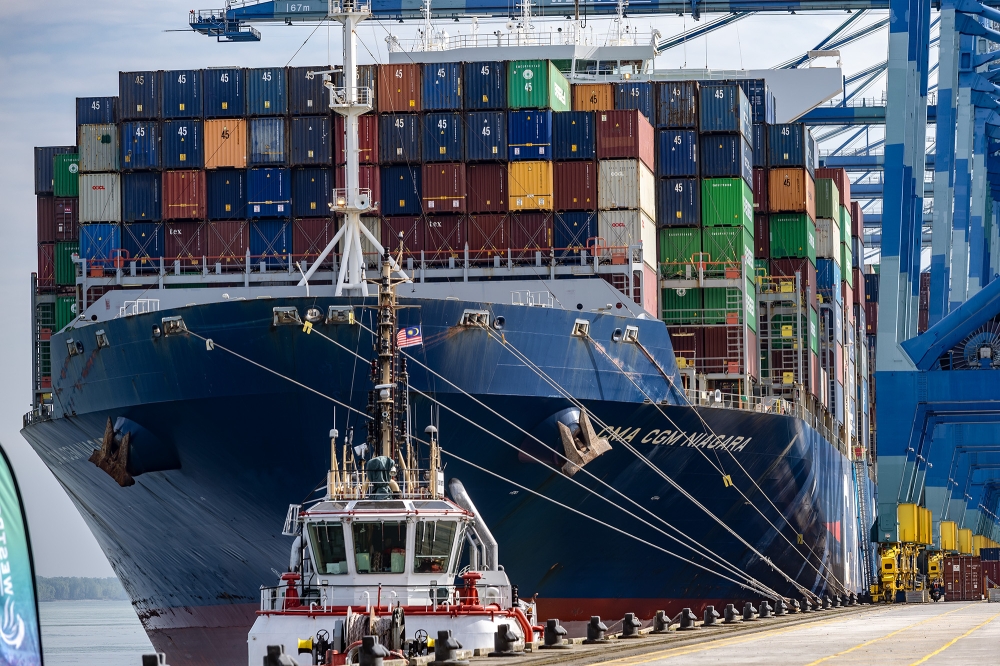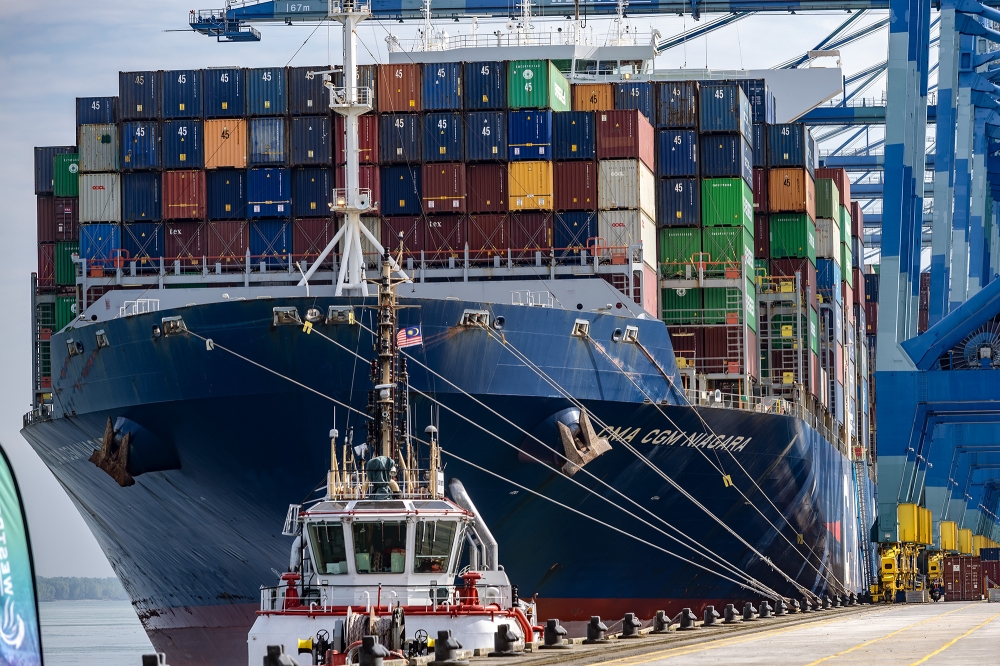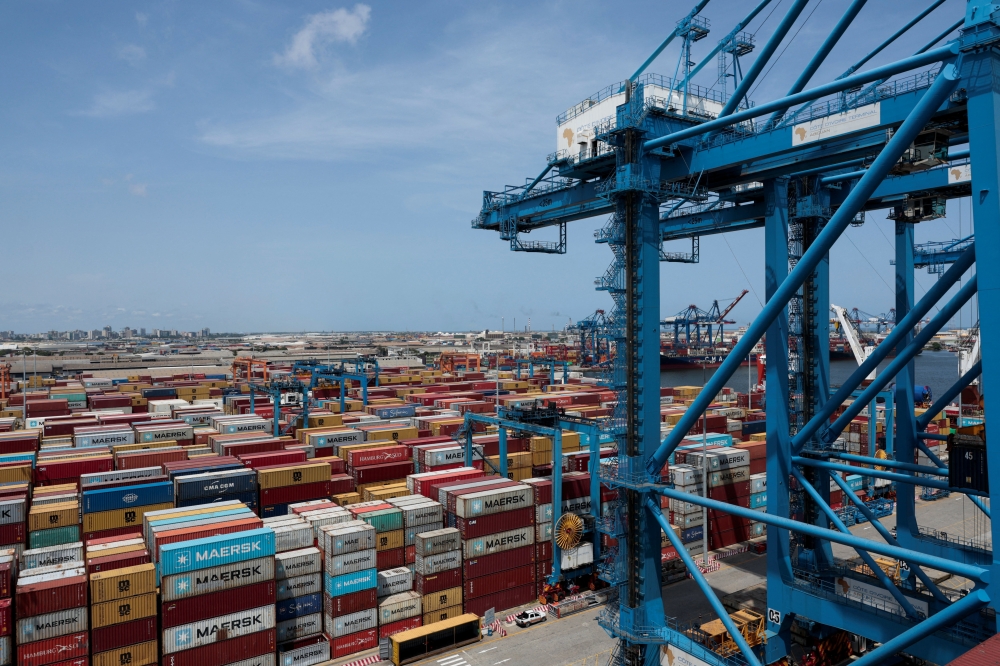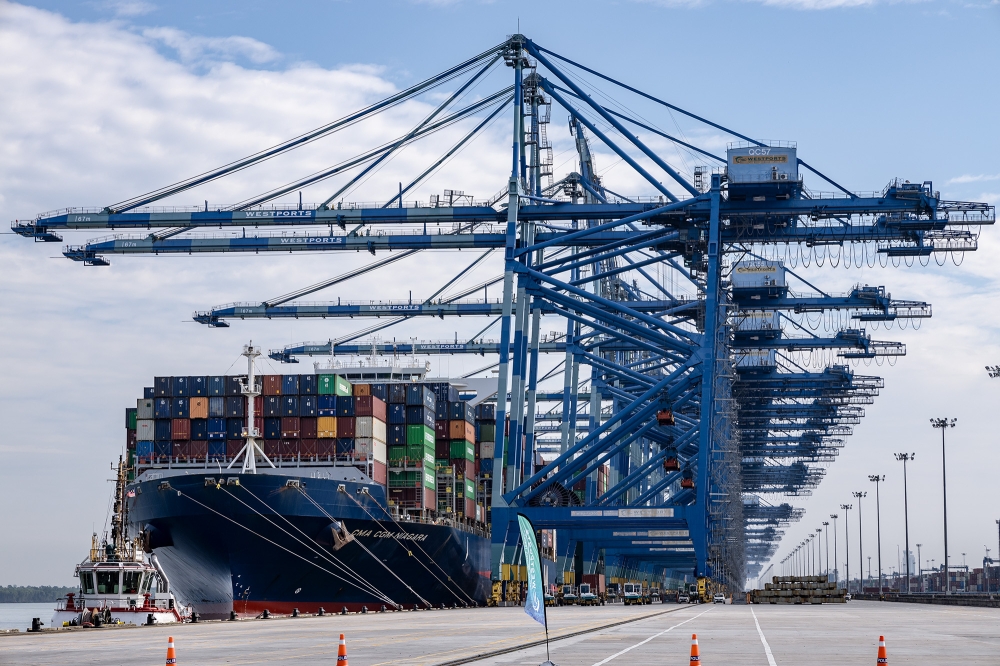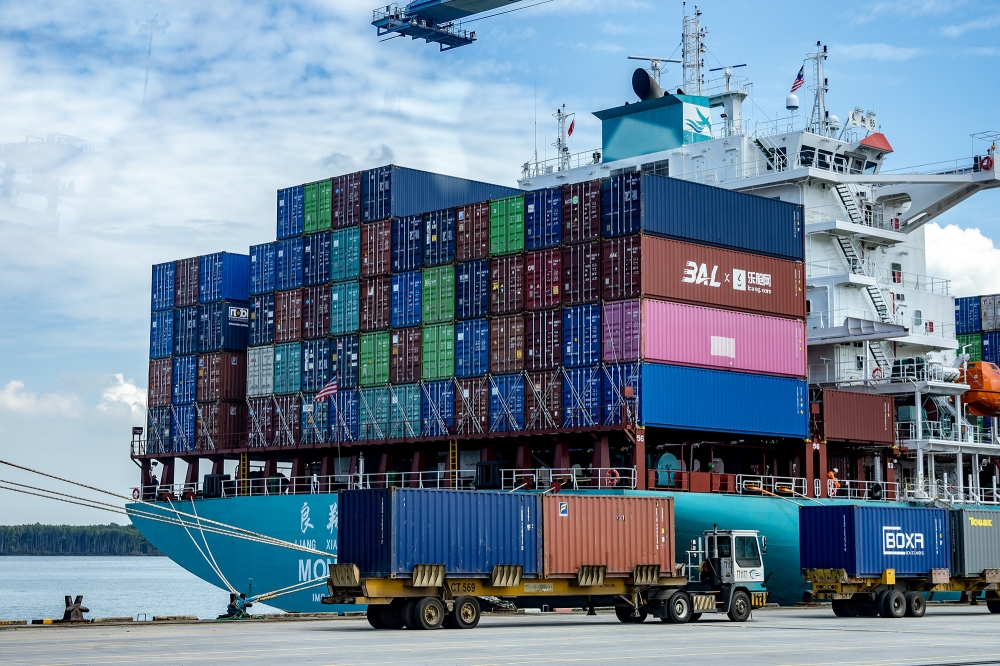
Shipping containers are seen at Westports in Pulau Indah, Klang on September 27, 2024. — Picture by Firdaus Latif Summary The United States has imposed a 10 percent tariff on Malaysia under Section 301 of the Trade Act of 1974, following an investigation into forced labor practices among global trading economies. The lower rate reflects Malaysia's commitments to enforcing prohibitions on imports linked to forced labor. This tariff, effective July 24, is part of a broader USTR strategy targeting 60 economies worldwide, aimed at enhancing global worker welfare and addressing unfair trade practices. Additionally, Malaysia is included in a separate ongoing Section 301 investigation concerning excess capacity. By Malay Mail First Published: Friday, 24 Jul 2026 4:13 PM MYT KUALA LUMPUR, July 24 — Malaysia will face a 10 per cent tariff imposed by the United States under Section 301 of the Trade Act of 1974, following a broad investigation into forced labour practices across dozens of trading economies.The Ministry of Investment, Trade and Industry (Miti) confirmed today that Malaysia is one of 17 economies to qualify for the lower 10 per cent rate, while other targeted economies will be subject to a steeper 12.5 per cent tariff.This more favourable rate acknowledges the United States Trade Representative’s (USTR) recognition of Malaysia’s commitments to implement and enforce laws prohibiting the importation of goods made with forced labour.The new duty takes effect at 12:01 am US Eastern time on July 24, immediately following the expiry of a temporary tariff previously imposed under Section 122 of the Trade Act.The move is part of a sweeping USTR action that has hit 60 economies worldwide. USTR Ambassador Jamieson Greer stated that the measure follows extensive investigative groundwork, including two rounds of public hearings and the review of more than 2,100 public comments.Greer noted that the action aims to improve global worker welfare and correct distortive trade practices, while praising partners who moved quickly to adopt forced labour prohibitions.Under the USTR’s framework, the 10 per cent rate is applied to economies that already impose forced labour import prohibitions or have committed to doing so through an Agreement on Reciprocal Trade. Cambodia and Indonesia are the only other Asean nations to secure this lower rate, making Malaysia’s tariff the lowest among its regional peers.Additionally, the USTR intends to establish tariff rate quotas for Bangladesh, Cambodia, Indonesia, and Malaysia. These quotas, based on the use of US inputs, serve as an incentive for these nations to import more American cotton and textile goods to reduce reliance on sources more likely to involve forced labour.Beyond the forced labour issue, Miti flagged a second, separate Section 301 investigation concerning “excess capacity” that remains ongoing. This probe covers 16 economies, including Malaysia.The ministry said it will notify stakeholders once the USTR determines a rate for this specific investigation.
Miti: Malaysia escapes steeper tariff, but a second US probe looms over ‘excess capacity’
KUALA LUMPUR, July 24 — Malaysia will face a 10 per cent tariff imposed by the United States under Section 301 of the Trade Act of 1974, following a broad investigation into...
467 words~2 min read