Welcome back to Foreign Policy’s Latin America Brief.
The highlights this week: Nicaragua’s president announces a plan to cancel elections, the United States imposes new tariffs on Brazil, and the International Energy Agency gives an update on Latin America’s critical mineral prospects.
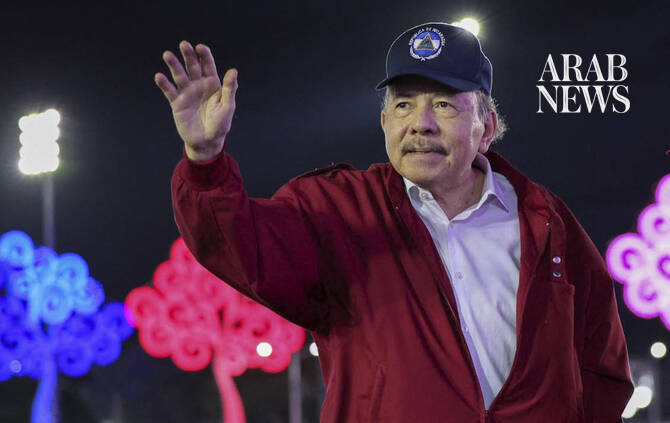
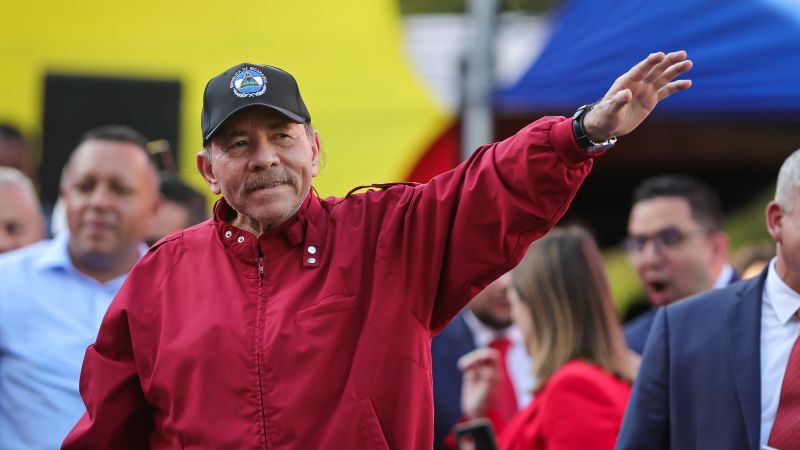
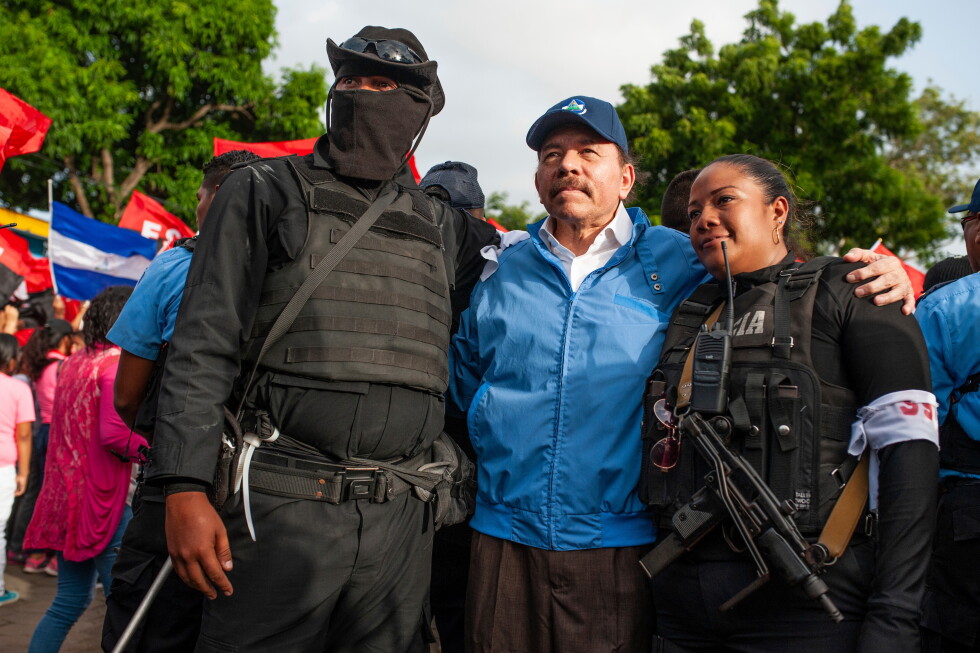
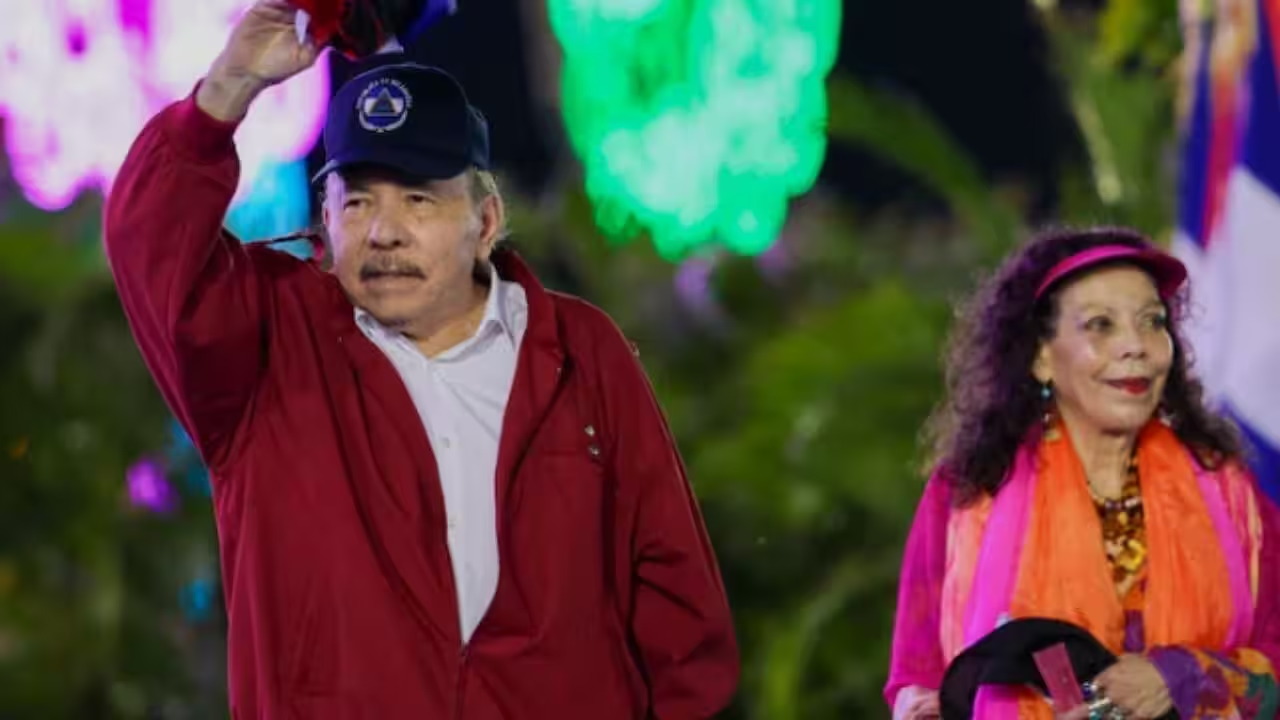
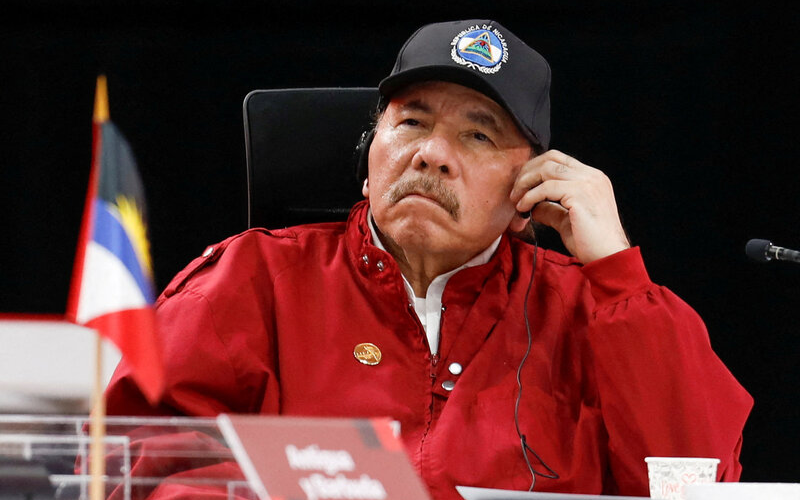
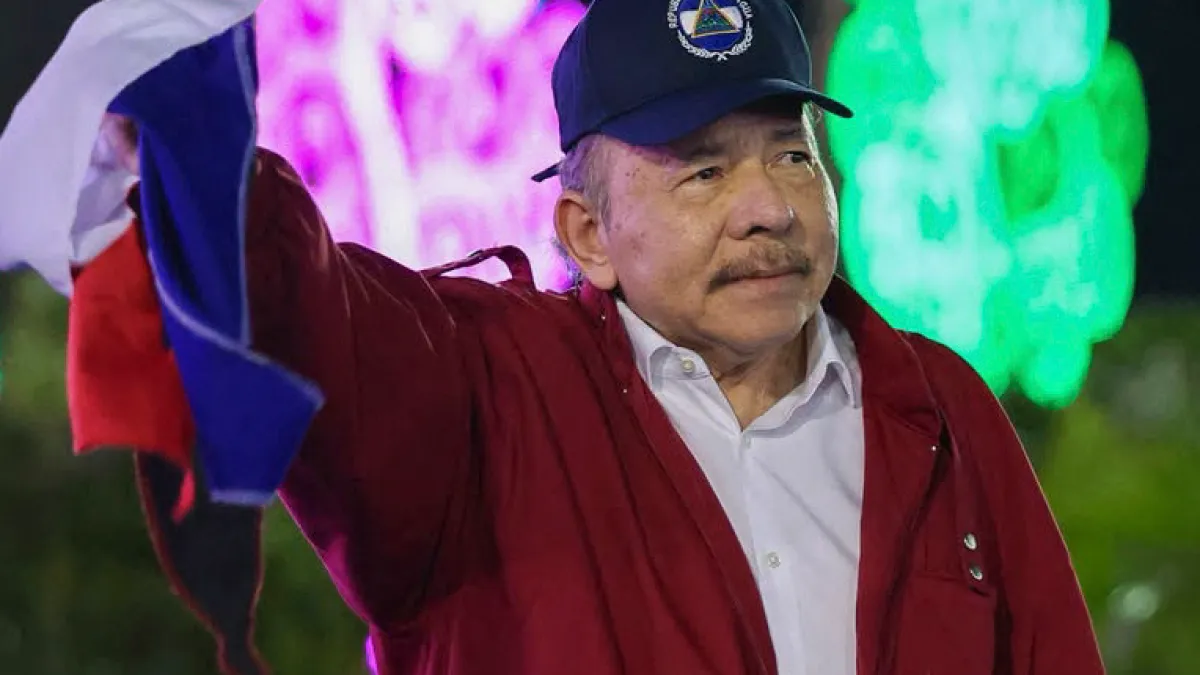
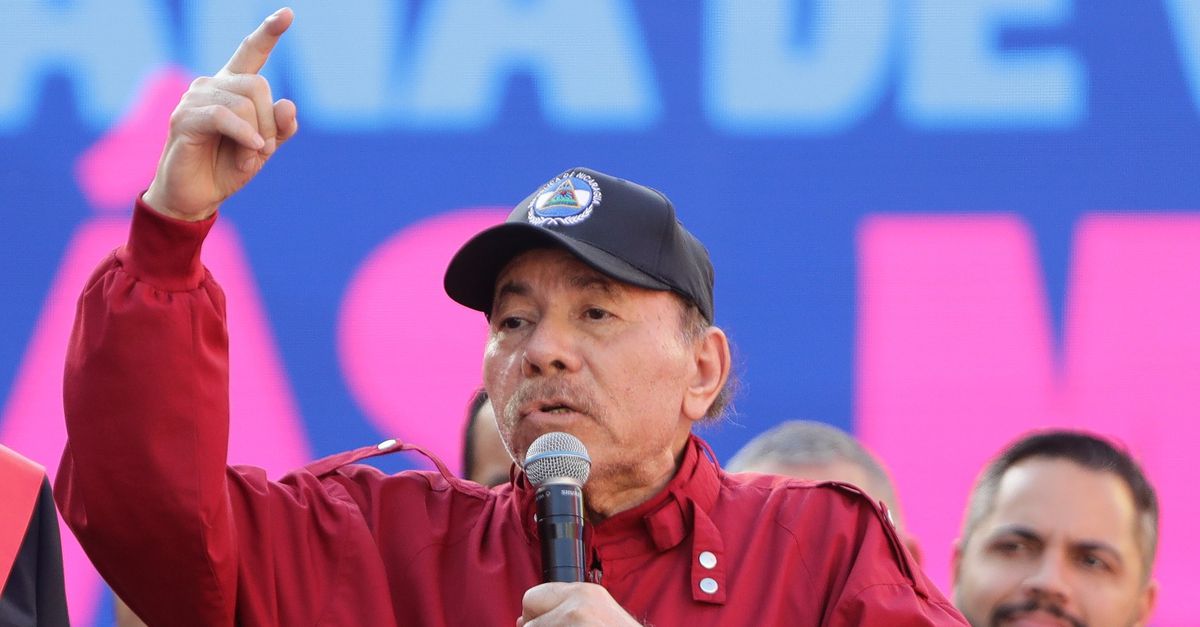
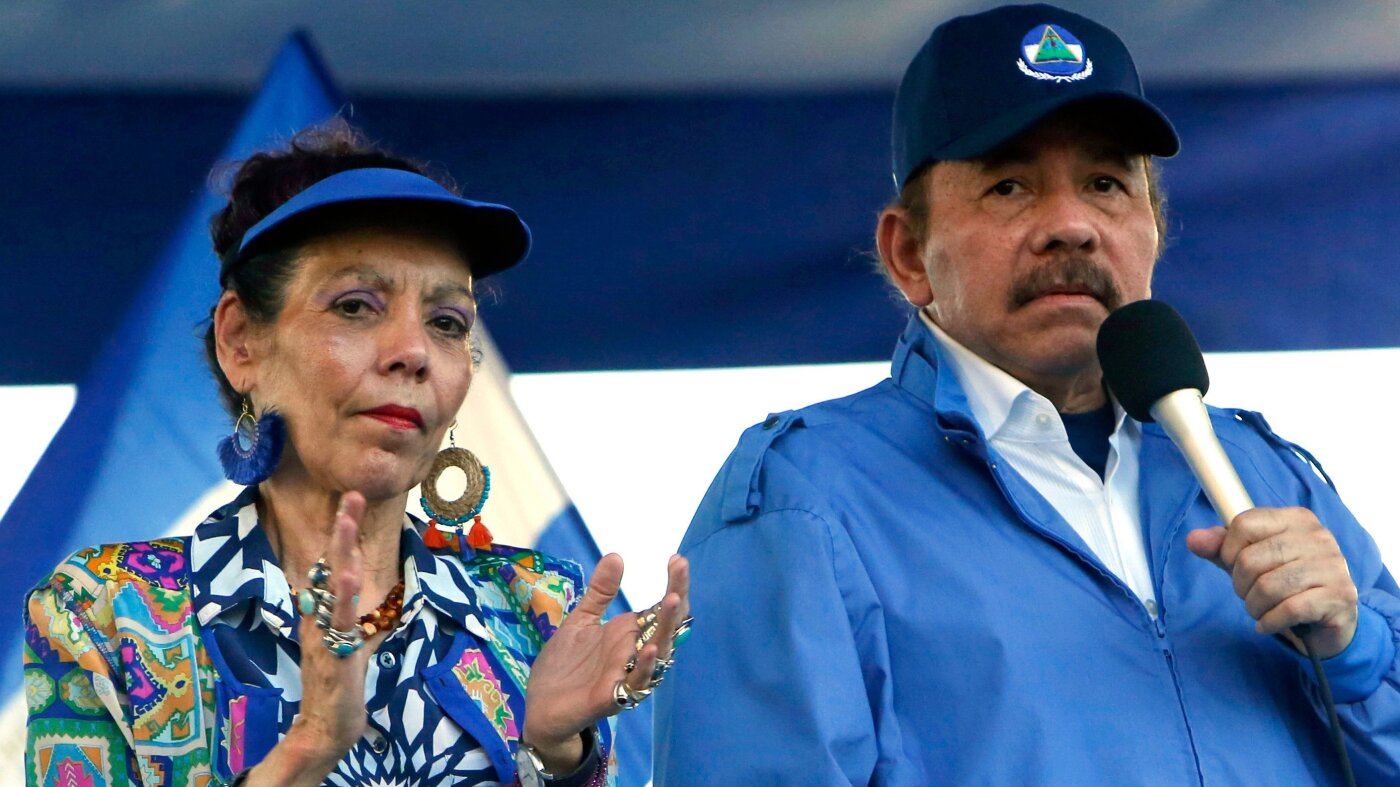
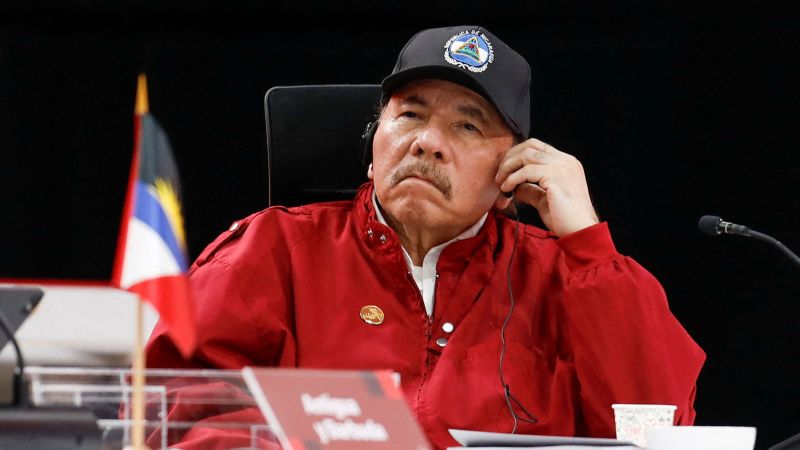
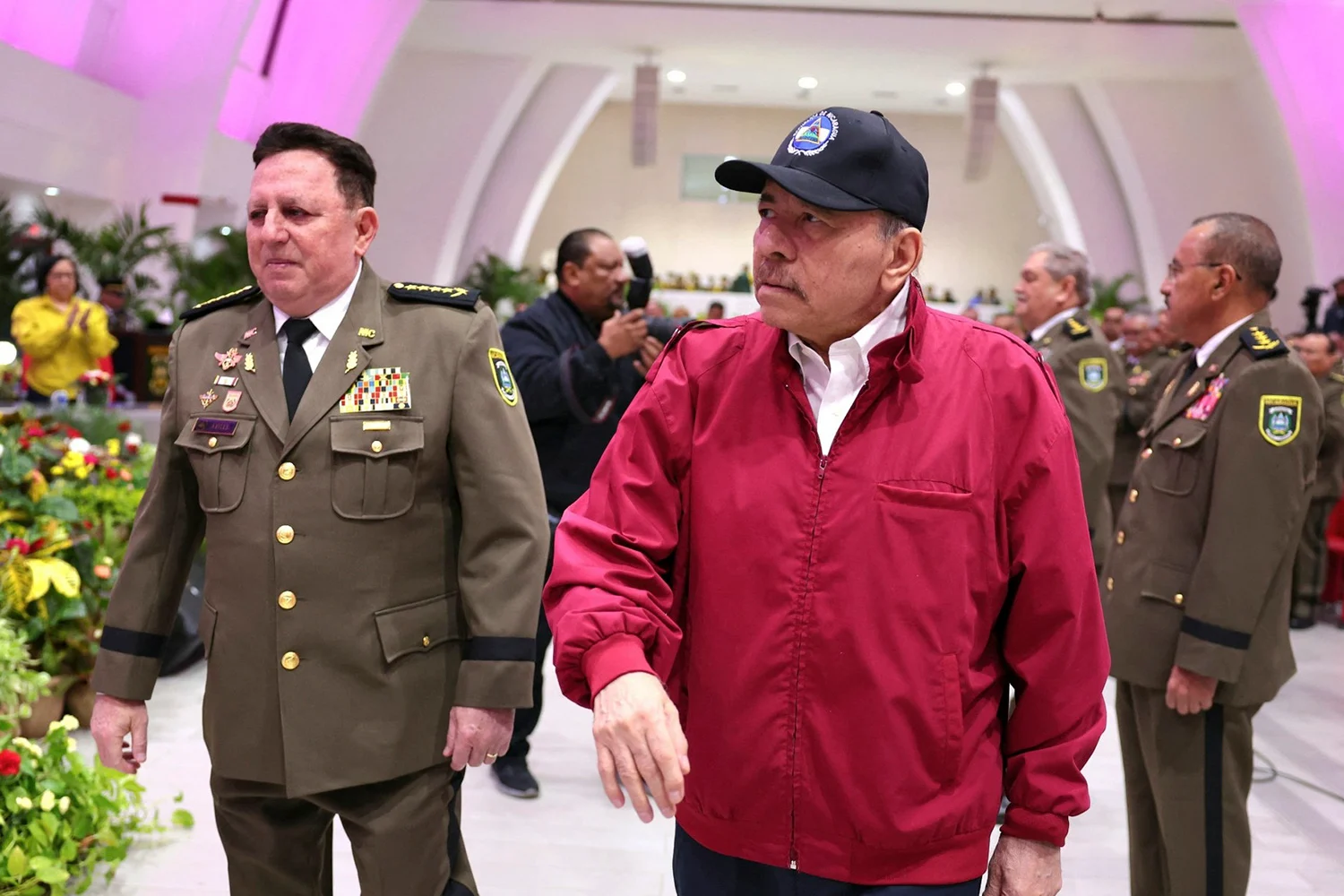
On Sunday, Nicaraguan President Daniel Ortega—who has been in power since 2007 and named his wife Rosario Murillo “co-president” last year—announced that there would be no more elections in the country. Democracy experts have long classified Ortega’s government as an autocracy, but even its peers in Cuba and North Korea continue to stage elections.
The declaration marks the culmination of years of democratic backsliding, during which Ortega’s administration has dismantled opposition parties, jailed political rivals, and shuttered independent media while facing little consequential resistance from either domestic institutions or the international community.
Although it has fluctuated over time, cross-border pro-democracy advocacy has been a feature of Latin American and broader Western Hemisphere politics since at least the post-World War II period. Yet the failure to form an effective regional coalition against Nicaragua’s backsliding shows how much the cause has weakened today.