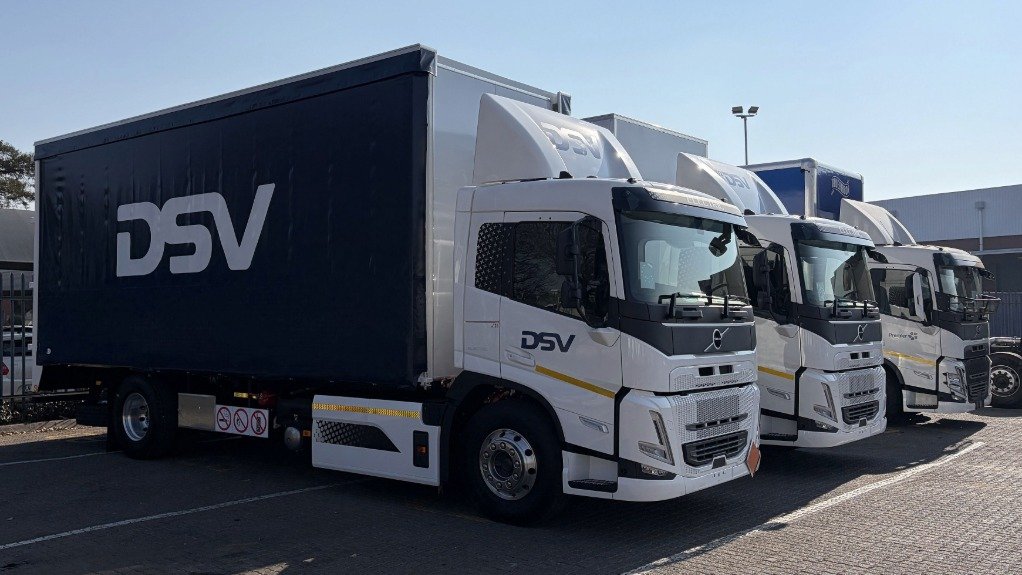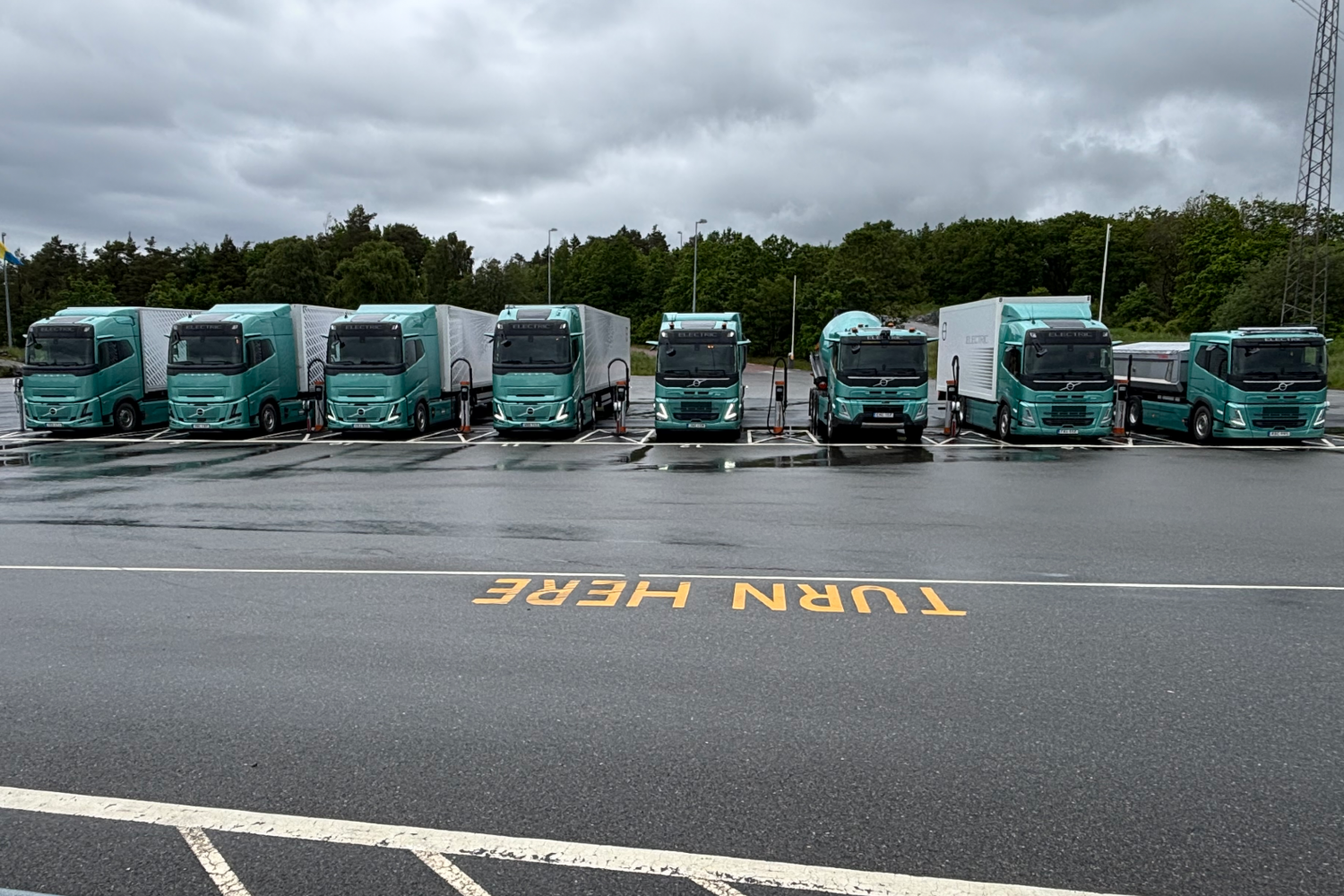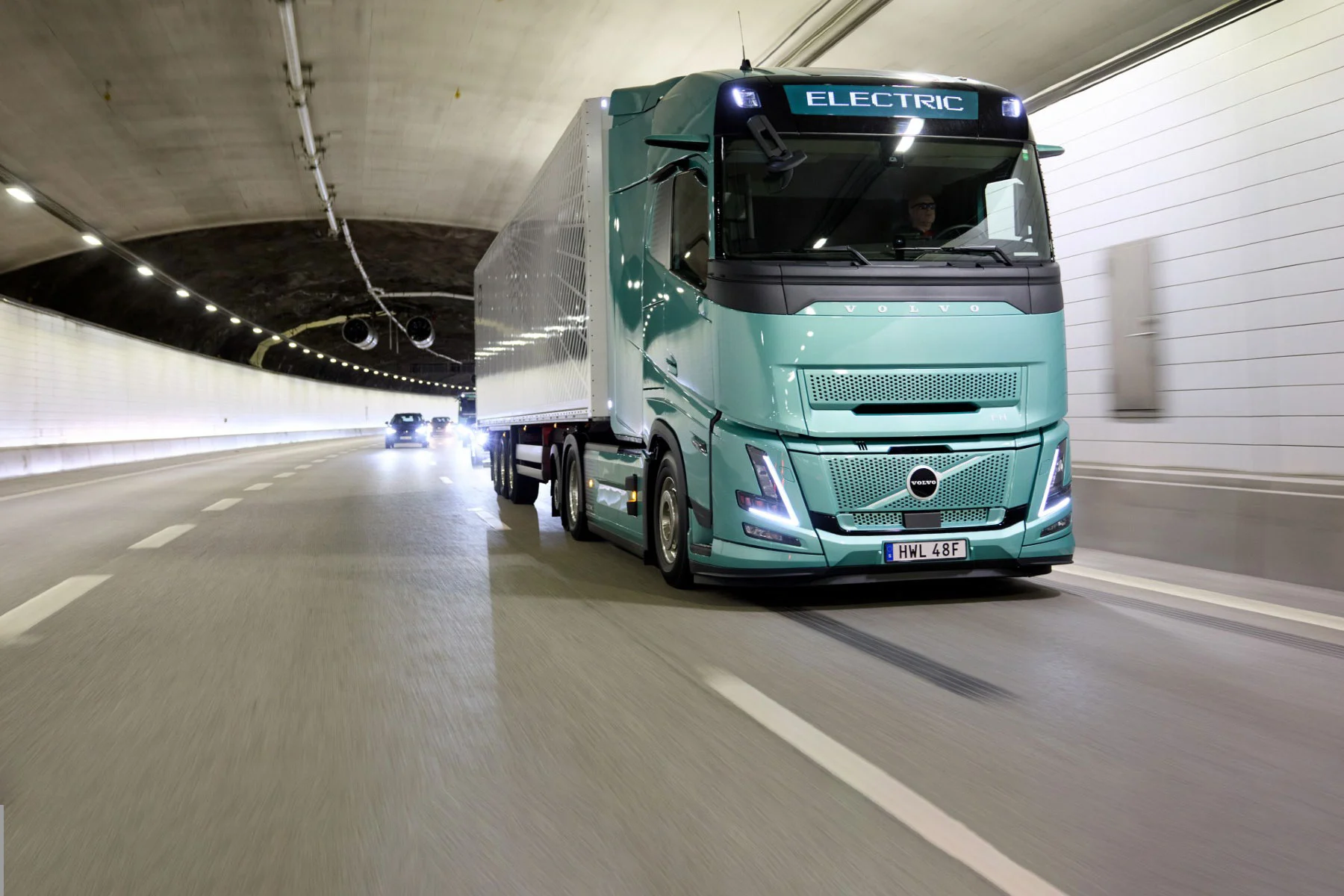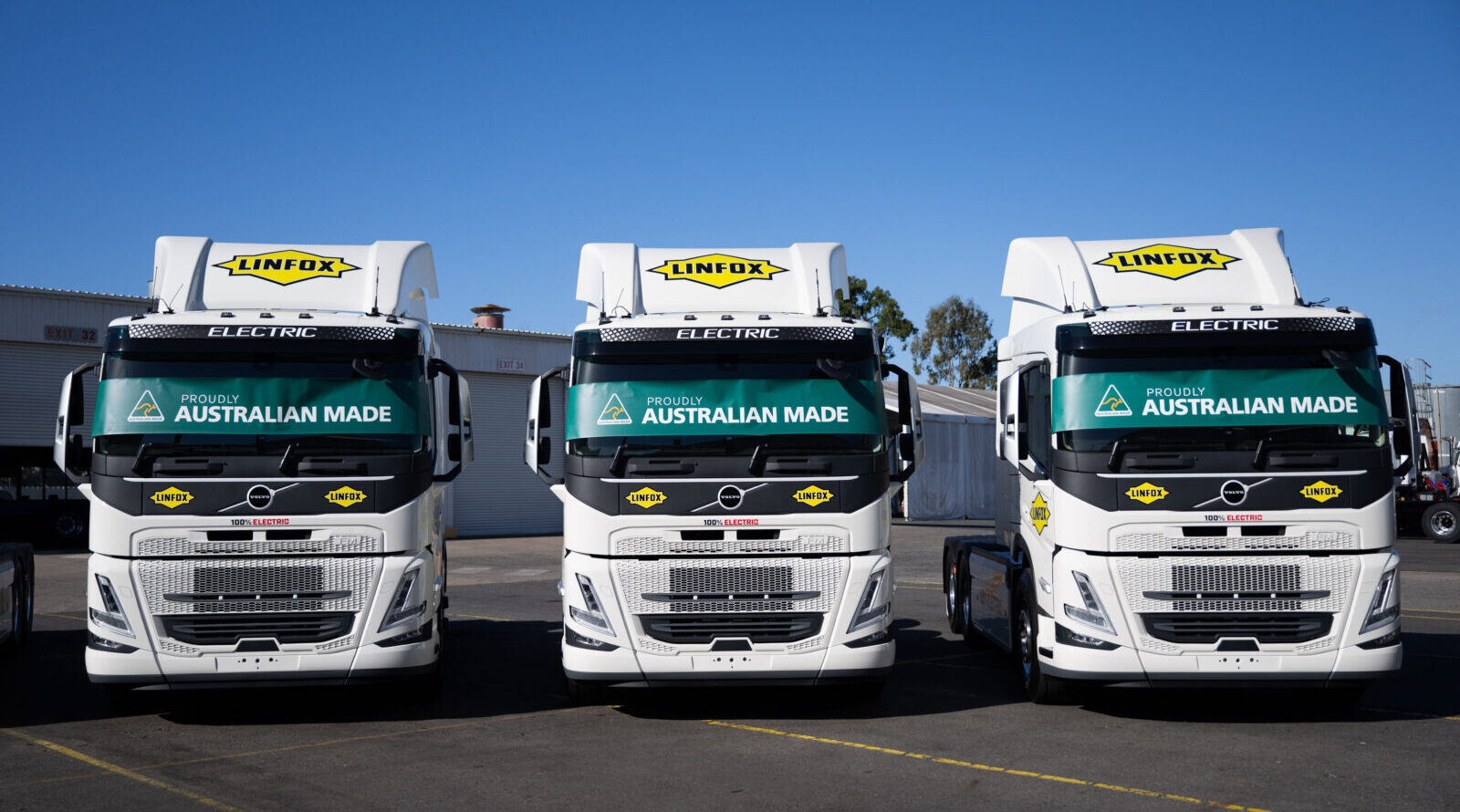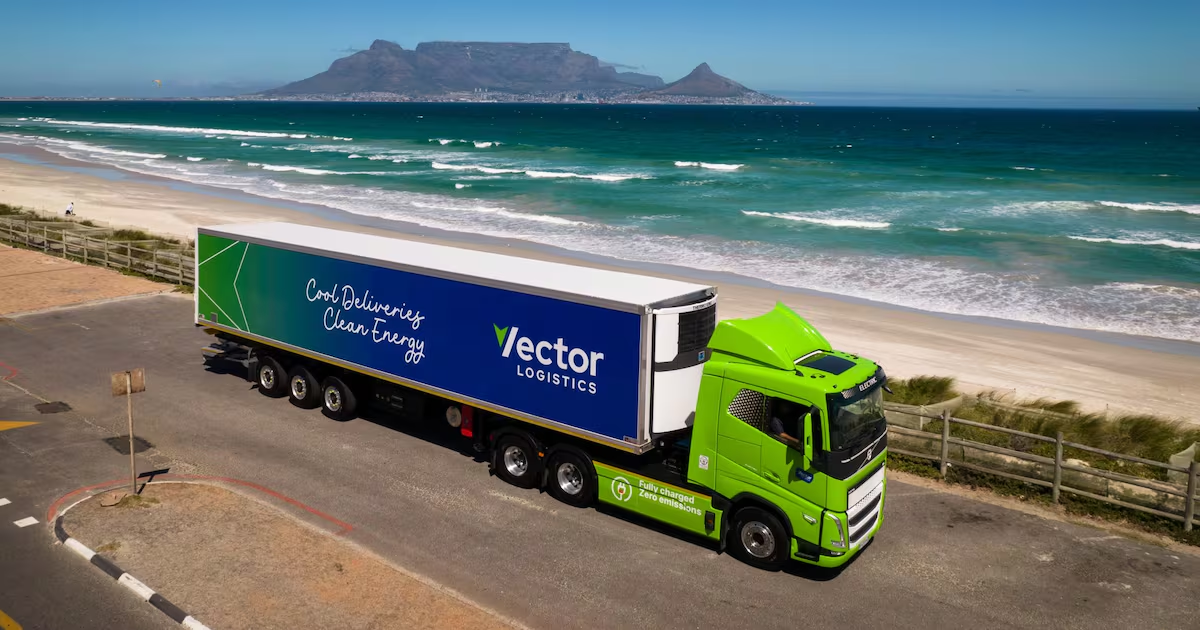
Volvo Trucks South Africa says its battery-electric truck fleet has surpassed 250,000km in commercial operation, with some customers achieving lower operating costs than equivalent diesel models despite the substantially higher purchase price.The Swedish truck maker said its electric trucks, introduced locally in 2023, have collectively travelled more than 250,000km in customer fleets, providing real-world data on vehicle performance, energy consumption and charging under South African operating conditions.The milestone comes as South Africa’s heavy commercial vehicle industry cautiously explores electrification, with high vehicle prices, limited public charging infrastructure and the long distances typical of freight transport remaining major obstacles to wider adoption.Volvo Trucks SA senior manager for sustainable solutions Eric Parry said the 250,000km was an important milestone in a market where electric trucks are in their infancy.“While 250,000km may seem modest compared with the more than 400-million accumulated by Volvo electric trucks globally, it represents a significant achievement in the South African context, where most Volvo electric trucks are operating on shorter route and urban distribution applications,” he said.The fleet is averaging about 2,000km a month per vehicle, though the highest-utilisation trucks are covering up to 10,000km a month. Across the fleet, average energy consumption is 1.77kWh/km, spanning applications from eight-tonne rigid trucks carrying five to seven tonnes of payload to 6x4 truck tractors hauling interlink trailers with payloads exceeding 32 tonnes.Parry said the experience gained so far had provided insights into charging strategies, vehicle use, uptime requirements and driver acceptance under local conditions.While electric trucks typically cost between two and three times as much as equivalent diesel models, Parry said the economics can favour battery-electric vehicles in the right applications.Of the 16 Volvo electric trucks operating in South Africa, 13 are delivering operating cost savings over diesel equivalents, while three were acquired primarily to meet environmental objectives rather than reduce costs.Parry said the financial case depended heavily on annual mileage, payload, route profile and electricity prices, making it impossible to provide a universal comparison.“There is no one-size-fits-all answer,” he said.Electricity costs can vary from about R2.80/kWh to R4.50/kWh for depot charging, while some public chargers charge as much as R9.50/kWh. Some fleet operators have also invested in solar-powered charging systems to reduce energy costs.One KwaZulu-Natal fleet operator with a 2MW on-site electricity supply is reporting monthly operating cost savings of between R180,000 and R250,000 after switching to electric trucks, according to Volvo.Parry said the higher upfront purchase price is typically recovered after four to six years of operation, with rising diesel prices helping to shorten the payback period. Volvo offers a six-year or 720,000km battery warranty, compared with its previous two-year or 300,000km warranty, while battery life is expected to be between eight and 10 years.Volvo electric trucks in South Africa are achieving real-world driving ranges of between 180km and 350km, depending on vehicle configuration, payload and terrain. The next generation of Volvo electric trucks, due to arrive later this year, is expected to extend that range by about 100km while also offering higher power outputs.Parry said electric trucks are at present best suited to urban distribution and shorter regional routes.“On longer routes it’s not really viable due to long charging times,” he said.Though South Africa’s public charging network remains limited for heavy commercial vehicles, Parry said this has not yet constrained Volvo’s customers because every operator has installed its own charging infrastructure at depots or loading facilities.Charging strategies typically combine overnight AC charging with faster top-up charging during operational breaks, depending on each fleet’s requirements.“In all operational cases in the country so far, there is no one relying on public charging,” Parry said.He said customer interest in electric trucks is steadily increasing, though battery-electric models still account for only about 1% of Volvo’s local truck sales.Volvo assesses each customer’s operations before recommending an electric vehicle, modelling routes, payloads, trailer configurations, charging infrastructure and operating schedules to determine whether electrification is financially viable.Later this year the company plans to introduce its next-generation electric truck range to South Africa, targeting applications that have until now been beyond the reach of battery-electric vehicles.Business Day
Electric Volvo trucks in SA surpass 250,000km in operation
Some fleets report lower running costs than diesel despite higher upfront prices
673 words~3 min read