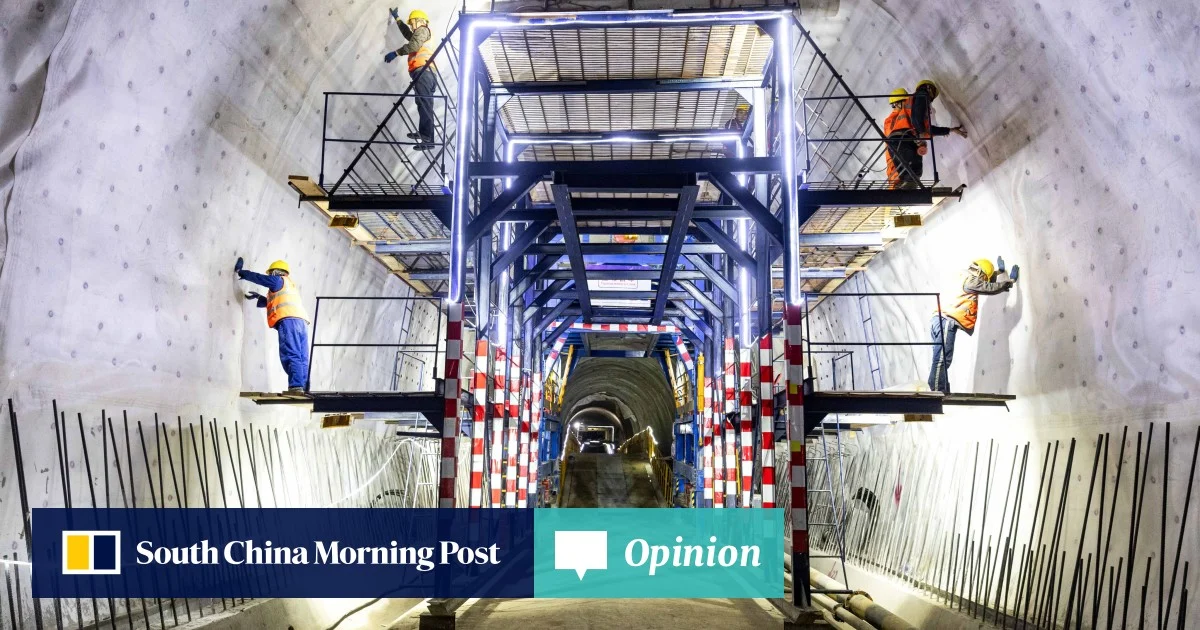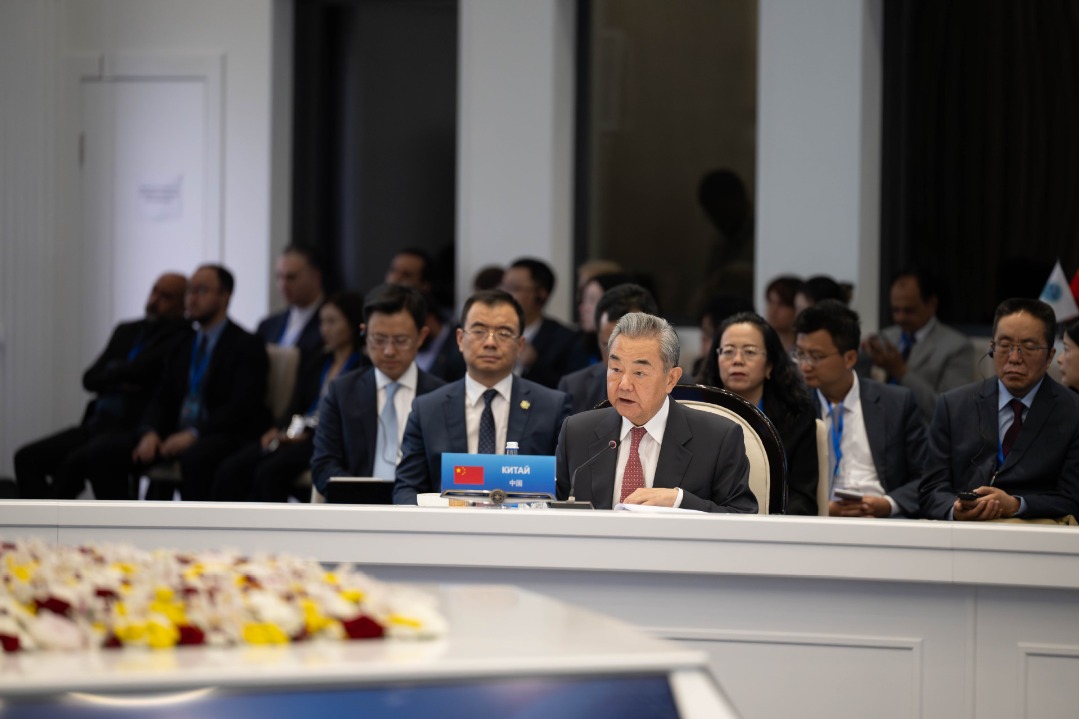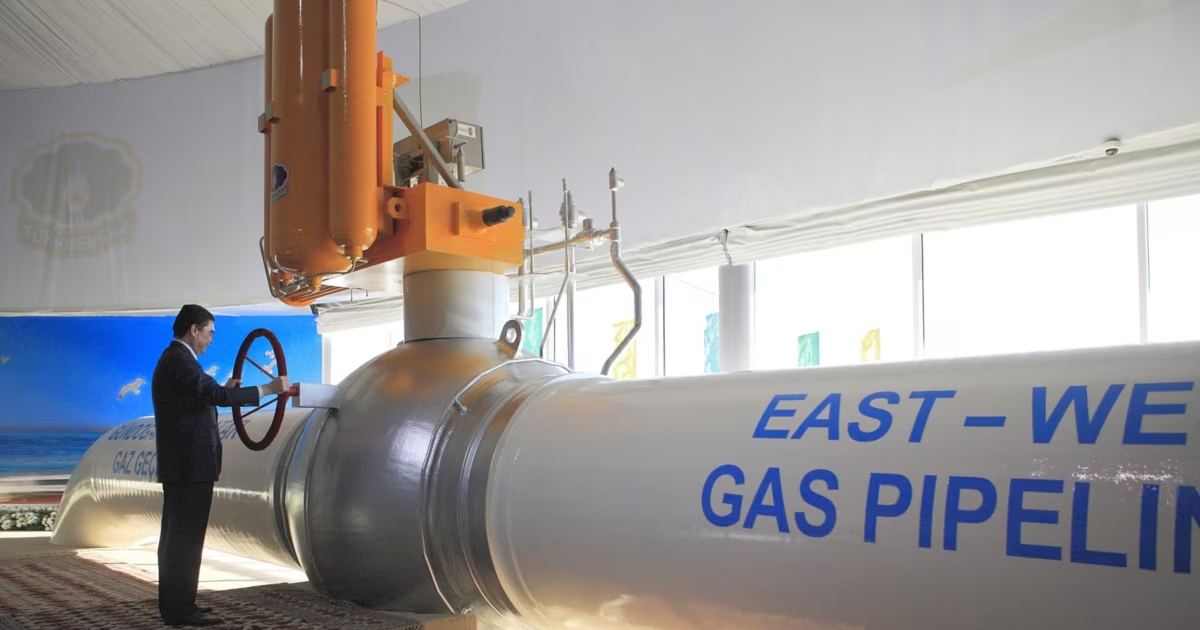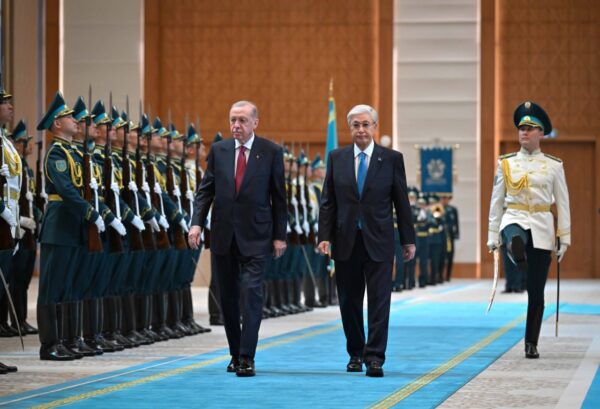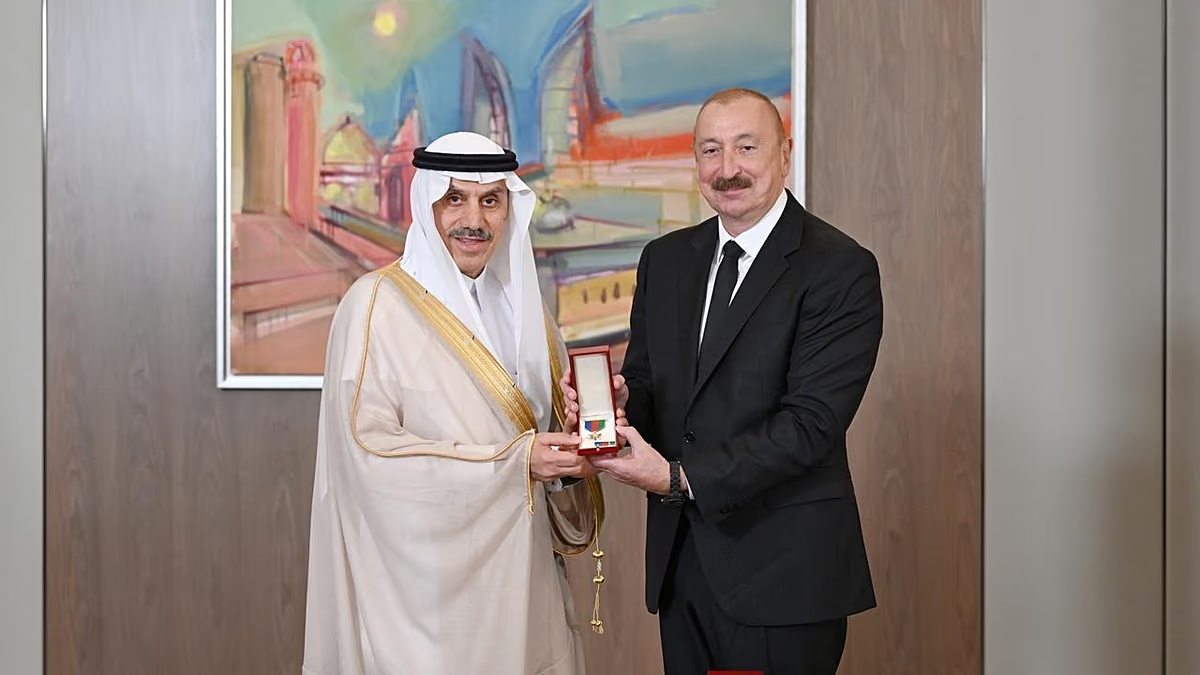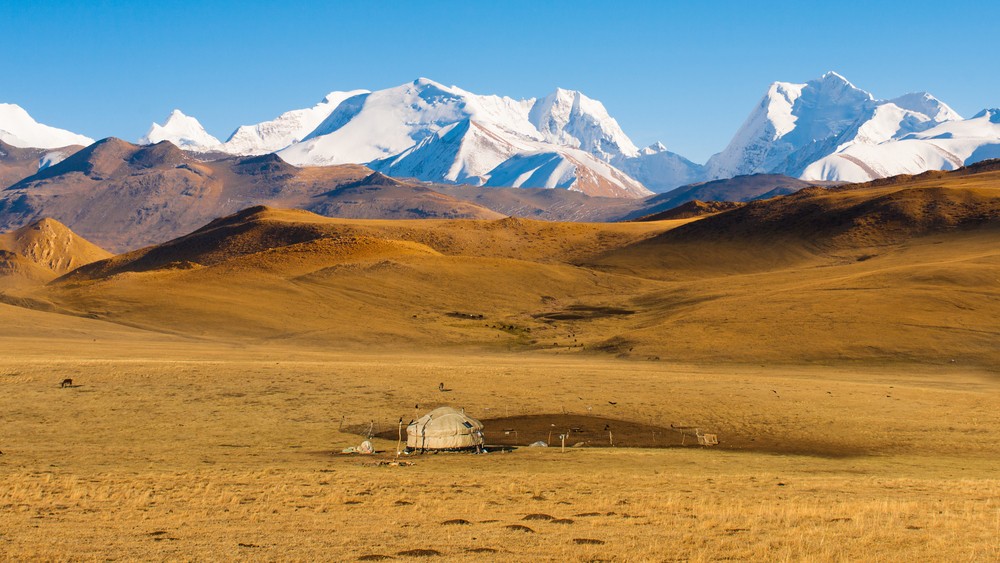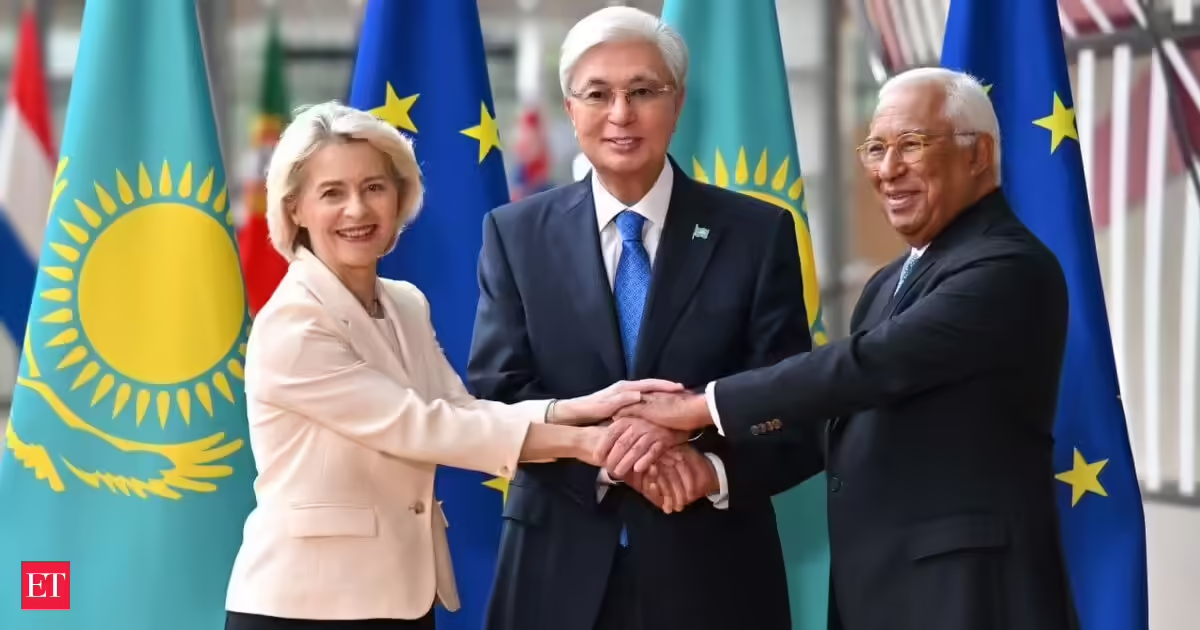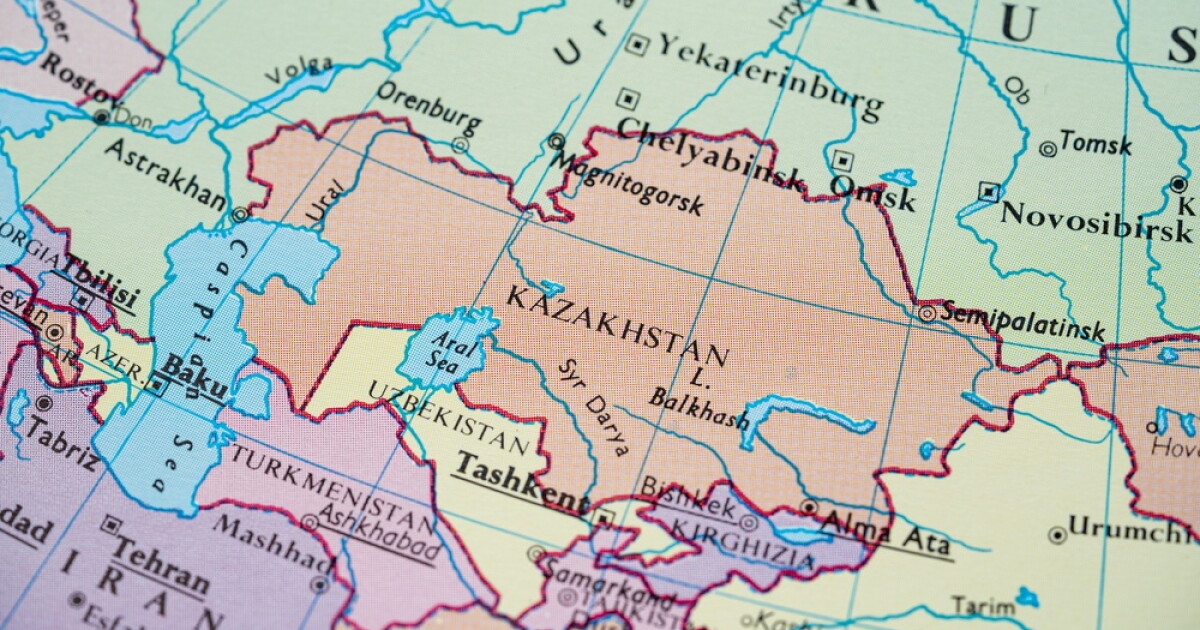
The Caspian and Central Asia are undergoing a quiet geopolitical realignment. As Russia’s influence recedes and regional conflicts reshape trade and energy flows, the region's Turkic states are deepening political, economic and security ties while positioning themselves as a critical bridge between Europe and Asia. Connectivity has become the defining theme of this transformation, encompassing everything from transport corridors and electricity networks to oil, gas and military cooperation. But turning growing regional ambition into lasting infrastructure and energy partnerships will still require overcoming formidable geopolitical and commercial obstacles.Connectivity has become a buzzword for the Caspian, whether it’s to do with the electrification of the region or joint oil and gas exploration and production initiatives. Or, quite simply, whether it refers to the political integration of the Turkic states of the Caspian and Central Asia under the watchful eye of regional powerhouse Turkey at a time when Russia’s influence is on the wane, albeit ever-present.Ursula von der Leyen, the president of the European Commission, mentioned it when she visited Azerbaijan in July and commended Baku for its role in advancing the peace process with Armenia and strengthening regional connectivity. According to one press report, she proposed setting up an EU-Azerbaijan Connectivity Partnership, starting a High-Level Connectivity Dialogue and holding a Regional Connectivity Investment Conference in Baku.It was von der Leyen’s first visit to Baku since July 2022, shortly after the Russian invasion of Ukraine, when she signed a memorandum of understanding to double imports of Azeri gas to 20 billion cubic meters per year by 2027. Deliveries from Azerbaijan have risen to around 12 Bcm/y, far short of the target. One Baku analyst told Energy Intelligence, “She never kept her promises. Let’s see this time.”Come Together“The countries in the Caspian and Central Asia are not only coming together politically and economically, but also militarily, in one organization under the Turkish umbrella,” Gulmira Rzayeva, founding director of Eurasia Analytics, told Energy Intelligence, referring to recent joint military exercises in the region.The view from the South Caucasus appears to be more focused on the trading connectivity provided by the various transport routes that are being established. The Middle Corridor — a kind of modern-day Silk Road —connects China to Europe via Central Asia and the Caspian and provides a “unique opportunity,” the Azeri ambassador to London, Elin Suleymanov, told a Caspian Connectivity Conference held in London recently by the Caspian Policy Center. “It’s not an issue of having a backup, it’s an issue of diversification,” he said.The Azeri ambassador said that the most established trade channel in the region was between Azerbaijan, Georgia and Turkey, which includes vital oil and gas pipelines, and has worked for 30 years. “Both Georgia and Azerbaijan had during that period armed conflict on their land, and never did the corridor suffer,” he said. He noted that since the outbreak of the latest Mideast conflict five months ago, the “entire air traffic” between east and west was channeled over Azerbaijan, which is sandwiched between Russia to the north and Iran to the south.Azerbaijan will over time be well positioned for the North-South corridor as well, linking Russia to Iran and beyond, Lord Alderdice, UK trade envoy to Azerbaijan and Central Asia, told the conference.On the other side of the Caspian Sea, “Kazakhstan’s key vulnerability is its dependence on Russian export routes, but the growth of the Middle Corridor will help alleviate the issue,” Nigar Jafarova, an analyst for FrontierView, told the conference. “All partners in the region are trying to diversify away from Russia. They are not trying to get to zero, but they are making genuine efforts. The Armenian side is the fastest,” she said, referring to Yerevan’s shift to the West and overtures to Brussels.RapprochementTurkmenistan also appears to have indicated that it is eager to participate in the Middle Corridor and not be isolated from the growing sense of rapprochement between Caspian and Central Asian nations. Serdar Berdimuhammedov, the president of Turkmenistan, made a landmark trip to Baku in June, sparking fresh speculation that Turkmenistan will one day export gas to Turkey and Europe via a pipeline across the Caspian Sea to Azerbaijan.A similar theme was evident during a tour of Azerbaijan, Kazakhstan and Turkmenistan in July by Montana Republican Senator Steve Daines to underscore Washington’s support for closer collaboration. US President Donald Trump has personally backed a side-shoot of the Middle Corridor, namely the Trump Route for International Prosperity and Peace, which until recently was known as the Zangezur Corridor, a 40 kilometer (25 mile) stretch through Armenia that would connect Azerbaijan to its Nakhchivan exclave and then on to Turkey.Naturally, energy cooperation was always part of the discussions in Baku and Ashgabat, sparking fresh speculation that a trans-Caspian gas pipeline could play a role in the Middle Corridor. Turkey would welcome an opportunity to get its hands on a cheaper source of gas, and there would be support from Western capitals. Some analysts believe that the conditions are right for a smaller trans-Caspian, with a capacity for, say, 10 Bcm/yr, around one-third of the original plan, that could fly under the radar.As ever, however, the ultimate issue is whether Turkmenistan would be bold enough to back a subsea pipeline in the face of opposition from fellow Caspian states Russia and Iran.
Caspian, Central Asia Embrace Connectivity Under Turkic Umbrella
Connectivity has become a buzzword for the Caspian and Central Asia as the integration advances of the region's Turkic states.
906 words~4 min read