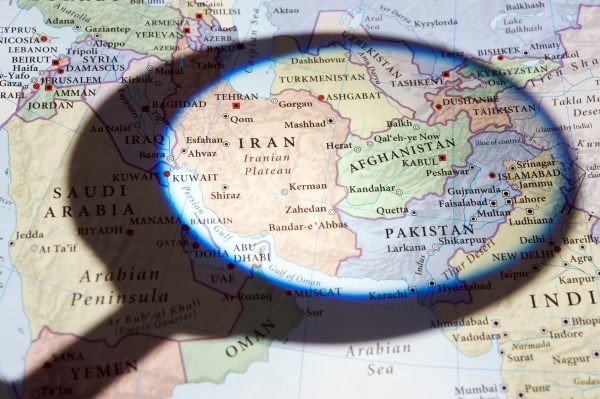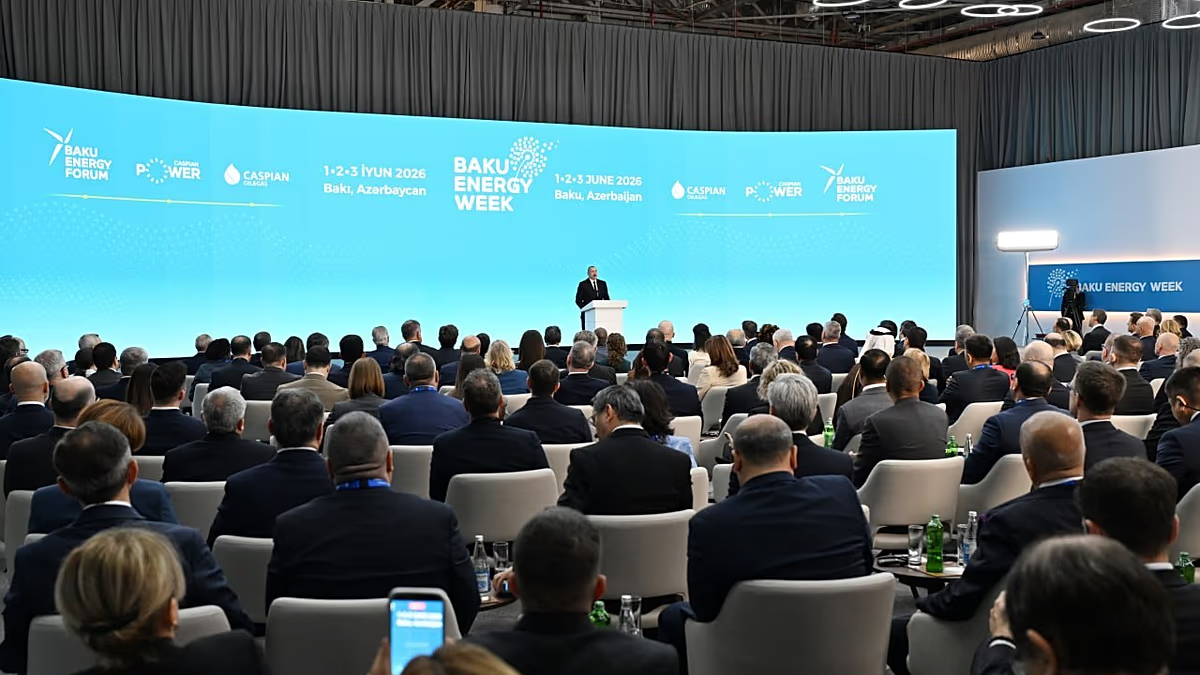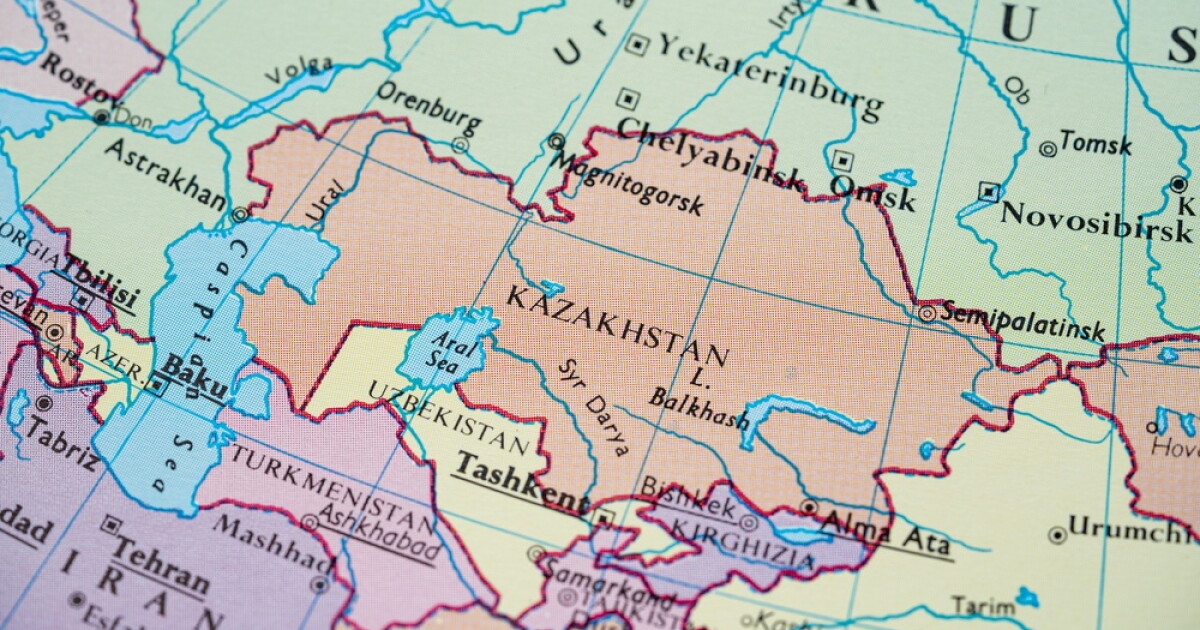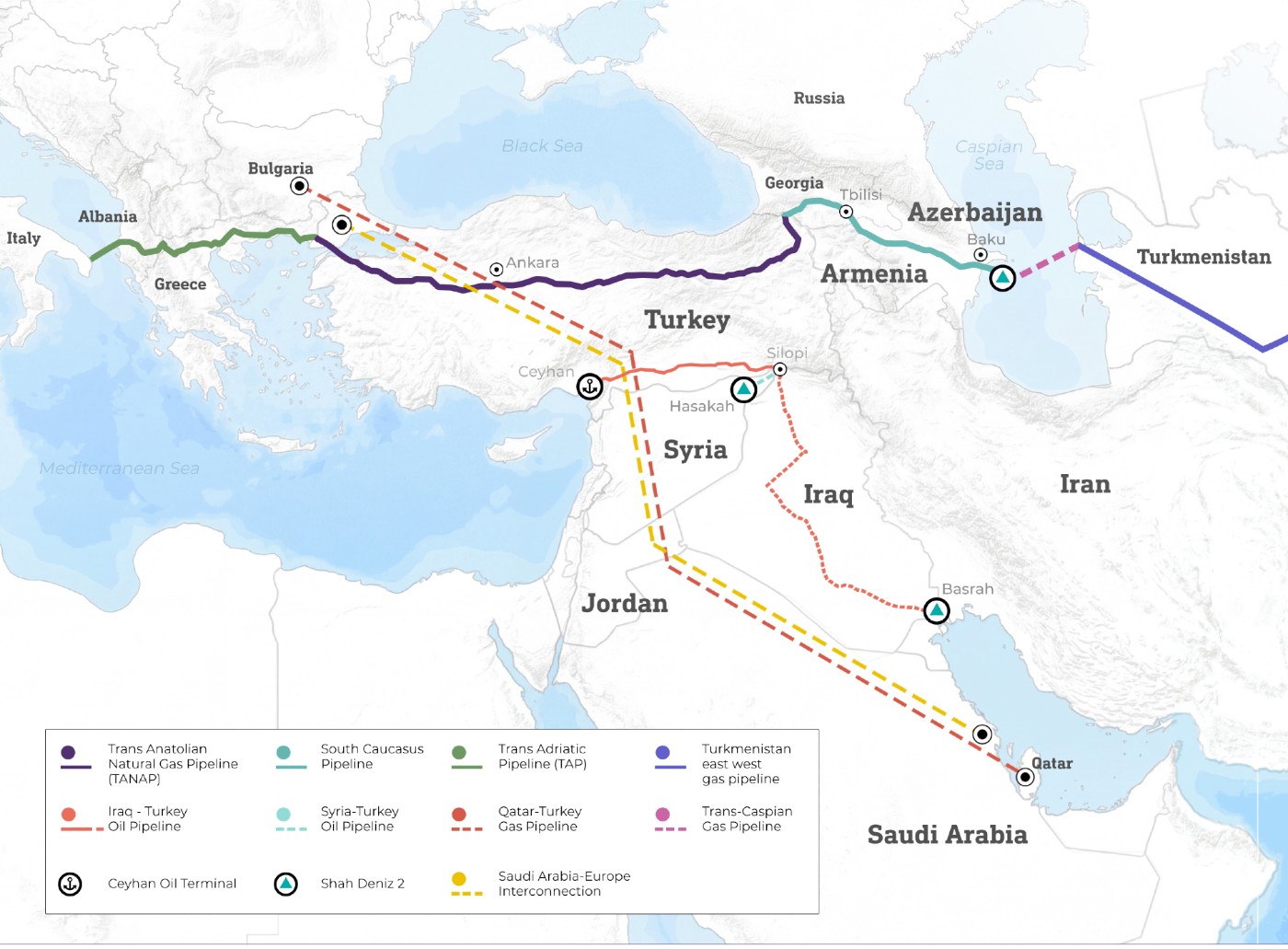
With the Iran war disrupting traditional energy supply routes and the West seeking to lessen reliance on Russian transit networks, Trans-Caspian corridors have again emerged as a focus of international diplomacy and investment.Several distinct regional networks gained increased attention from global players at the Baku Energy Week earlier this month, including a subsea green electricity link and the Trans-Caspian International Transport Route, also known as the Middle Corridor.But prospects for another key project, the long-delayed Trans-Caspian Pipeline (TCP), remain in doubt, languishing in a geopolitical deadlock since 1999, although it does have its backers still dreaming of a fresh route for natural gas from Turkmenistan and other Central Asian nations.
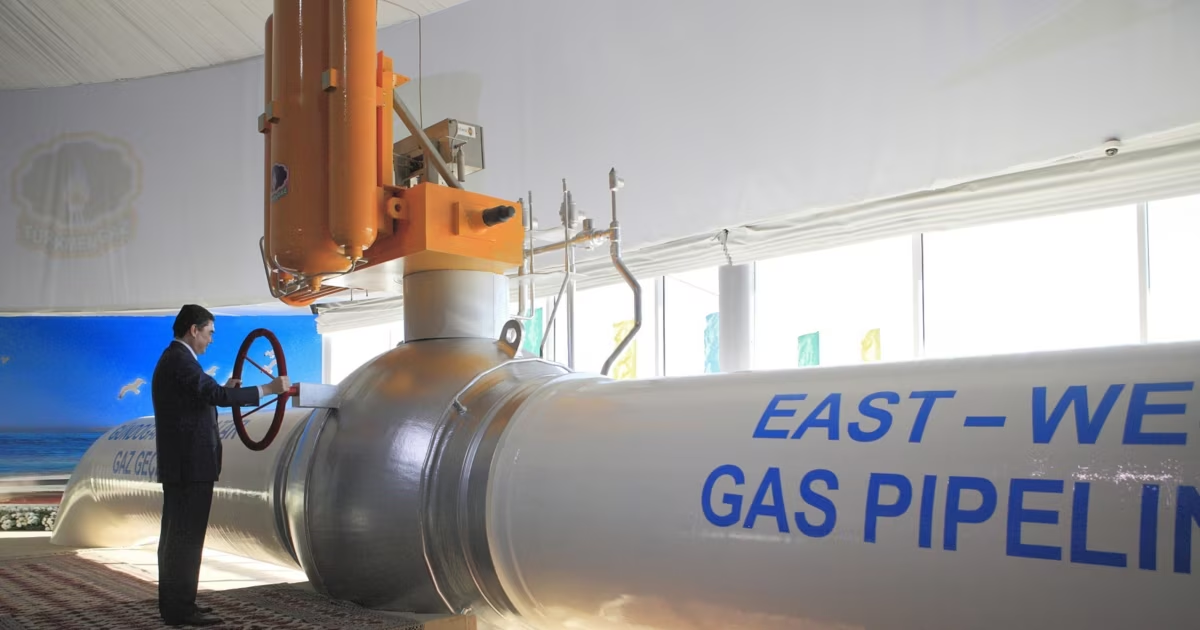
By bridging the Caspian Sea from Turkmenistan to Azerbaijan, the TCP would deliver Turkmen and other countries' natural gas directly into the Southern Gas Corridor, a mega-pipeline network stretching across Turkey to link with Greece, Italy, and the wider EU market.Russia, Iran Bypassed, As China ManeuversThe TCP has met resistance from Russia and Iran, which would be bypassed in the project. Chinese geopolitical and energy maneuvering only complicates the matter further.But a key missing piece of the puzzle remains the reluctant supplier of the natural gas that would largely flow throw the pipeline: Turkmenistan.Analysts say Ashgabat is not refusing to participate in the project but practicing strict strategic neutrality.It wants to diversify via the proposed TCP but requires ironclad Western economic commitments before risking a major backlash from its powerful neighbors in Moscow and Tehran.Conceived by the US, Bechtel, and General Electric in 1999, the original TCP was a $5 billion-plus megaproject designed to pump 32 billion cubic meters (bcm) annually.Turkmenistan took it so seriously that it spent $2 billion completing its onshore East-West Pipeline in 2015. The line was built to feed 30 bcm from its massive Galkynysh field to the Caspian coast for a subsea link that never materialized, blocked by Russia-Iran geopolitics, European financing hesitation, and Ashgabat’s pivot to China.Fierce legal resistance from Russia and Iran, extreme costs, and the EU's green shift ultimately tore up the original blueprint. To rescue it, backers proposed a "lighter" 10–12 bcm "interconnector" costing just $500-$800 million.In an interview with RFE/RL, John Roberts, a nonresident senior fellow at the Atlantic Council’s Global Energy Center, argued that the downsized Western target for Turkmen gas fails to justify the immense geopolitical risk.“The question for the Turkmens is the same as ever. Is it worth potentially offending Russia for a system of, say, 10 bcm?""Whereas it would definitely be worth offending Russia for a system of 30 bcm," he said.