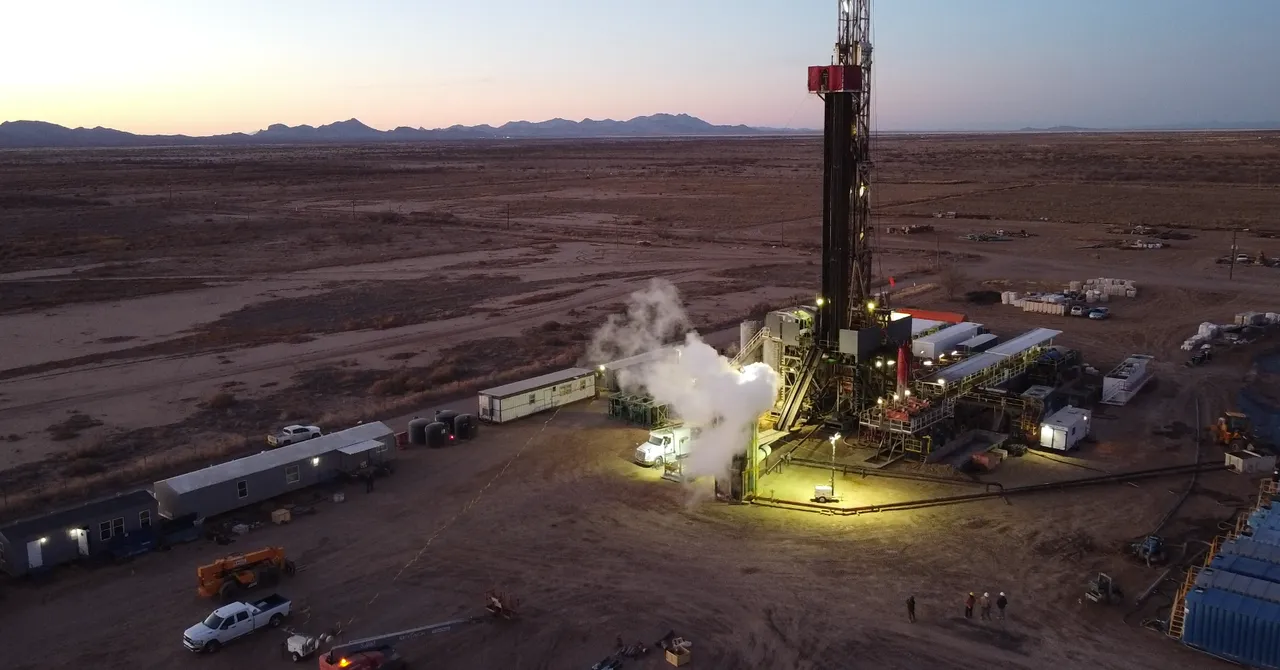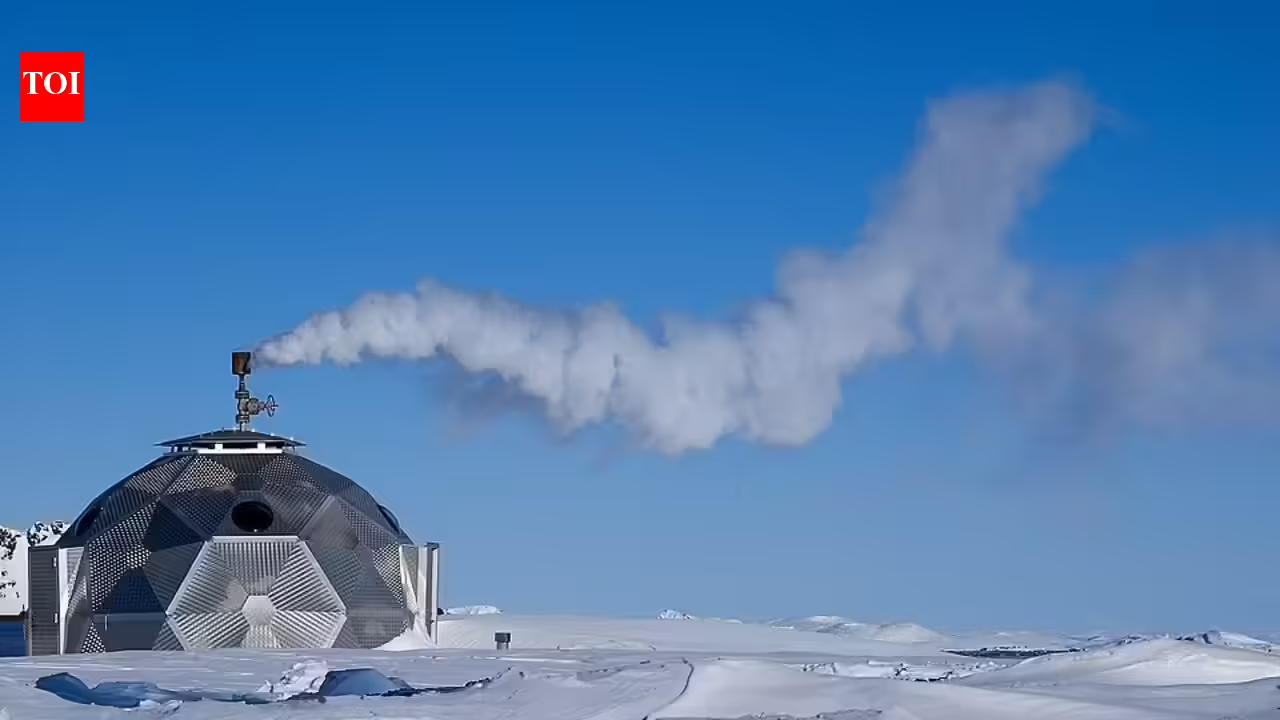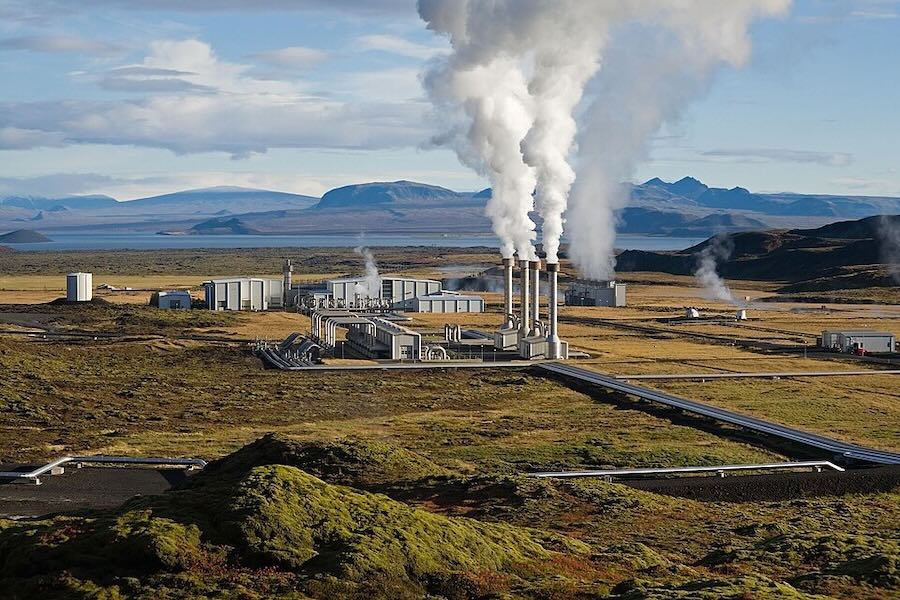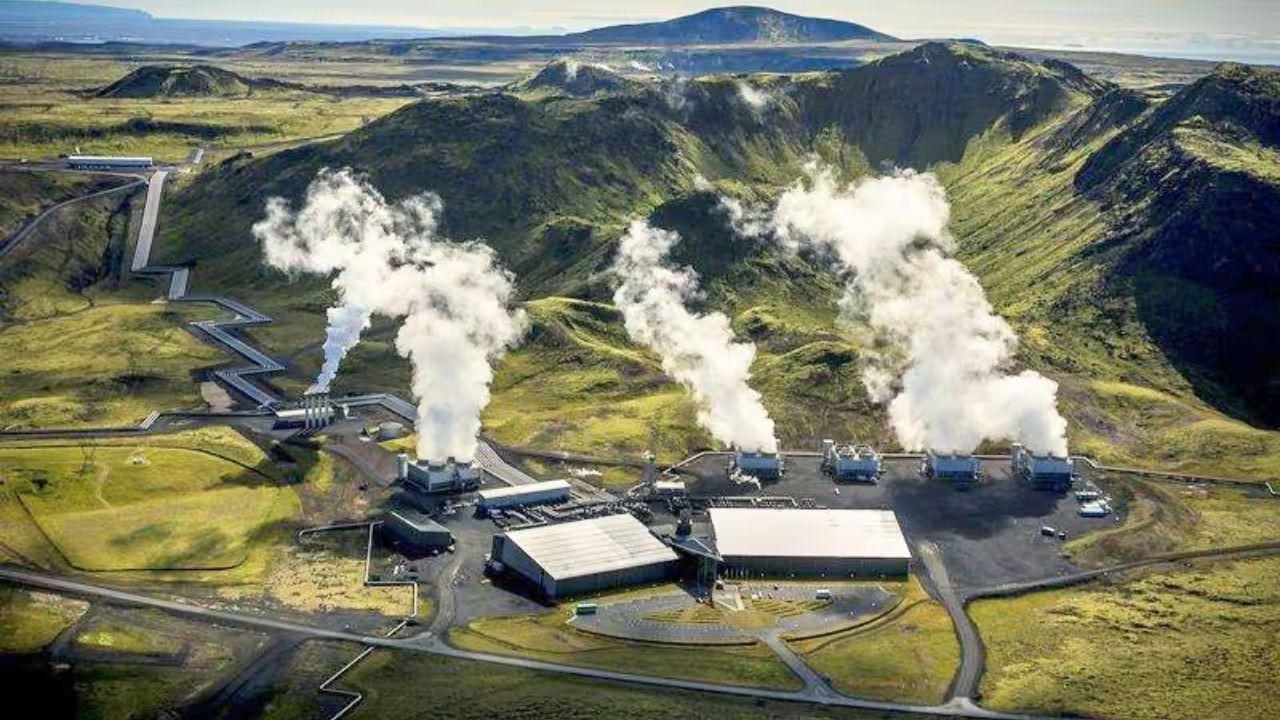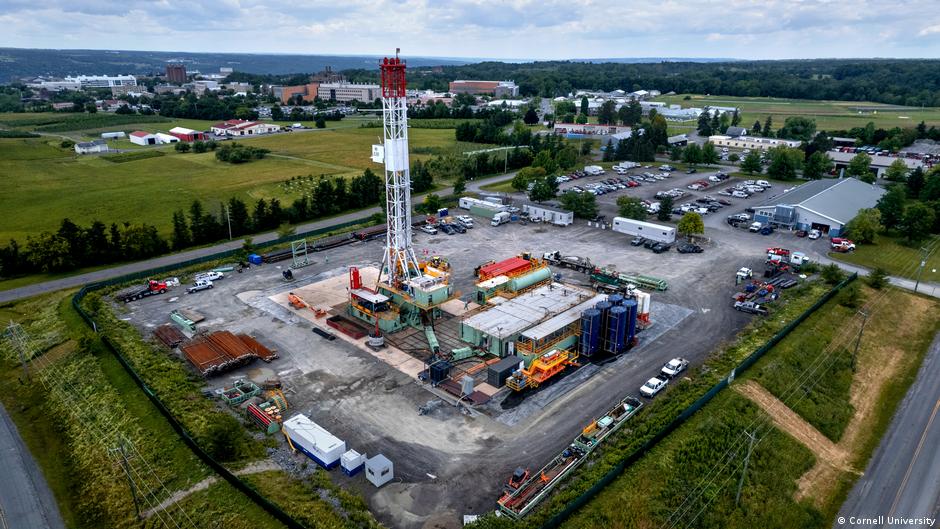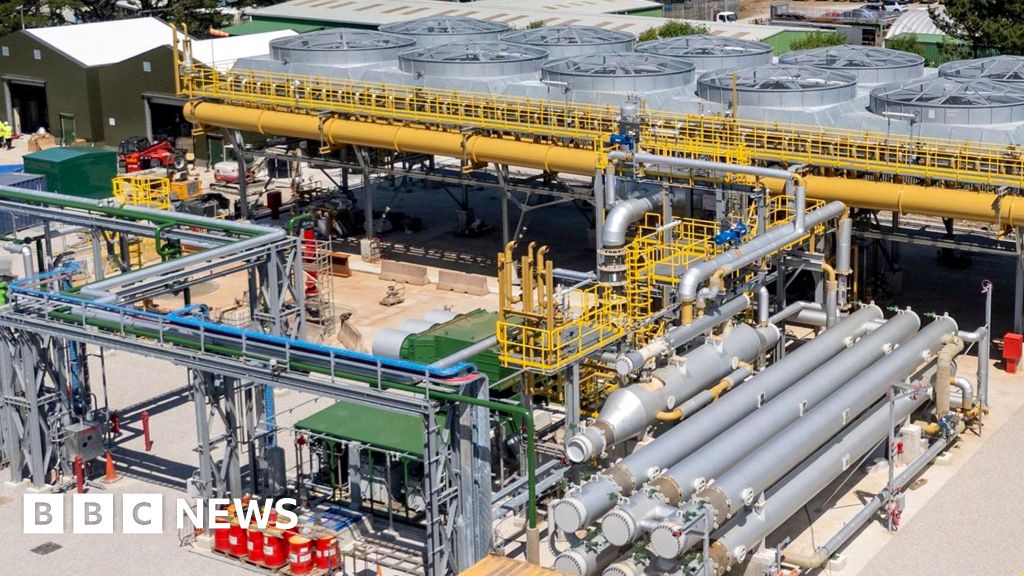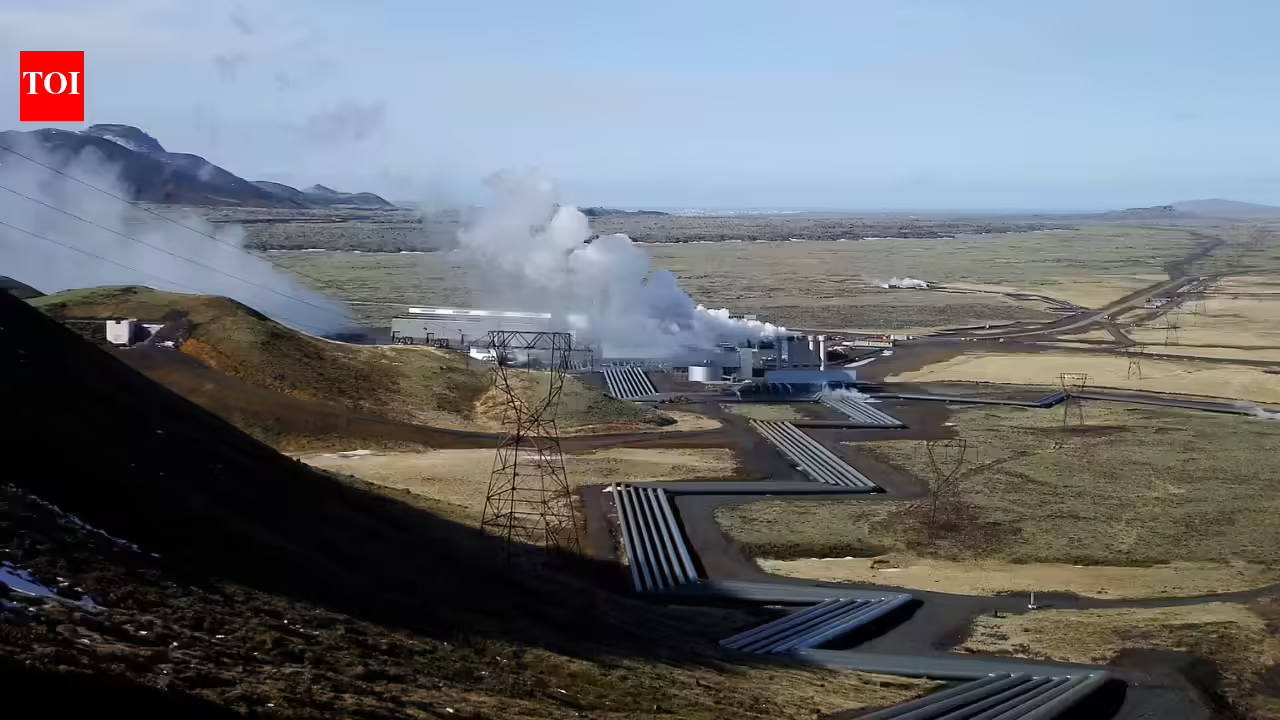
The Hellisheiði Power Station in Iceland | Wikimedia CommonsEarth’s interior stores an immense reservoir of heat, yet only a handful of countries have managed to turn that energy into a major source of electricity. The reason has never been a shortage of heat beneath the ground. It has been the difficulty of reaching it. Engineers are now developing drilling technologies that could make geothermal power practical in places that have never been considered suitable, opening the door to a form of clean energy that operates day and night without depending on sunshine or wind. The idea reflects a growing push to rethink geothermal energy as a global resource rather than one confined to volcanic regions. According to the International Energy Agency (IEA), geothermal remains one of the world’s least exploited renewable energy sources despite its ability to provide reliable, low-carbon electricity around the clock.The Hellisheiði Power Station in Iceland | Wikimedia CommonsWhy geothermal works in Iceland but not in most of the worldGeothermal energy plants need high temperatures, naturally fractured rock and water that can circulate through those rocks before returning to the surface as steam. Iceland has all three because it sits on the Mid-Atlantic Ridge, where volcanic activity keeps heat close to the surface. Similar geological conditions have allowed countries including Kenya, Indonesia, New Zealand and parts of the United States to build geothermal power stations. Much of the world lacks such natural reservoirs, making conventional geothermal projects expensive or technically challenging. According to the U.S. Geological Survey (USGS), the heat inside Earth comes from two long-lasting sources: residual energy left over from the planet’s formation about 4.5 billion years ago and the ongoing radioactive decay of elements within its interior. That heat exists beneath virtually every continent, but most of it lies too deep for today’s conventional drilling methods.A new generation of drilling could unlock deeper heatResearchers and energy companies are trying to overcome that barrier by developing technologies capable of reaching much hotter rock several kilometres below the surface. Instead of waiting for nature to provide ideal underground conditions, engineers are exploring enhanced geothermal systems (EGS), which create artificial pathways for water to circulate through hot rock before carrying the heat back to the surface. According to the U.S. Department of Energy’s Geothermal Technologies Office, EGS has the potential to expand geothermal energy well beyond traditional volcanic regions because it does not depend on naturally permeable reservoirs. Companies are also experimenting with new drilling methods inspired by the oil and gas industry. Massachusetts-based Quaise Energy is developing millimetre-wave drilling technology designed to melt and vaporize rock rather than relying solely on mechanical drill bits, while Fervo Energy has focused on combining horizontal drilling and advanced well stimulation techniques to improve access to underground heat. These technologies remain under development, but they represent one of the industry’s most closely watched efforts to expand geothermal power.Boreholes and pipes at the Hellisheidi Geothermal Plant | Wikimedia CommonsReliable electricity without waiting for the weatherOne of geothermal energy’s biggest advantages is consistency. Solar panels stop generating electricity after sunset, while wind turbines depend on local weather conditions. A geothermal plant, once operating, can produce electricity continuously because the heat beneath Earth’s surface is available around the clock. That reliability has drawn growing interest from governments looking to build cleaner power systems without relying entirely on weather-dependent renewable sources. The IEA says geothermal can complement wind and solar by providing stable electricity for national grids while producing very low operational greenhouse gas emissions. Engineers still face substantial challenges, including drilling costs, operating equipment at extremely high temperatures and proving that next-generation systems can compete economically over decades. Those hurdles will determine how quickly the technology expands beyond existing geothermal hotspots.If the latest drilling techniques succeed, geothermal energy could shift from a niche technology concentrated in volcanic regions to a much broader source of clean electricity. Rather than replacing wind or solar, it could provide the steady supply of power needed when weather conditions change, giving many more countries access to an energy source that has existed beneath their feet all along.
Scientists say Earth’s underground heat could power humanity for generations: New drilling ideas could bring geothermal energy far beyond Iceland
Earth’s interior stores an immense reservoir of heat, yet only a handful of countries have managed to turn that energy into a major source of electricity. The reason has never been a shortage of heat beneath the ground.
679 words~3 min read