The PosHYdon pilot has produced green hydrogen offshore in the North Sea, while new waste-to-hydrogen, electrolyzer and hydrogen corridor projects advance across Europe and South Korea. The developments highlight growing investment in renewable hydrogen production, infrastructure and localized supply chains.
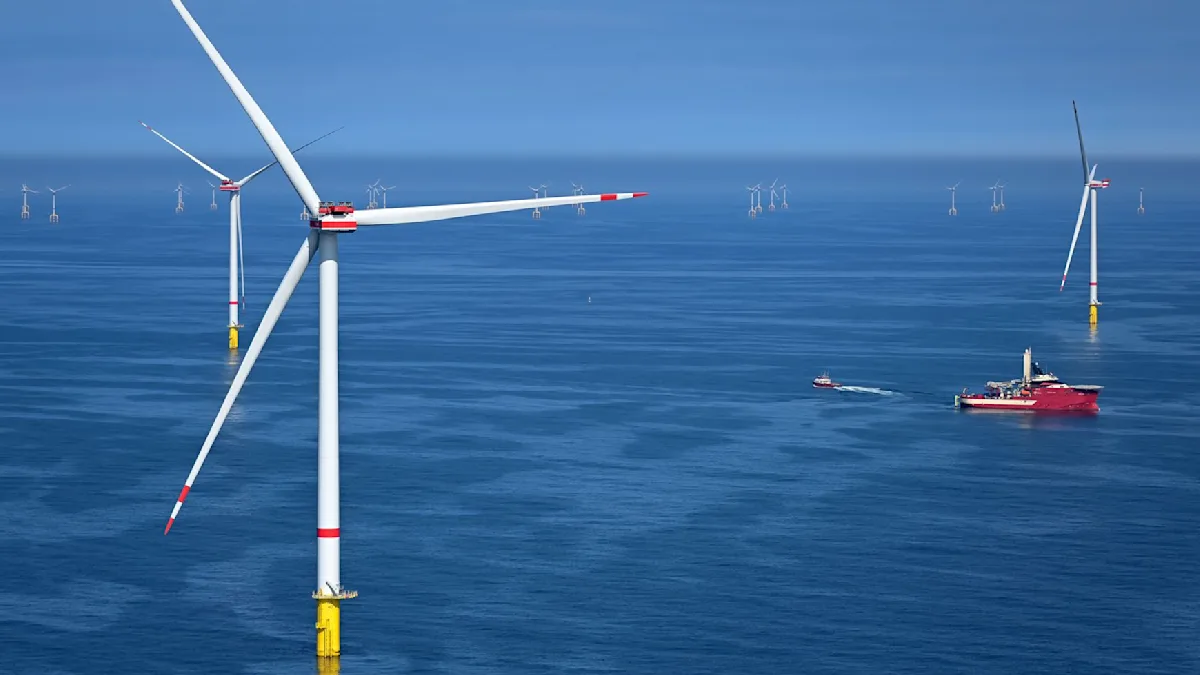
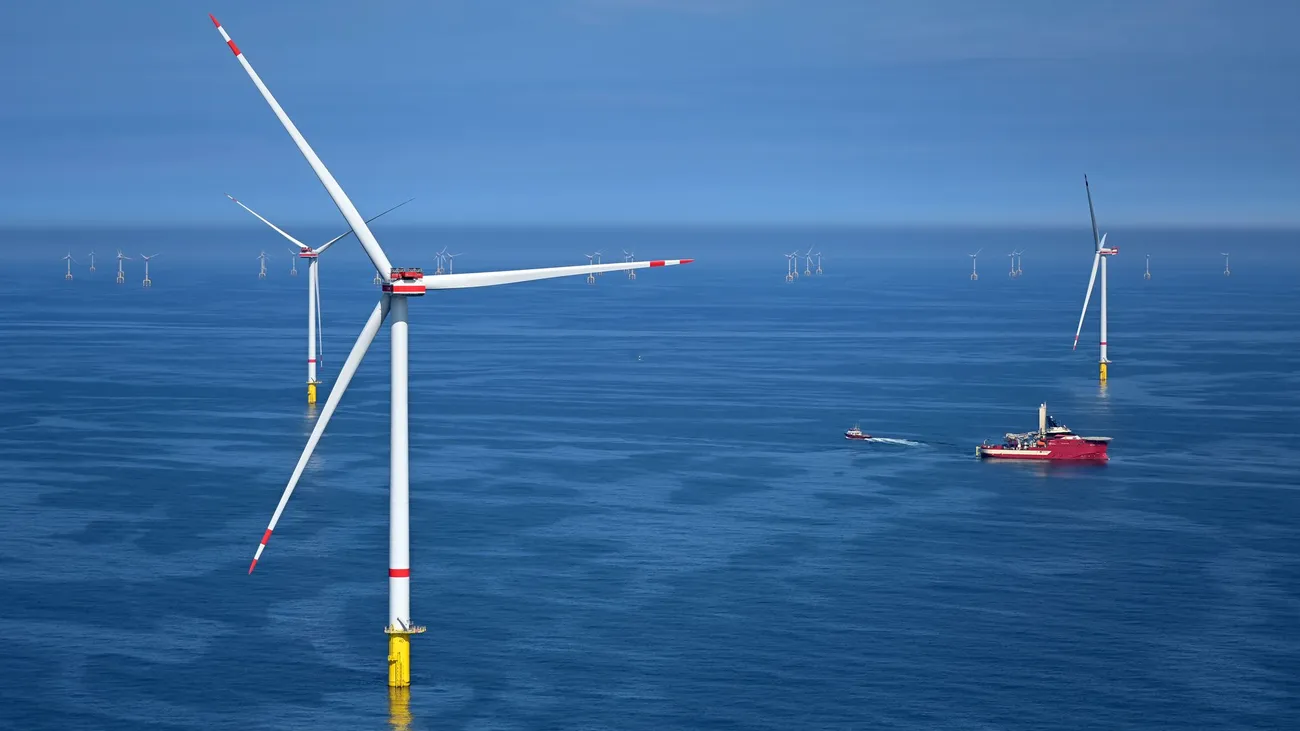
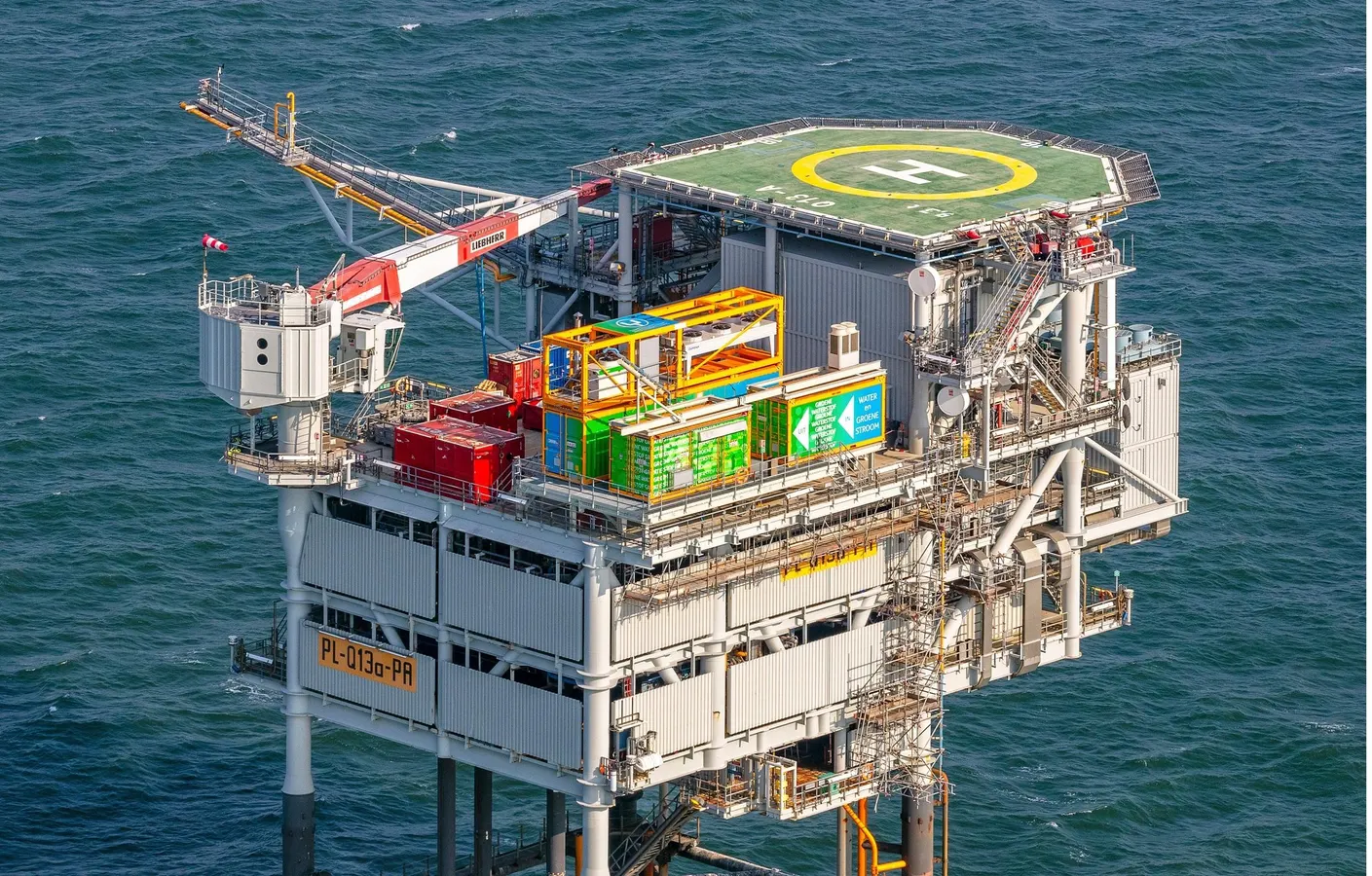
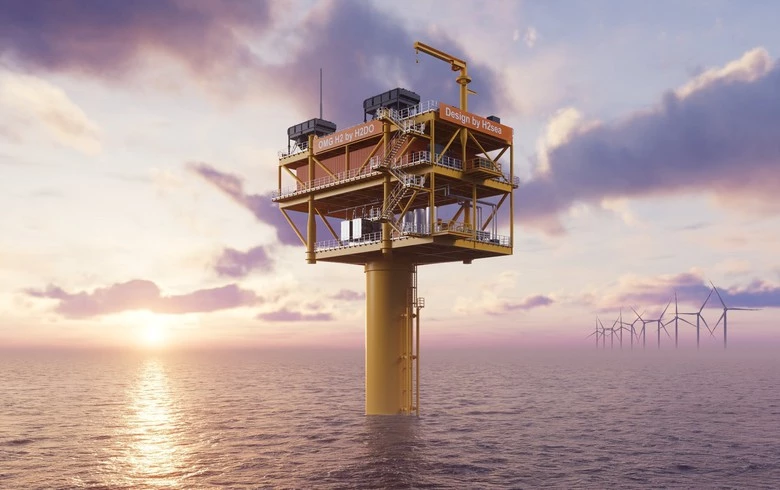
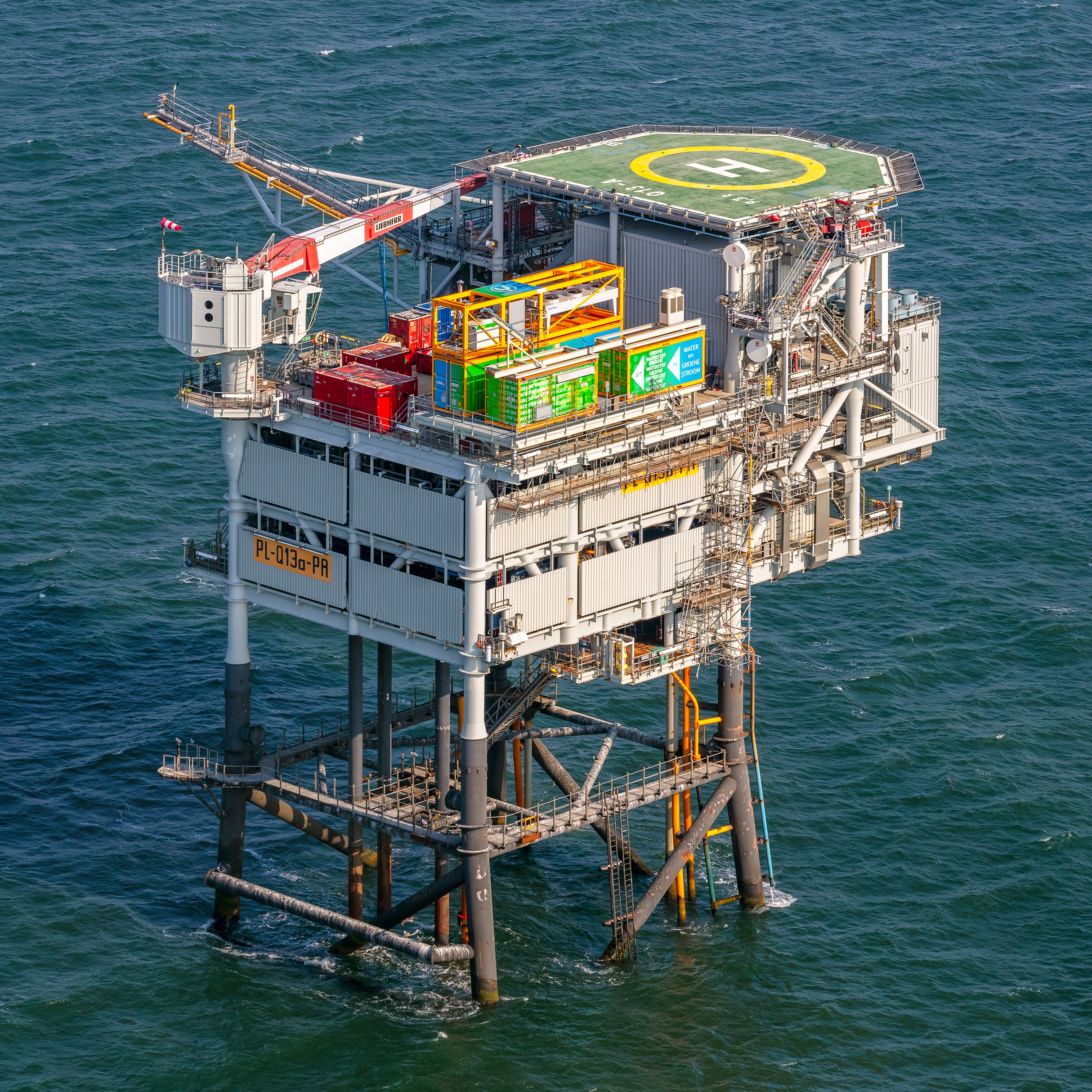
The PosHYdon pilot project, the world’s first initiative to combine offshore wind power, natural gas production and offshore hydrogen production, has produced green hydrogen on the Q13a-A platform in the North Sea, operated by Eni Energy Netherlands. Located about 13 km off the coast of Scheveningen, Q13a-A is the first fully electrified production platform in the Dutch sector of the North Sea. The platform converts seawater into demineralized water, which is then used to produce hydrogen via electrolysis powered by offshore wind energy. PosHYdon is backed by DEME, EBN, Eneco, Emerson, Gasunie, Hatenboerwater, Investa Expertise Centrum, IV Offshore & Energy, Nel, Eni, Nexstep, NGT, Nogat, TAQA and TNO.
Hyundai Motor Group has opened Htwo Energy Cheongju, its first integrated waste-to-hydrogen (W2H) production and refueling facility, establishing a localized hydrogen production ecosystem in Cheongju, South Korea. “The facility represents a breakthrough for Htwo’s W2H business, transforming regional waste streams into hydrogen while reducing supply chain costs compared with hydrogen transported from distant coastal areas,” the company said.