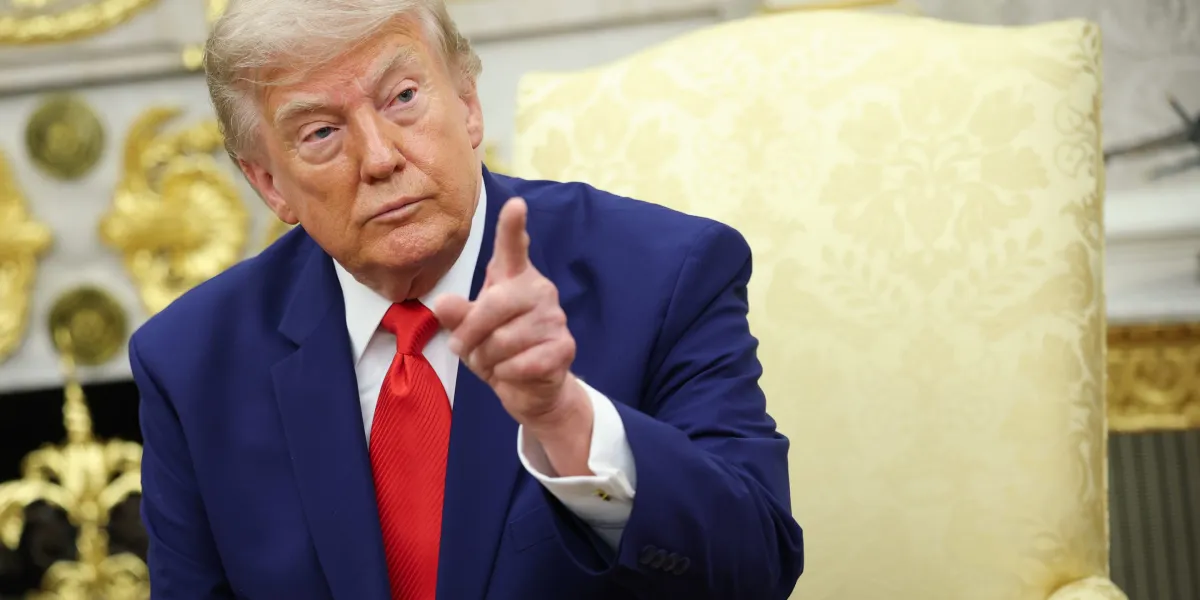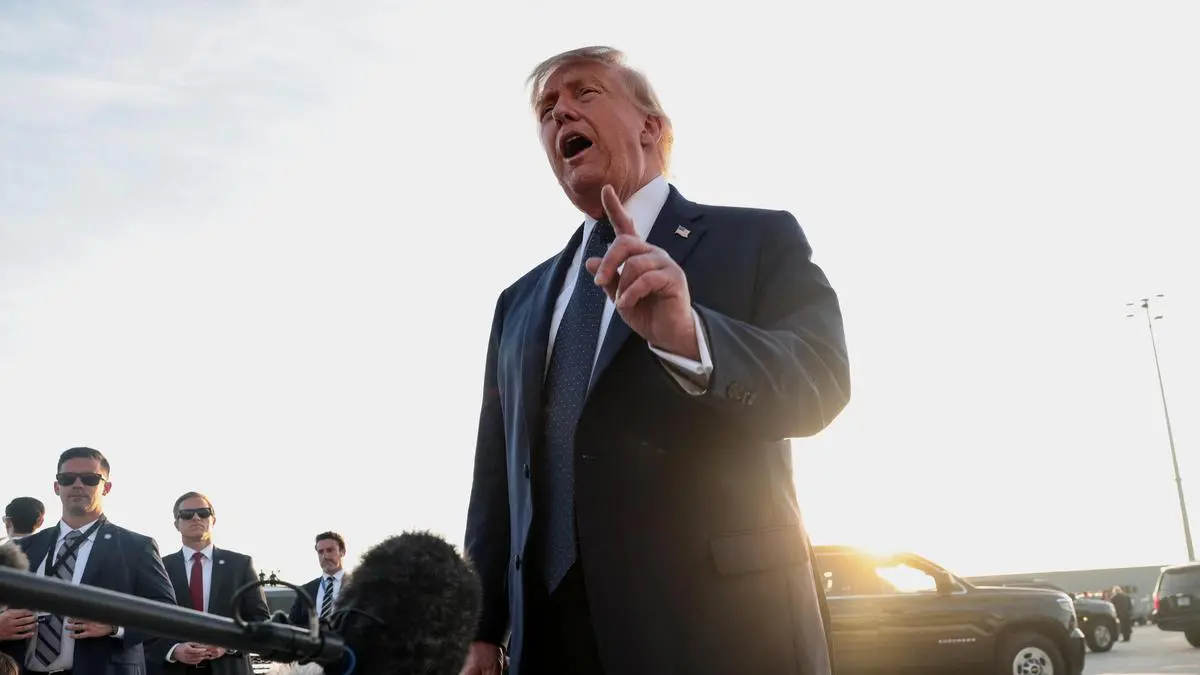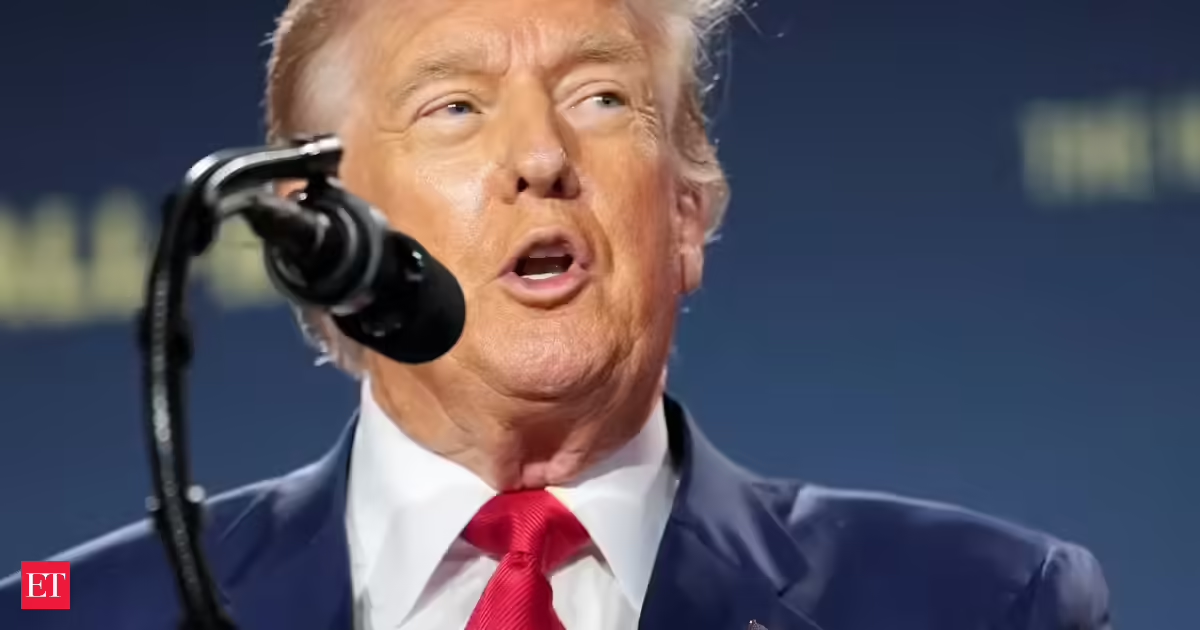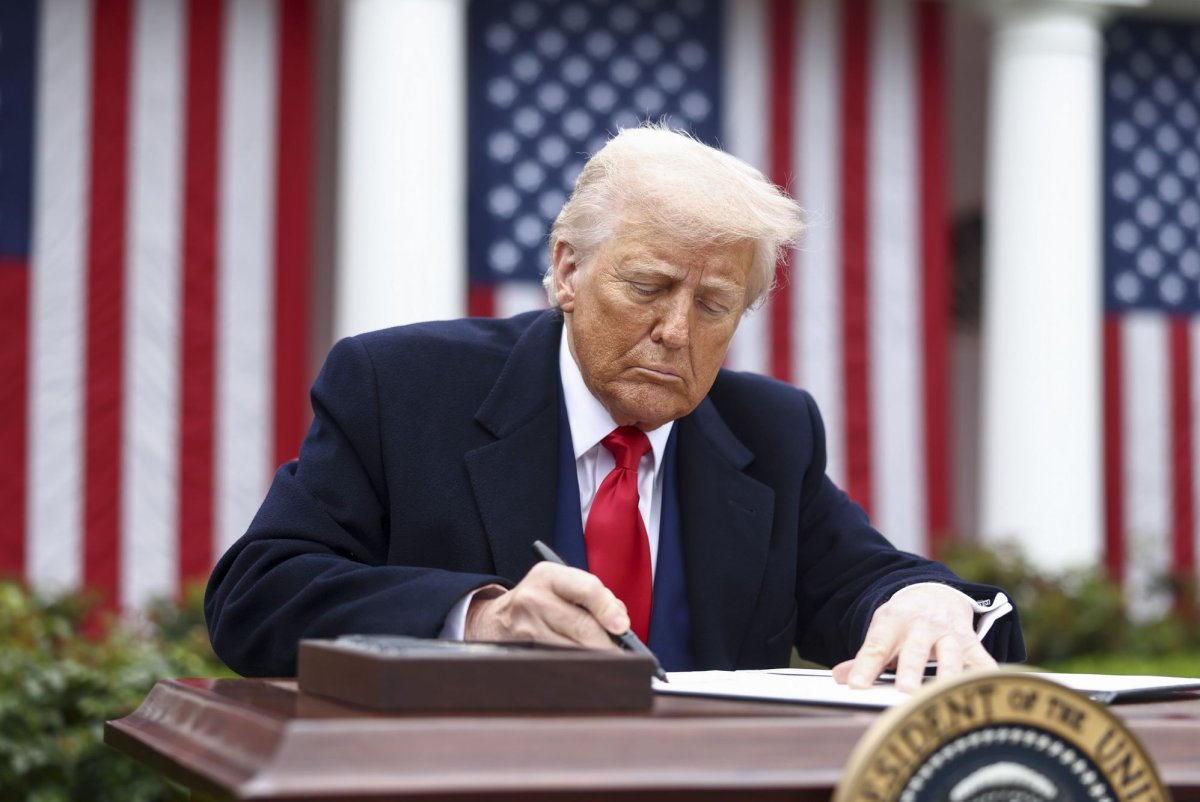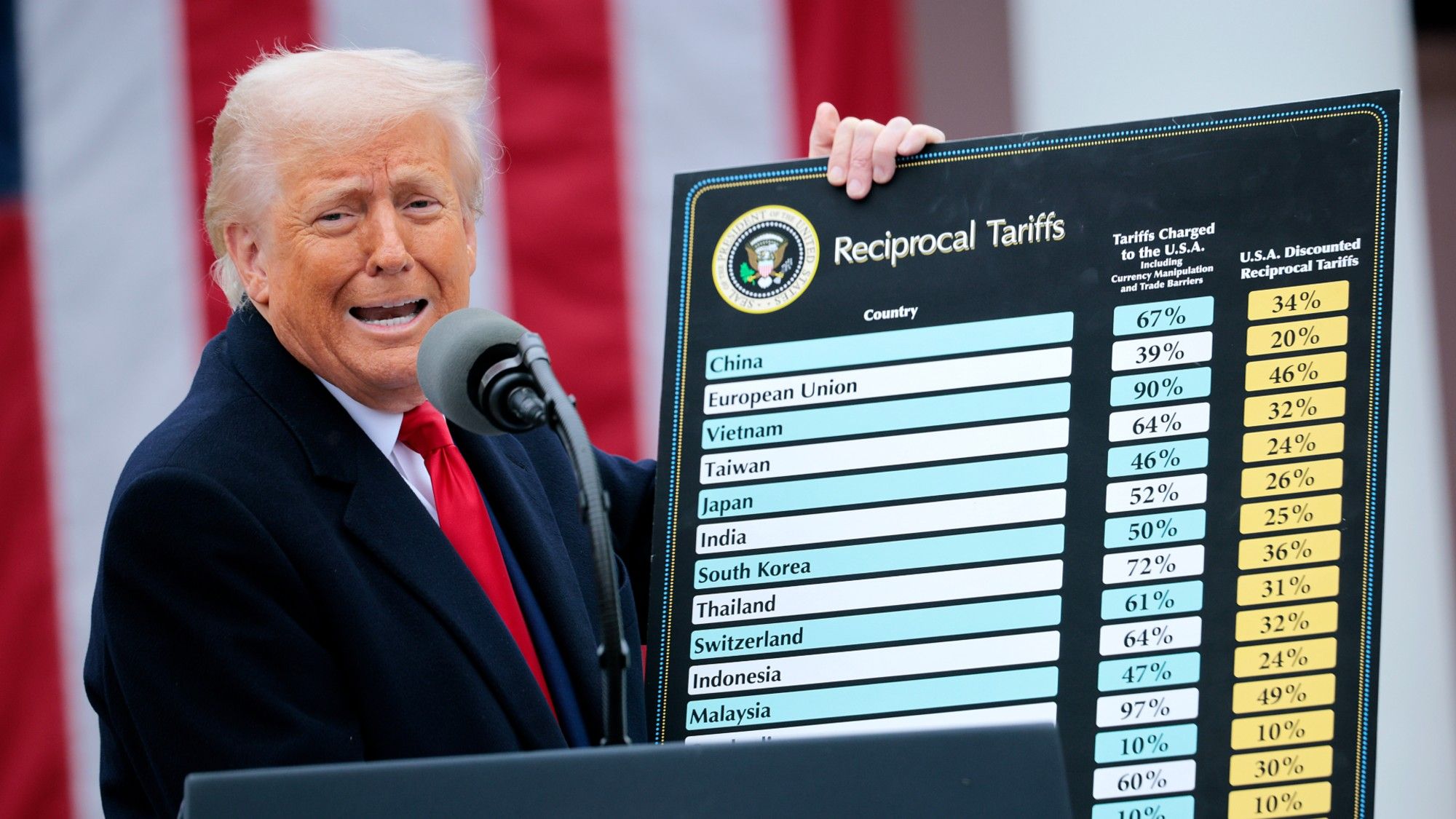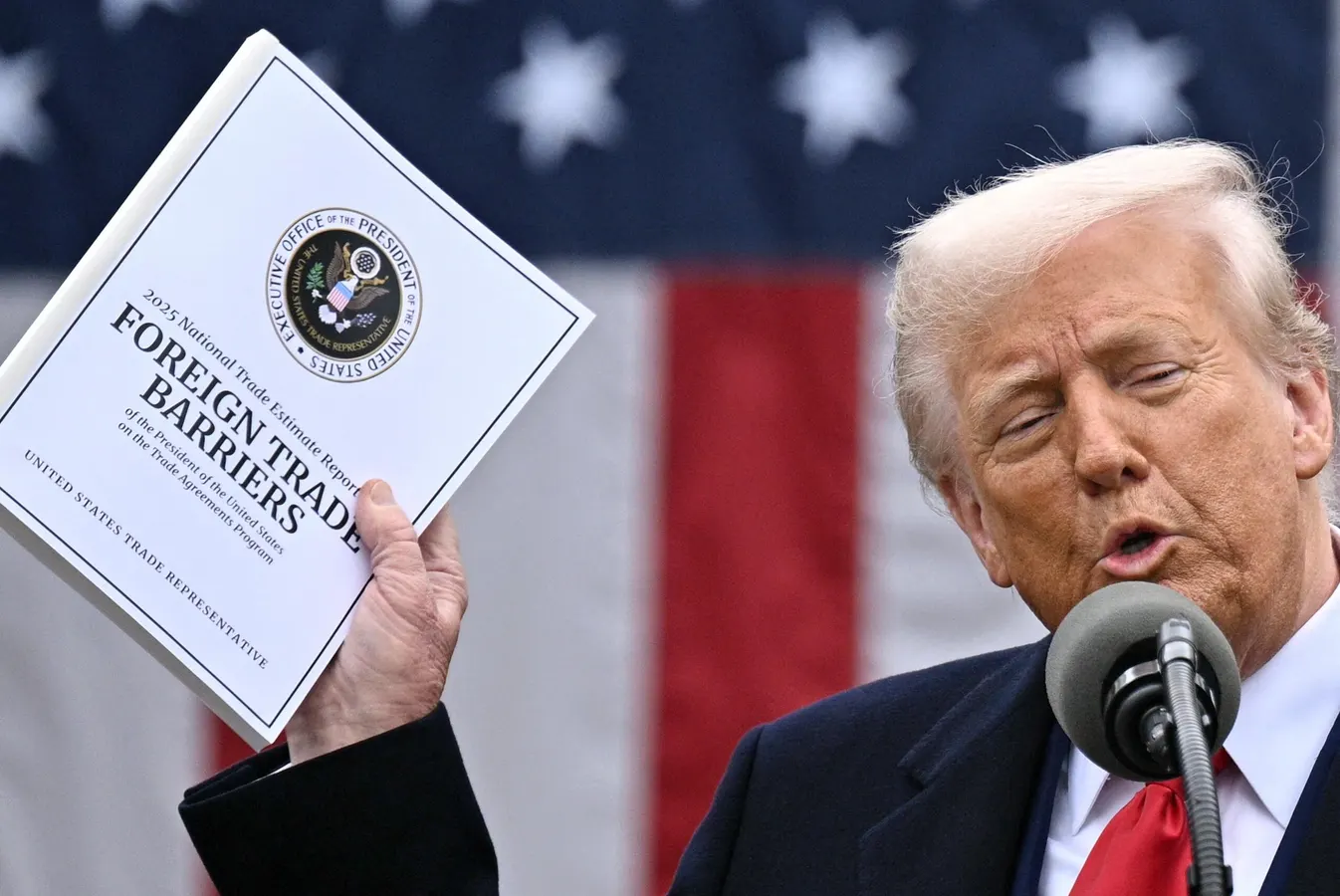
US President Donald Trump delivers remarks on reciprocal tariffs during an event in the Rose Garden entitled "Make America Wealthy Again" at the White House in Washington, DC, on April 2, 2025. (Photo by Brendan SMIALOWSKI / AFP) (Photo by BRENDAN SMIALOWSKI/AFP via Getty Images)AFP via Getty ImagesThe U.S. government’s customs duties receipts showed a negative balance of $25.6 billion in June as tariffs paid by importers under the International Emergency Economic Powers Act are being reimbursed. The tariffs imposed on a country-by-country basis were struck down by the Supreme Court in February. A total of $166 billion is to be returned, as estimated by the Tax Foundation, which is the equivalent of approximately three quarters of tariff revenue the government collected between Liberation Day in April 2025 and February 2026.Data from the Department of the Treasury shows that May already saw tariff income and outlays nearly balance each other out. Between June 2025 and the SCOTUS ruling in February, monthly tariff revenue in the U.S. had stood at between $27 billion and $31 billion per month, resulting in tariff receipts of around $195 billion for the fiscal year of 2025 ending in September.This chart shows monthly customs duties net receipts in the U.S. (in billion U.S. dollars).StatistaThis amount — even if the government could keep it all — would still only make up 3.7% of government receipts in FY2025, up from around 2% the year before. In a year where a full 12 months of Trump administration tariffs would be collected (not just six) revenues from them could therefore potentially rise to about 6% of government receipts.At the same time, however, tariffs were responsible for a tax increase of $1,000 per household in 2025 as their cost gets passed on to consumers. They are additionally projected to lower GDP by 0.6% and cost the country around 450,000 full-time equivalent jobs in the long run. Trump’s declared goal to bring manufacturing back to the U.S. via tariffs has not yet materialized as manufacturing construction continued to decrease in the United States.MORE FOR YOUReplacement Tariffs AnnouncedDespite legal challenges and unclear benefits, the Trump administration is determined to keep up its tariff regime. It placed new global duties of 10%-12.5% on more than 80 countries today as stopgap measures to collect these tariffs expired. U.S. leadership alleges that the nations in question have not done enough to stop forced labor and that products made under these conditions reach the United States as a result despite the country’s ban on their imports.The rules rely on section 301 of the Trade Act of 1974 after stopgap measures deployed in February had already used this law. Another 301 investigation accusing Brazil of unfair trade practices led to a separate tariff of 25% on many Brazilian goods which came into effect Wednesday, while a 50% tariff on a list of Canadian imports to go live in August is based on section 338 of the act.Brazil and Canada are both affected by two new Trump administration tariffs each, which do stack up, as will another slew of tariffs expected to be announce soon. These are based on yet another section 301 investigation saying that 15 countries and the European Union use excess capacity in manufacturing to unfairly target the United States.Goods like aluminum, steel, copper, automobiles, trucks and their parts, lumber, timber, semiconductors and, starting July 31, pharmaceuticals are not subject to tariff stacking and are taxed on import under ruled based on section 232 of the Trade Act alone. These tariffs have so far evaded major legal challenges and have stayed in place since coming into effect over the course of 2025 and early 2026, even though several amendments were made and exceptions were added.
Trump's Tariff Revenue Turns Negative Due To Refunds
The Trump administration had to return three quarters of its tariff revenue collected as of February, but still renewed global tariffs of 10-12.5% on yet another legal basis.
619 words~3 min read