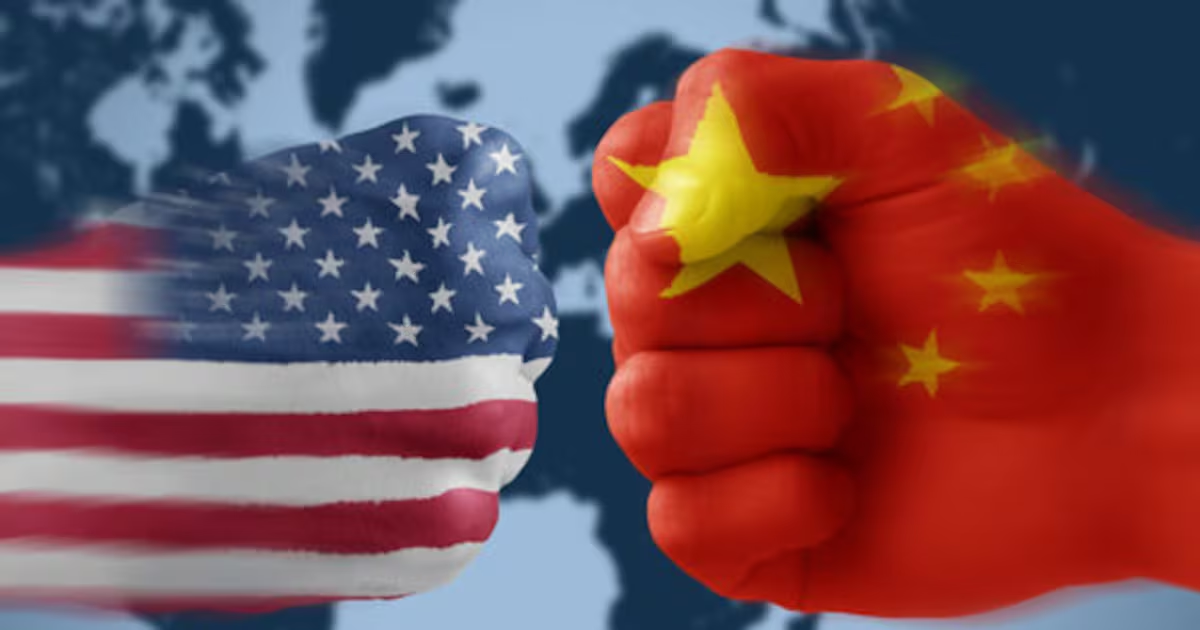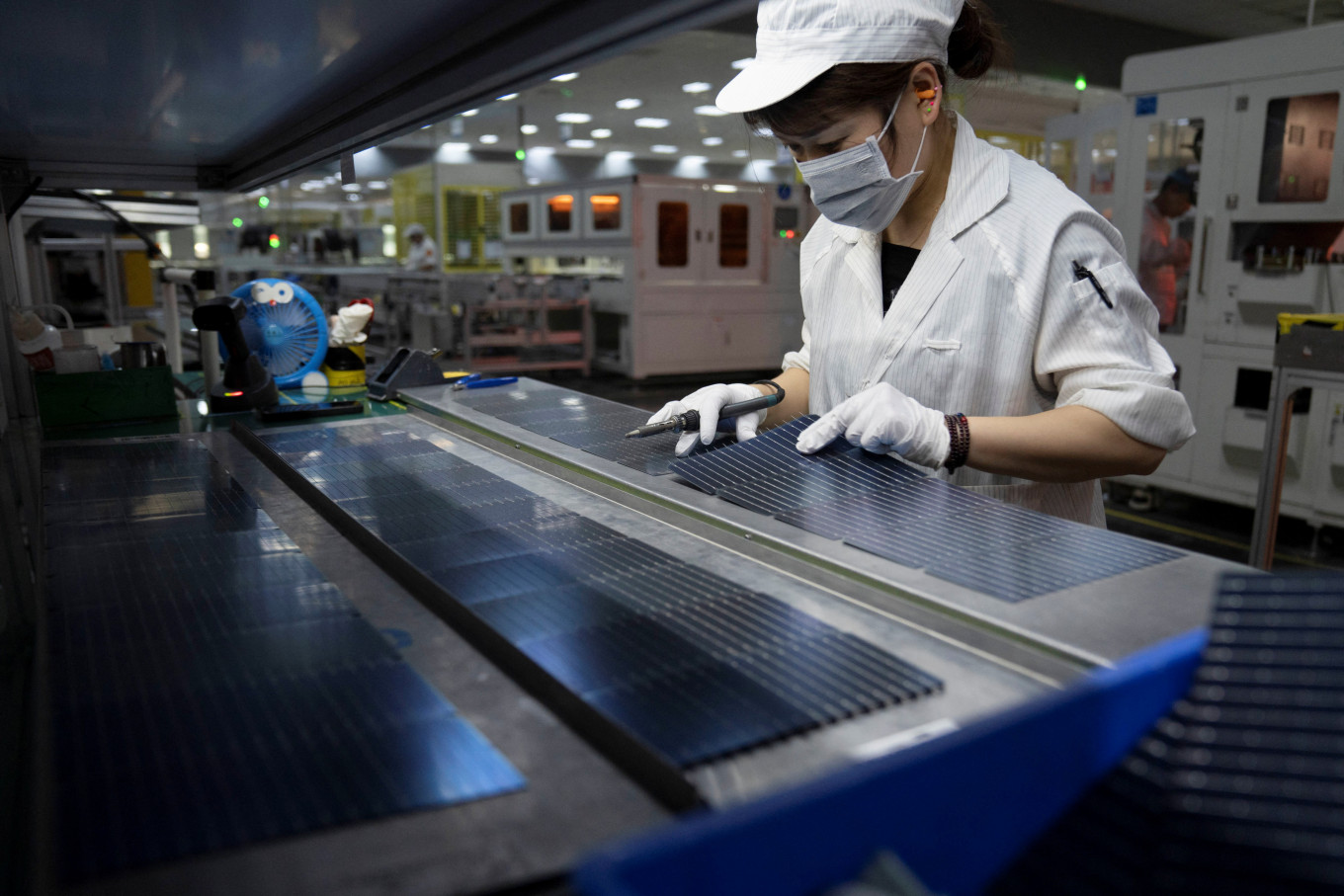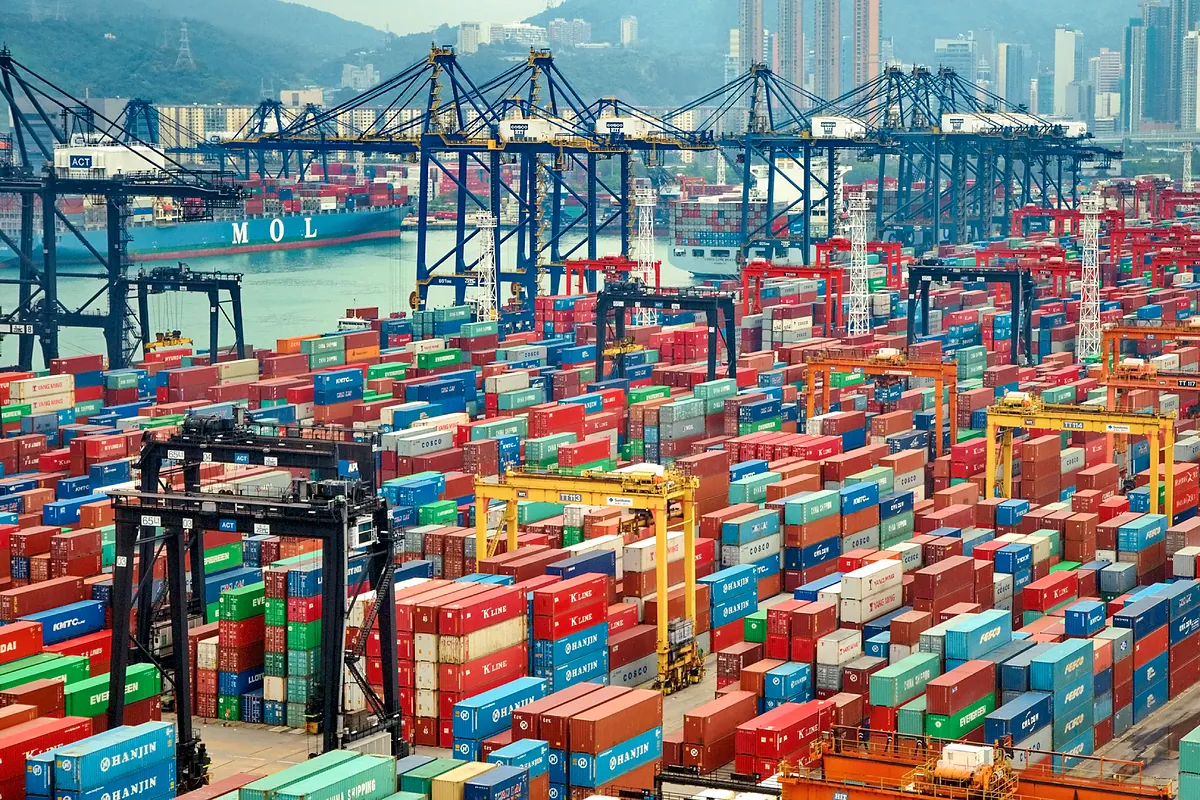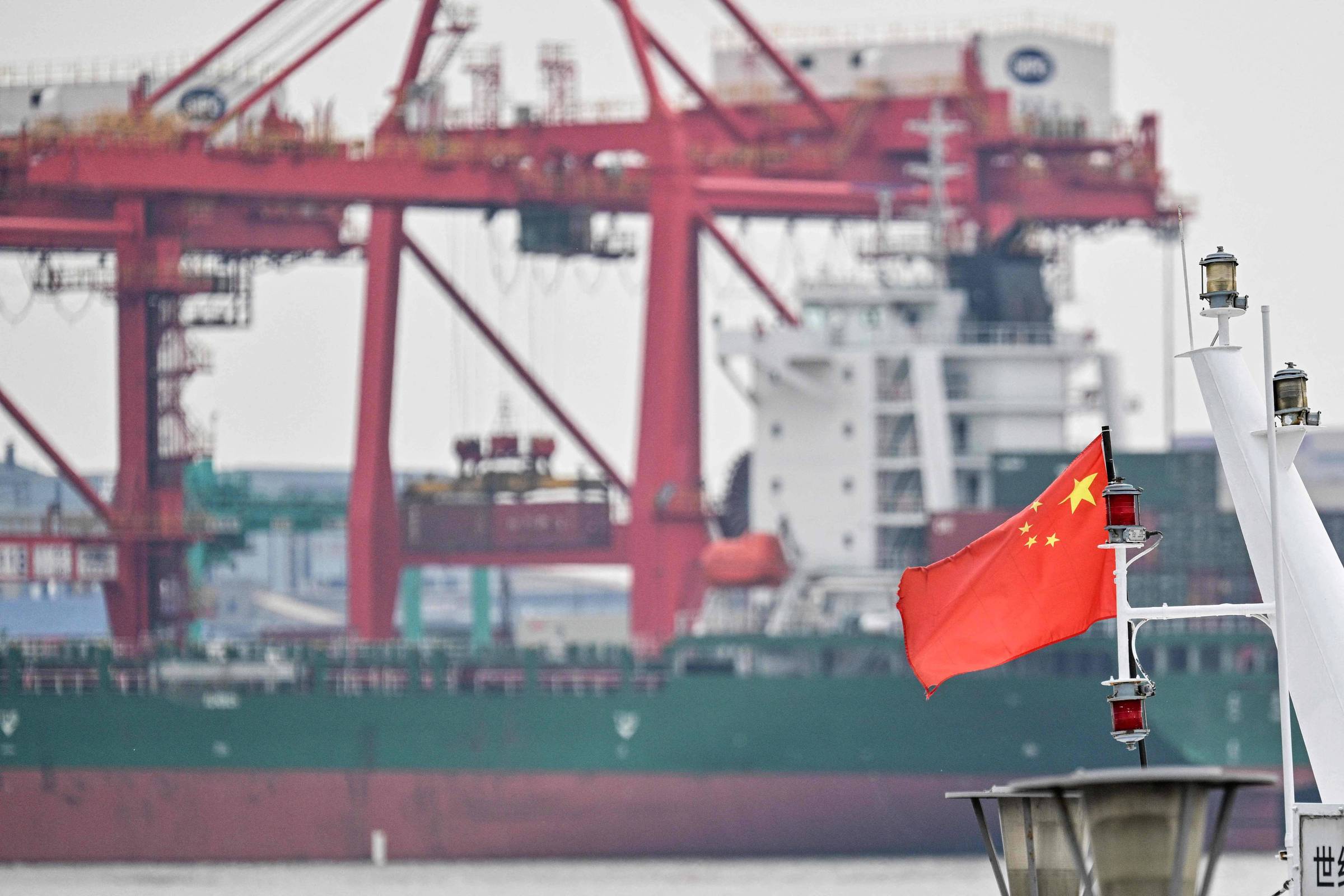
China has embraced dependency on exports as the cornerstone of its economic policy. Mercantilism benefits the Chinese Communist Party and its absolute ruler, Xi Jinping. But it damages the domestic economy and reduces the prosperity of its people. Moreover, Chinese mercantilism harms the global economy, including the economy of the United States.Chinese mercantilism is characterized by a persistent drive to generate massive trade surpluses with individual countries and with the global economy as a whole. Chinese export industries receive heavy state subsidies as part of an aggressive industrial policy designed to dominate global manufacturing. Through currency management and a relentless pursuit of global market share regardless of cost, China increases its power. For example, China uses its dominance in rare earth minerals and critical metals to influence U.S. policy toward Taiwan and other issues where American and Chinese interests diverge.In Europe, Chinese export policies are undermining the continent’s iconic automobile industry. China uses the leverage of its vast domestic market to persuade Germany, a country that embraced mercantilism for decades, to keep its markets open to Chinese exports. As China gains market share in Germany, its political influence over Europe’s largest economy increases.
China's export mercantilism is bad for everyone
China's export mercantilism is damaging the international economy and holding back the living standards of the Chinese people.
621 words~3 min read