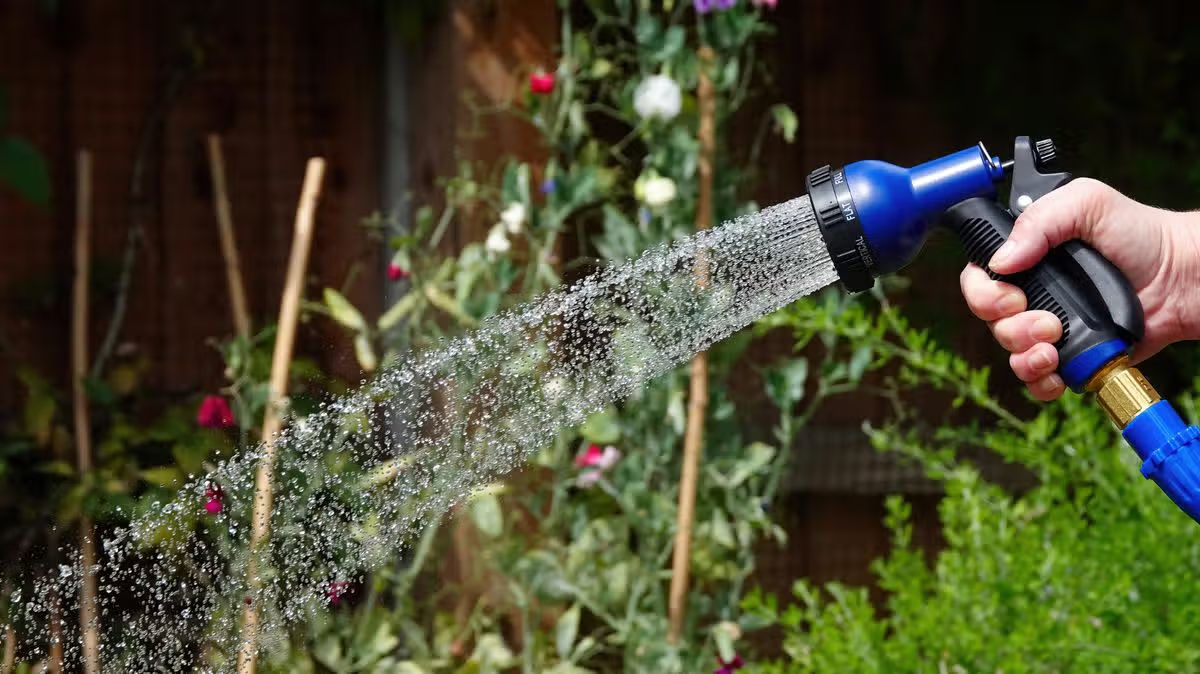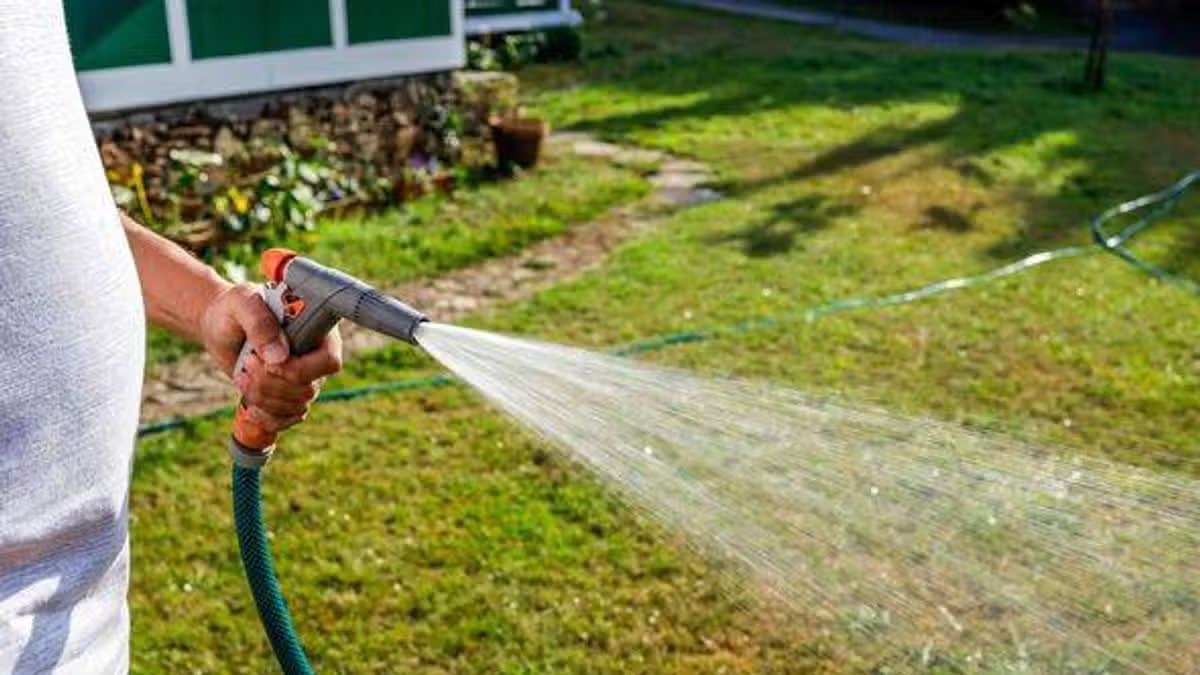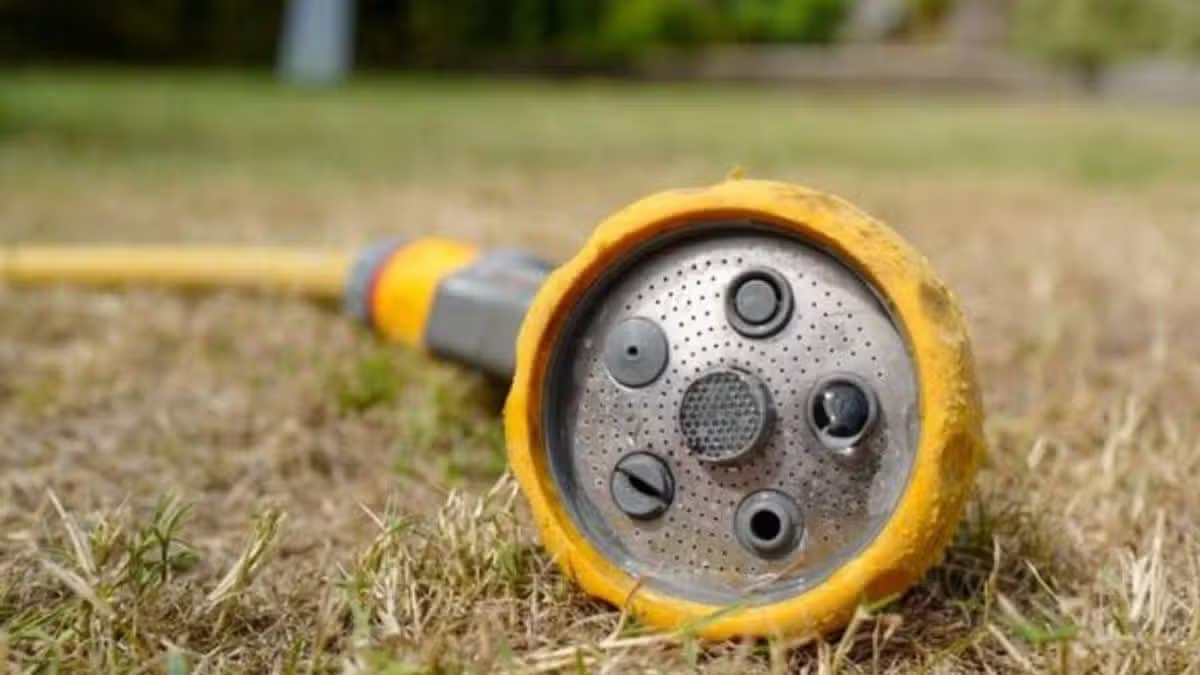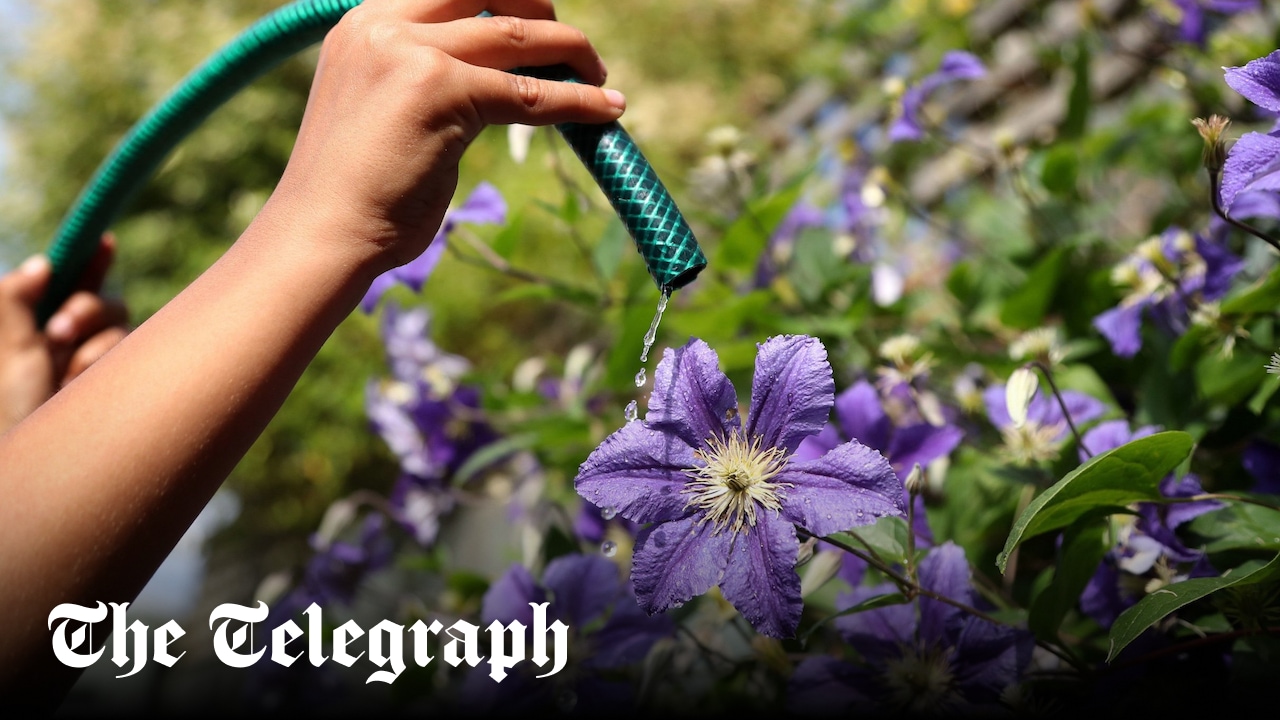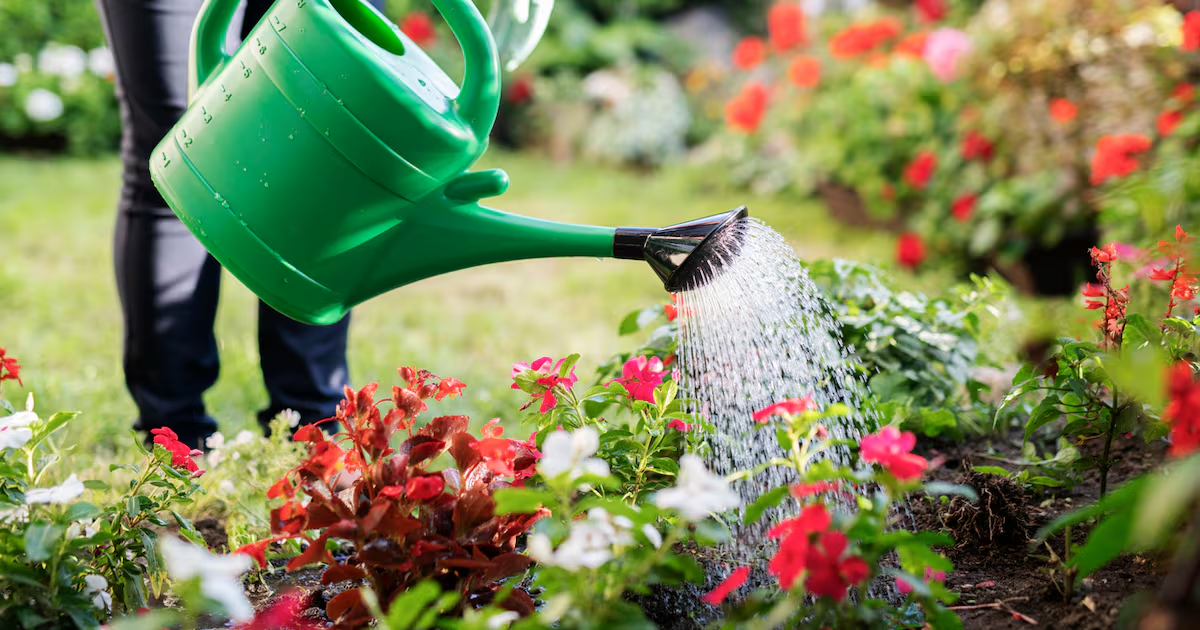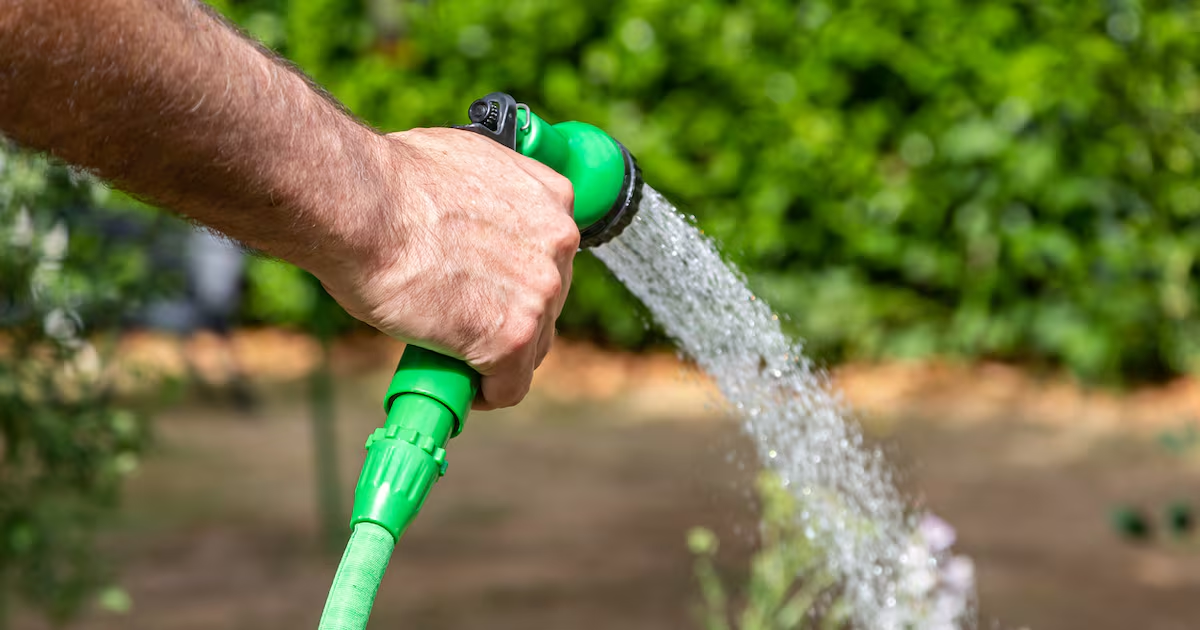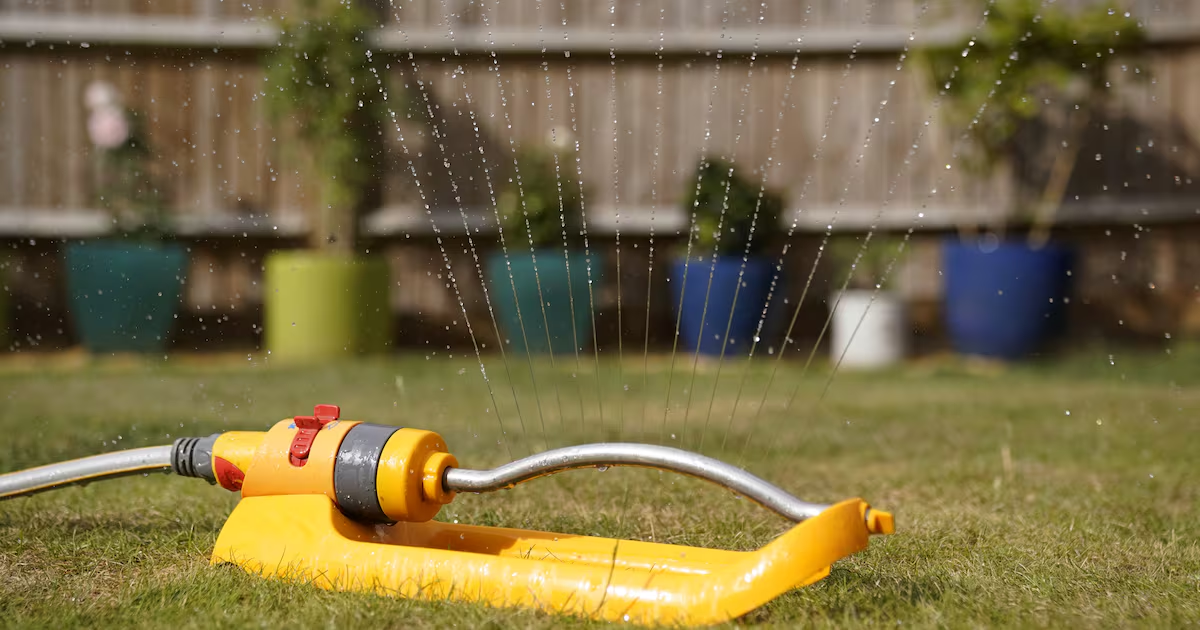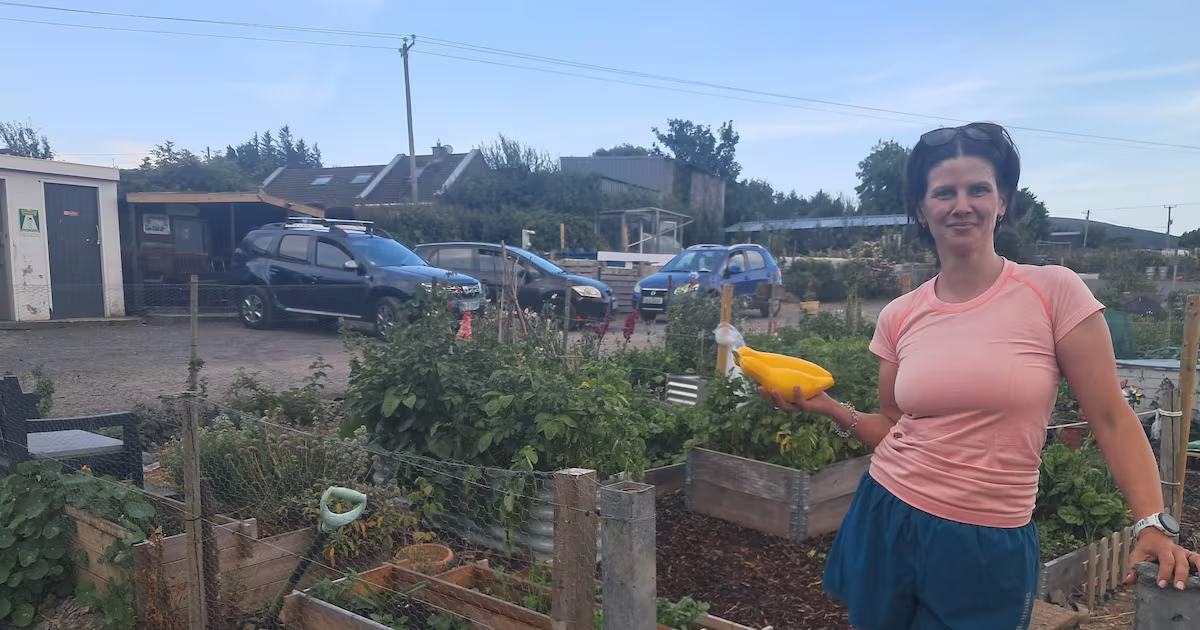
As the country baked in another week of sunshine, the hosepipe ban has just been extended nationwide.For many, the water conservation order – in place until August 26th – is associated in most people’s minds with back gardens and residential driveways. While it is designed to curb paddling pools being filled and cars being washed, it has placed a whole other group of people under restriction: allotment owners.Unlike commercial growers and businesses, these private crop-tenders must resort to the watering can and the long trek from the tap if they want to keep their plots alive.Feebee Foran runs the GrowAllot programme at Bohernabreena Allotments near Tallaght in south Dublin, which pairs 10 winning applicants each year with a plot on which they can grow. It is run in conjunction with the allotments’ owner, Jimmy Phibbs.She says the dry spell – and now the hosepipe ban – has made the business of tending to crops much more difficult.“It’s tough to be quite honest,” she says.Foran says the hosepipe ban has turned “what was a 20-minute job into an hour and a half one”.“I’d be going up every second day to water my plot – the potatoes drink a lot of water, the vegetables drink a lot of water – you have to keep on it all the time,” she says.“It depends on someone’s ability to access the water or how much time they have to be going back and forth with watering cans. Some people have much bigger plots than others”.Stefan Brindusoiu must now resort to the watering can and the long trek from the tap if he wants to keep his plots alive. Photograph: Paul Colgan Many allotment owners are older people in their retirement years, and this time is particularly difficult.“Say for someone who has arthritis in their hands, holding a watering can becomes very very hard – it might contain 10 or 15 litres of water. Somebody who might be infirm, who is having to go up every second day and fill watering cans, they will experience a loss of their crops because they aren’t able to do it,” she adds.The past-time has grown in popularity; there are about 2,500 allotments in use here. Evening pursuitWith food security and concerns about carbon footprints driving interest, legislation was enacted this year requiring local authorities to set aside land for allotments.According to Foran, the watering of plants on allotments is primarily an evening pursuit – and it is not recommended in harsh sunlight.Arriving up to the allotments at Bohernabreena on a sunny Wednesday evening, The Irish Times encounters four people ensuring their crops are well watered.Hana Yeomans is filling two watering cans from a tap at the top of the allotment. She says she is “one of the lucky ones”, pointing to a patch 10 yards away.“You have to be here more often to make sure the plants get enough water and also, obviously, the crop grows much faster,” she says.[ What can’t I do under a hosepipe ban and how often are people fined or convicted?Opens in new window ]Hana says their community is trying to ease the burden on older keepers.“When we can, we try to do the entire [allotment] with the watering cans - it’s a little bit more burdensome,” she says.Nearby, Stefan Brindusoiu is looking after strawberries, potatoes and tomatoes. A newcomer to the world of allotments, he started growing here five months ago. Commuting from work in Blanchardstown, west Dublin, he says watering takes a big chunk of his evenings. The drive up the other side of the city can be “challenging”.Stefan Brindusoiu is looking after strawberries, potatoes and tomatoes. A newcomer to the world of allotments, he started growing here five months ago. Photograph: Paul Colgan “It’ll take an hour to water this patch. The hose pipe would take 10 minutes, but it’s fun,” he says.“You can use it to feel better and to connect with people who also love nature.” As they continue to go without rain, these allotments are just 10 minutes from one of Dublin’s most historic reservoirs: Bohernabreena Reservoir.Constructed first in the 1880s, the reservoir still supplies about 35,000 households in the southern central part of the city. Water is taken from the mountainous location to a water treatment plant in Ballyboden before being made ready for drinking. During this dry spell, the levels there and at other large reservoirs have dropped precipitously.Ireland is particularly reliant on surface-water for its drinking supplies, and any period of drought has a big impact.According to Uisce Éireann, the imposition of a ban until August 26th is critically important to protect drinking water supply.However, there are exemptions. Golf courses are still permitted to turn on sprinklers at night to keep greens and fairways in top condition. So too are gardens which are open to the public and operate on a commercial basis. “Generally, if water use is part of a commercial activity, it is not within the scope of the [water preservation] order,” said a spokesperson. Reduce non-essential consumptionWhile they do not fall under the order, Uisce Éireann still wants businesses and sports clubs “to use water responsibly and to reduce non-essential consumption wherever possible”. At Bohernabreena, Foran says the challenges imposed by the ban are unlikely to dim the undoubted enthusiasm and demand there is for access to allotments.However, she admits it has made her job of promoting them a tad more difficult.“I’d say 98 per cent of applicants who want an allotment want it for mental health reasons,” she says. “For example, older people who have retired and feel they don’t really have an identity without a job; they feel the need to find a community perhaps.”Others want allotments to teach their children about how food is grown.“There are people who want to be in control of where their food comes from,” she says. “They don’t want to buy cheap food from abroad, and they want to reduce their carbon footprint.”The hosepipe is “not the end of the world”, she adds.“it just makes the process a lot harder.”With a laugh, she adds: “You spend all your time telling them it’s so easy to grow your own – but then something like this happens and it becomes a bit of an ordeal.”
‘It’ll take an hour to water this patch’: hosepipe ban brings heavy lift for allotment owners
The six-week hosepipe ban has been extended nationwide, forcing allotment owners to turn to the watering can
1,039 words~5 min read