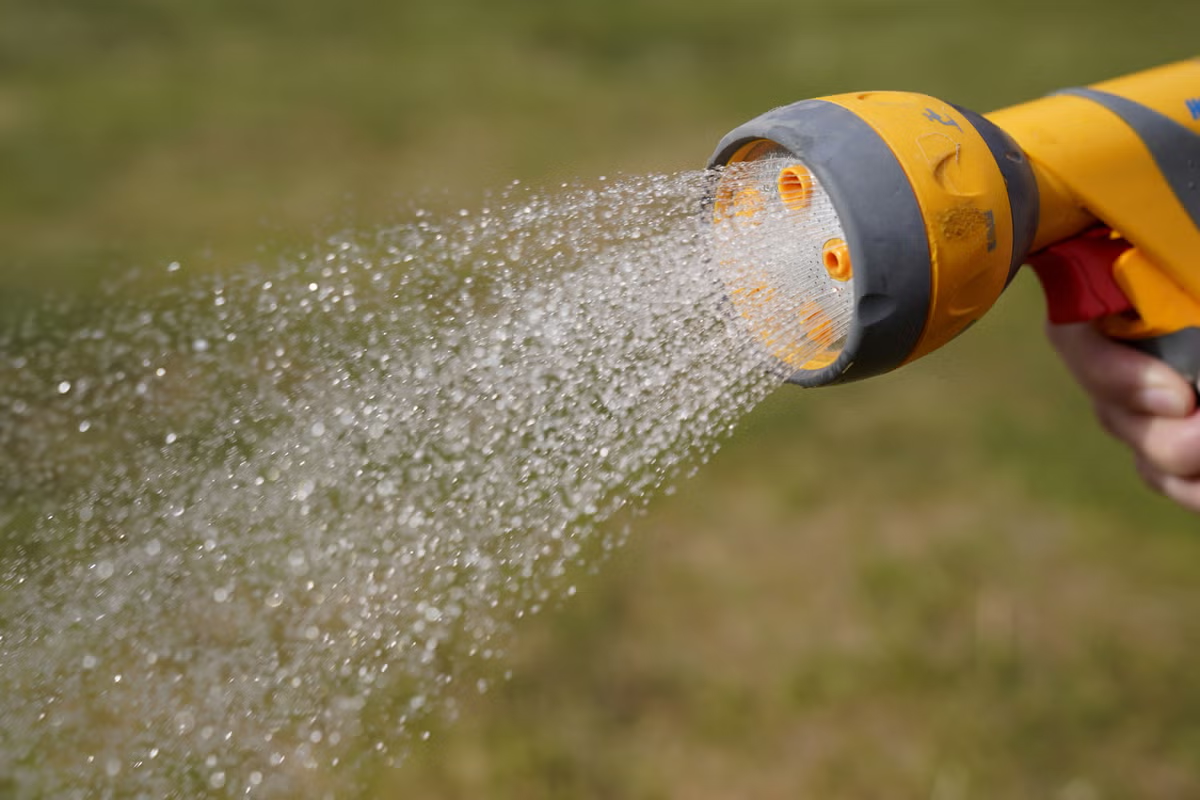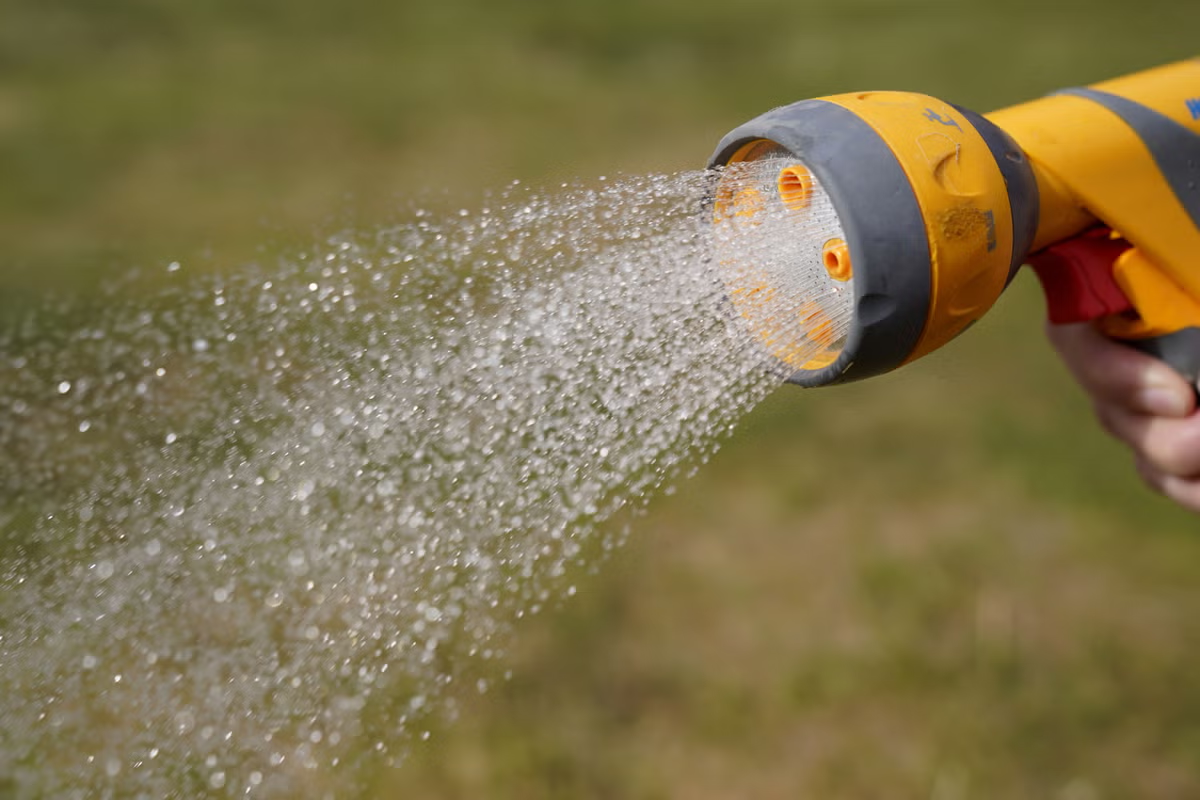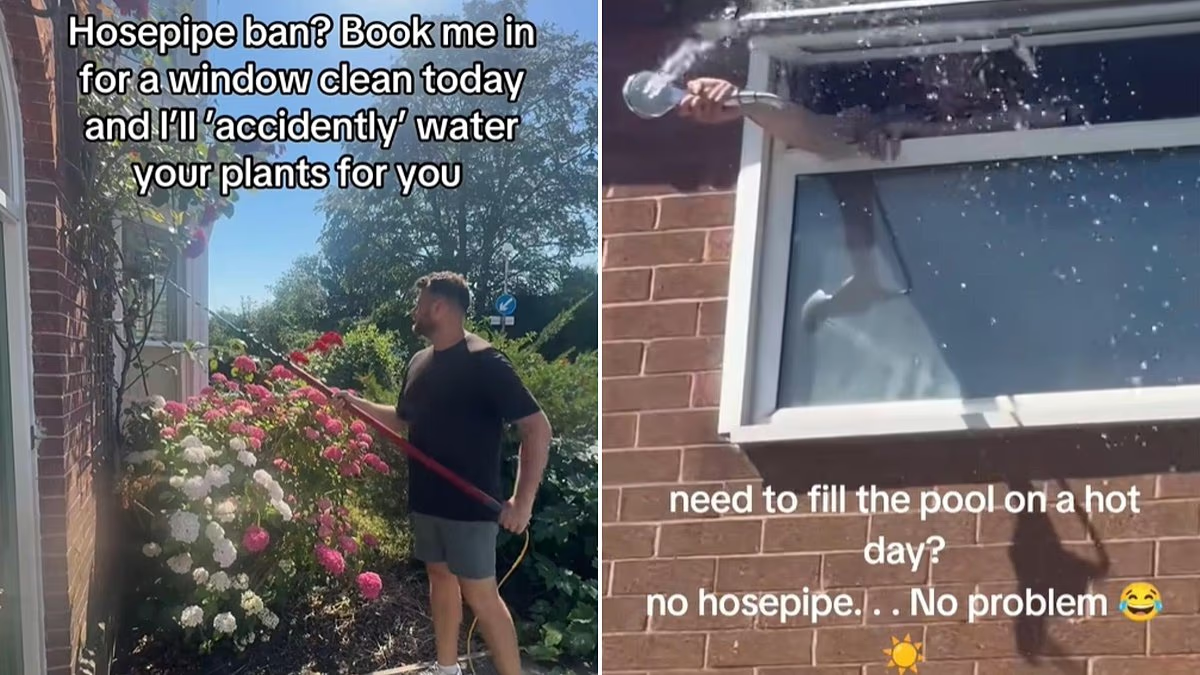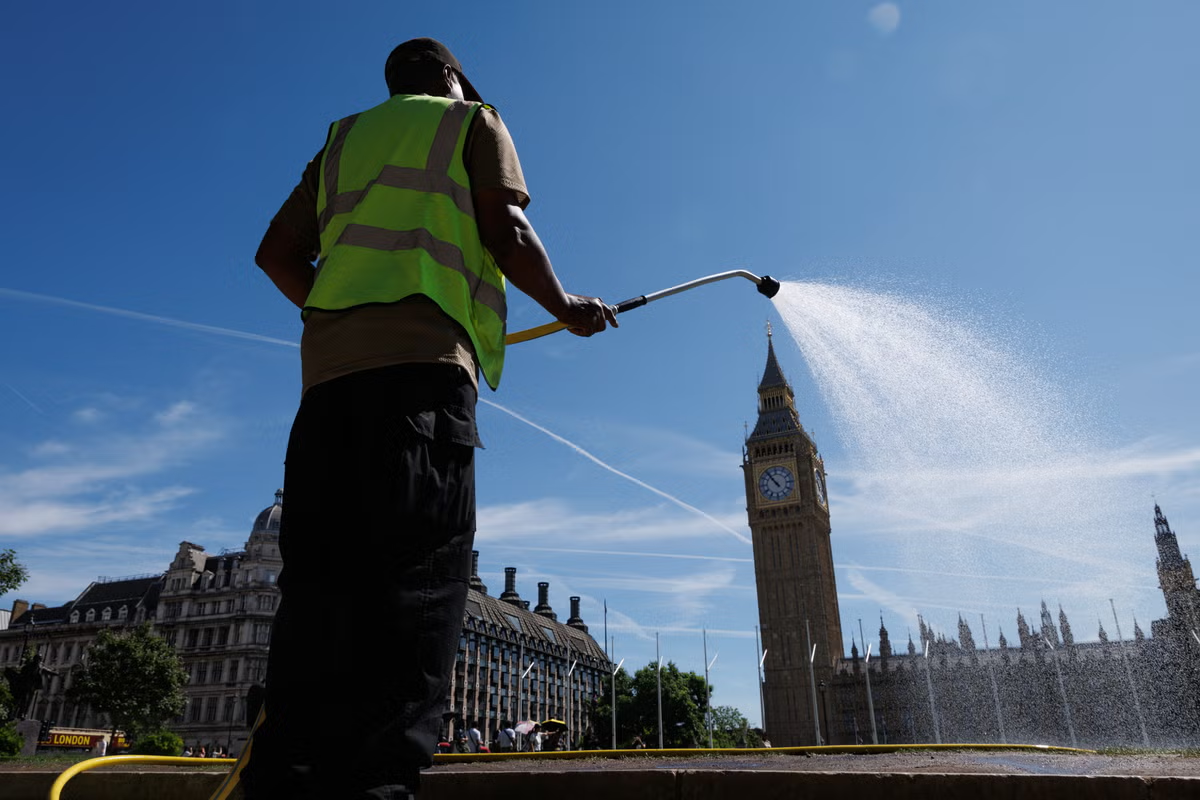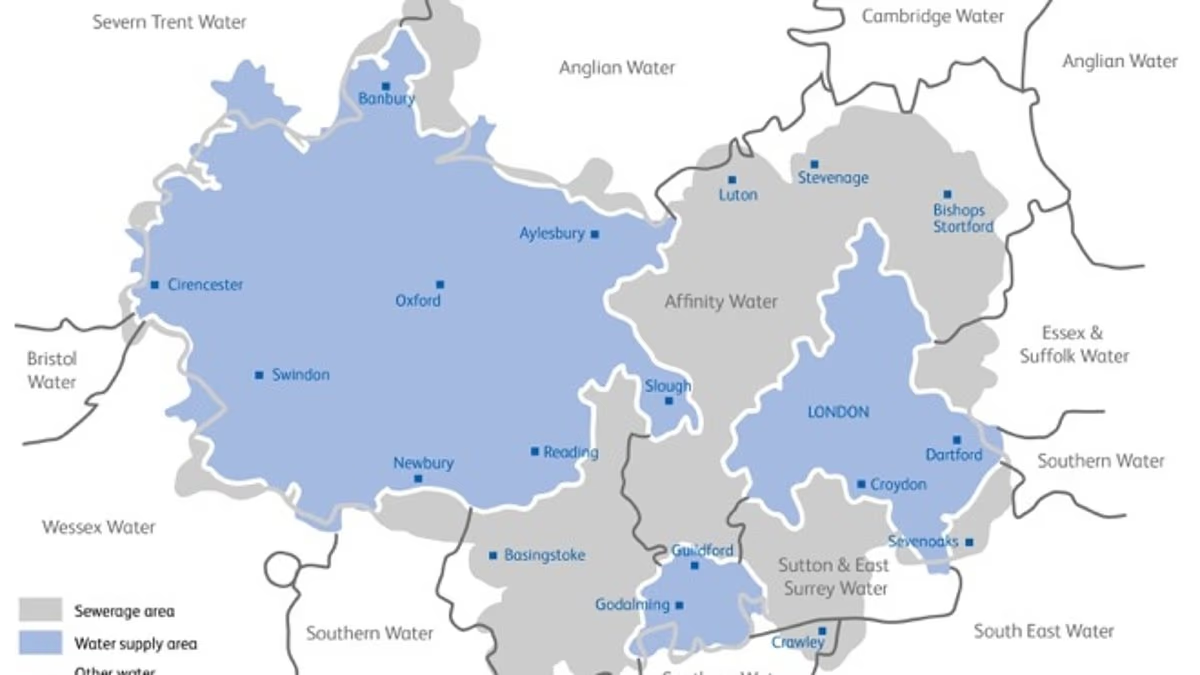
With much of the UK suffering parched conditions, water companies are resorting to hosepipe bans to preserve supplies13:16, 20 Jul 2026South East Water has become the latest supplier to announce a hosepipe ban amid the ongoing hot weather.The company said 2.4 million customers will be affected by temporary restrictions in Sussex, Surrey, Hampshire and Berkshire from Saturday.Ahead of the ban, the firm is asking customers to cut back water use straight away, telling them not to use hosepipes for their gardens, cars, patios, boats or swimming pools. A ban had been in place just for its customers in Kent.Anglian Water, Cambridge Water, Southern Water, and Affinity Water, have also brought in the restrictions due to a lack of rain and increased demand for water.Yet it came as Greenpeace said water firms in England and Wales are wasting around five times more water through leaky pipes.South East Water said it has seen a “decline in river levels” and needs to “protect some groundwater sources” after lower than average rainfall, hot weather and high demand for water.Douglas Whitfield, water supply director at South East Water, said: “Our absolute priority has to be making sure there is always enough water for everyone’s essential daily needs: drinking, cooking and hygiene.“To safeguard our shared resource and help prevent any homes from facing a sudden loss of water, we sadly need to ask our communities to not use their hosepipes immediately.“We are deeply sorry for the disruption this causes, and we are incredibly grateful to everyone helping us protect water supplies in Sussex, Surrey, Hampshire and Berkshire.”It comes as central and south-east England have seen the longest unbroken spell of no recorded rainfall this century, Met Office figures suggest.An average of zero rainfall has been measured across the organisation’s weather stations in both regions for 14 days in a row, from July 2 to July 15, according to the latest available data.This is the longest unbroken run of days with no rain for south-east England since a 15-day spell in April 1997.For central England, it is the longest period since a 14-day run of no recorded rainfall in June 1996.Data for July 16 has yet to be published, but could show the rain-free spells in both regions extending for even longer.Reservoir storage levels in England are currently at 79%, around five percentage points below the long-term average for the time of year, the Environment Agency said as it released its weekly dry weather and drought report on Friday.Six reservoirs are classed as having “notably low” levels, including Wimbleball in Somerset, Grafham in Cambridgeshire and Hanningfield in Essex, while Blagdon reservoir in Somerset is classed as being “exceptionally low”.It comes after there have been 28 days in 2026, consecutive and non-consecutive, when 30C has been exceeded somewhere in the UK: seven in May, eight in June and 13 in July.Article continues belowThe record for the number of 30C-plus days in a calendar year is 34, which was set in 1995.Greenpeace UK’s chief scientist Dr Doug Parr said: “Of course people should use water carefully during prolonged hot and dry weather. But it’s galling to be told to put away the hose while water companies are losing nearly three billion litres every day through leaks. Fossil-fuelled climate change is making severe droughts more frequent and more dangerous, so ministers must not treat water security as tomorrow’s problem."The incoming Burnham government must force water companies to repair and renew the network and tackle the fossil-fuel pollution driving extreme heat and drought. Without this, people and nature will ultimately pay the price, not the company shareholders and execs.”
Hosepipe ban announced for another 2.4m customers after UK heatwaves
With much of the UK suffering parched conditions, water companies are resorting to hosepipe bans to preserve supplies
598 words~3 min read