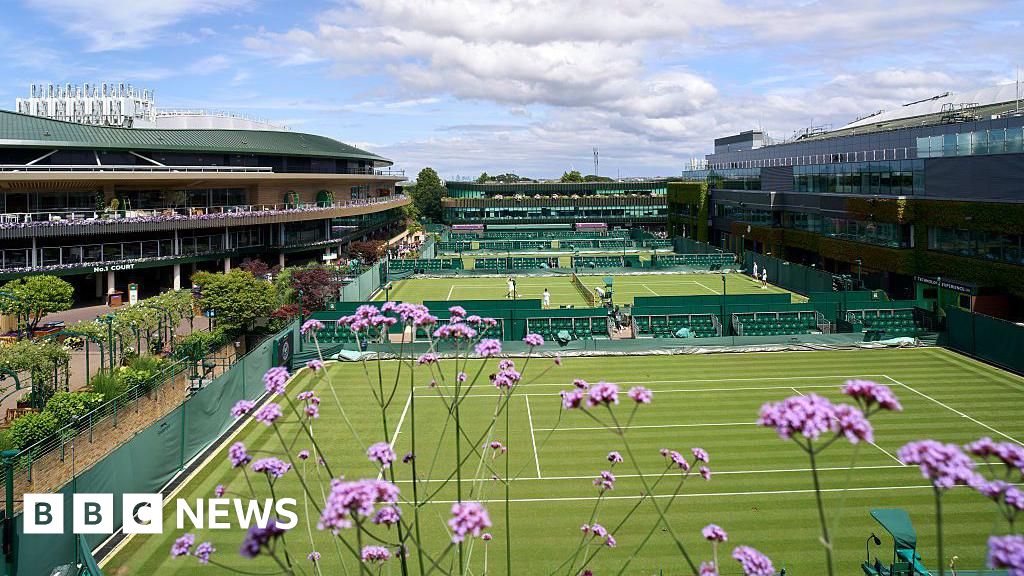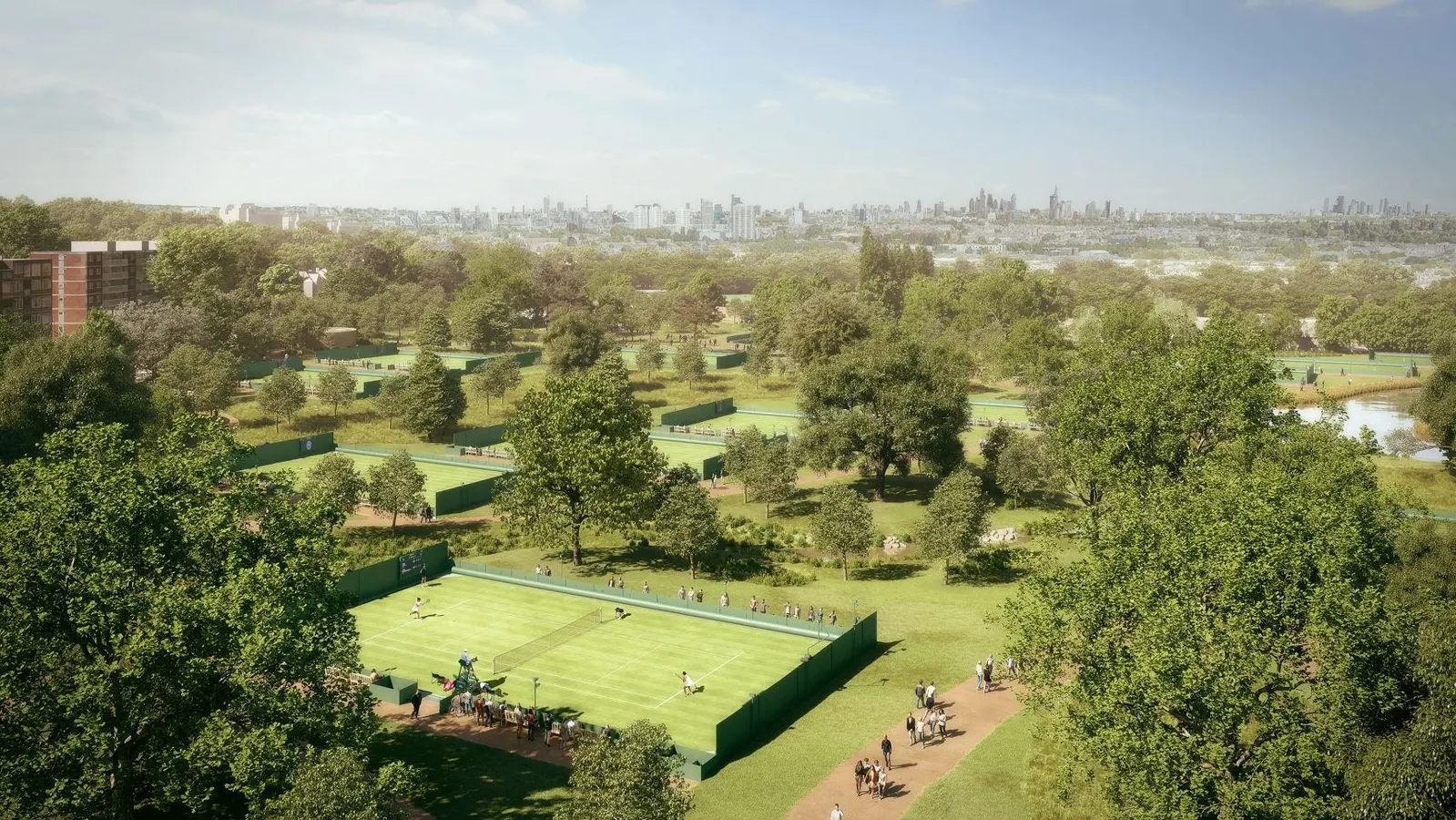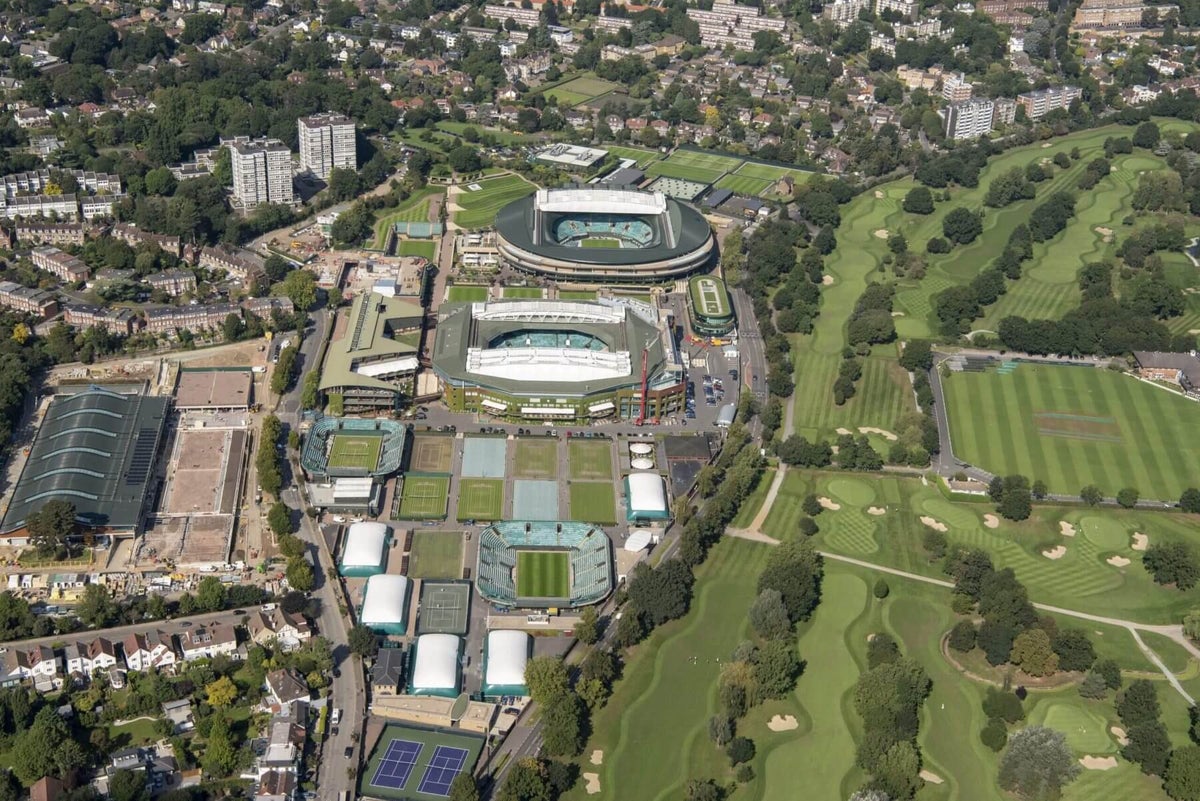
A version of this article was originally published in December 2024. It has been updated to reflect the announcement on July 22, 2026 that Save Wimbledon Park’s legal challenge to Wimbledon’s plans has again been granted the right to be heard in the Court of Appeal.Wimbledon thought the largest obstacle to its plans to triple the size of its grounds had been removed, after the UK’s High Court ruled against a campaign group’s central legal challenge against the granting of planning permission for 39 new grass tennis courts.Save Wimbledon Park (SWP) had argued that the All England Club’s main site for the new courts, an old golf course, could not be used because of a statutory trust requiring its land to be used for public recreation.But March 19, 2026, Justice Nicholas Thompsell ruled that the land is not subject to a statutory trust, because it was in use as a private golf course and had never been laid out as public open space.“The ruling represents a significant milestone for our plans which will, as well as delivering 27 acres of beautiful new public parkland on previously private land, allow us to maintain Wimbledon’s position as one of the world’s most successful sporting events,” All England Lawn Tennis Club (AELTC) chair Deborah Jevans said.This was the most significant development in a protracted legal dispute which dates back several years, but SWP said it would apply to the Court of Appeal for the chance to appeal the ruling.It has now been granted the chance to make that appeal, which will likely not be heard until 2027.Lord Justice Newey said: “The arguments advanced by the appellant have sufficient substance for the appeal to have a real prospect of success.”A spokesperson said the AELTC was “confident that the Court of Appeal would recognise the strength of the High Court ruling, which found by a wide margin that the golf course land had never been held under a statutory trust.”In September 2024, the Greater London Authority (GLA) granted the AELTC permission to go ahead with expansion plans, which included an 8,000-seater show court, on the site of the golf course across the road from the famous ground.SWP had launched a legal challenge to the plans in January 2025, but in a judicial review that July, Mr Justice Saini ruled that the GLA was lawful in granting planning permission. A separate appeal against that ruling must be heard before the end of 2026.But how did Wimbledon get here? What are the expansion plans? And why could they still be stopped?Wimbledon is expanding. What does that mean for tennis?Charlie Eccleshare and Rachael TindeWhat does the Wimbledon expansion look like?The AELTC plans for the old Wimbledon Park golf course includes an 8,000-seat show court, which would be Wimbledon’s third.The plans are designed, the AELTC said, to keep the championship on equal footing with the other three Grand Slam tournaments: the Australian, French, and U.S. Opens.When would this project be completed?Following the granting of planning permission in September 2024, AELTC chief executive Sally Bolton and chair Debbie Jevans said that the courts would not be ready until the early 2030s. With the fresh SWP appeal against the statutory trust ruling not being heard until 2027, this date will likely become more like the mid-2030s.How did we get to this point?SWP believed that the planning permission contradicted a “statutory trust,” which required certain areas of land to be kept free for public recreation. The AELTC believed that this did not apply to the land in question. That is at the center of their two newest legal processes, both submitted last December.The AELTC wanted to have its own plans rubberstamped by the UK court system. SWP wanted the AELTC to acknowledge the statutory trust, and was petitioning the GLA to quash its granting of planning permission on this basis.Wimbledon currently operates with the minimum number of courts mandated for a Grand Slam tournament (The All England Club)This dispute goes back to 1993, when the AELTC bought the Wimbledon Park golf course land from Merton council for £5.2million ($6.6million). At that time, the AELTC signed a covenant agreeing that it would not use the land “other than for leisure or recreational purposes or as an open space.” Residents’ groups, including the Wimbledon Society, believed the AELTC’s proposals violated that covenant.
Wimbledon’s tennis expansion explained: Why plans for 39 new courts are again in limbo
What are the expansion plans for Wimbledon, and why is there so much opposition?
1,993 words~9 min read