The World Health Organization Regional Office for Europe is urging countries to strengthen mosquito surveillance and public knowledge of protective measures as West Nile virus cases climb in parts of the continent, with the transmission season just getting under way. For most people the risk remains low, but anyone living in or travelling to an affected area should take basic steps to avoid mosquito bites and know the signs of severe illness in case they or someone close to them falls ill.
Current situation
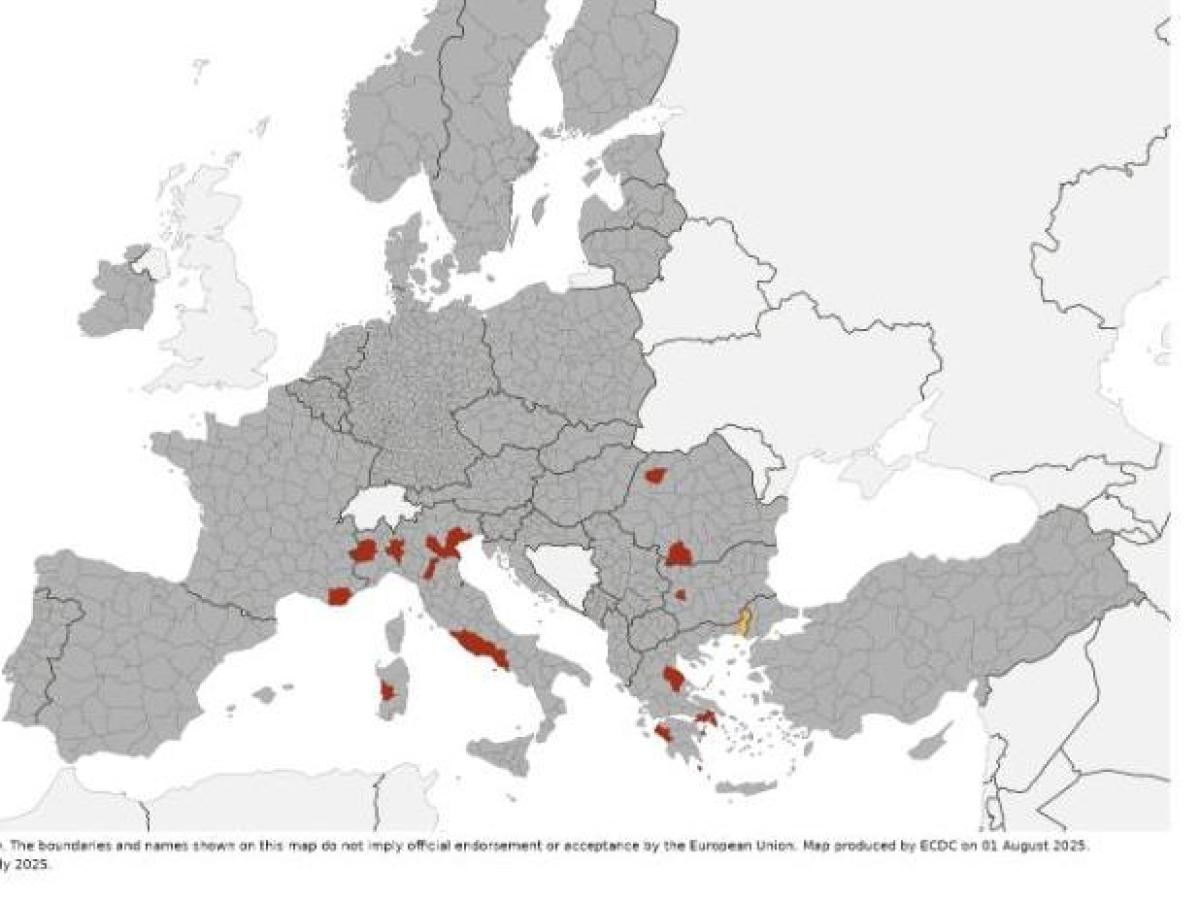
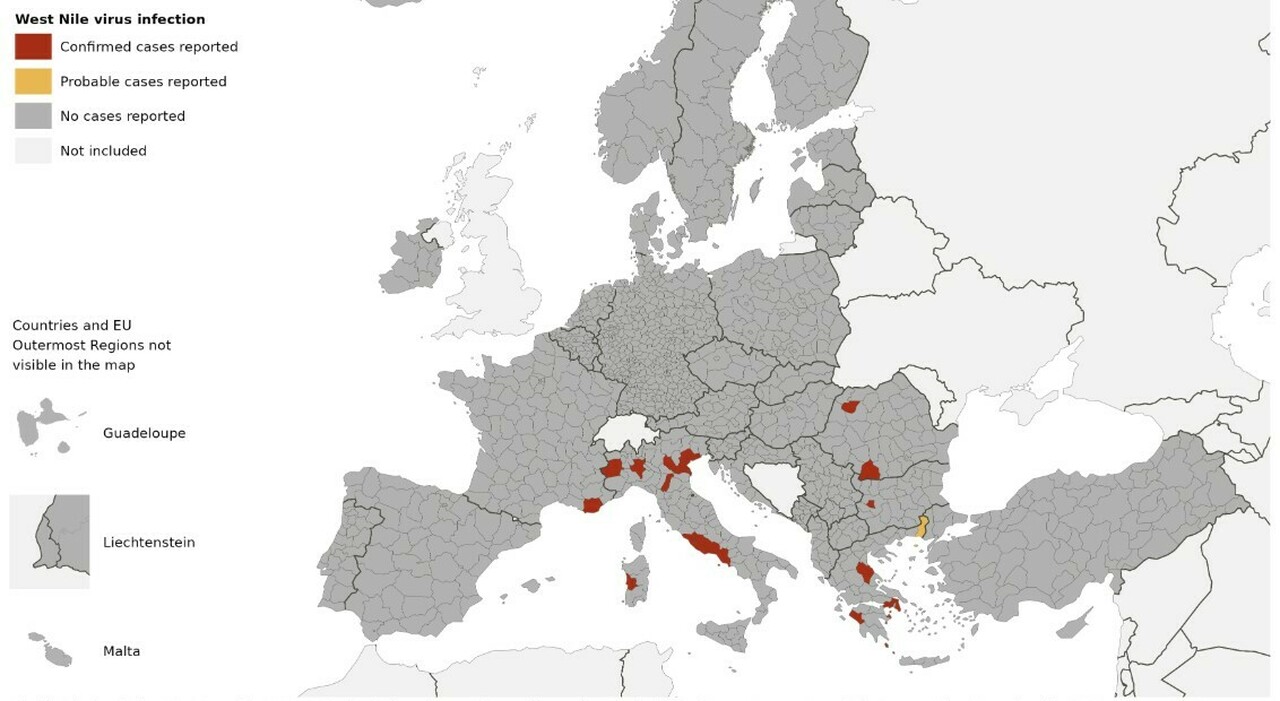
Greece has recorded the steepest recent rise, with 21 human cases confirmed by national health authorities as of 22 July, 14 of them in the past week alone. Twenty of the 21 patients developed neuro-invasive disease, including encephalitis or meningitis, and 13 remain hospitalised. Italy has the widest geographic spread, with 21 cases confirmed in 17 separate areas as of 15 July. Locally acquired human cases have also been reported in Spain (2), Romania (2), and North Macedonia (2).
Mosquito-borne infection
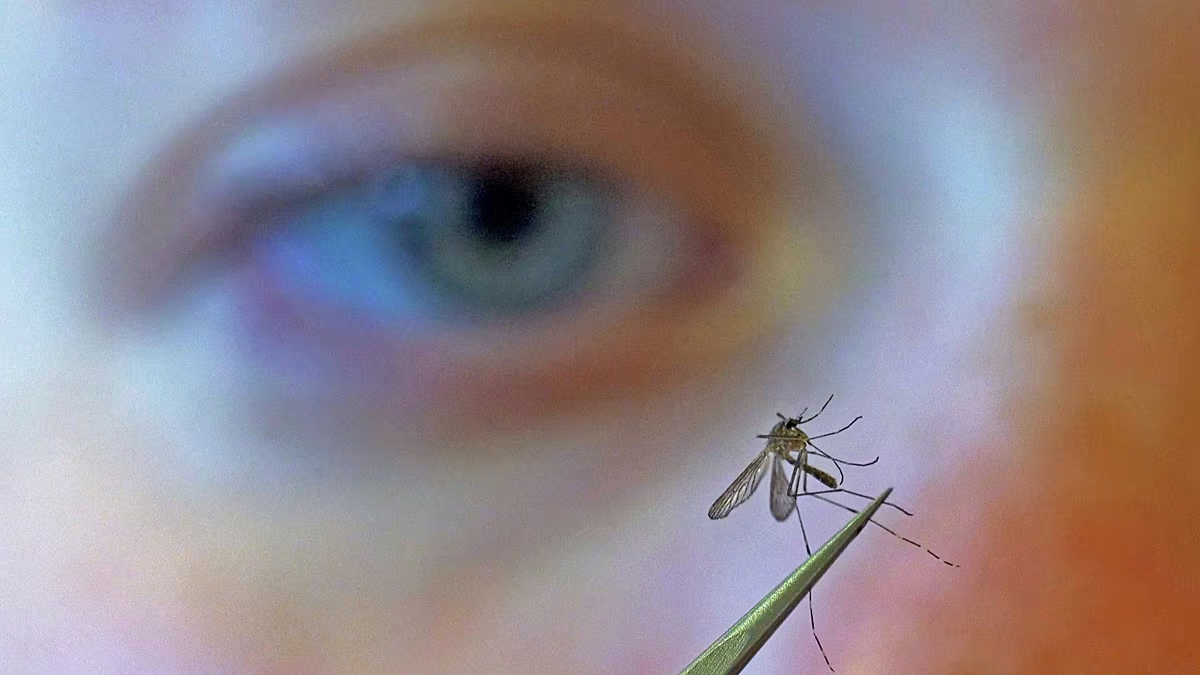
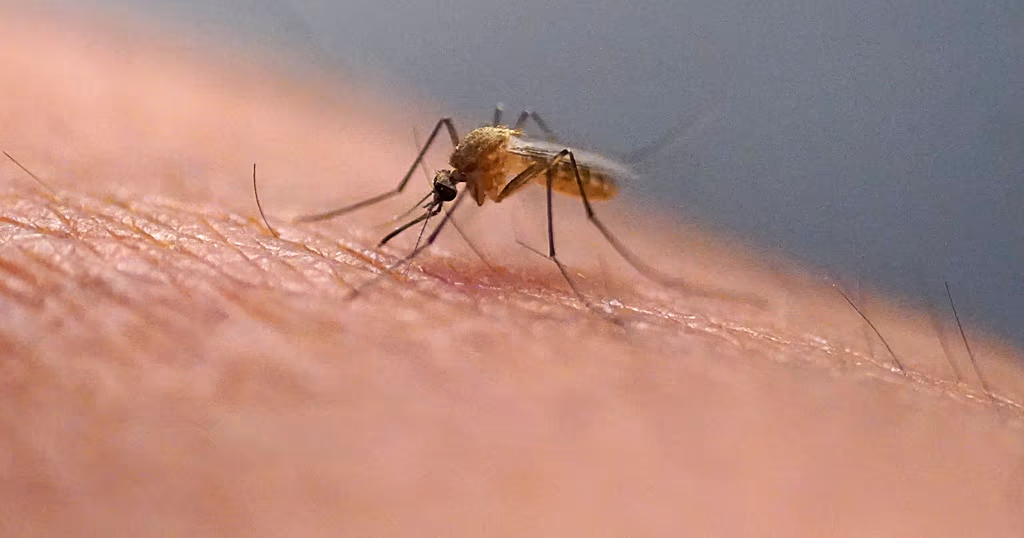
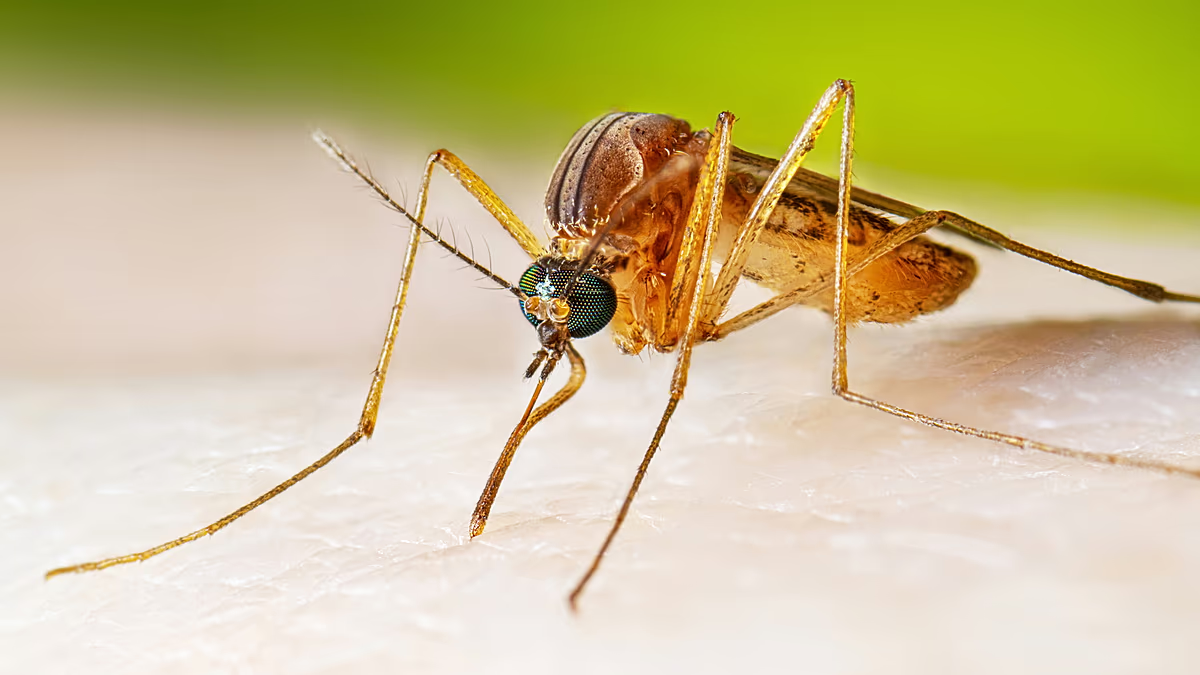
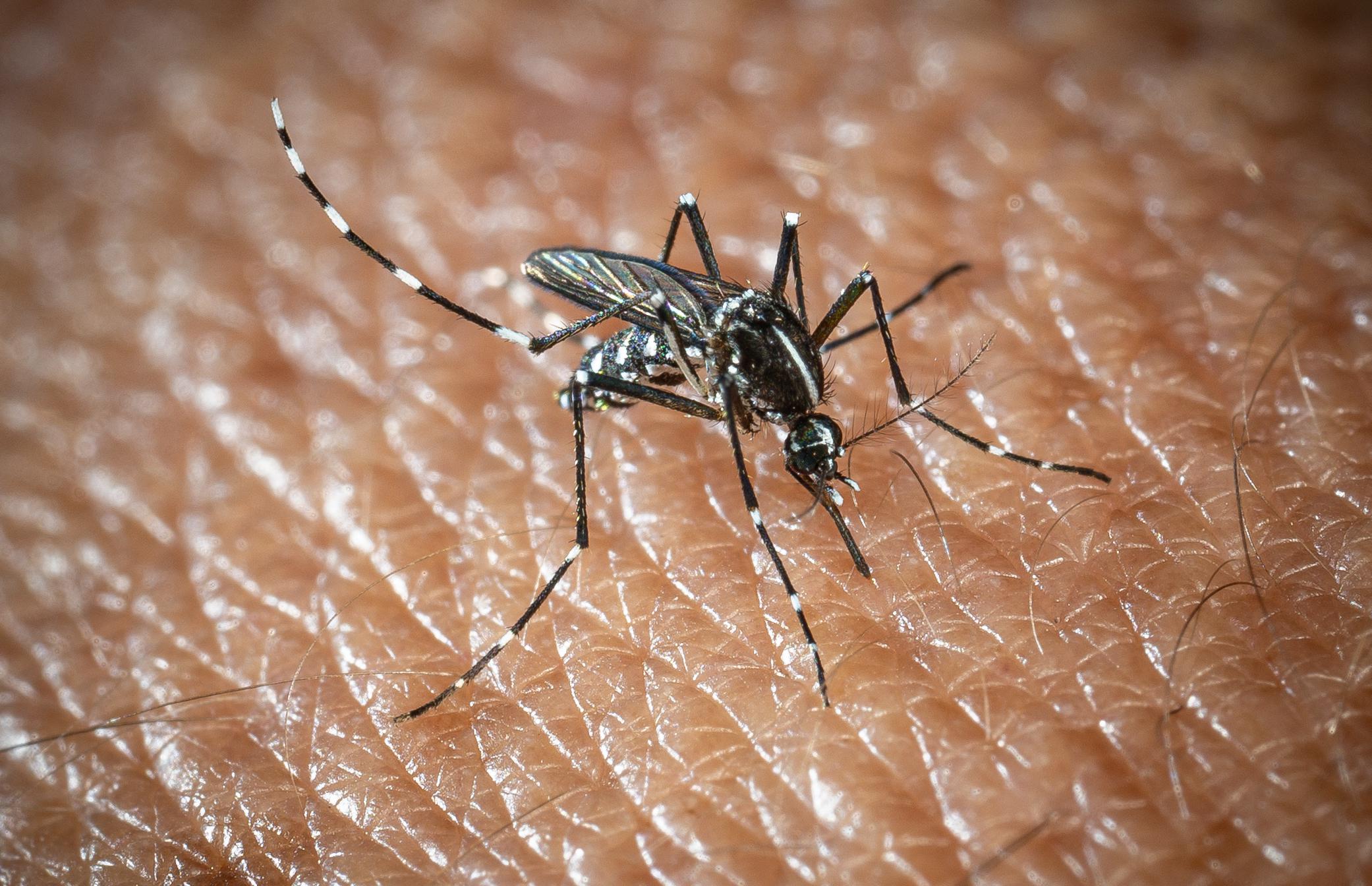
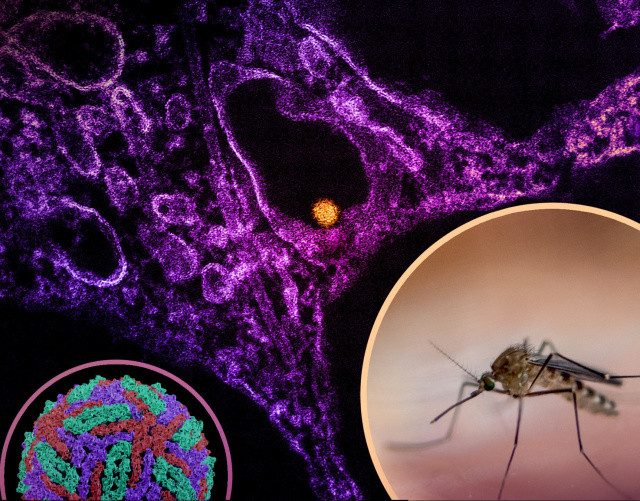
West Nile virus is transmitted through the bite of an infected mosquito. In Europe, most human infections occur during the mosquito season, typically from late spring through autumn, with the highest transmission usually observed between July and September. There is no licensed vaccine for humans and no specific antiviral treatment. Care is limited to managing symptoms and supportive treatment in hospital for severe cases.