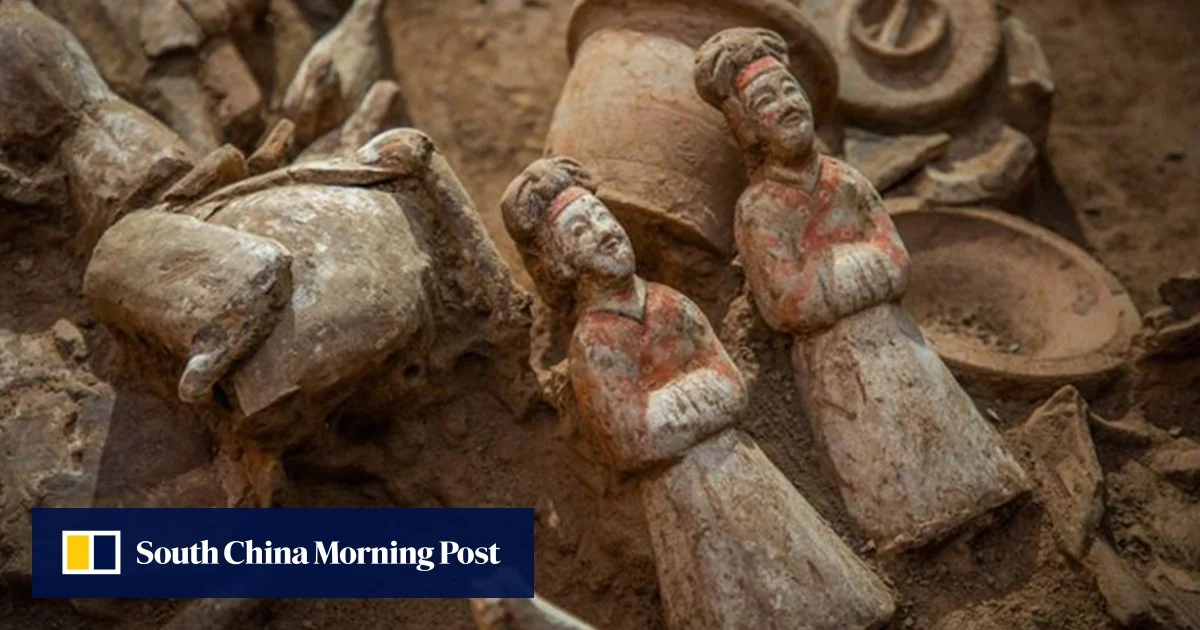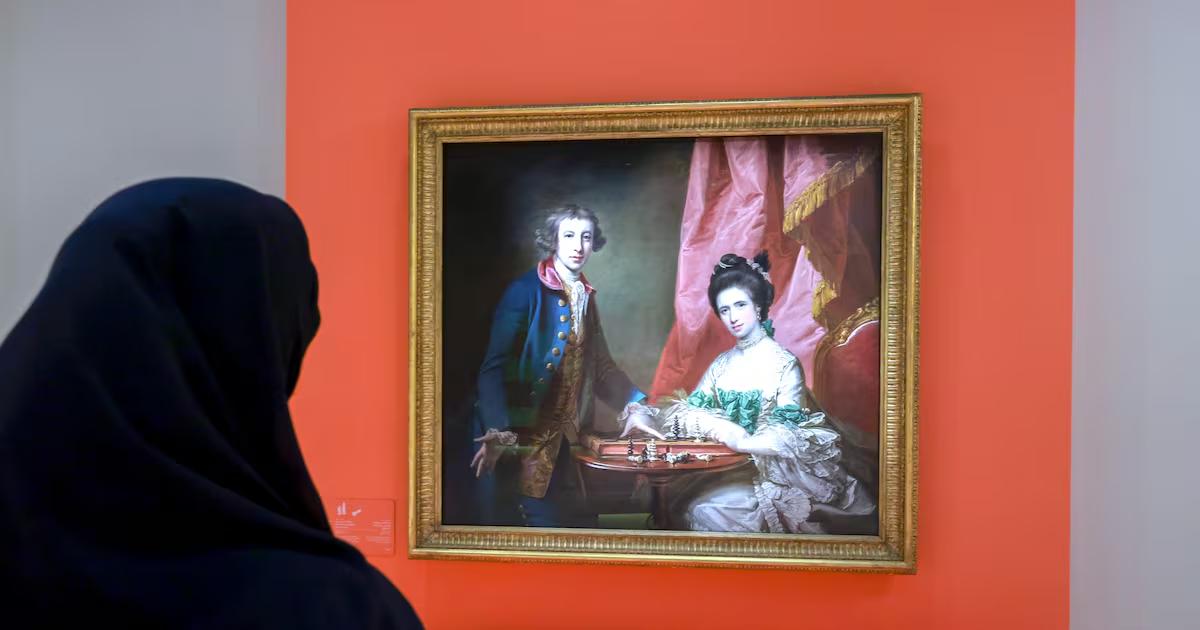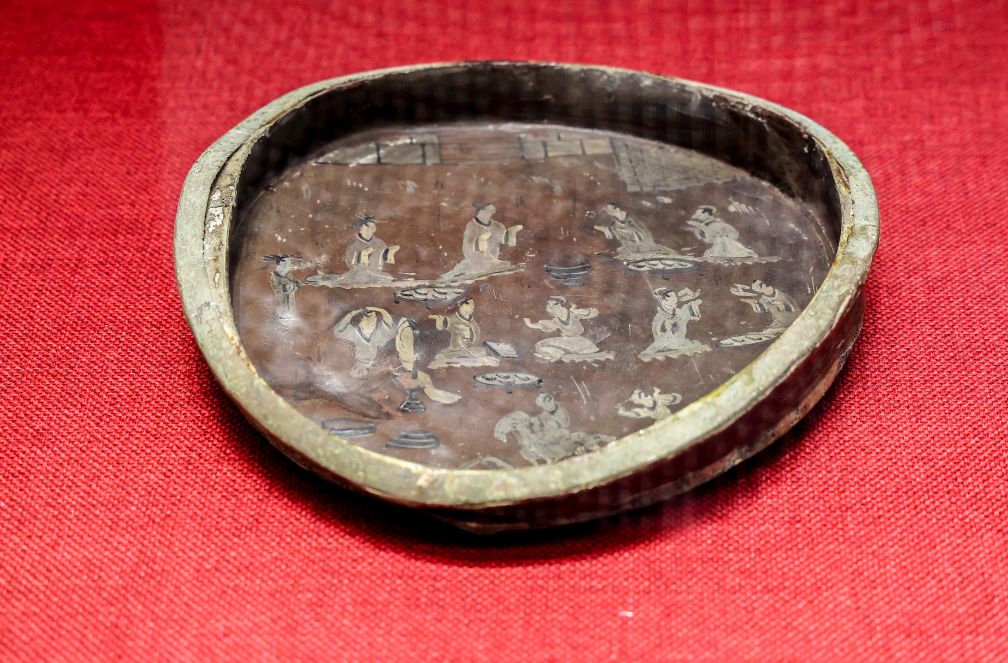
Centuries before chess spread across Asia, another board game captivated people throughout ancient China.
Known as Liubo, it was played by emperors, nobles and ordinary families during the Han Dynasty, appearing so frequently that complete game sets were buried alongside the dead.
Yet despite its popularity more than 2,000 years ago, the game's rules have almost entirely vanished.
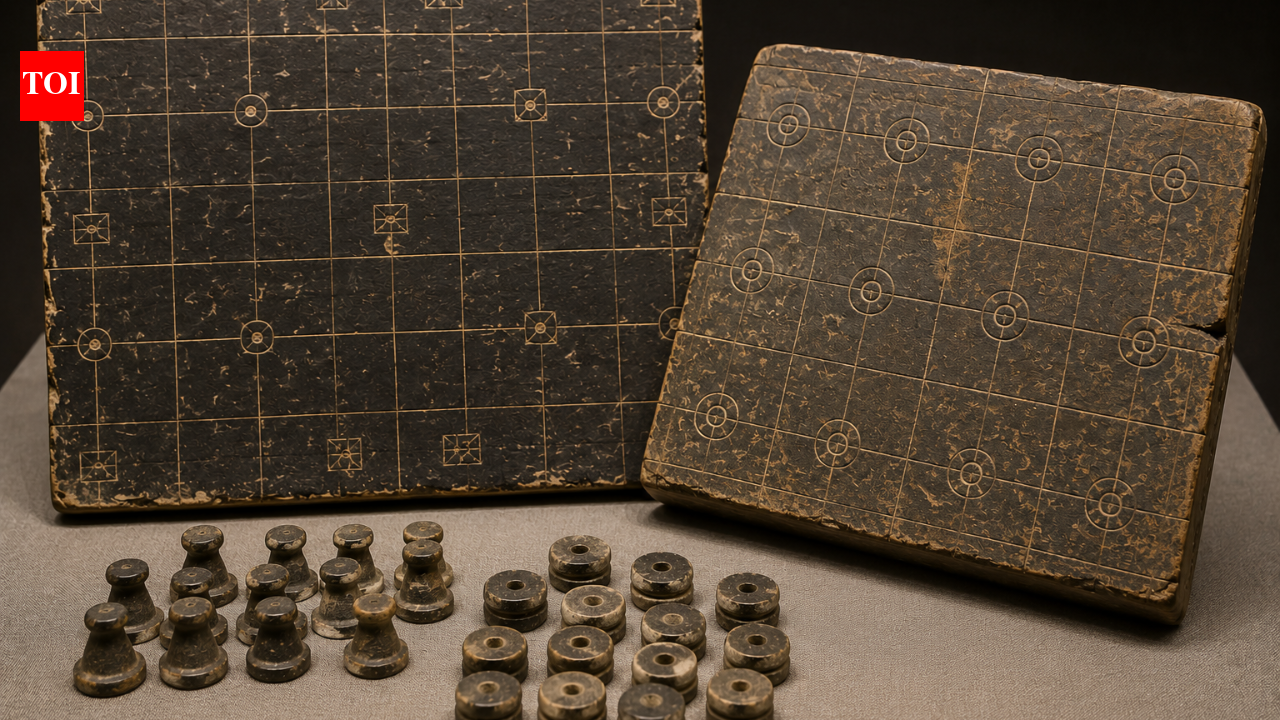
A recent archaeological discovery of rare Liubo game boards carved into Han Dynasty tombs has renewed interest in one of China's greatest historical mysteries.
The find not only highlights the game's importance in everyday life and burial traditions but also underscores a remarkable paradox: archaeologists know what the board looked like, what pieces players used and where the game was played, yet no one can say with certainty how a match actually unfolded.Rare Liubo game boards discovered inside Han Dynasty tombsArchaeologists identified two Liubo boards engraved directly onto square bricks inside Han Dynasty tombs dating to around 2,000 years ago.