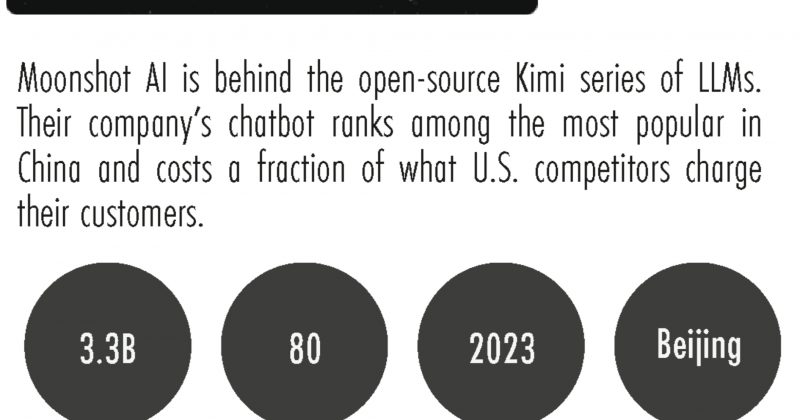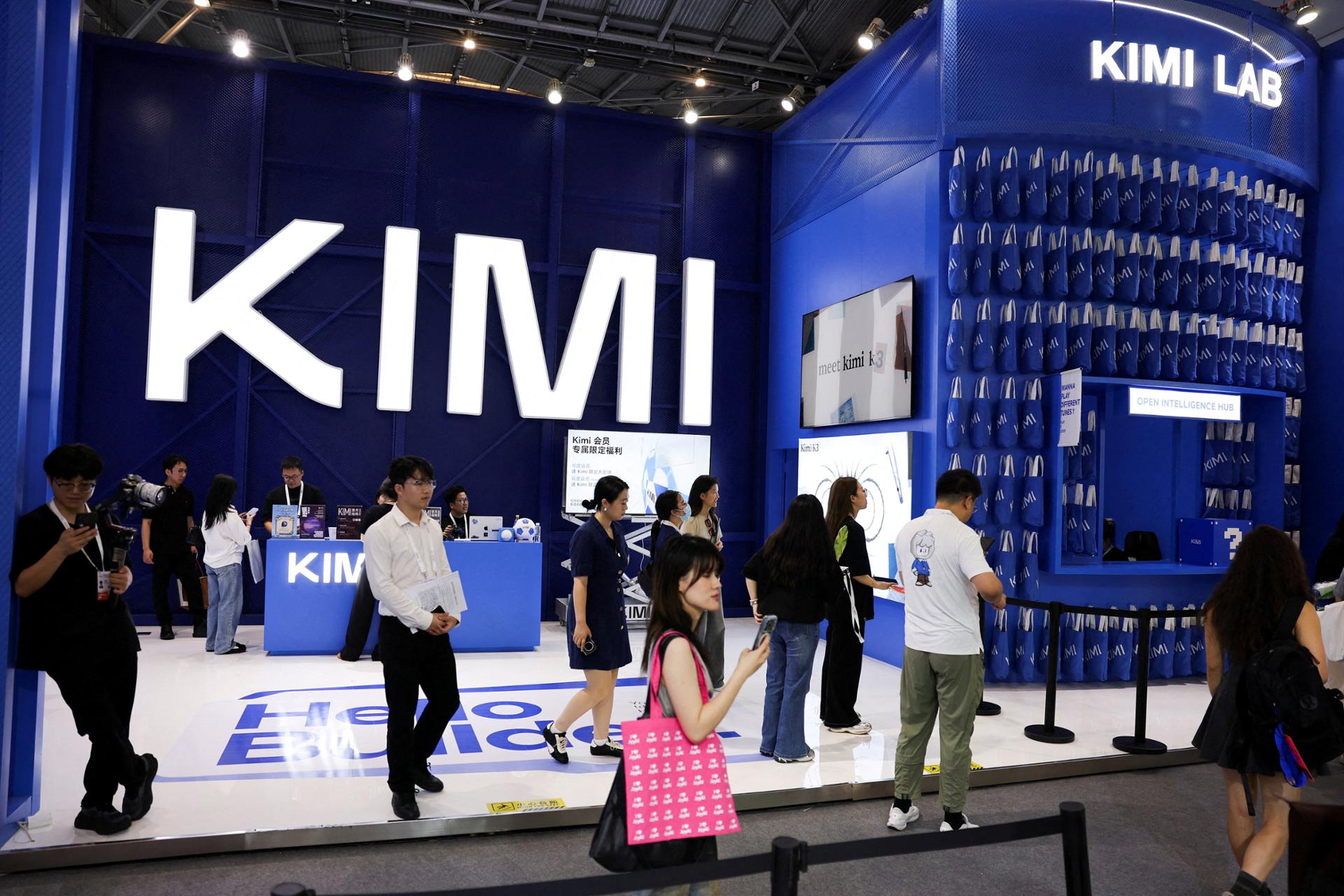
Moonshot launched Kimi K3, and within 48 hours it had to stop taking new subscribers. Not because the model flopped, but because too many people wanted it. That's a strange kind of problem to have, and it's telling you something important about where AI's real bottleneck now sits.
What actually happened
Less than two days after Kimi K3 went live, Moonshot froze new subscriptions. The reason was blunt: demand had eaten through its available GPU capacity. In the company's own words, the model got "far more love than we expected," and in 48 hours usage pushed close to the limit of what its hardware could serve.
Moonshot handled it reasonably. Existing users kept their access, and the company said it would expand capacity and reopen signups in batches. It also split its plans into two tiers, a general Kimi Membership for web and app use, and a separate Kimi Code Membership aimed at programming work. That split is a hint about which users are burning the most compute.
Why the model drew that kind of demand