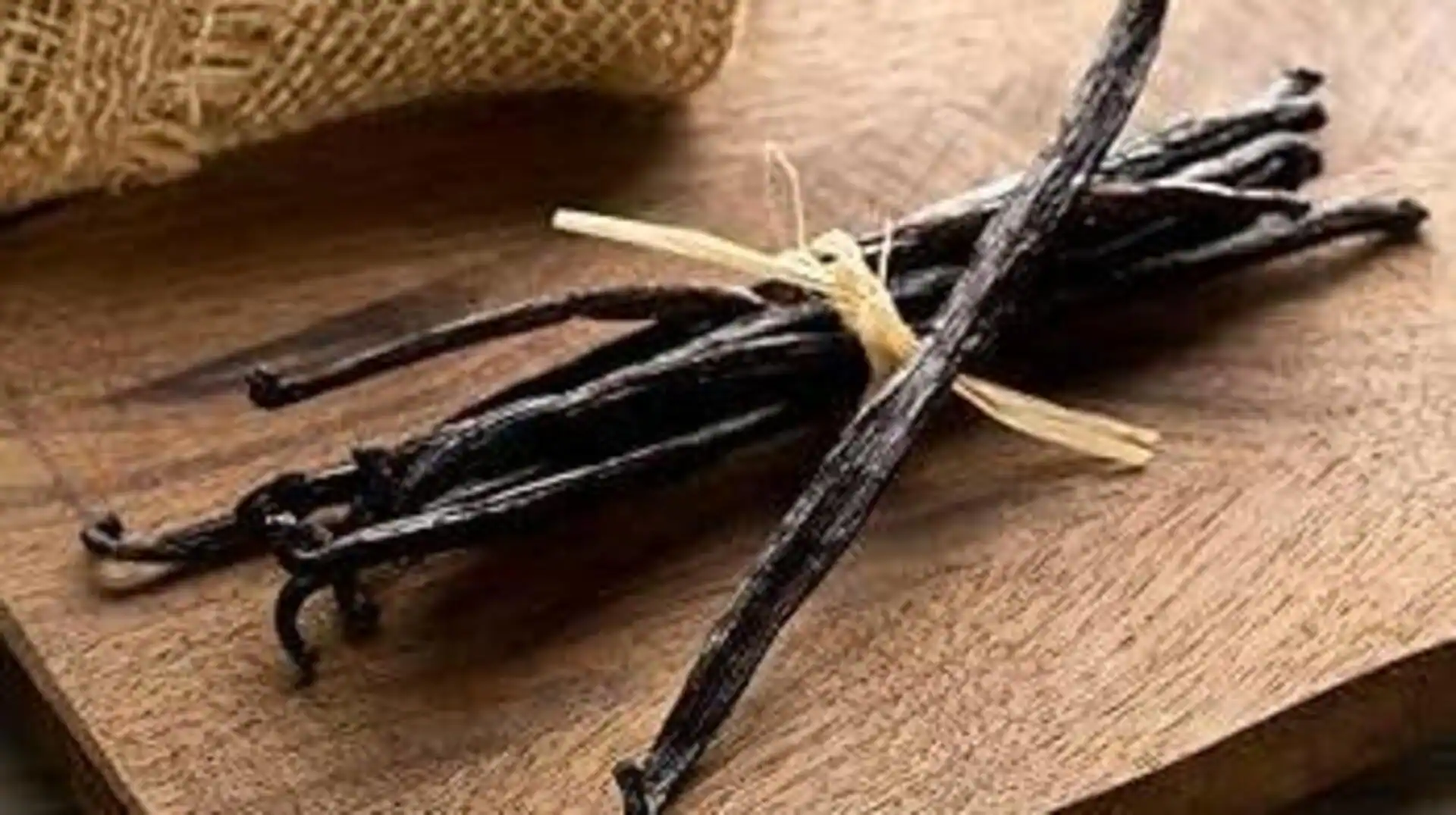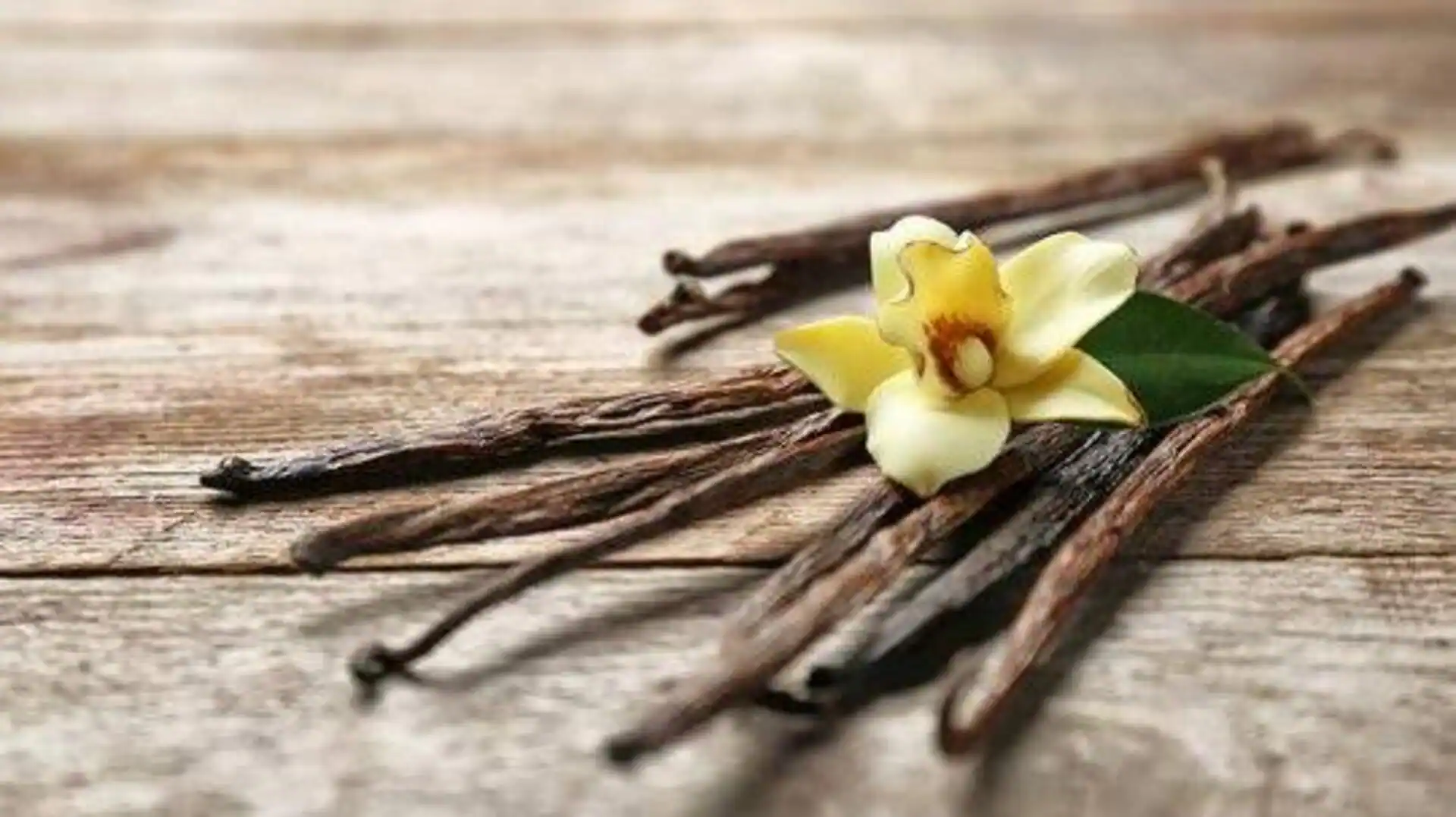
Vanilla is almost everywhere — in ice creams, cough syrups, cleaning products and perfumes.
Its ubiquity, thanks to the cheaper and widely available synthetic vanillin, has over time earned it synonymity with "ordinary" or "plain" in the English language.
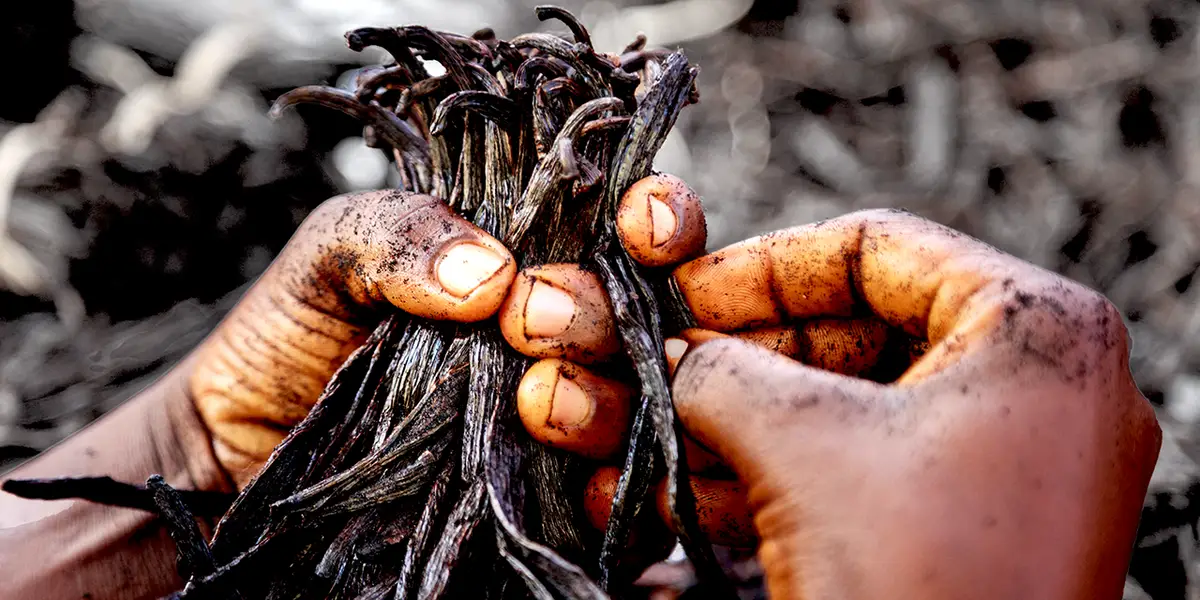
Yet natural vanilla is one of the most labor‑intensive crops on earth and one of the most chemically complex, containing more than 200 aromatic compounds. As the world's second most expensive spice after saffron, it sells between $100 and $600 (€90 to €550) per kilogram.
And its history is anything but "vanilla."
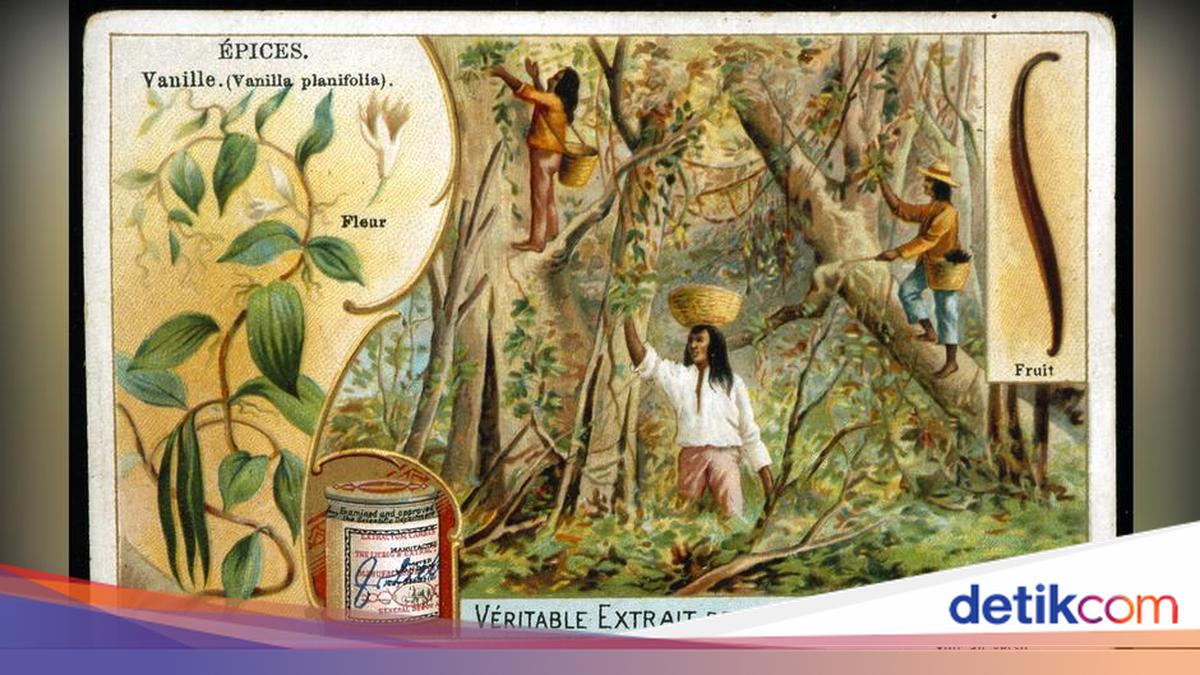
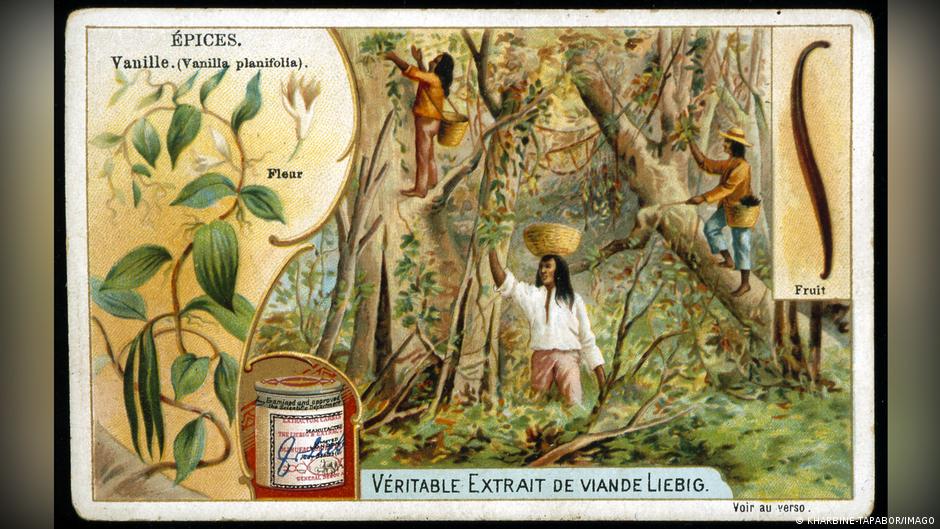
It involves, among others, a stingless bee, colonial machinations, as well as the ingenuity of a 12‑year‑old enslaved boy named Edmond Albius — whose discovery enriched colonial coffers and altered the bean's global trajectory.