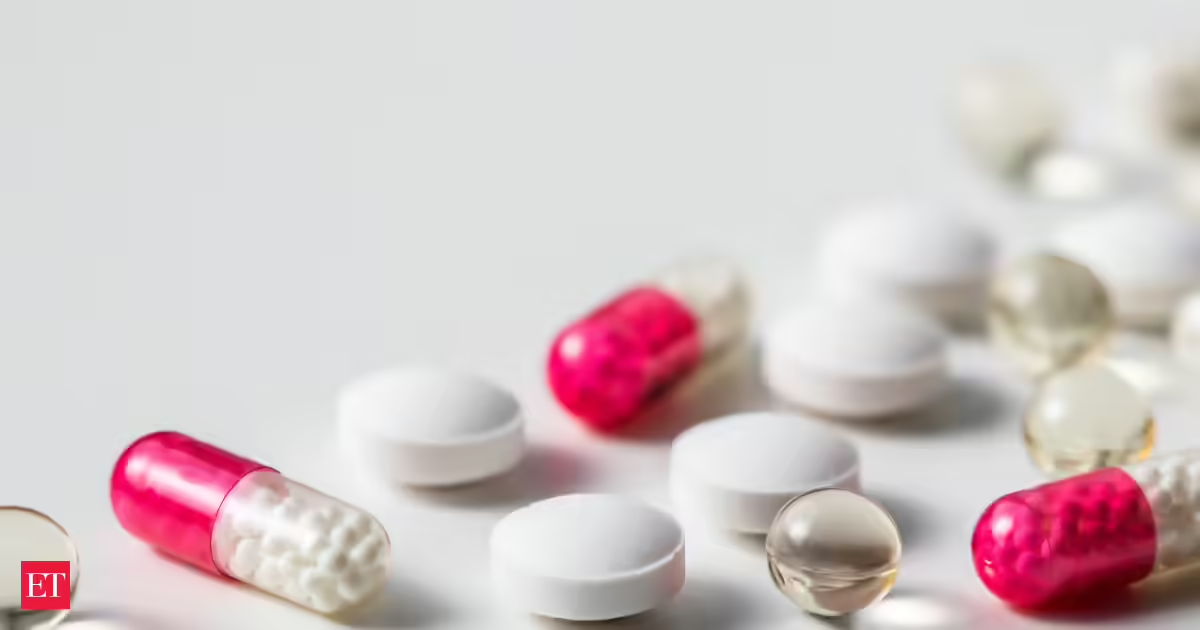
In 2025, there were 216 active drug shortages in the U.S., impacting Americans’ access to lifesaving medications. The resilience of our pharmaceuticals supply chains has been increasingly framed as a national security issue, including by the White House — and rightly so, as Covid-19 magnified the massive costs of a health system ill-equipped to care for its population.
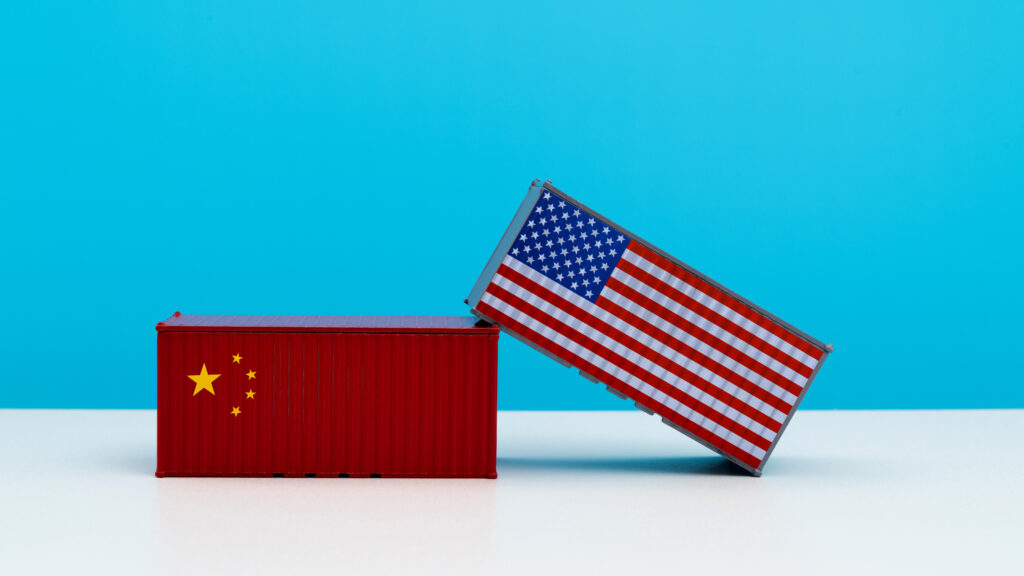
But this national security framing has heavily skewed toward a U.S.-China competition lens, distracting from the real root causes of our pharmaceuticals supply chain vulnerabilities: inadequate regulation of an industry that tends to prioritize profit over America’s health.
The United States’ disproportionate dependence on China’s pharmaceuticals certainly poses risks to our supply chains, but not for the reasons national security experts emphasize. Whether upstream inputs or the end-products themselves, China dominates nearly every step in the pharmaceuticals production process. A recent Council on Foreign Relations (CFR) report, for instance, warns that China may “deliberately withhold essential pharmaceutical inputs as a tool of economic or political coercion” — drawing from risk analyses of other supply chains like rare earth and critical minerals.