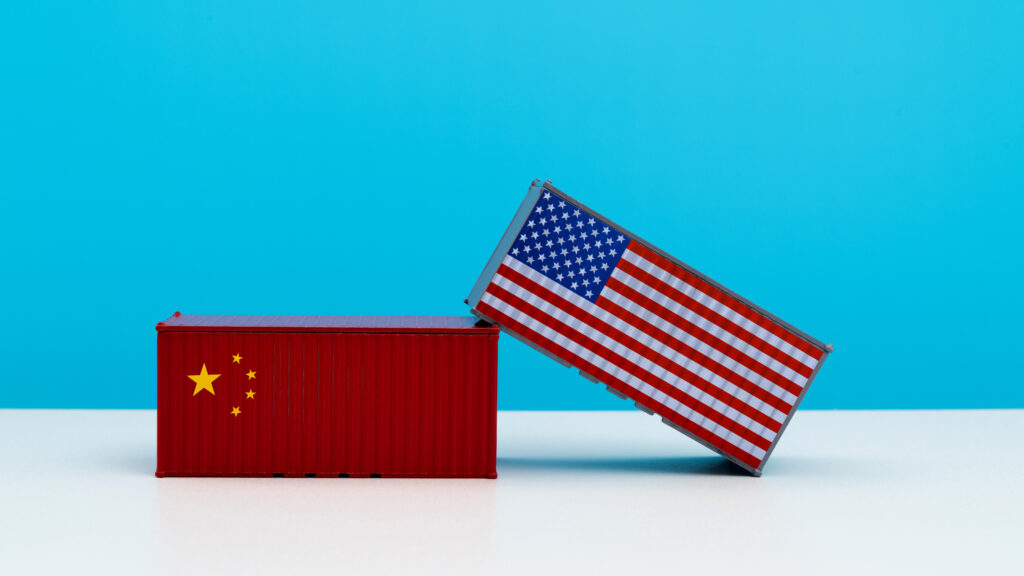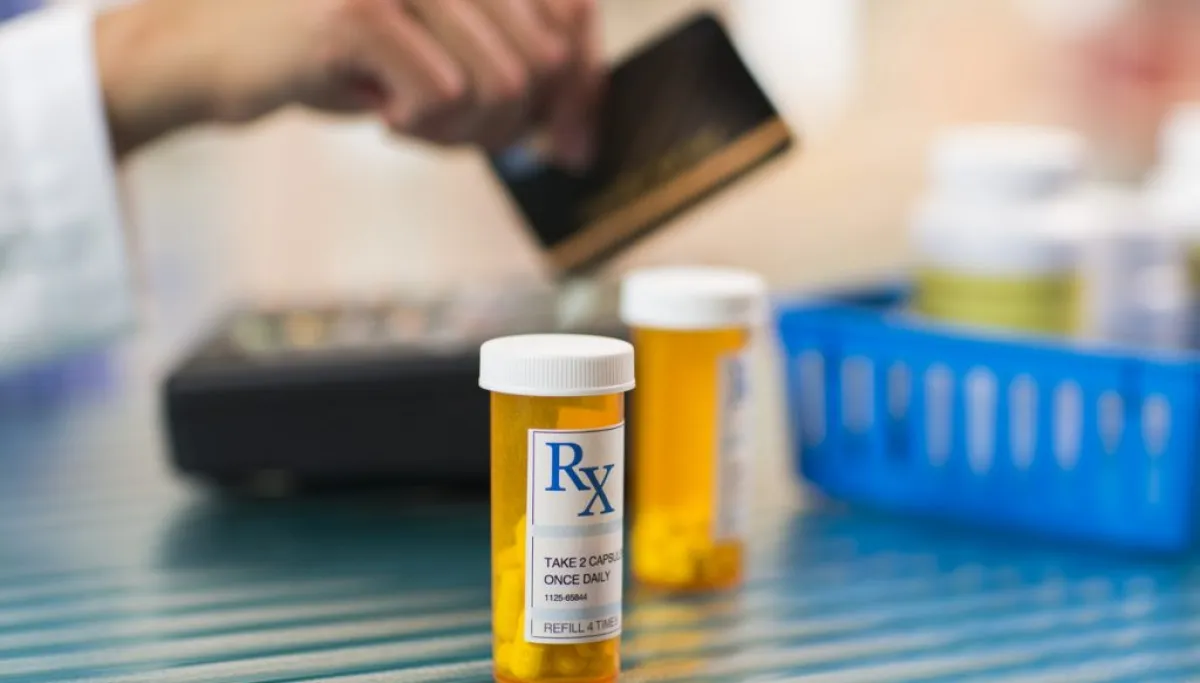
Washington has finally decided to treat pharmaceutical supply chains as a national security risk, introducing new policies to wean America off foreign drug dependence. This strategy has been focused primarily, though not exclusively, on China. The Trump administration recently announced actions that will cut red tape for new drug manufacturing facilities by reforming permitting, reducing regulatory barriers, strengthening oversight of foreign producers, and speeding up approval timelines.But bringing drug production back to America will mean little to ordinary patients if they can’t afford the medicines made here.
OPINION: WE HAVE TO ACCELERATE PHARMACY BENEFIT MANAGER REFORM RIGHT NOW. HERE’S WHY
As someone who has worked across business, finance, and healthcare, I have seen firsthand how rising drug costs spread far beyond the pharmacy counter. Too many policymakers are celebrating domestic pharmaceutical expansion while ignoring the pricing structures keeping many treatments financially out of reach for ordinary Americans.
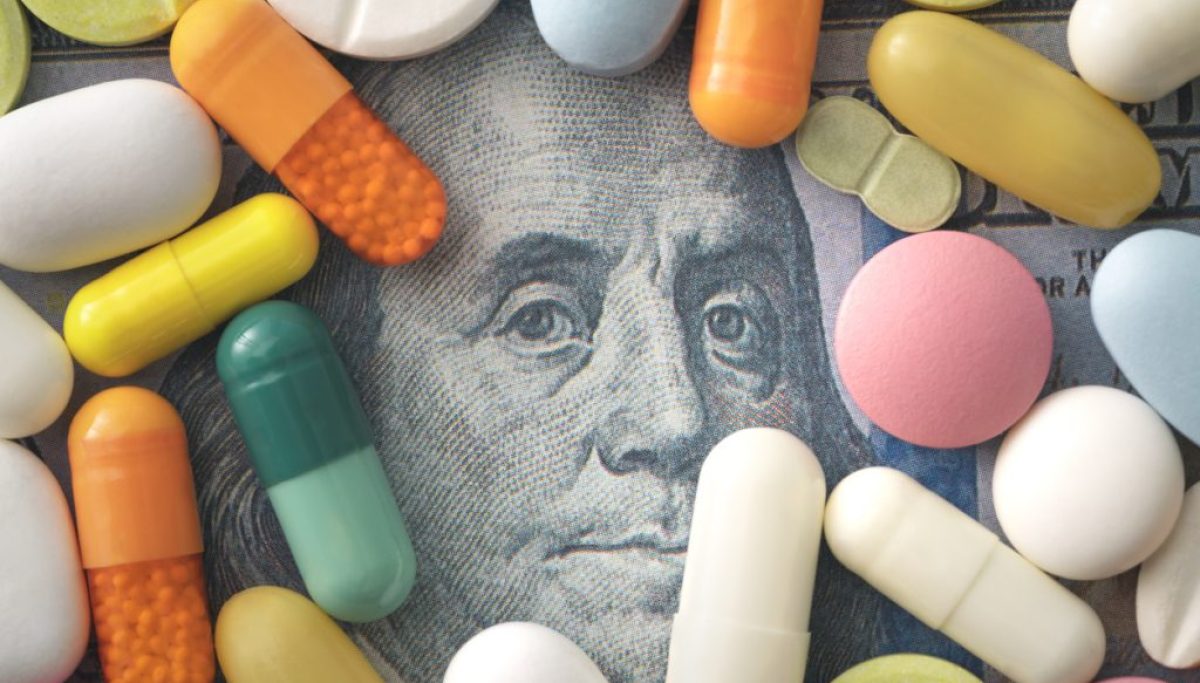
When manufacturers dramatically raise prices, everyone pays — including people who never took the drug themselves. Businesses face higher healthcare costs, and insurance premiums rise. Medicare and Medicaid spending surges while hospitals and providers come under growing financial strain. And ultimately, taxpayers absorb the burden through their taxes and miss out on public spending in other areas.