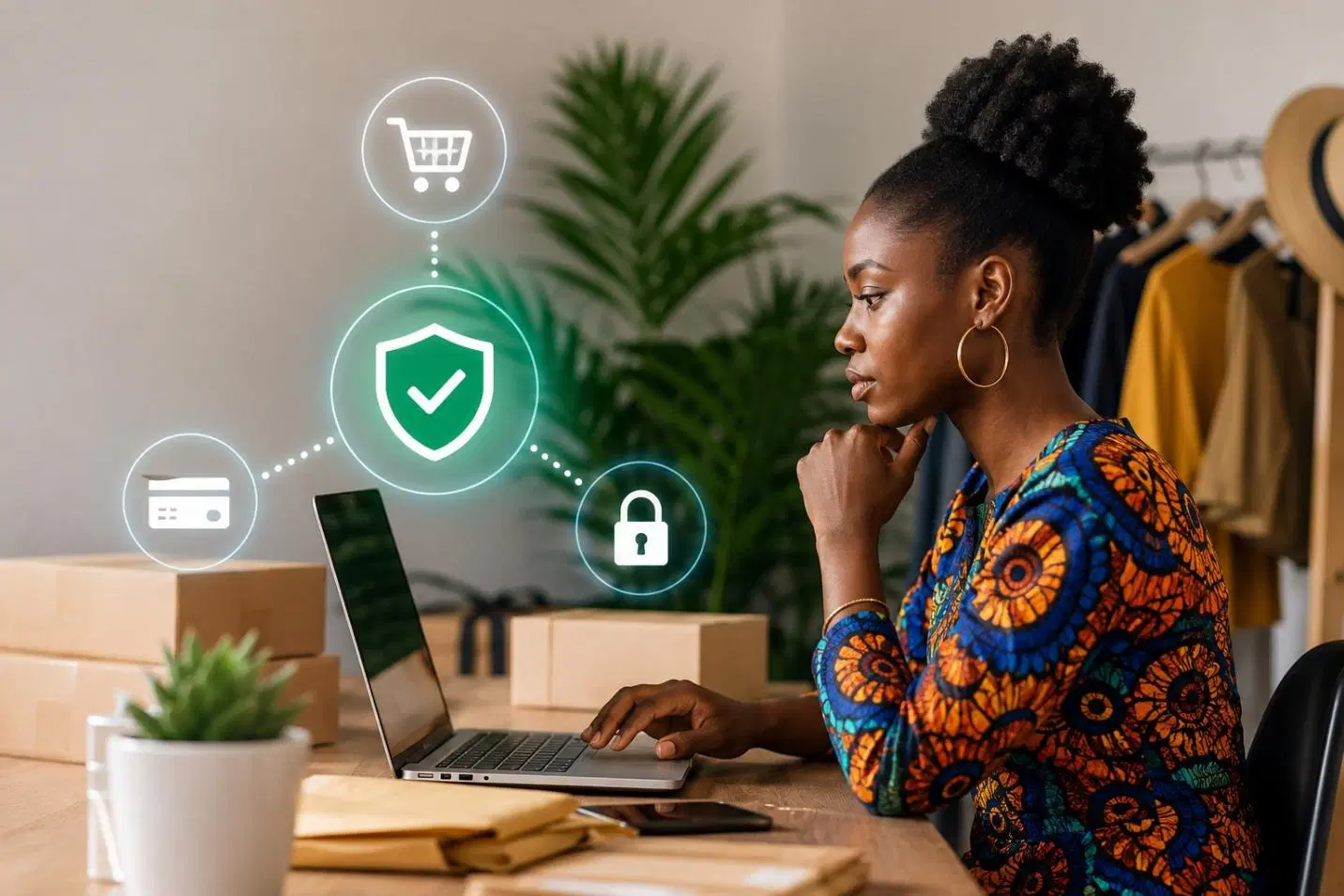
For many small businesses in Nigeria, growth now happens partly on a phone screen. A fashion seller takes orders on Instagram. A food vendor receives payment before delivery. A small logistics operator confirms addresses through WhatsApp. A freelancer sends invoices to clients outside the country. The shop may still be physical, but the relationship with customers is increasingly digital.
That shift has opened new doors for SMEs, but it has also raised a harder question: can customers trust what they see, pay for and share online?
Trust Now Comes Before The Sale
A few years ago, a buyer could walk into a shop, inspect a product and speak directly with the owner. That still happens, of course, but many transactions now begin with a post, a message, a payment link or an online catalogue. In that space, trust has to be built before the buyer ever meets the seller.
This is why SMEs are paying closer attention to the tools and habits that support safer digital work. A business owner managing customer records, payments and online accounts may also look at practical security tools around daily operations. For example, users who work across Apple devices can install PIA on your Mac in a few minutes as part of a wider effort to manage access more carefully.