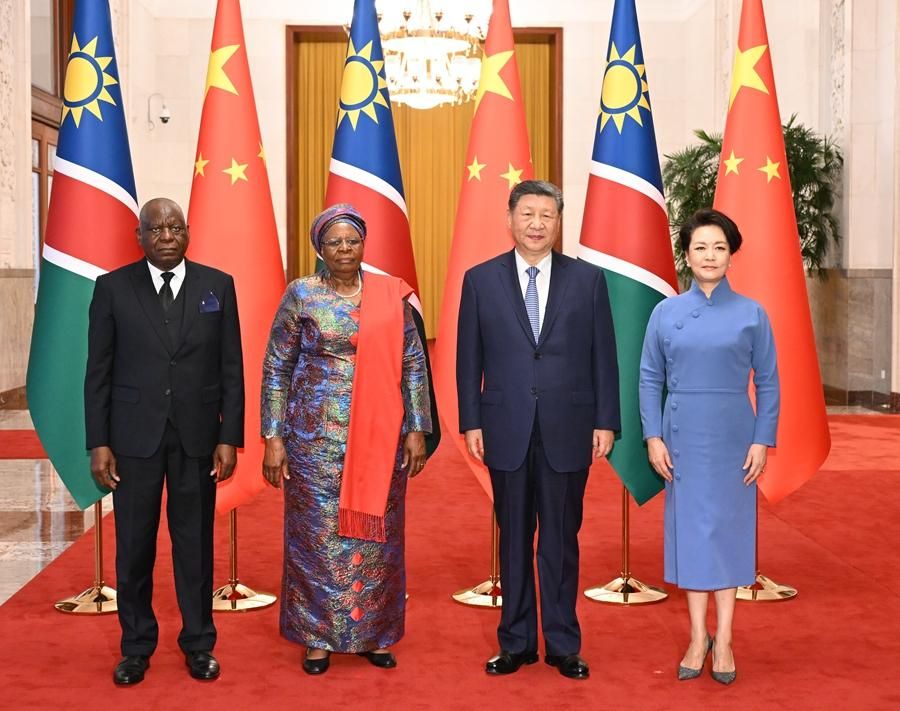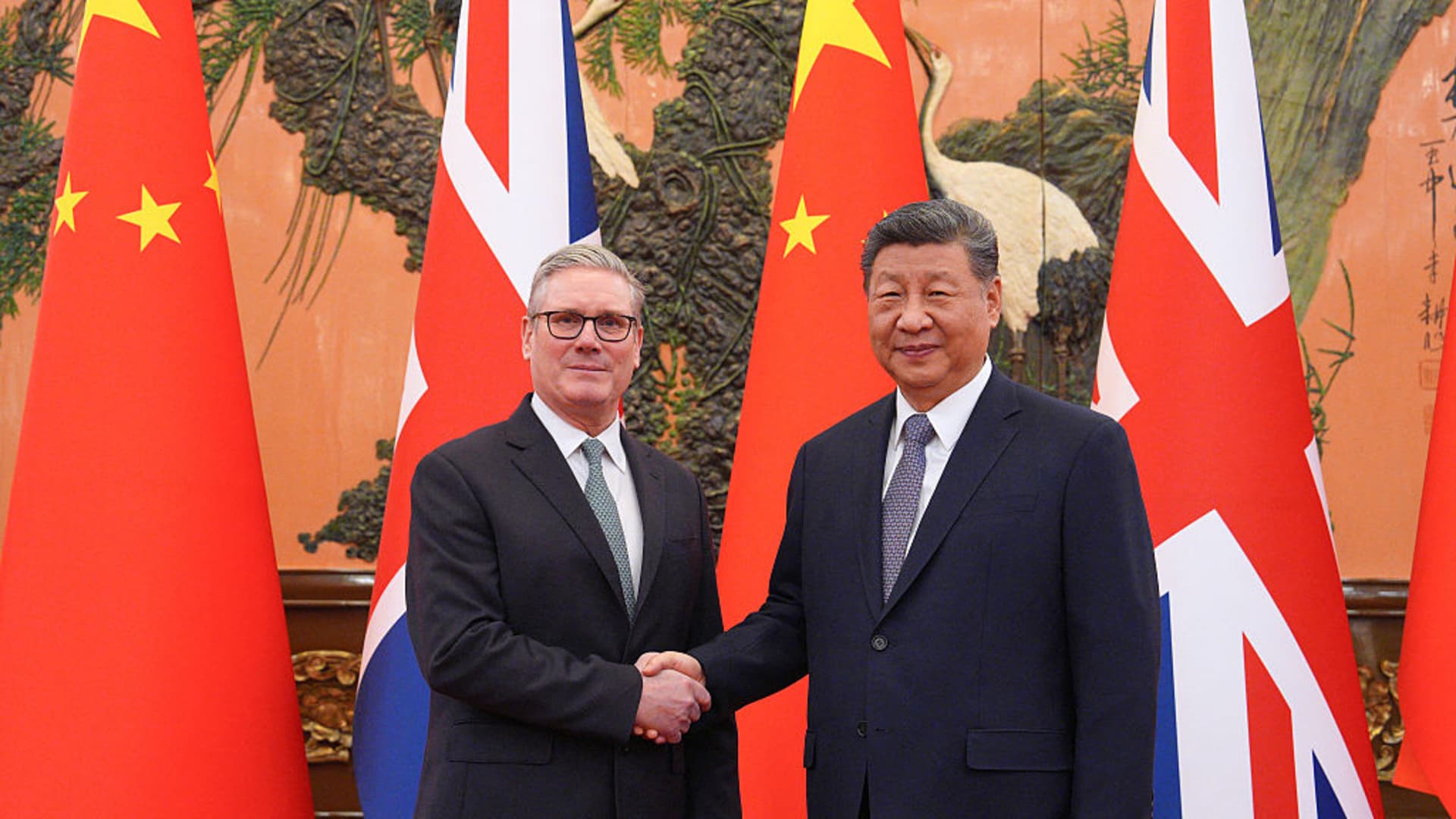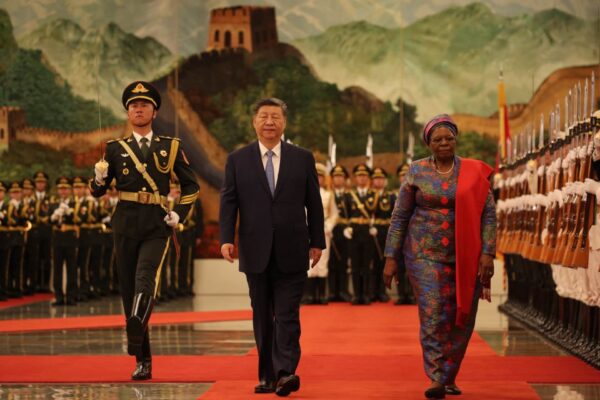
Since the start of 2026, few capitals have seen more diplomatic traffic than Beijing. A non-stop stream of world leaders has arrived seeking to deepen or recalibrate relations with China. Beyond the most headline-grabbing visits by U.S. President Donald Trump and Russian President Vladimir Putin, leaders from Canada, the United Kingdom, Spain, Uruguay, Ireland, South Korea, Vietnam, Serbia, and the United Arab Emirates, among others, have all made their way to China with distinct objectives in mind.
This burst of diplomatic engagement has take place against a backdrop of mounting global uncertainty caused by trade disputes, geopolitical tensions, and supply chain disruptions. As one of the world’s largest trading nations, home to some of the most complete industrial and manufacturing ecosystems, and a key node in global supply chains, the appeal of China is clear.
Yet this global trend has received far less attention for its implications for Africa, even as African leaders and senior officials – including Mozambique’s President Daniel Chapo, Liberia’s Foreign Minister Sara Beysolow Nyanti, Seychelles’ Foreign Minister Barry Faure, and South Africa’s Deputy President Paulus Mashatile – have also traveled to China this year.