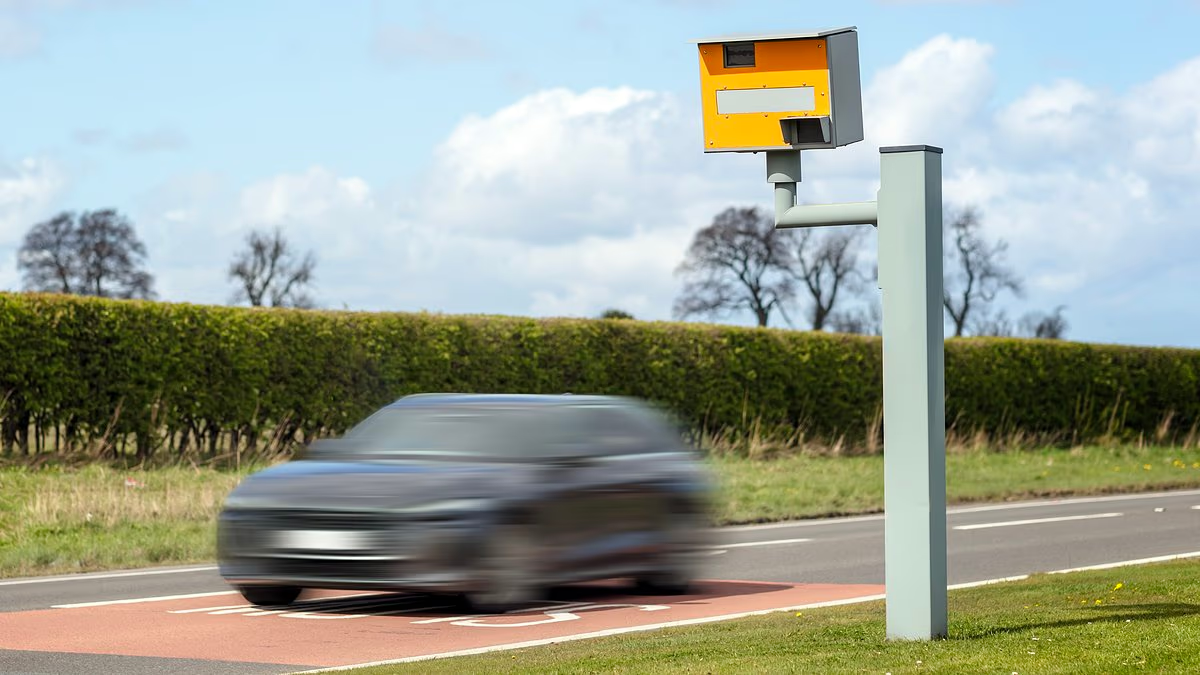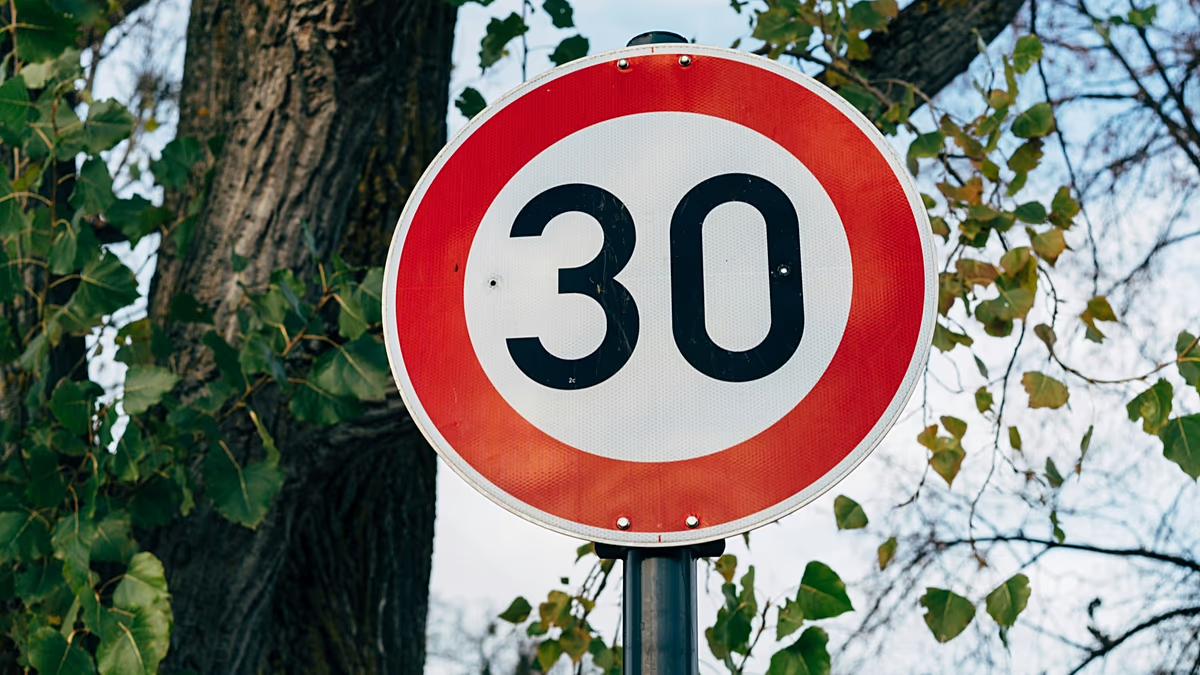
Sticking to the speed limit can “dramatically curb” fuel consumption and greenhouse gas emissions while saving drivers billions of euros annually.
Researchers at the University of Minnesota Twin Cities have analysed more than 120 million real-world vehicle trips in the US to understand the true impacts of speeding.
The study, published in the science journal Communications Sustainability, found that if drivers across the US complied with posted speed limits, it could save an average of $22 million (approximately €19.26 million), more than 25 million litres of fuel and 57,000 tonnes of carbon dioxide every single day.
These savings apply for light-duty engine-powered vehicles (LDVs) such as cars and small vans which account for 14.6 per cent of total energy consumption in the US.
According to a 2024 report by Odyssee-Mure, a project supported by the EU to monitor energy efficiency trends, LDVs consume around half of the energy used in European road transport.