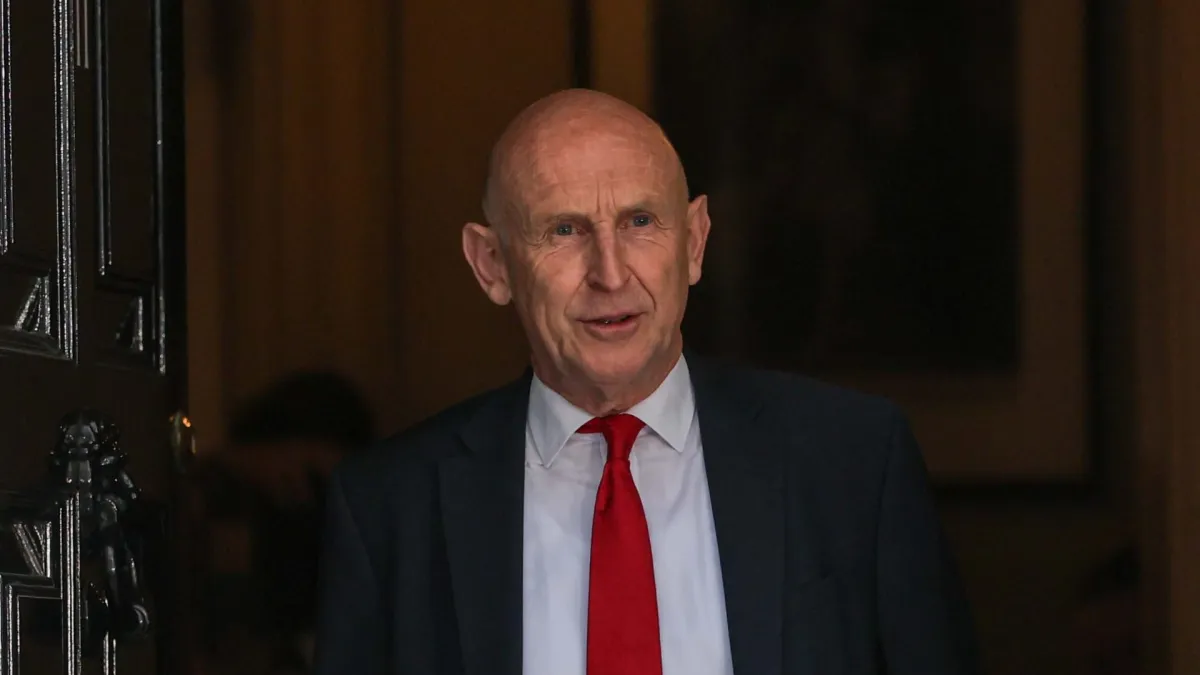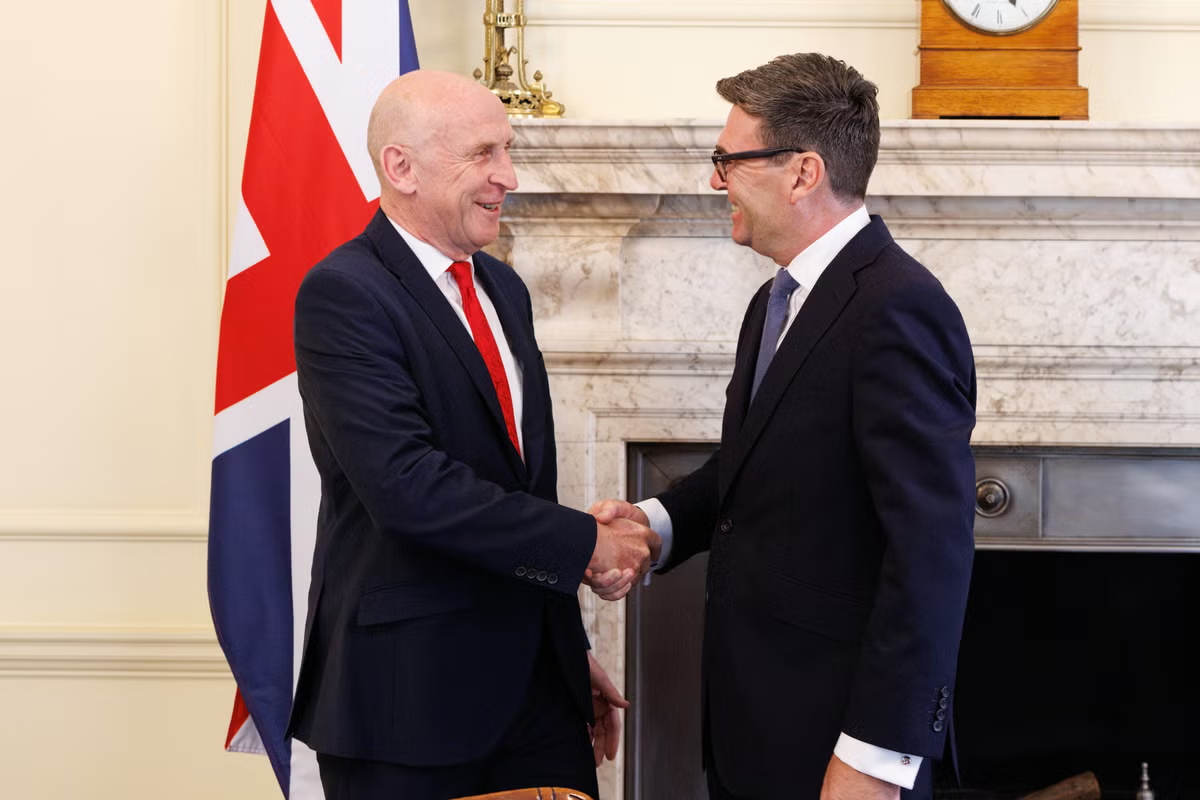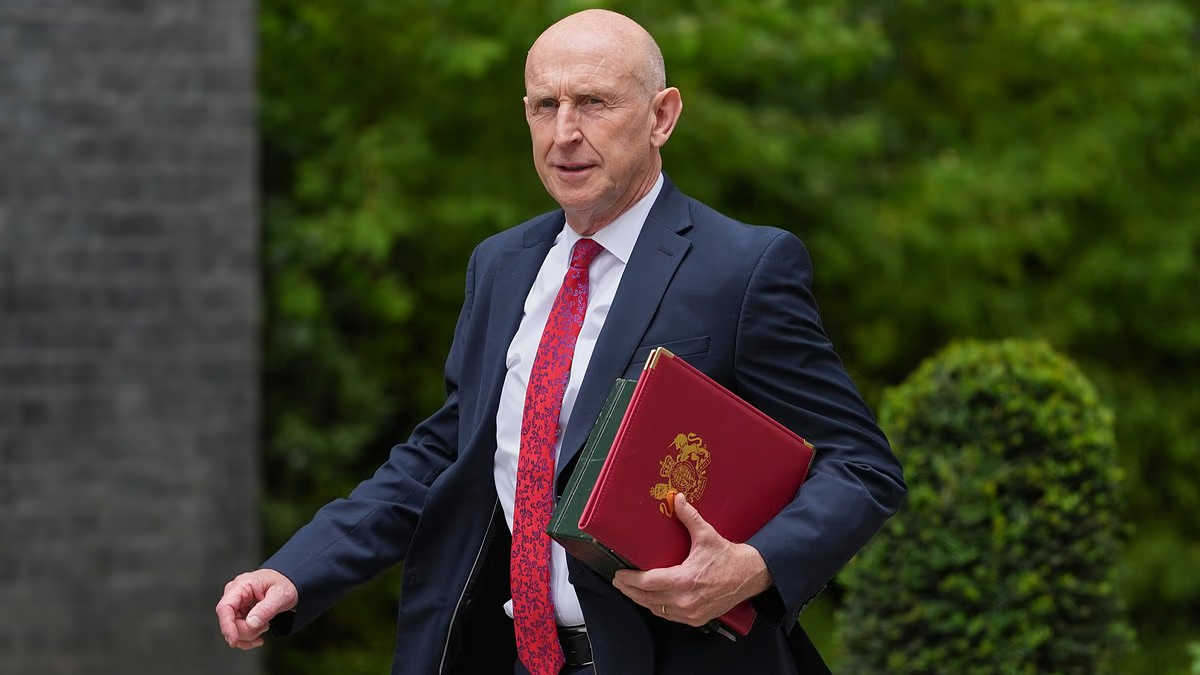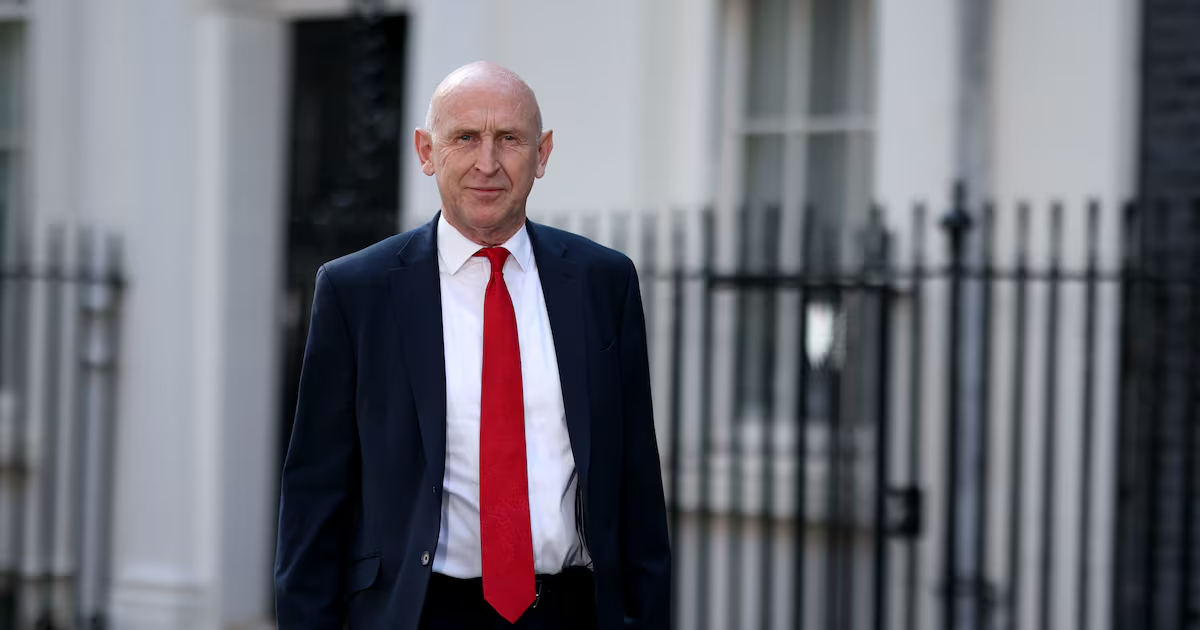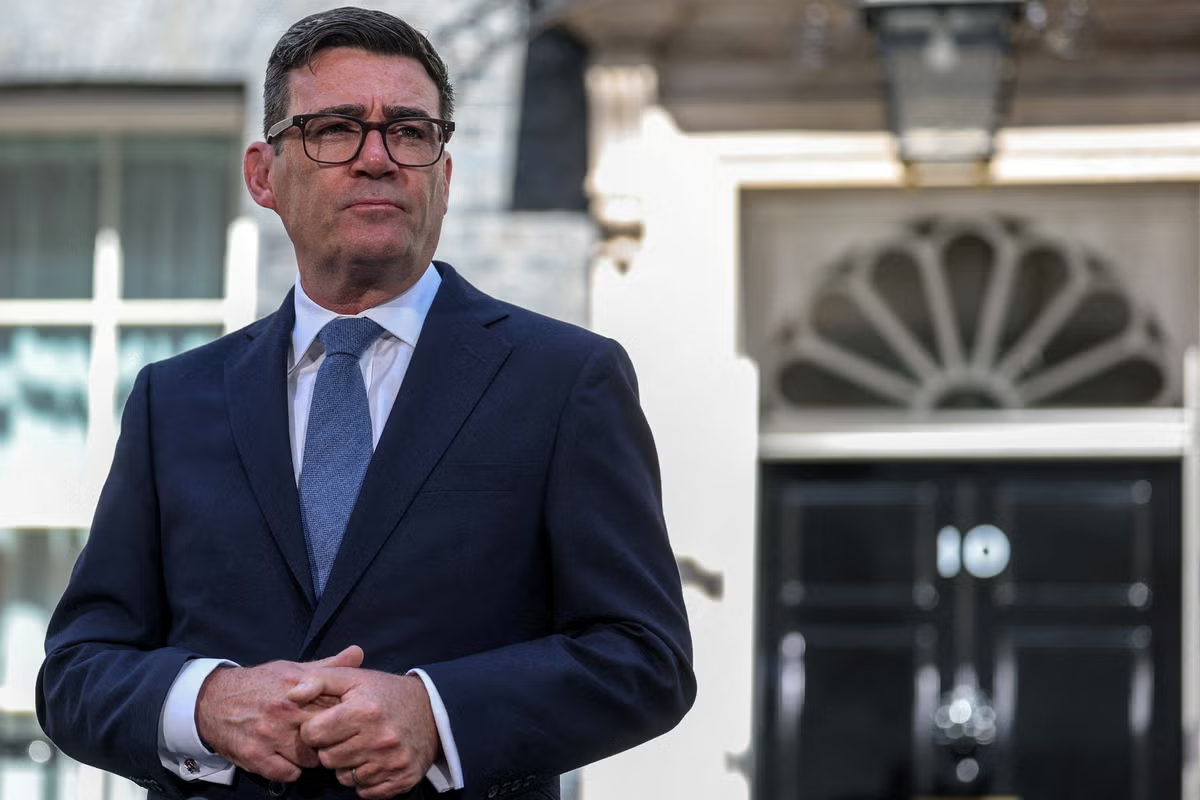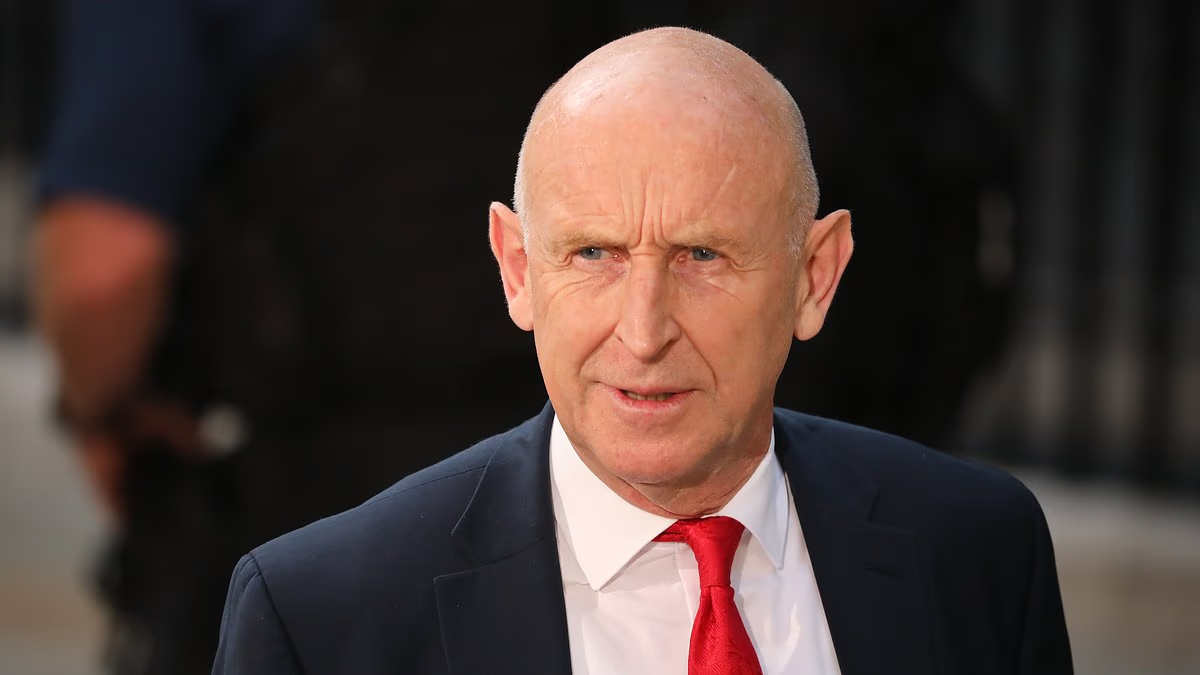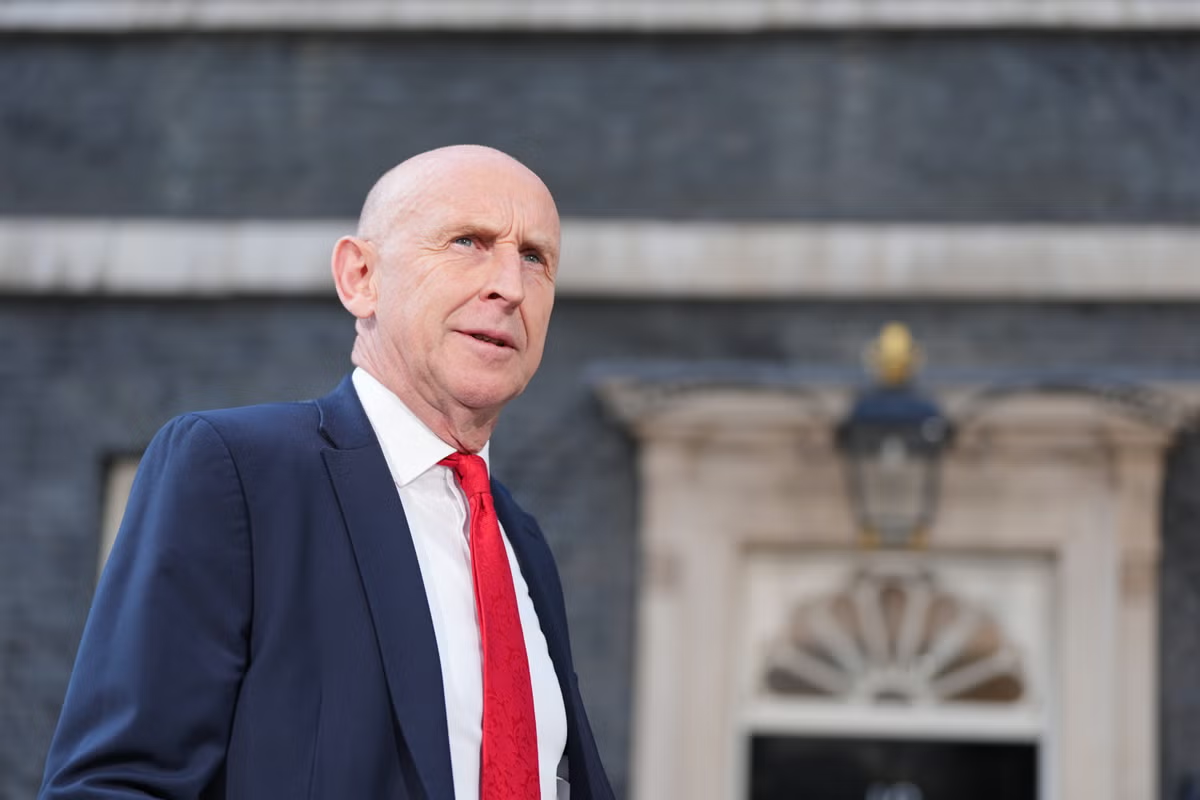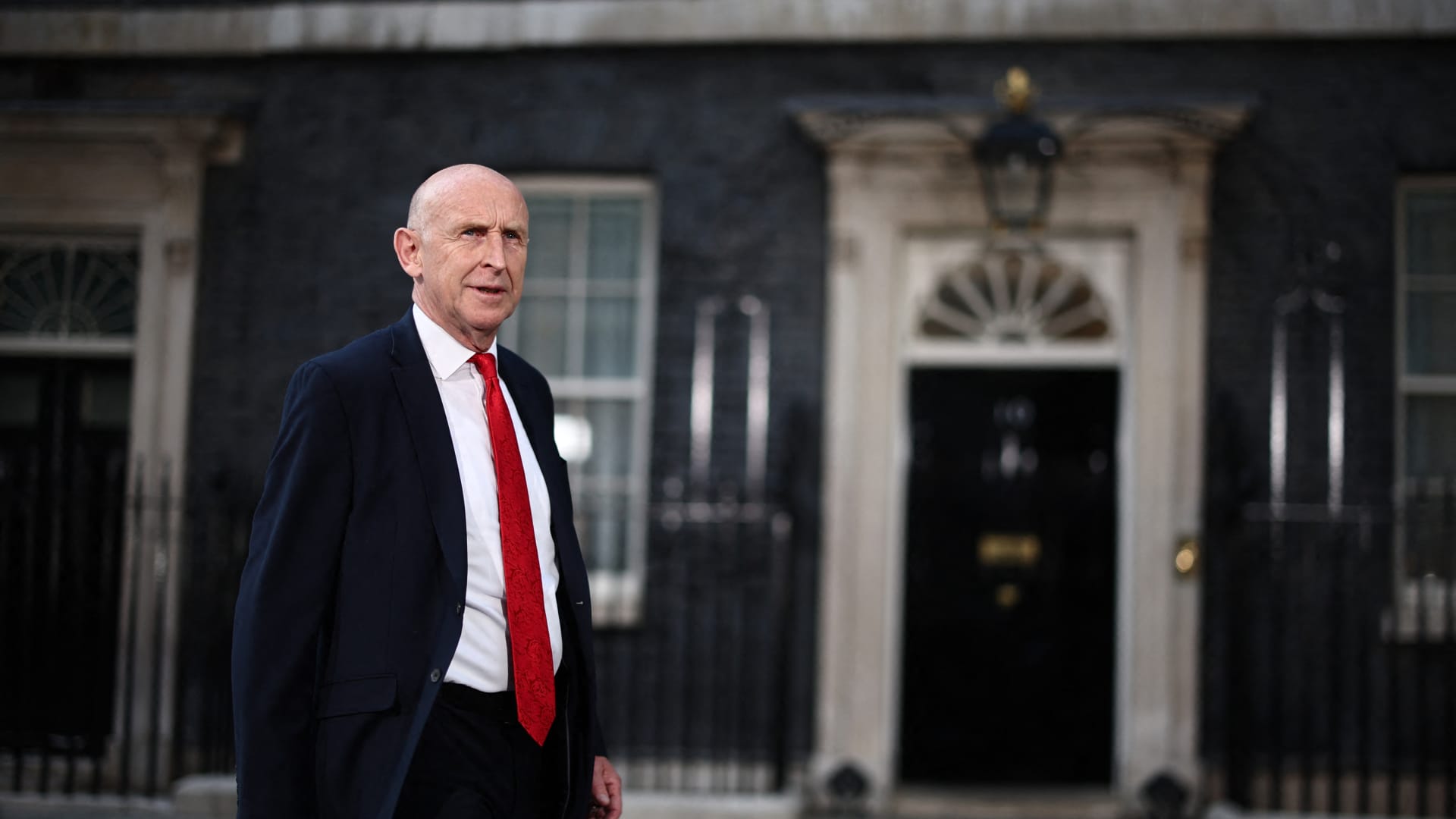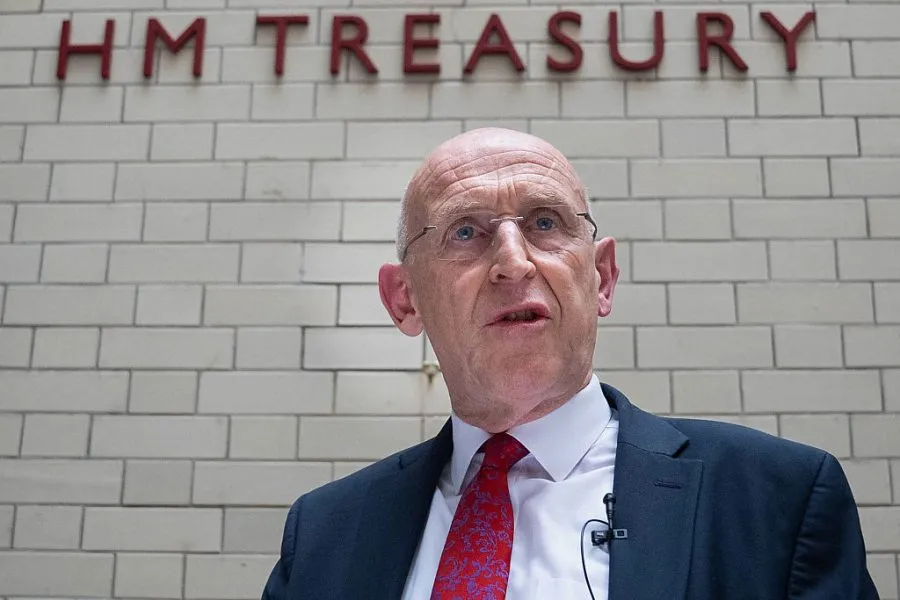
The appointment of John Healey as Chancellor sends a signal about defence funding. Healey resigned from Keir Starmer’s government over the former prime minister’s refusal to fund the £28 billion Defence Investment Plan, so it seems unlikely that he has accepted the position of Chancellor without a firm guarantee from Andy Burnham that defence spending will rise.
But what other fiscal instincts does Healey have? He has a strong grounding in economic policy, having served as a minister in the Treasury for five years under Tony Blair. He is generally seen as a non-factional, uncontroversial figure within the Parliamentary Labour party. His Hansard contributions from his period in the Treasury reflect the orthodoxies of the time. Interestingly, given the now-abandoned suggestion that Burnham might review the triple lock, Healey once argued against linking the state pension to earnings (then a Tory proposal) in the same parliamentary sitting in which our editor Michael Gove made his maiden speech.
With that said, Healey has occasionally shown signs of ideological flair. He called the two-child benefit cap cruel. He criticised the coalition for lowering the 50 per cent top rate of income tax and for cutting disability benefits. Healey was (unlike Rachel Reeves or Shabana Mahmood) happy to serve in Jeremy Corbyn’s shadow cabinet, in housing, although he did support Owen Smith’s failed coup attempt following the Brexit referendum. Healey was subsequently promoted to shadow secretary of state for housing.