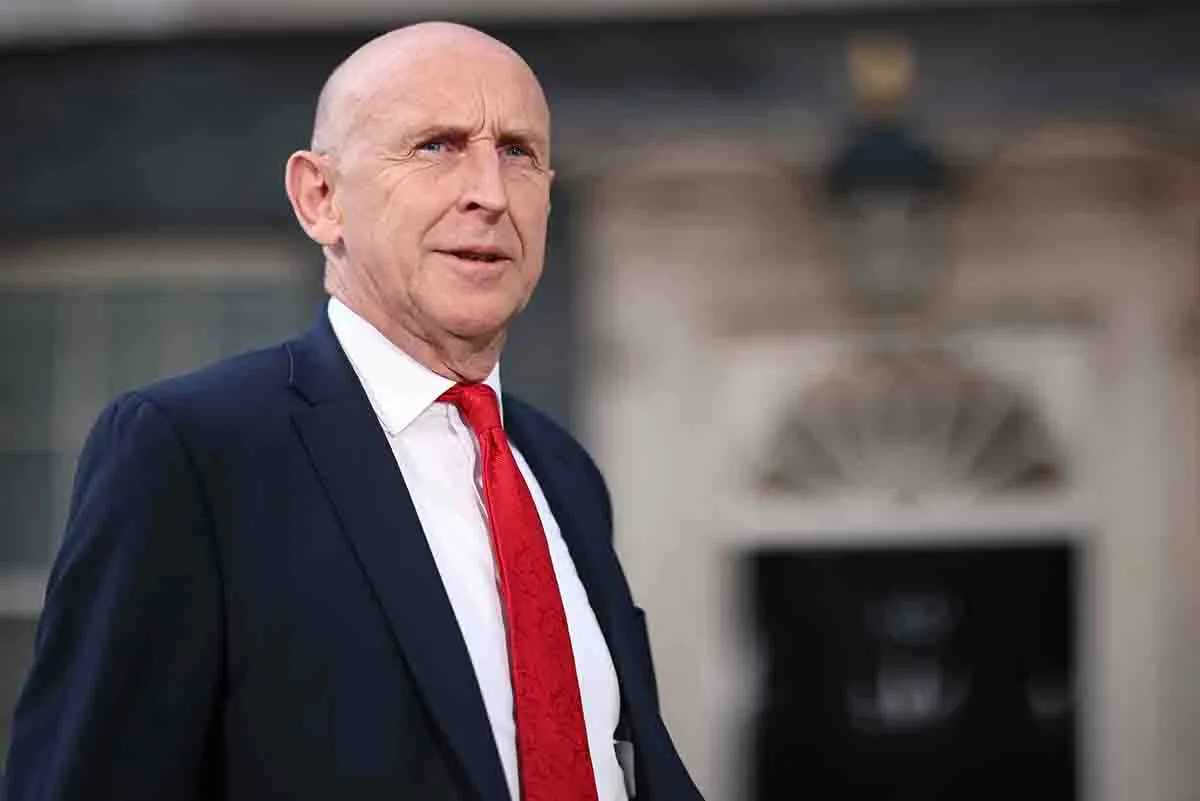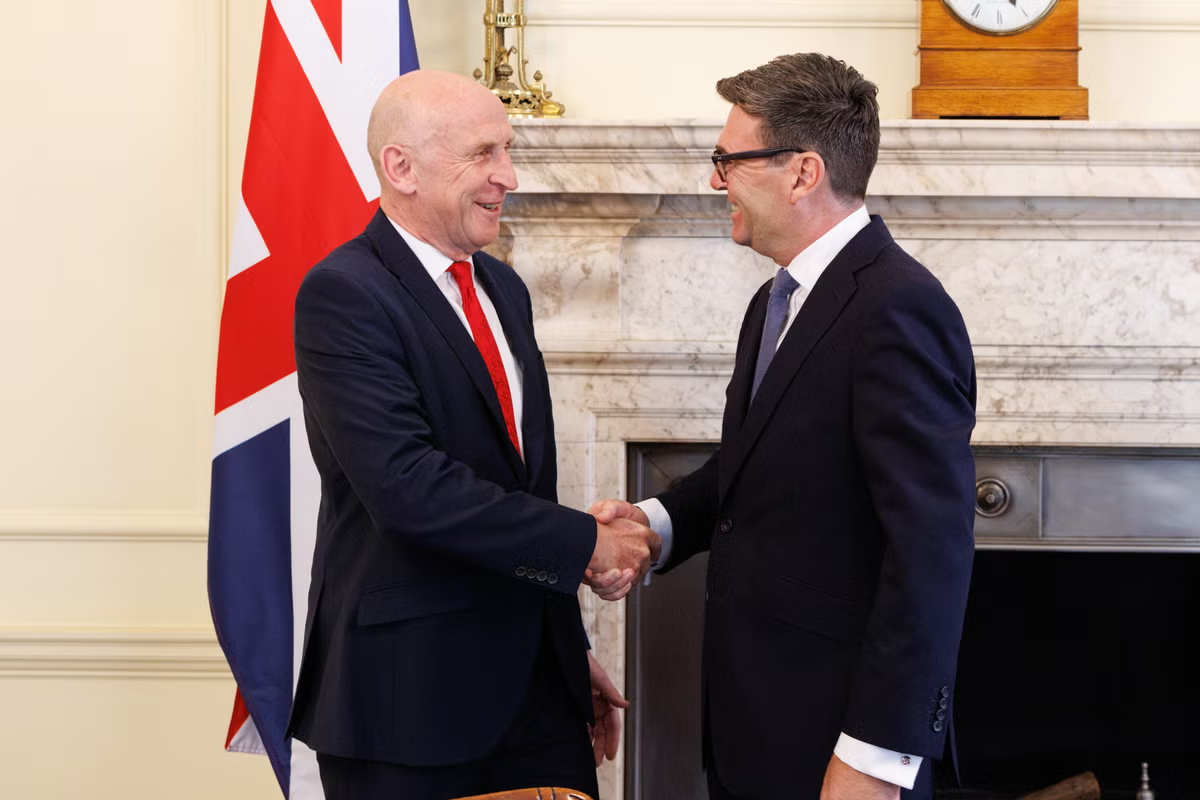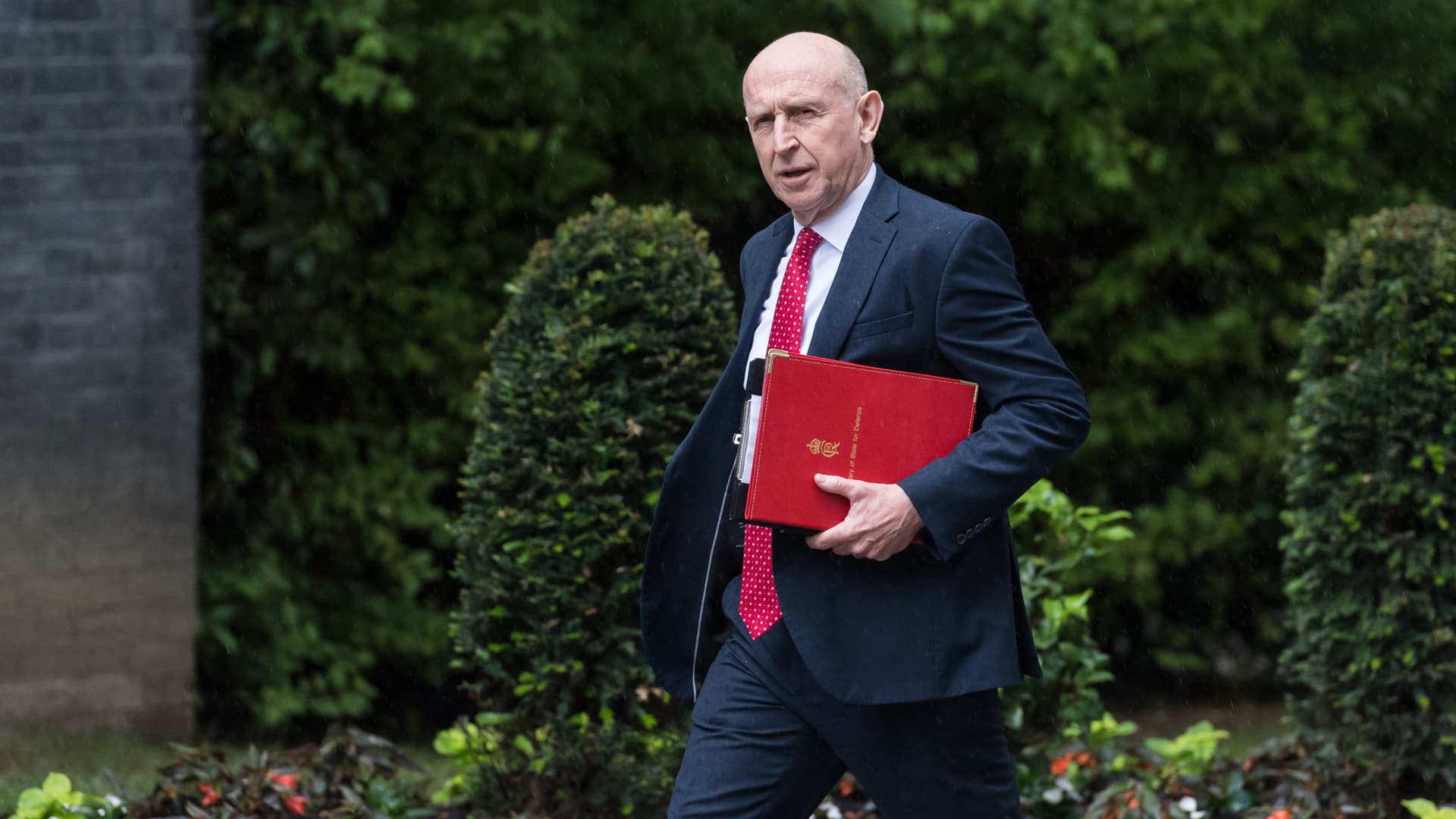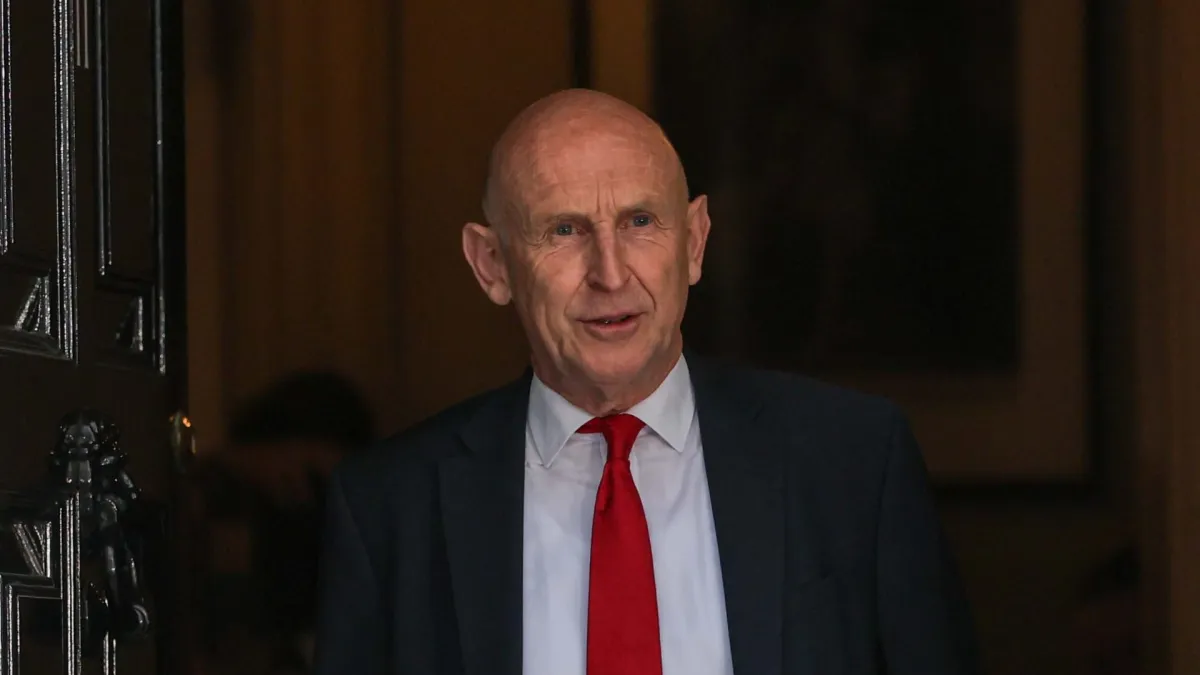
Britain’s new prime minister, Andy Burnham, named former defence secretary John Healey to be his chancellor of the exchequer in a surprise move that fuelled speculation about a bigger increase in military spending.Healey (66) served as a junior Treasury minister between 2002 and 2007, but his appointment to the second-most important post in government upended expectations in Westminster. Little is known about his position on economic issues, beyond the general assessment that he represented a safe pair of hands.Healey was voted second most investor-friendly option for chancellor in a Bloomberg of market participants clients behind former Health Secretary Wes Streeting. He was well ahead of former energy secretary Ed Miliband and home secretary Shabana Mahmood, who were thought to be front-runners for the post. Miliband is moving to the foreign office and Mahmood is staying in the home office.Stephen Phipson, chief executive of the manufacturers’ organisation Make UK, welcomed Healey’s appointment, citing his “reputation for being pragmatic, focused on delivery and committed to making government work effectively.”But Healey’s messy dispute over the defence budget with his predecessor, Rachel Reeves, complicates that picture. He quit last month, accusing the Treasury of being “unwilling to commit the resources that the nation needs to defend the country at this time of rising threats”.The Treasury has agreed to increase defence spending to 2.68% of economic output by 2030, well short of the 3% Healey had sought. Hitting the target would cost £10 billion ($13 billion), equivalent to raising the basic 20% rate of income tax by 1 percentage point. In his resignation letter, he said he wanted the defence plan fully costed in next year’s spending review.Speaking to the BBC earlier this month, Healey shared a dim view of the department of 3,850 employees that he’s now responsible for. “The treasury is a paradox,” Healey said. “You have some of the very best and brightest officials in the treasury, but you have too often a treasury orthodoxy that’s a dead hand on dynamic government.”He added that the department was “in denial about the commitment that the UK has rightly made to Nato and to our people.”Britain’s new chancellor was pushing for additional military funding to counter the threat posed by Russia and to meet US president Donald Trump’s demand that Nato countries spend more on their militaries. Escalating conflict in the Middle East presents another risk.How Burnham will approach military funding is a topic of intense speculation as Westminster as he settles into No 10. Economists and rival party MPs have called on the government to raise funding for defence through “war bonds” but the treasury has resisted the proposal because it fears a market backlash in response to an increase in borrowing.UK government bonds plunged on Monday after new Burnham unnerved investors with comments that he would seek “any flexibility” while following the government’s borrowing and spending rules. The selloff pushed yields on long-dated gilts to their highest since late May amid concern the new administration will add to the nation’s already-heavy debt load. The pound slipped.Advisers to Burnham argue that the prime minister needs an experienced and trusted figure to steward the economy, with policy driven out of No. 10 Downing St. Burnham wants his chancellor to deliver his core policies of maintaining economic stability, meeting the fiscal rules and supporting reindustrialisation, devolution and improving the cost of living. Healey and Burnham served side-by-side under then-prime minister Tony Blair.In the BBC interview, Healey said his five years in the treasury two decades ago taught him that the department’s “essential responsibility is on fiscal and monetary policy: Low inflation, financial stability.“But also, it can and it has to drive economic growth, raise levels of productivity, support business competition, investment for the future,” he said. - Bloomberg
Who is Britain’s new chancellor John Healey?
Burnham appoints former defence secretary to key role in surprise move
623 words~3 min read