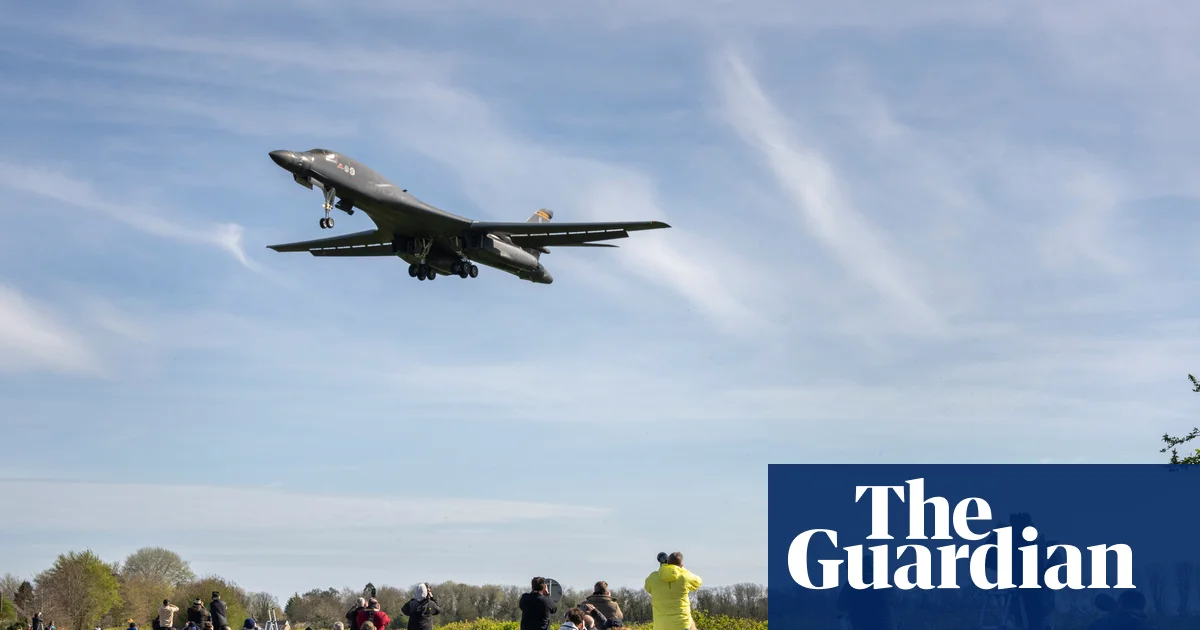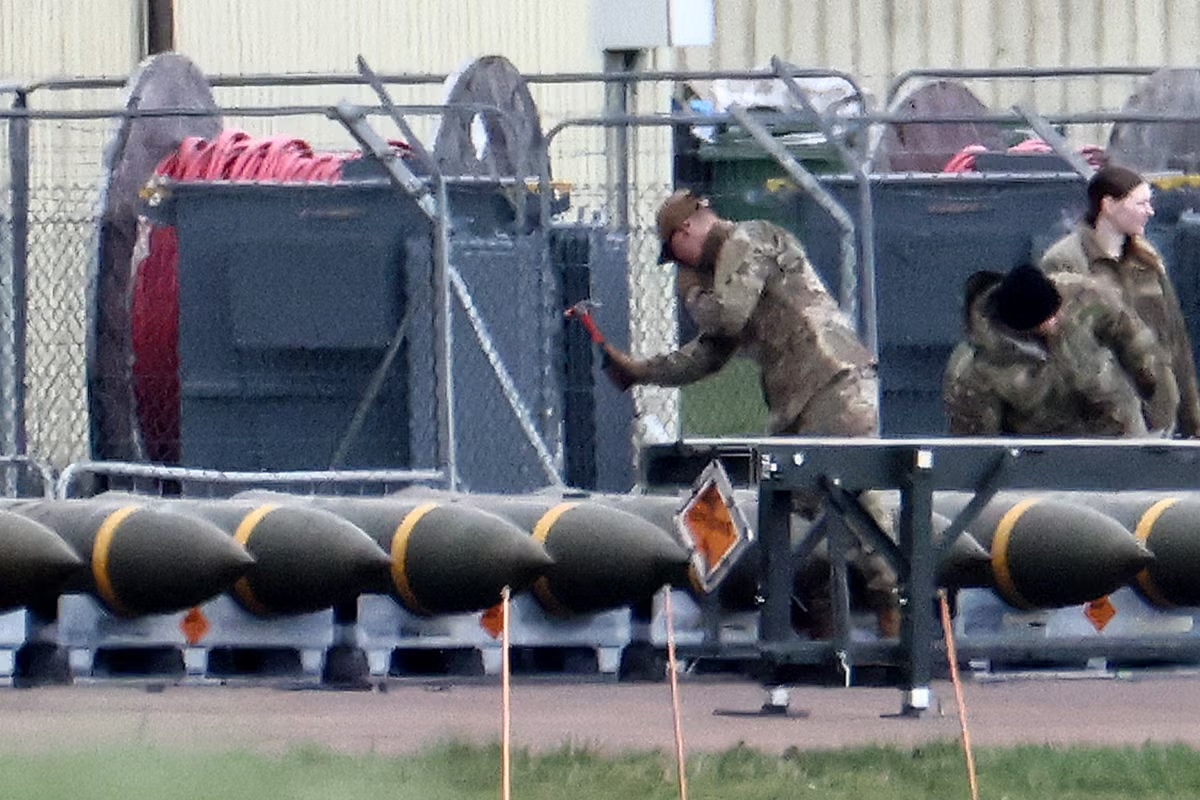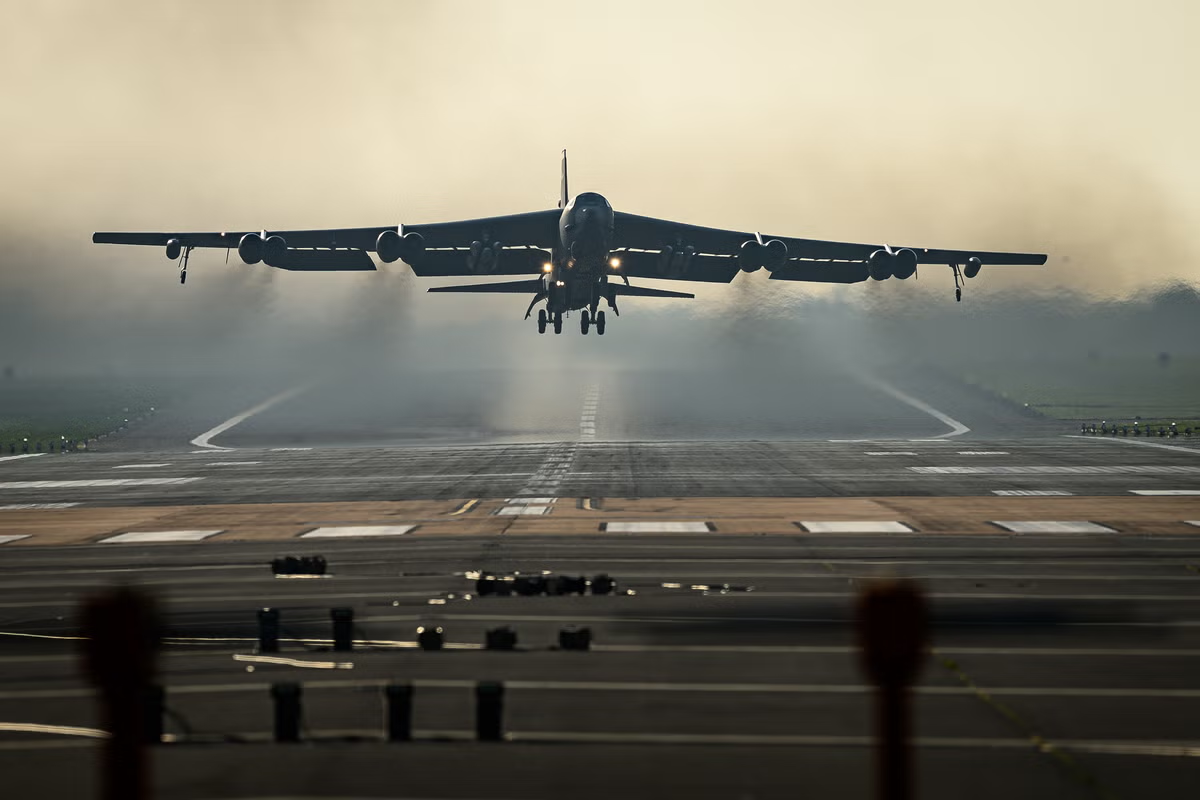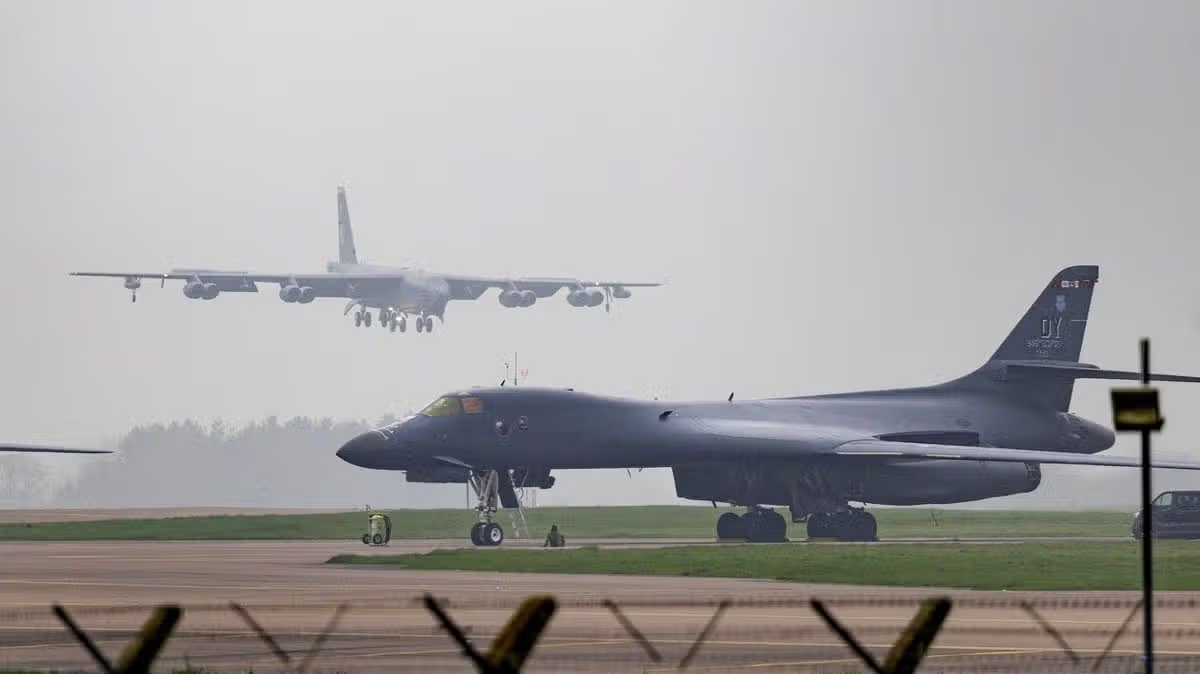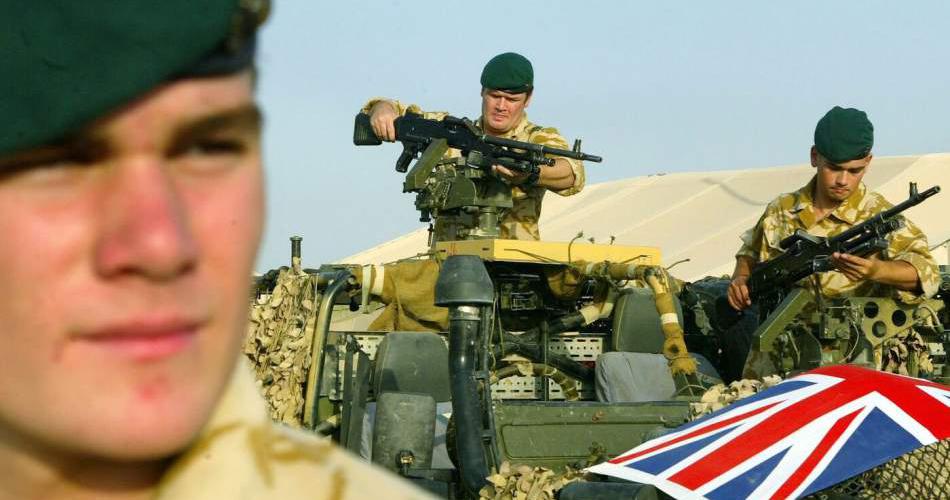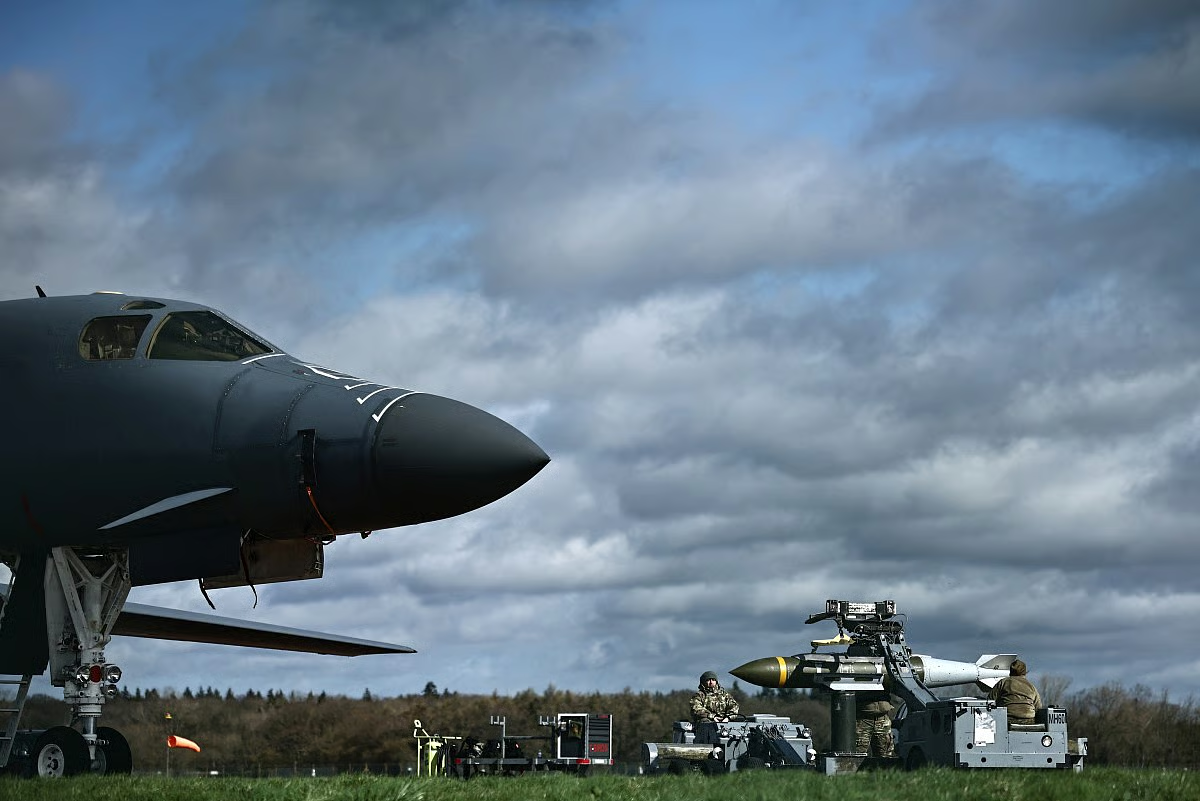
US intensifies strikes on Iran as Britain braces for retaliation, and troop buildup growsLast updated: July 24, 2026 | 09:013 MIN READJoint Direct Attack Munitions (JDAMs) are taken from a US Air Force B-1 Lancer bomber at RAF Fairford in south-west England on March 15, 2026.AFPTensions between the United States and Iran escalated further on Thursday night into Friday as Central Command forces conducted a 13th consecutive night of airstrikes on Iranian military targets, while Britain declared its armed forces ready to defend the homeland after Iranian threats linked to the use of UK bases for US bombers. Get updated faster and for FREE: Download the Gulf News app now - simply click hereThe developments come amid a major American military buildup in the Middle East, with more than 50,000 US troops now in the region, including additional combat medics and support personnel. President Trump has issued stern warnings that civilian infrastructure could come under attack if Iran persists in threatening commercial shipping in the Strait of Hormuz. Iran declares British military installations 'legitimate targets'Iran’s Islamic Revolutionary Guard Corps (IRGC) has declared British military installations hosting US operations — notably RAF Fairford, from which B-1 bombers have launched — as “legitimate targets,” marking a significant broadening of the conflict’s potential reach into Europe. British officials responded defiantly, stating that the country’s forces stand prepared to counter any aggression. Widening conflict, role of alliesThe current phase of hostilities traces back to an initial US-Israeli military campaign launched in late February 2026, triggered by longstanding disputes over Iran’s nuclear program, regional proxy activities and security concerns. What began as targeted strikes has evolved into a sustained air campaign punctuated by fragile ceasefire attempts, retaliatory exchanges and economic pressures, including disruptions to vital shipping lanes. Britain’s involvement, while framed by London as supportive of “defensive” operations to protect allies and global commerce, has now drawn direct threats from Tehran. The deployment and launches of US B-1 Lancer bombers from RAF Fairford in Gloucestershire represent the first such use of British soil for strikes in this conflict, according to reports. These supersonic aircraft, capable of carrying substantial conventional payloads, have added significant long-range strike capacity to American operations. A senior British defence source told reporters that the armed forces “are ready to keep the United Kingdom safe from any kind of attacks, whether it’s on our soil or from abroad.” US posture and Trump’s warningsThe Pentagon has steadily reinforced its presence across the Gulf and broader region. US Central Command has described the ongoing strikes as aimed at degrading Iran’s missile capabilities, drone facilities, air defenses and maritime assets used to harass commercial vessels. In public remarks, President Trump has grown increasingly blunt, stating that continued Iranian threats to shipping could result in strikes on civilian infrastructure. The administration links the pressure campaign to securing safer navigation in the Strait of Hormuz, a critical chokepoint for global oil flows. Latest UpdatesStrikes continue: US forces hit Iranian military sites for a 13th straight night, focusing on capabilities threatening maritime traffic.Troop surge: American personnel in the region now exceed 50,000, with recent deployments emphasizing sustainment and medical support.UK on alert: Britain confirms readiness after Iranian designation of bases as targets; B-1 operations from UK soil mark a notable escalation in allied exposure.Diplomacy: Efforts at de-escalation appear stalled, with both sides trading accusations and maximalist public positions even as back-channel communications persist through intermediaries.Get Updates on Topics You ChooseUp Next
UK says ready to defend itself amid Iran threats
US intensifies strikes on Iran as Britain braces for retaliation, and troop buildup grows
573 words~3 min read