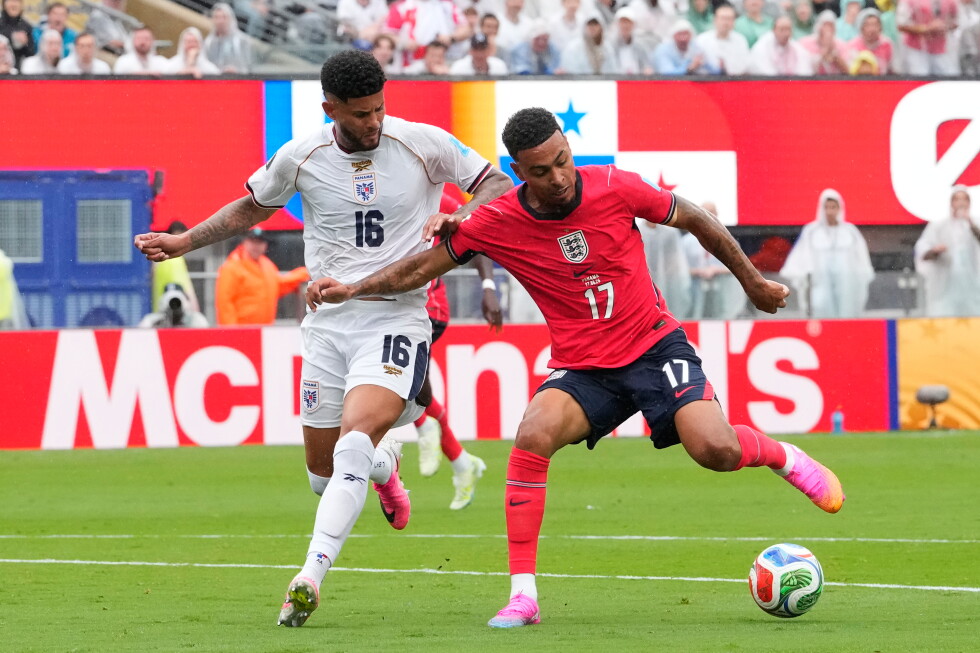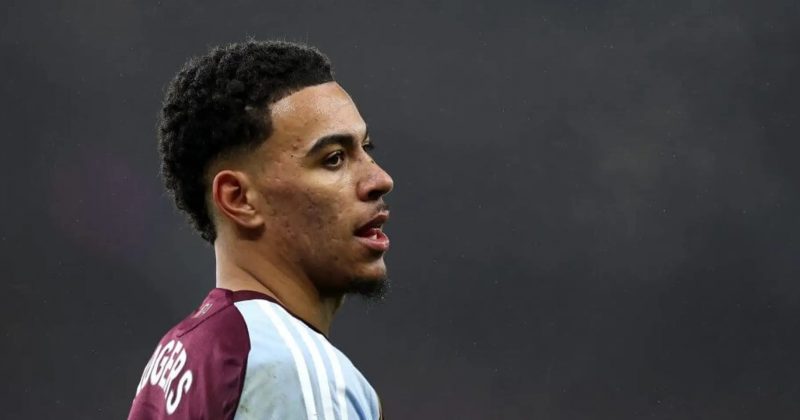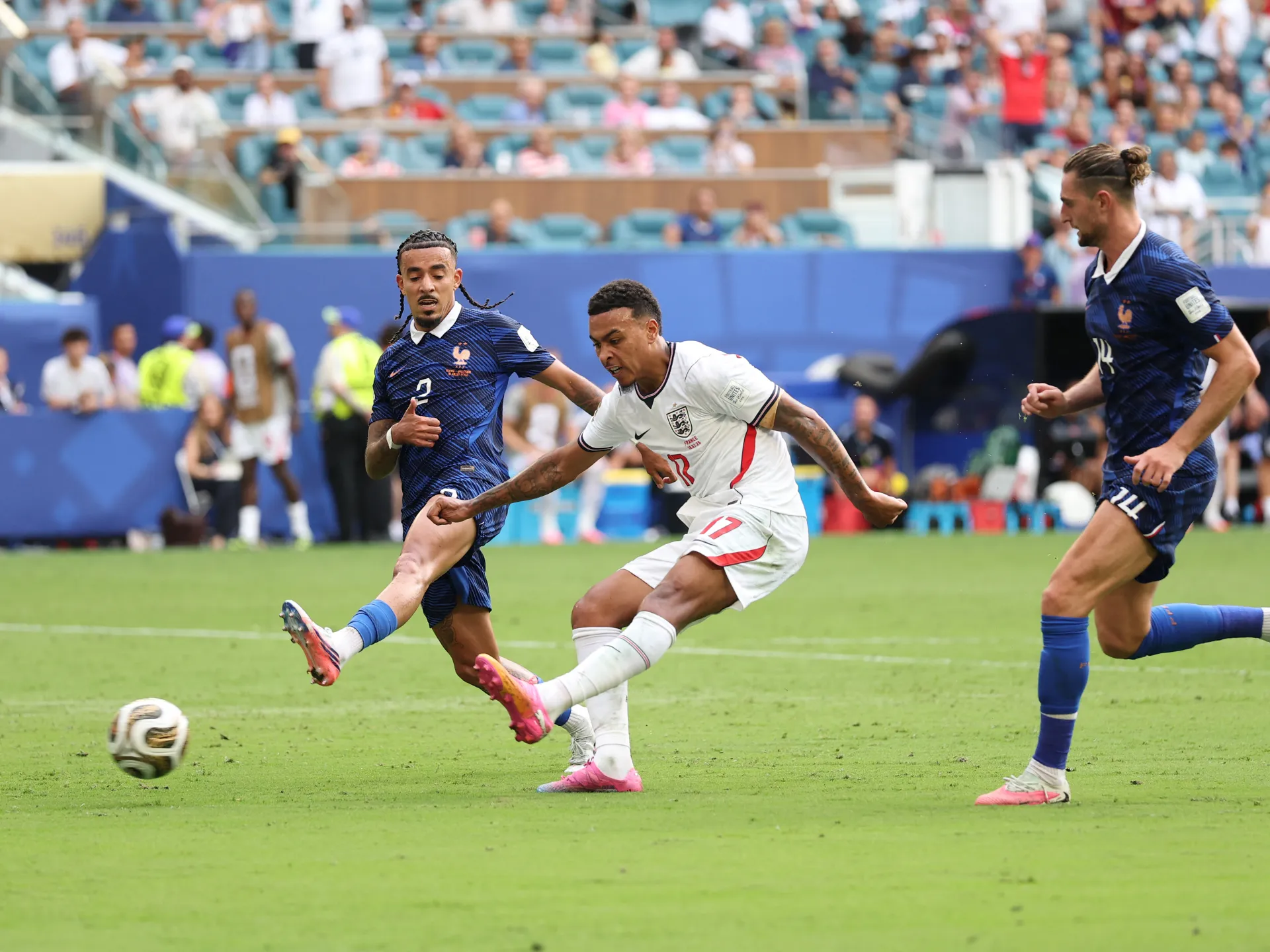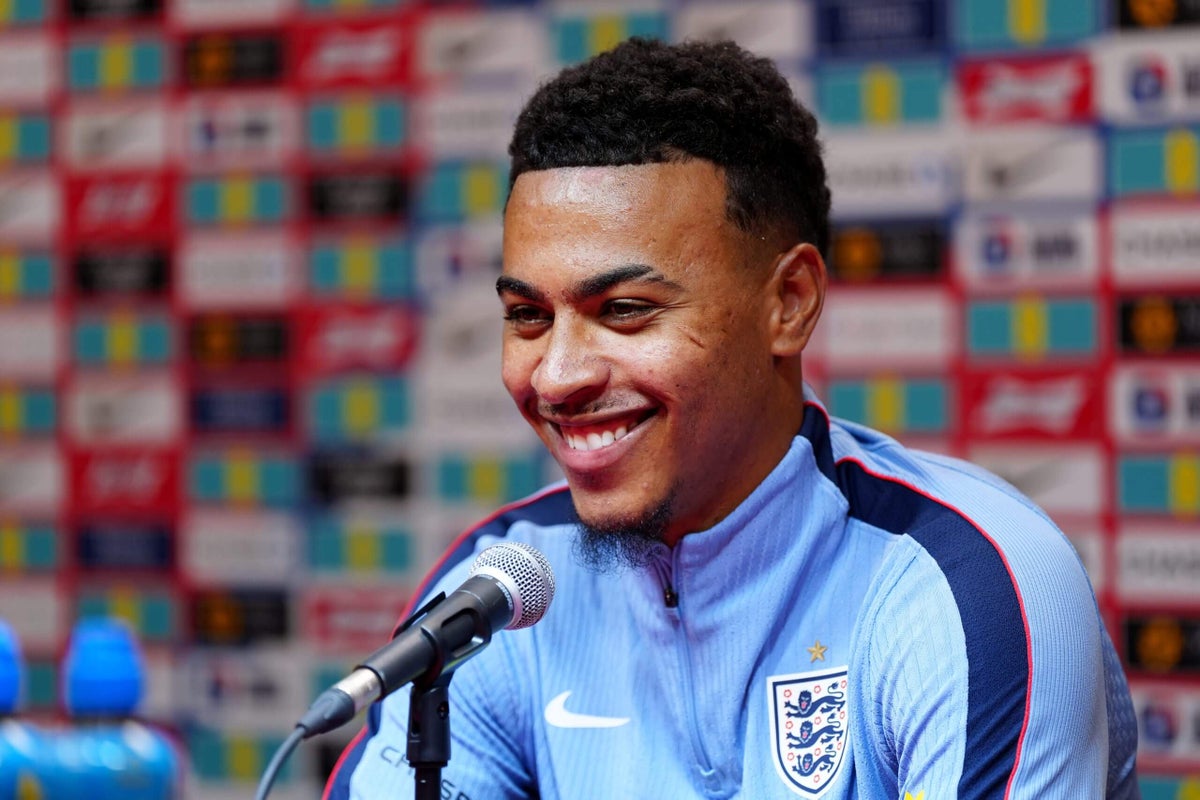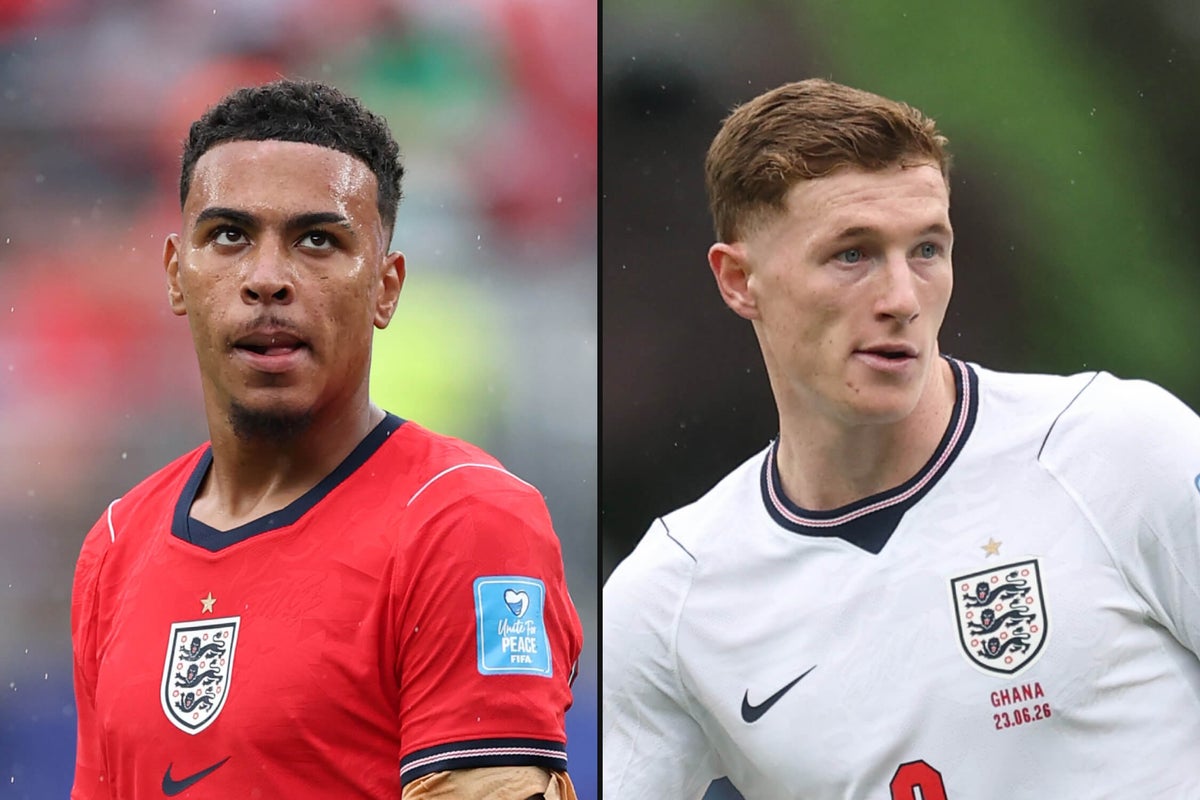
Elliot Anderson and Morgan Rogers ended last season as World Cup hopefuls, two of England’s brightest young talents and among the candidates to be the Premier League’s marquee signing of the summer.They will enter the new campaign as World Cup bronze medallists and under the sort of scrutiny that only a nine-figure transfer can bring.Chelsea announced the arrival of Rogers from Aston Villa for £117million ($156m) on Tuesday night. Manchester City officially confirmed Anderson’s £116m move on Thursday, having previously said an agreement with Nottingham Forest had been reached, but that the deal would not be finalised until after the tournament in North America.The number of parallels between their cases is startling: negotiations concluded early in the transfer window, their new teams seeing off rival suitors and, most significantly, those eye-watering fees. But of the two Premier League giants who have thrown their financial heft at these signings, whose is the better deal?First things first: neither of these deals represents ‘good value’. Nobody has got themselves a bargain here. Both City and Chelsea have broken their club records to get their man, and it is worth pointing out that other wealthy clubs — Manchester United in Anderson’s case, Arsenal in Rogers’ — backed out of their pursuits due to the huge cost.Both Anderson and Rogers are undoubtedly very valuable players, but the reason their fees have hit such heights is as much to do with circumstance as talent.Elliot Anderson excelled at Nottingham Forest to earn his move to Manchester City (Ryan Pierse/Getty Images)Just as last year was the summer of the striker, we are now in the summer of the midfielder, with Premier League teams seeking athleticism and control in a division that demands it more than ever.Both selling clubs had tied players recognised as their biggest assets to long-term contracts and were therefore in strong negotiating positions. City’s deep pockets and determination to recruit Anderson helped Forest extract a record fee for a British player — which in turn was used as a benchmark for Rogers’ sale by Villa to another of the few clubs with enough money to close a deal.These figures set standards that are near-impossible for the players involved to live up to, but it is still worth exploring which of Anderson and Rogers might actually provide the most bang for that considerable amount of bucks.There is almost nothing to separate them in terms of physical readiness.Anderson’s injury record is slightly worse by virtue of a stress fracture in his back that kept him out for four months in the middle of the 2023-24 season, but over the two subsequent campaigns both have been near-constantly available.At 23 years old (Rogers is three months older), each is entering the peak years of his career. They both have experience of the dual demands of domestic and midweek European fixtures — an attribute that will not be needed in Rogers’ first season at Chelsea, but that they will hope is relevant over the longer term of his contract.There is little sense in trying to judge who brings more value by directly comparing their on-pitch output, given the two have been recruited to play very different roles. The valid lens through which to compare these deals is whose new club needs them most.Traditionally, the biggest fees in football have been paid for those who bring the goals: the moves of Neymar (€222million — £190m/$253m at the current rates) and Kylian Mbappe (€180m) to Paris Saint-Germain and Alexander Isak’s £125m switch to Liverpool being examples.Rogers, though an attacking midfielder as opposed to an out-and-out forward, is also a goalscorer, and part of the attraction for Chelsea is his ability to contribute across the forward line.Morgan Rogers can operate across the front line, as he did for Aston Villa (Stu Forster/Getty Images)He will add power, versatility, and match-winning moments to their attack with his wicked finishing, all of which are very welcome as they look to rebuild after a disastrous second half to last season — as is the composure and maturity he’ll bring to a side who have often lacked it.But his signing also raises questions about how everyone in Chelsea’s first-team ranks fits into the squad, particularly in a season when they are without European football. Enzo Fernandez, as it stands, is still a Chelsea player and the box-crashing role from the left pocket that brought the best out of him last season is exactly what Rogers is best suited to. Geovany Quenda, Pedro Neto, Estevao and Jamie Gittens are all wide-forward options.Make no mistake: Rogers brings different attributes that complement those of his colleagues.How does a World Cup affect the transfer market?Christopher HamillHe has the athleticism and physicality that younger players at Chelsea are still developing, while 19-year-old Estevao has the technical dribbling ability that the Englishman can still develop.Rogers will absolutely improve Chelsea’s attack, and could play a key part in returning them to the Champions League over the next nine months. But he is bolstering a squad that already has considerable depth in his preferred positions — and one that, with the return of a fully-fit Levi Colwill in defence following last season’s ACL knee injury and the boost of an extremely promising new manager in Xabi Alonso, should have had the means to achieve its aims without adding him to the mix.That Chelsea moved so aggressively to secure a player of Rogers’ calibre despite the options already available in their squad shows that they are not taking any chances.Yet, despite technically being the less-expensive player of the two on the balance sheet, it is Anderson who is the more indispensable to his new club.Under the now departed Pep Guardiola over the past 10 years, the pillars of City’s modern-era dynasty have been control and possession, and central to that has been a well-oiled midfield engine. Their dynamism and physicality in the middle of the park have waned in recent seasons, though, and it is hard to see the drop-off in trophies won in that time as a coincidence.Guardiola has of course now been replaced by his former City assistant Enzo Maresca, but the new manager is expected to continue with similar principles.Kevin De Bruyne’s departure in summer 2025, Bernardo Silva’s this off-season and questions over Rodri’s future mean City need to rebuild the most important part of their creaking winning machine. Signing a central midfielder of the highest quality in this window was not merely a target, but a necessity if they are to challenge for the title in the coming campaign.Erling Haaland should benefit from Elliot Anderson’s presence at Manchester City this season (Carl Recine/Getty Images)Anderson ticks the boxes of physical ability, intelligence, and desire to win and retain the ball — and the club view him as not only a ready-made partner to Rodri, but a replacement for the 30-year-old Spaniard when needed.City’s new keystone might not be as eye-catching on the pitch as Chelsea’s all-action attacker Rogers.But despite what the headline figures say, Anderson is more valuable.
Morgan Rogers and Elliot Anderson cost Chelsea and Man City eye-watering fees – but who got the better deal?
The England team-mates just cost £117m and £116m respectively and will be key to how their new teams compete in the season ahead
1,164 words~5 min read