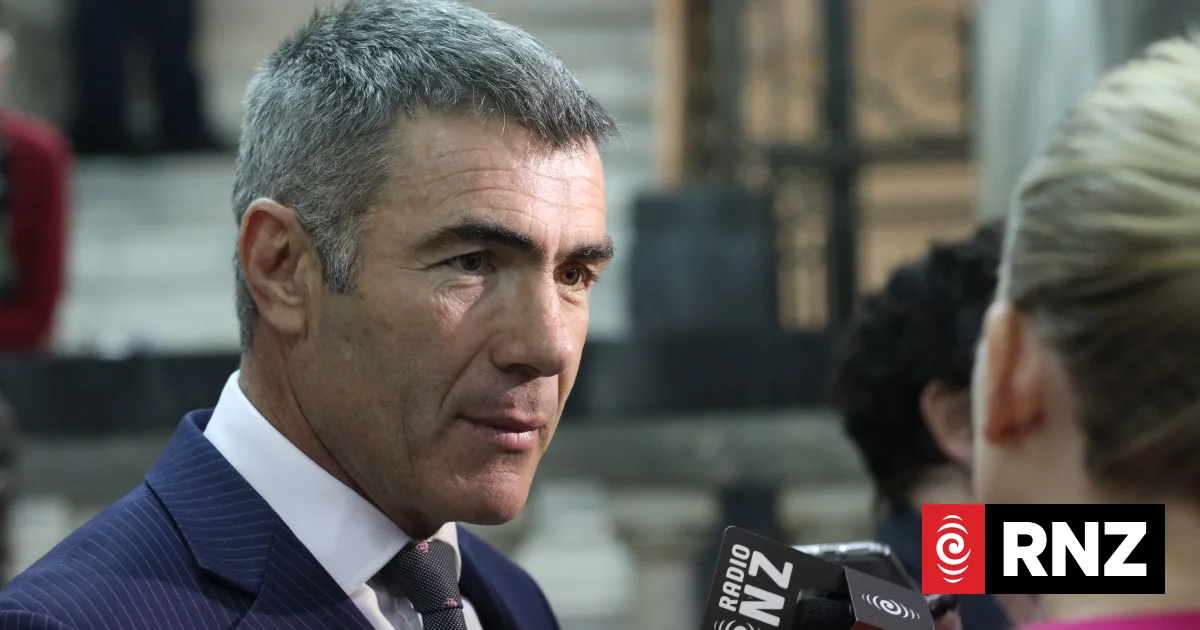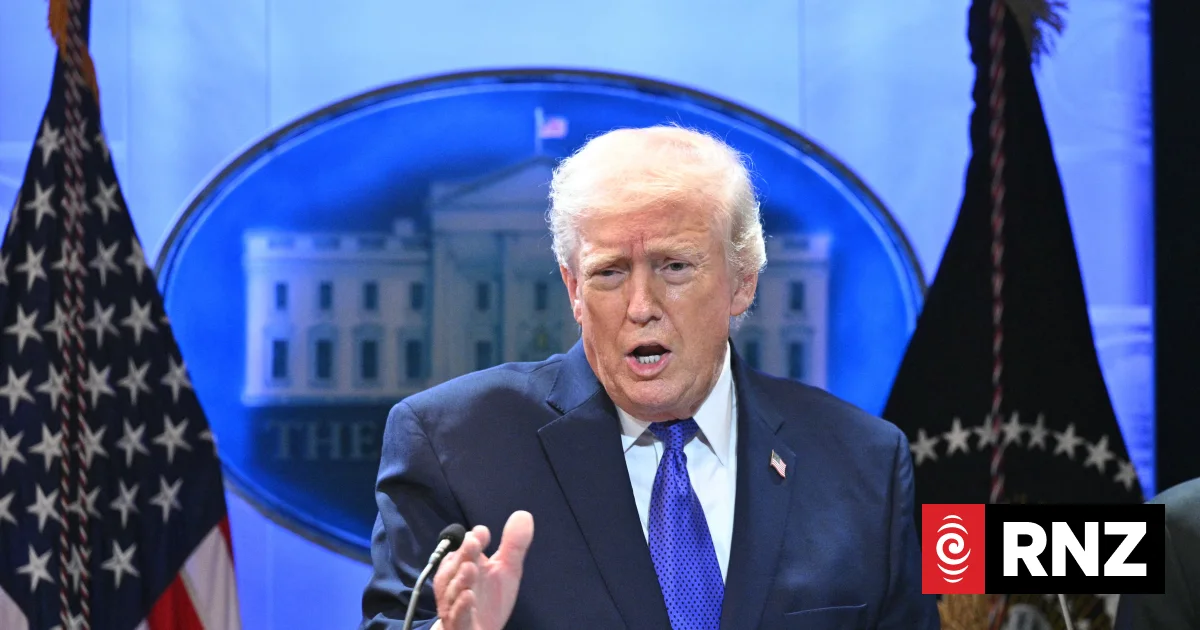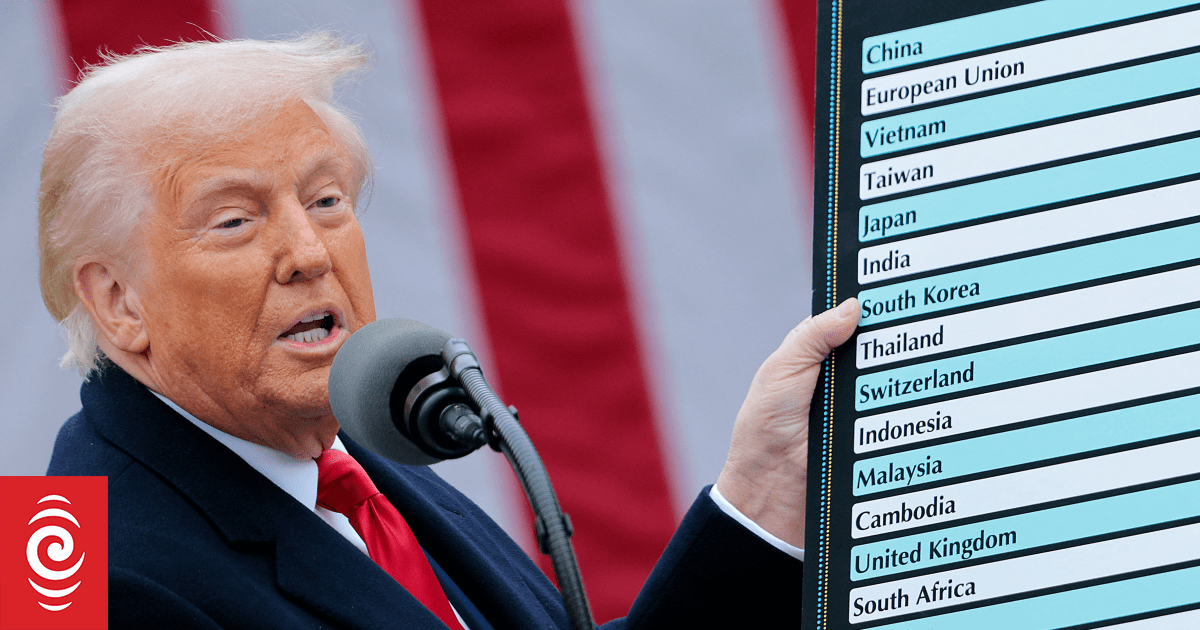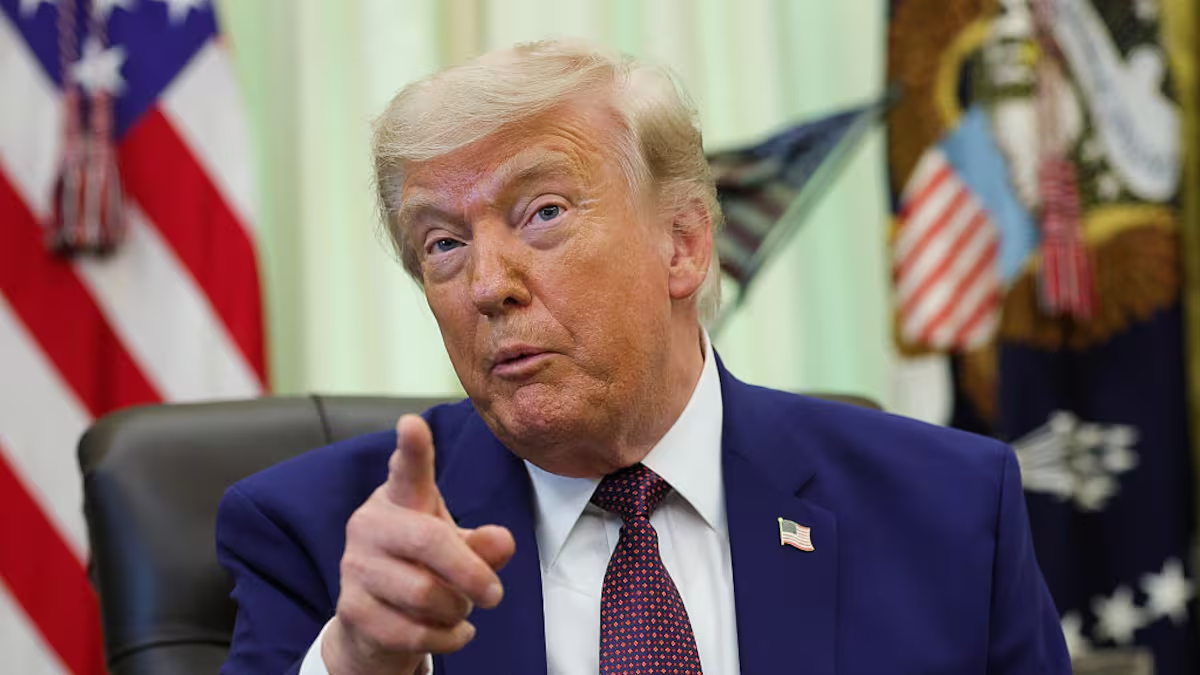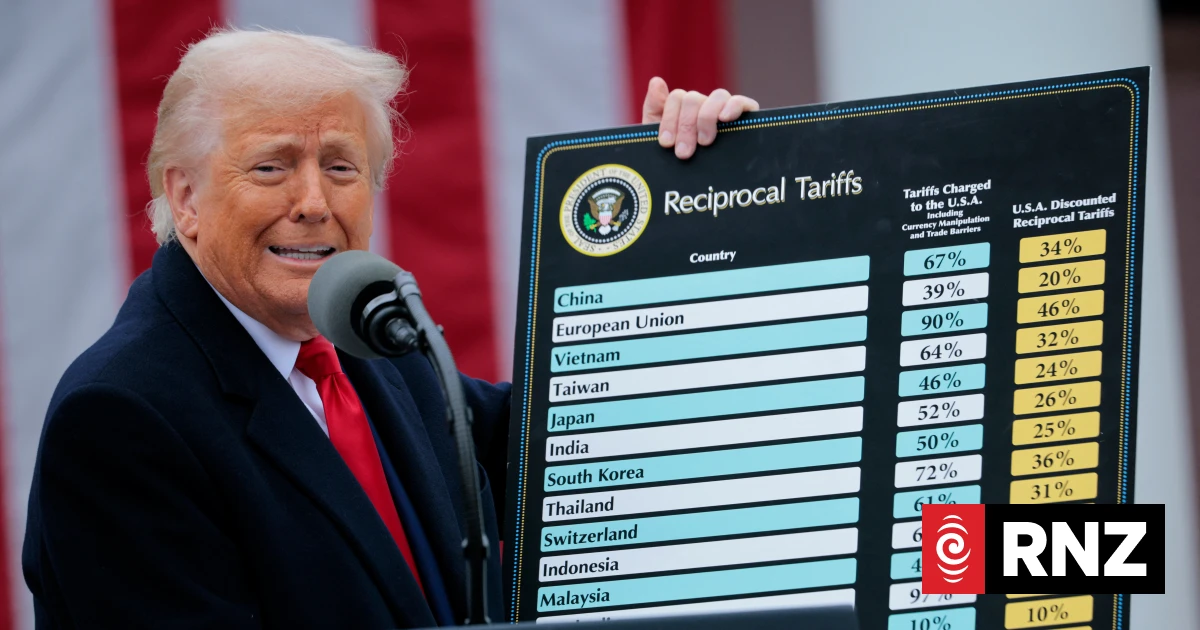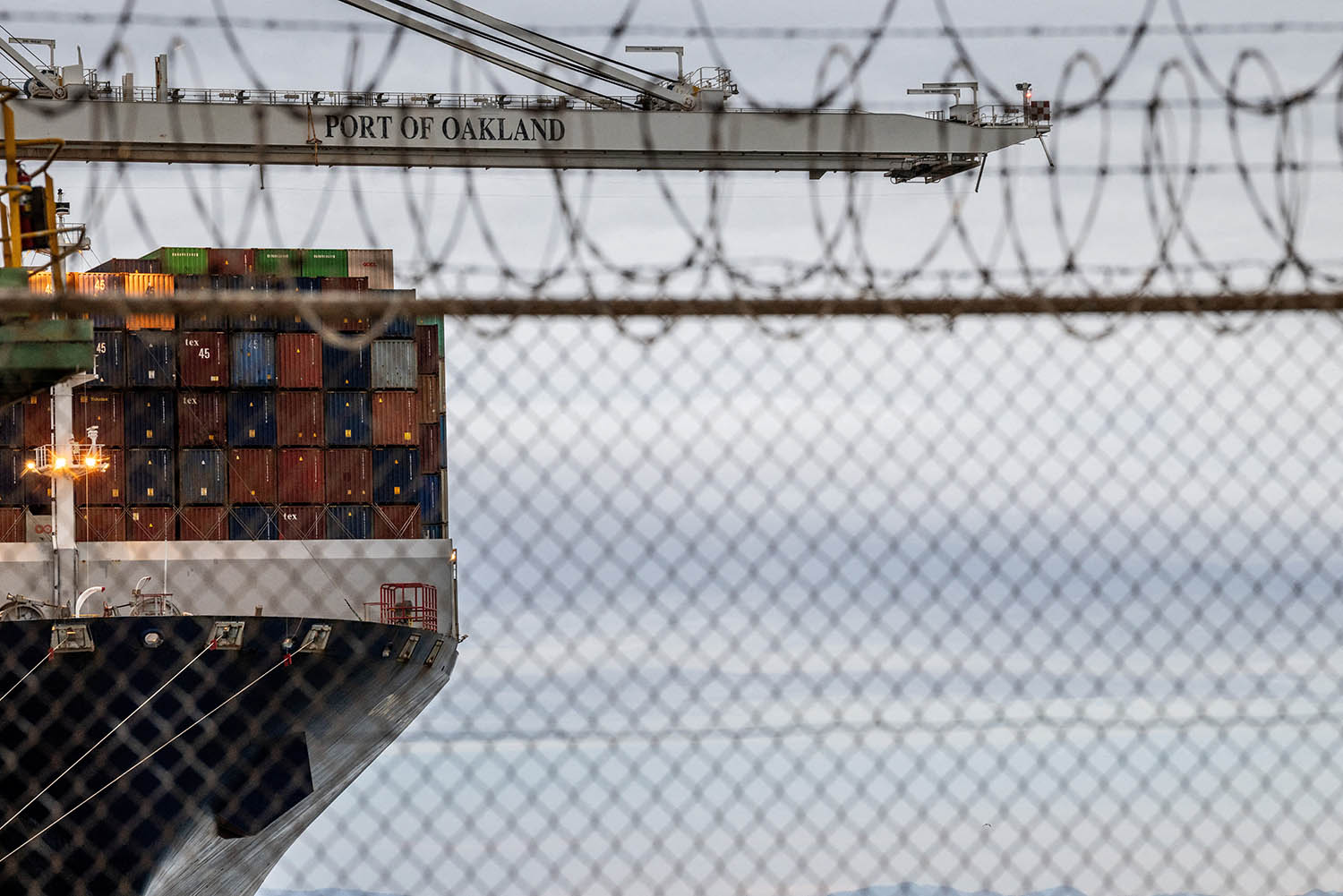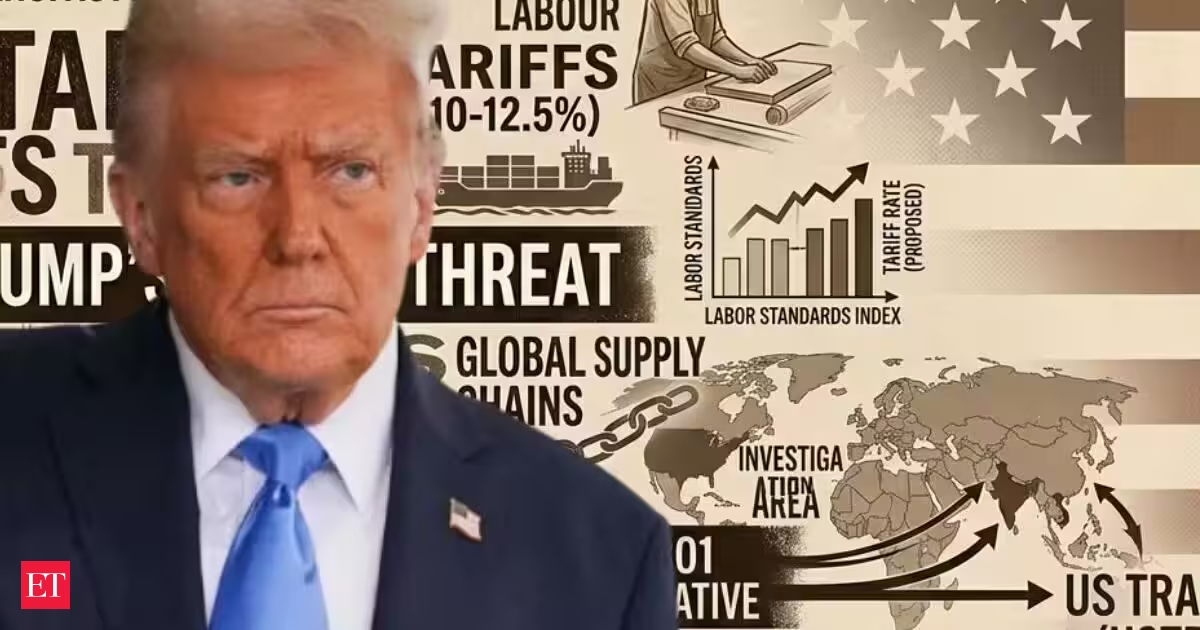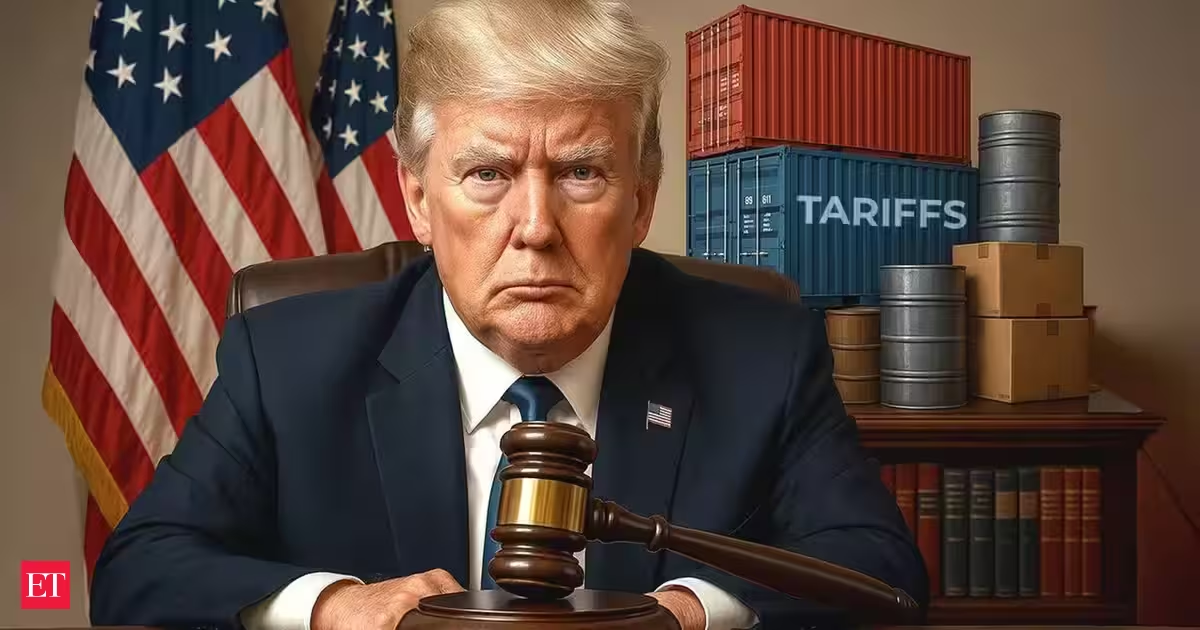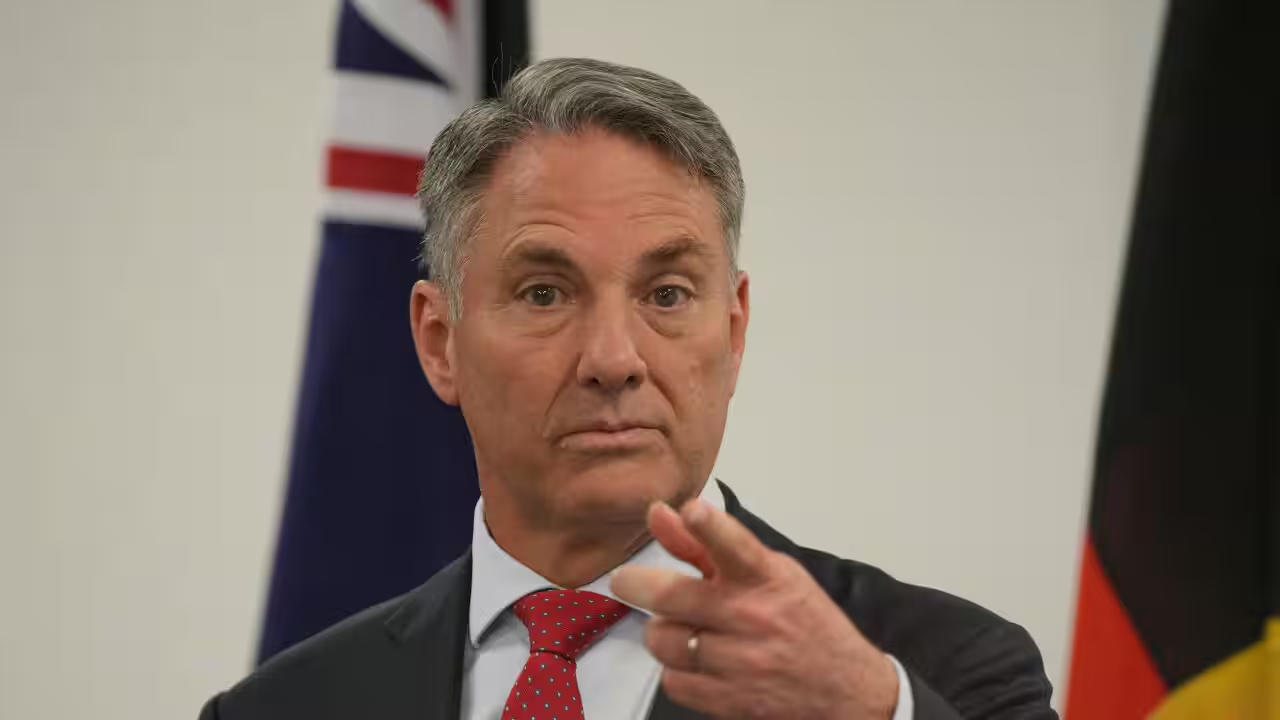
Analysis - It's hard to know whether to laugh or cry about the latest round of US tariffs that have been slapped on New Zealand.Remember, this is US president Donald Trump's third attempt to get his wish for a lasting tariff regime on trading partners he claims are ripping off the US.The first round, the so-called "Liberation Day" tariffs, was introduced in April last year, which eventually whacked New Zealand with a 15 percent tariff - a figure still low compared with some countries. Switzerland, for example, initially got a 31 percent tariff.These were challenged in court in the US and, famously, were deemed illegal by the Supreme Court earlier this year.In response, Donald Trump turned to another trade law that allowed him to impose a temporary tariff for 150 days.Under this temporary regime, New Zealand had its tariff reduced to 10 percent.That tariff scheme, however, ran out on Friday US time.Hence this latest version of the tariffs, which has been introduced under what is known as Section 301 of the US Trade Act.Section 301 allows the US to penalise countries it believes are engaging in unfair trade practices by not being tough enough on forced labour.New Zealand, along with 59 other countries, has been caught by this and will now face a 12.5 percent tariff.New Zealand's Trade Minister Todd McClay insists of course that New Zealand is under no circumstances engaging in forced labour."I strongly reject that there is any support at all in the New Zealand system for forced labour. We're not involved in it. It doesn't happen through our trade," McClay said on Friday.The problem, from what I can tell, is that the US argues that while countries such as New Zealand may well have domestic laws banning forced labour, they are not doing enough apparently to block goods at the border, that are produced in other countries, using forced labour.New Zealand's government again rejects that claim strongly, insisting it has robust laws in place.Even so, it is unlikely New Zealand trade officials will trudge to the US to complain as they have in the past. The US is not likely to budge.The new tariffs will no doubt be challenged again in US courts.Although experts on CNN today suggested the US government has this time done its homework and the tariffs are less likely to fall foul of the law.So, it seems Kiwi exporters are probably stuck with 12.5 percent.I suppose a cynic might say at least that means some certainty, as Trump still seems prone to new tariff proclamations when he feels the need. Just look at Canada, which was hit with 50 percent this week.One plus is that, according to local experts, kiwifruit and beef exports are exempt under the new tariffs, as they were under the old ones.For other Kiwi exporters who rely on the US, it is tough going I'm afraid, and they will have to make do as best they can.For others with more flexibility, it might be the impetus to look for different markets, perhaps the newly opened Indian market.Trump, of course, will be happy to finally have the tariffs he campaigned on, in place properly.Whether US consumers, who most economists say will face higher prices as a result, are as happy is another thing entirely.
How concerned should we be about the new US tariffs?
Analysis - It's hard to know whether to laugh or cry about the latest round of US tariffs that have been slapped on New Zealand.
545 words~2 min read