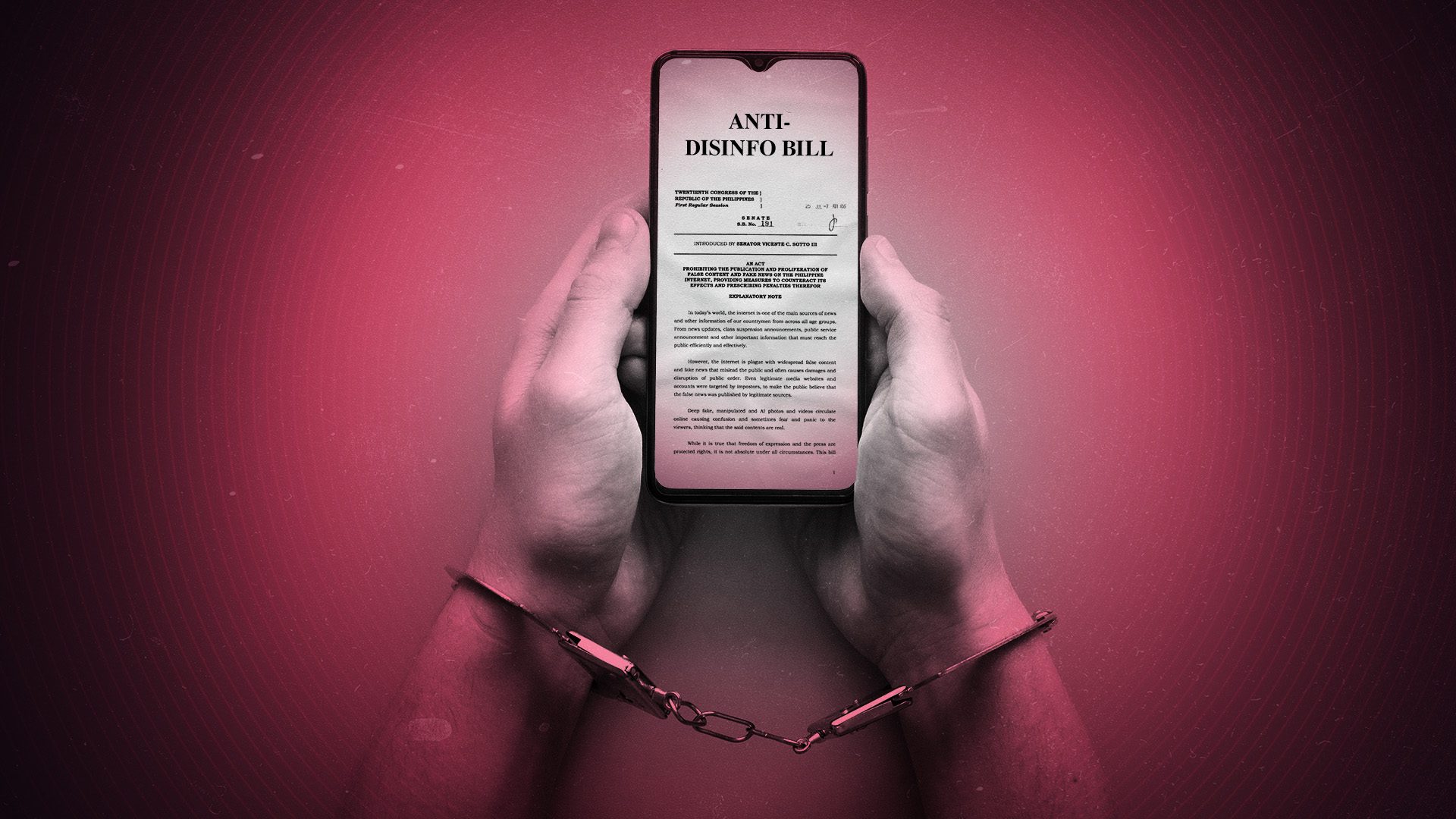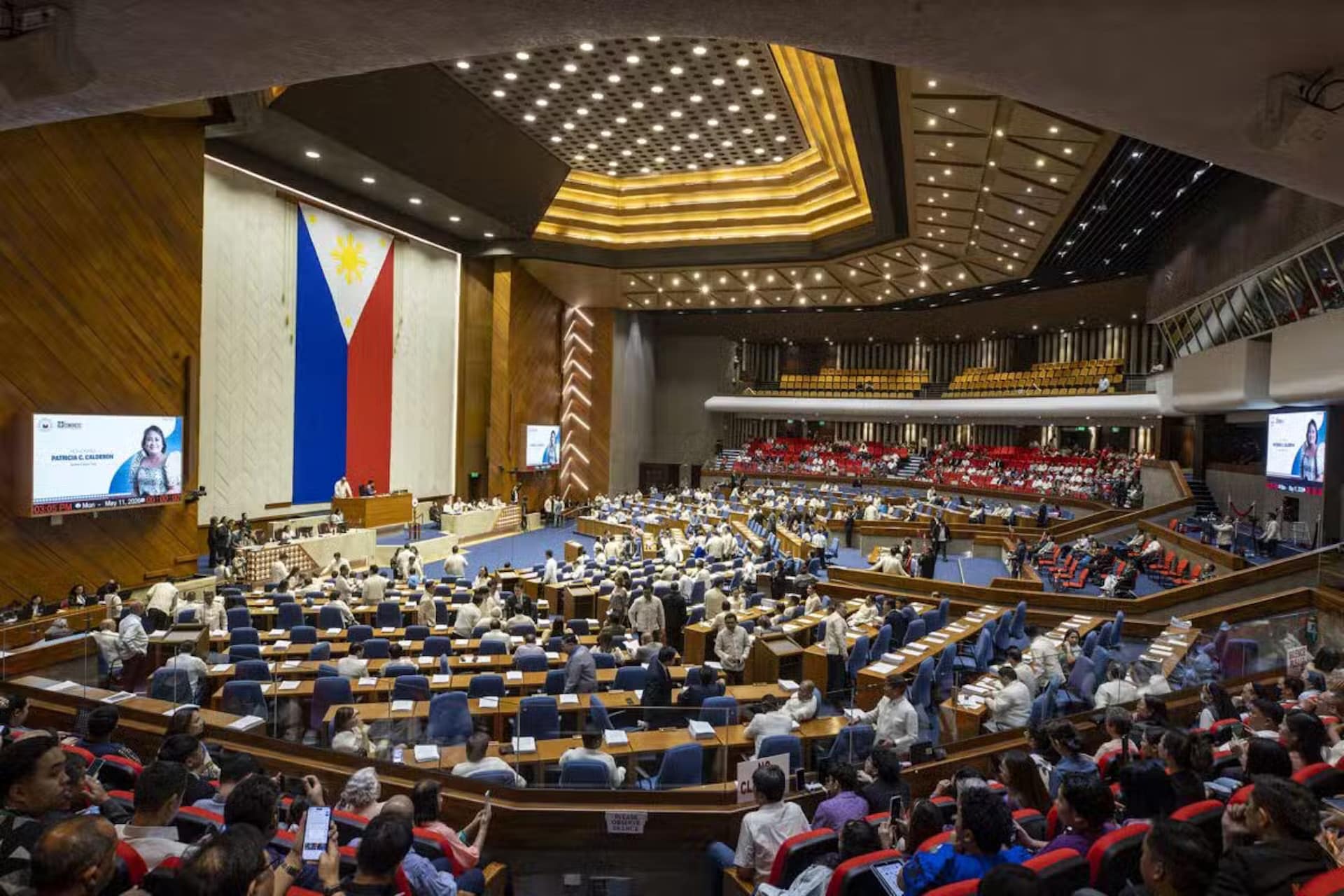
In this video, the Ateneo Human Rights Center, Youth Voices Count, PressOne, and PHINMA Education evaluate the critical provisions of the bill and decide whether they are ready to commit, or pop the red balloon
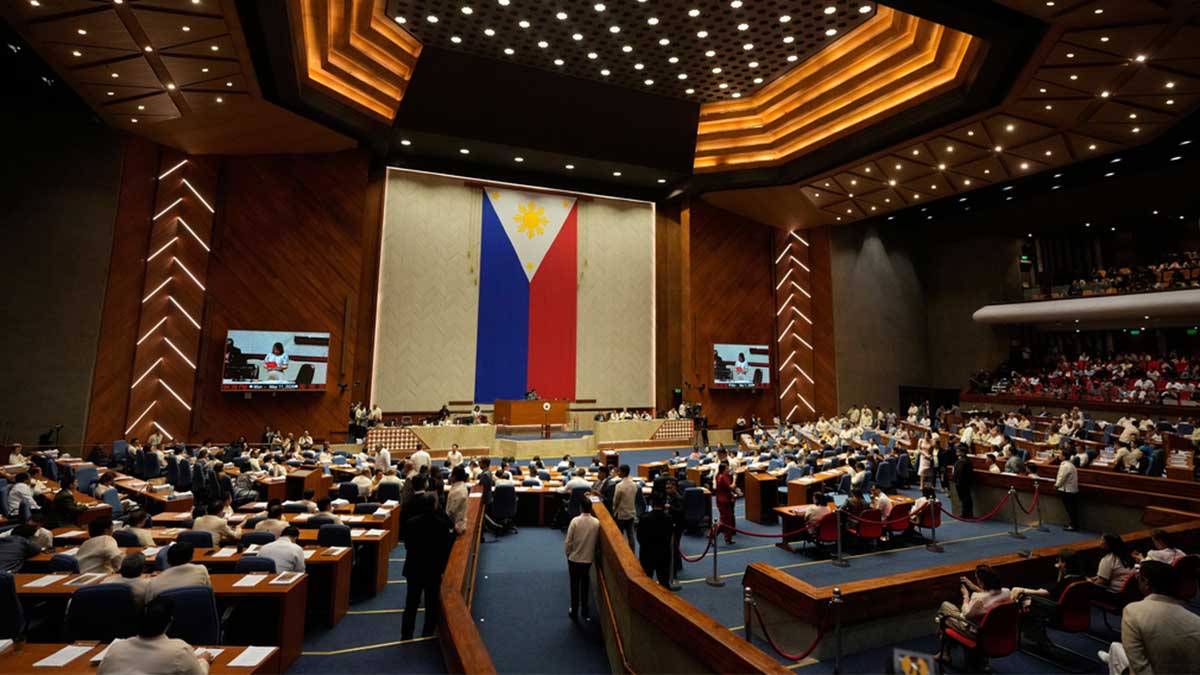
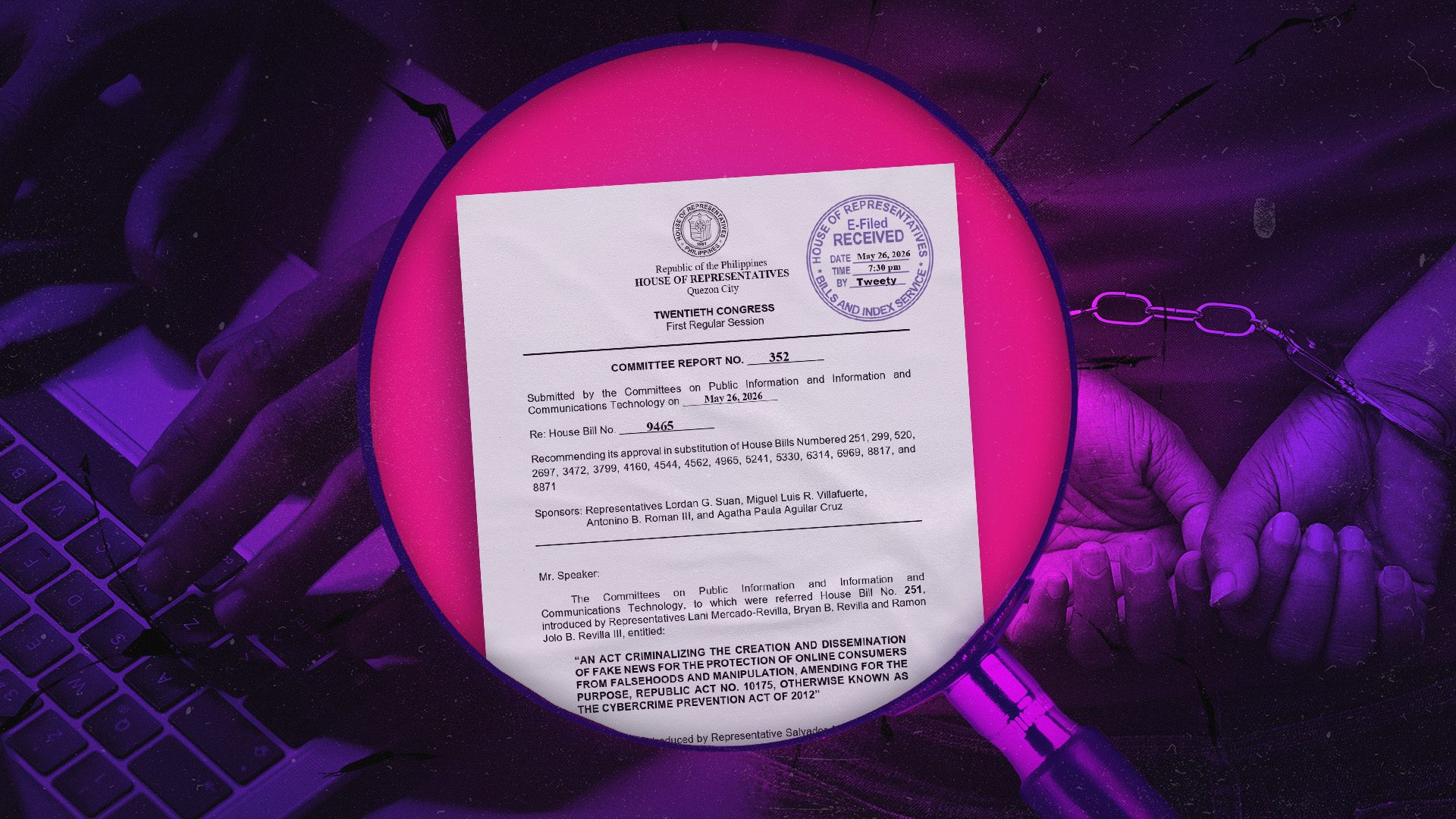
MANILA, Philippines – If a piece of legislation were a dating profile, would you swipe right, or is it a total red flag?Ahead of President Ferdinand Marcos Jr.’s State of the Nation Address (SONA), the House of Representatives approved House Bill No. 9465, or the proposed Digital Media Anti-False Information Act.
The bill seeks to penalize the intentional spread of online falsehoods that cause verifiable public harm or threaten national security. On paper, the measure carries several “green flags” that free speech and transparency advocates welcome. It also attempts to mandate tech giants like Facebook and TikTok to undergo annual independent audits, publicly disclose political ads, and work with education agencies to institutionalize media literacy across all school levels.
Despite the assurance of lawmakers, including the bill’s principal author House Majority Leader Sandro Marcos, that the bill shields the public from malicious online deception, the proposed measure drew concerns from civil society organizations and media advocates.