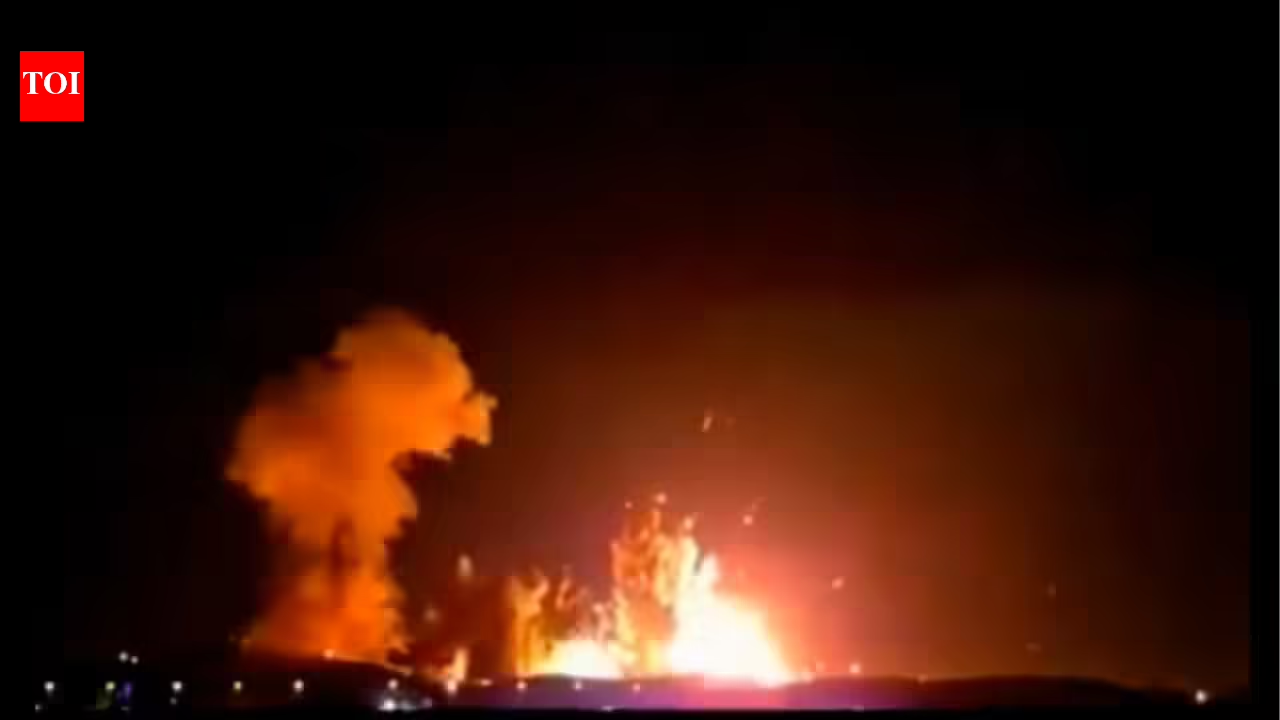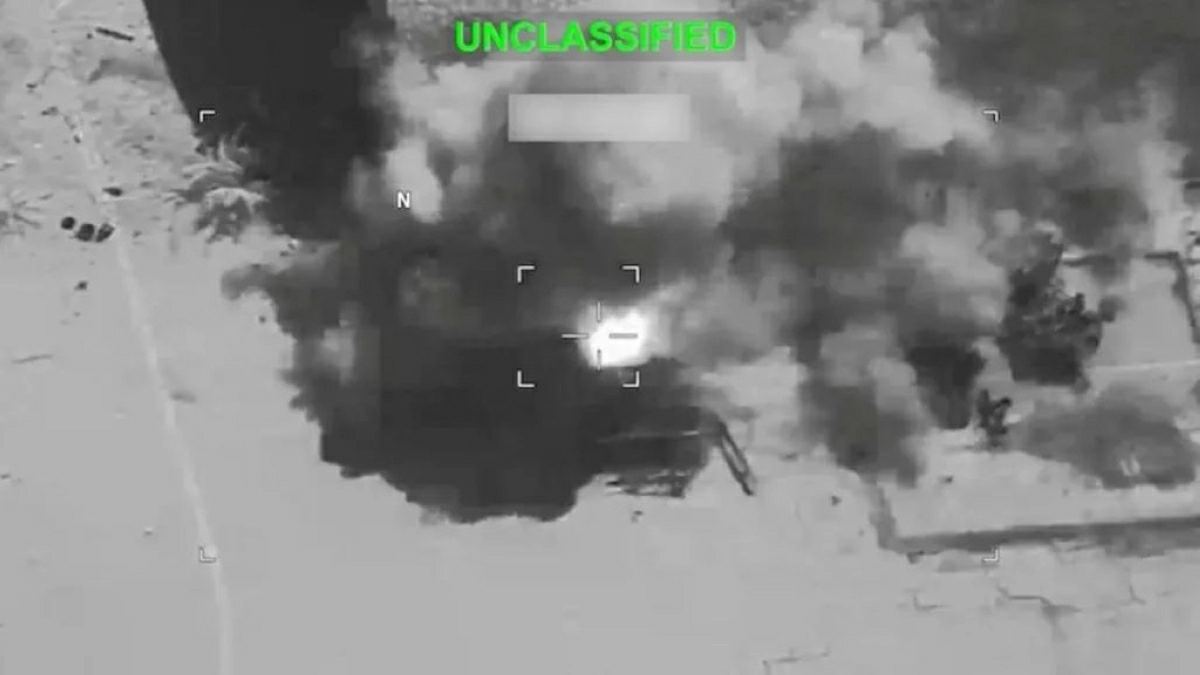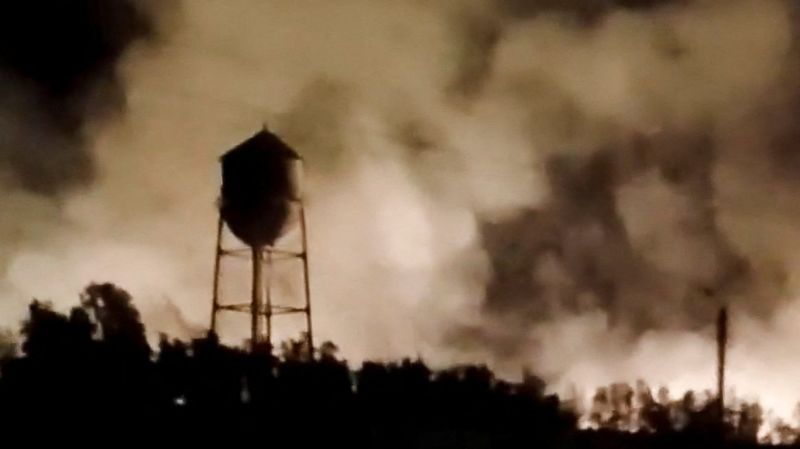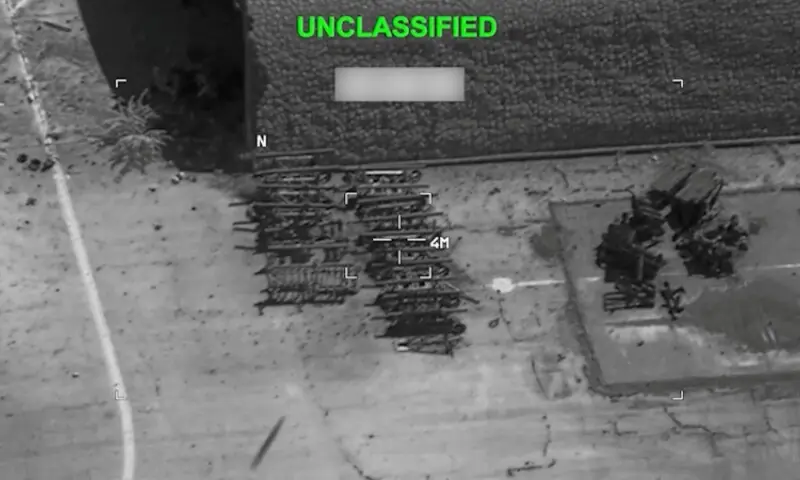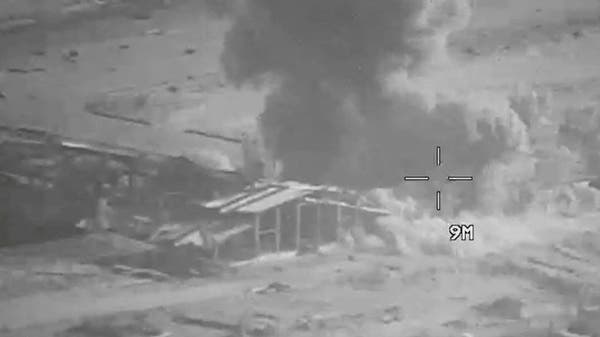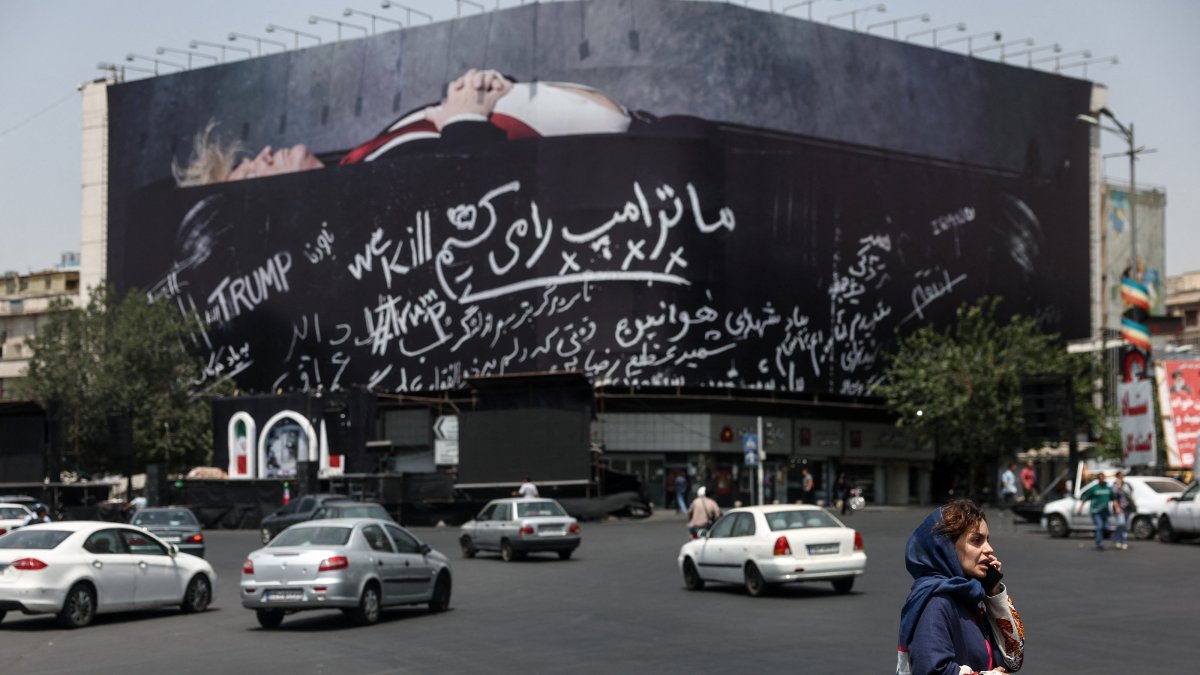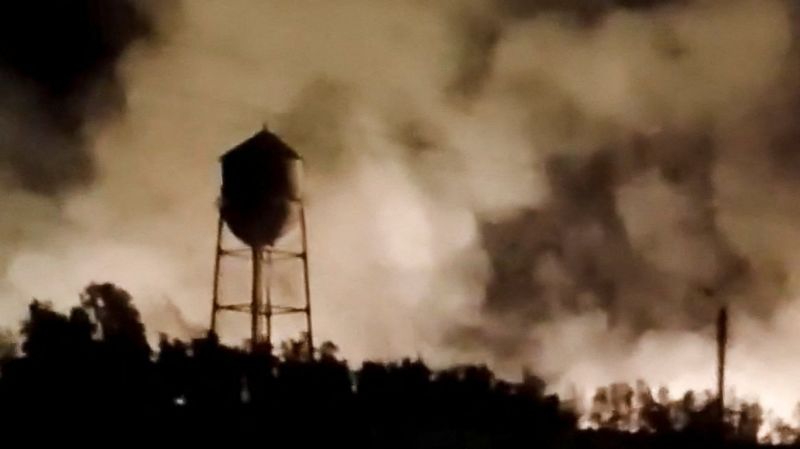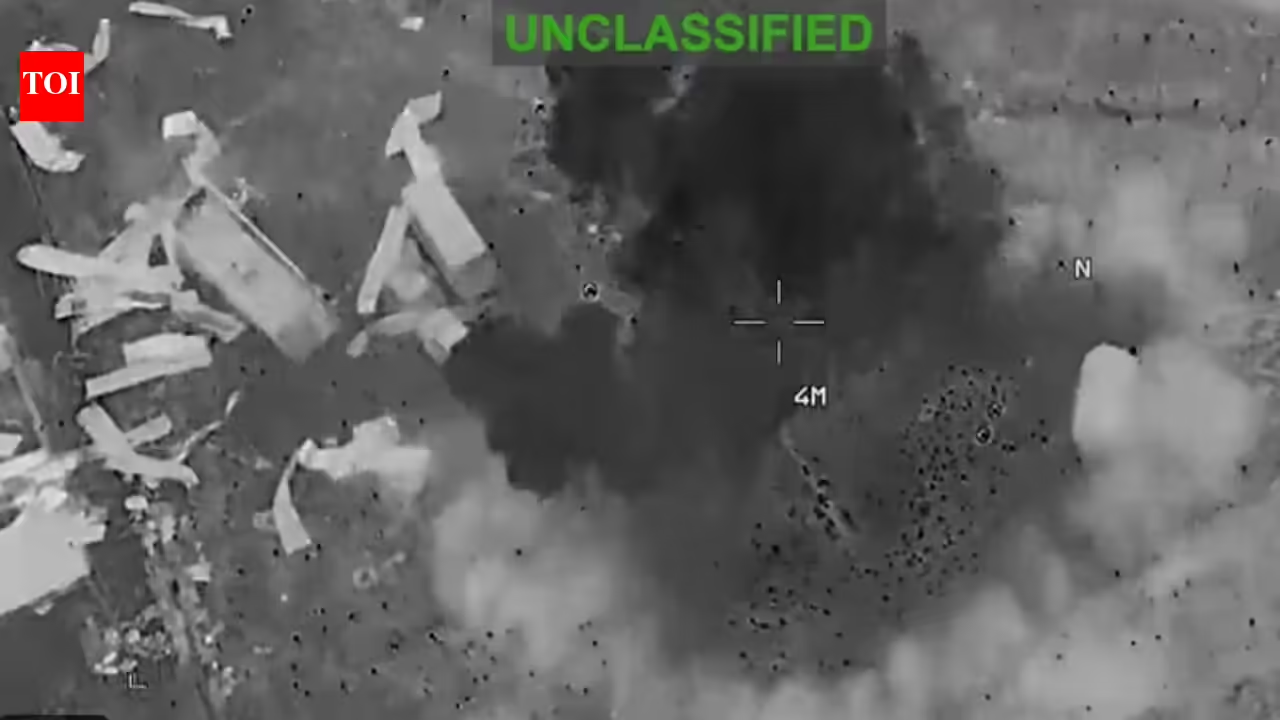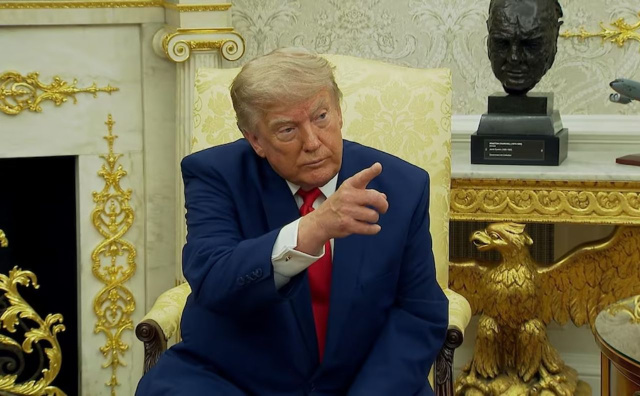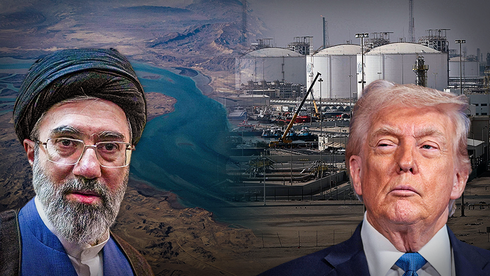
The US launched a 13th straight night of strikes on Iran as Tehran reportedly rejected a ceasefire proposal and threatened to attack Tel Aviv if President Trump follows through on threats to target the Islamic RepublicThe U.S. military launched a broad wave of strikes in Iran overnight Thursday-Friday, marking the 13th consecutive night of attacks, amid preparations for an especially tense weekend after President Donald Trump said Thursday that he was considering a massive attack "bigger than anything before" against the Islamic Republic.US military strikes on Iran for the 13th consecutive night (Credit: CENTCOM)The report was based on Iranian and Iraqi officials who spoke with the American newspaper on condition of anonymity. Al-Zaidi, who met with Trump at the White House earlier this month, arrived in Iran with a delegation of senior officials and met with the Iranian leadership, including President Masoud Pezeshkian, parliament speaker and chief negotiator Mohammad Bagher Ghalibaf and Foreign Minister Abbas Araghchi.The details of the ceasefire proposal were not published, but Iranian officials told the Times that it was the only offer on the table and that Tehran was not interested in a temporary agreement that would leave the issue of control over the Strait of Hormuz unresolved.Araghchi said al-Zaidi’s visit was “significant given the current circumstances in the region.” He said the Iraqi prime minister shared his “positions and impressions” from his trip to Washington, but added that Tehran and Washington already had enough intermediaries.“The problem is not the transmission of messages,” he said. “The problem is America’s perception, which is irrational and greedy.”Over the past two weeks, the escalation in the exchange of fire between the U.S. and Iran has intensified daily. The U.S. military has bombed military bases alongside civilian infrastructure such as railways, airports, bridges and seaports. Iran, for its part, has launched daily attacks using drones and missiles against Gulf states and Jordan, targeting both American bases and civilian infrastructure.In addition, Iran has fired on tankers passing through the Strait of Hormuz, while the U.S. has enforced a blockade on Iranian ports, preventing vessels from entering or leaving them.After already threatening to destroy a bridge and power plant — including in Tehran — for every ship attacked, Trump announced in a post on his Truth Social platform overnight that Iranian funds would be used to cover any damage caused to ships that are hit.GalleryTrump on Iran (Photo: Truth Social) (Credit: Reuters)“Until further notice any and all damages done to ships, cargo, or anything related thereto, will be paid for by Iranian money that the United States has in its possession, and controls,” he wrote. “These damages may be very substantial but, nevertheless, this is the fair and equitable thing to do.Two Iranian officials said the regime’s armed forces were monitoring and preparing for the possibility of the war expanding if Trump carries out his threats to strike Tehran and vital infrastructure. If he does so, the officials said, Iran would broaden the conflict at the regional level, including an attack on Tel Aviv, alongside a request that Yemen’s Houthi rebels close the Bab el-Mandeb Strait, another strategic shipping route threatened by Tehran.In a statement published on X by U.S. Central Command (CENTCOM) as the wave of strikes began, it said: “U.S. forces started another night of strikes against Iranian military targets at 6:45 p.m. ET (Eastern Time) today. This is the 13th consecutive night of strikes aimed to hold Iran accountable and diminish threats from the Islamic Revolutionary Guard Corps to commercial shipping.”Two hours and 15 minutes later, CENTCOM announced that the wave of strikes had been completed. It said Iranian military headquarters, drone storage facilities, communications networks, coastal surveillance sites and naval capabilities were targeted “further diminish the threat Iran poses to civilian mariners and commercial vessels transiting the Strait of Hormuz.”The U.S. military added that “the international waterway remains open for transit despite recent attacks from Iran's Islamic Revolutionary Guard Corps. Commercial vessels continue to freely navigate the strait with U.S. military support.”Ballistic missiles displayed yesterday in TehranAmid preparations for possible escalation over the weekend, Prime Minister Benjamin Netanyahu will convene the restricted security cabinet on Friday. Trump said Thursday that he was considering a “massive attack bigger than anything before” against Iran and that he was “close to making a decision. We're fully prepared for it.”Trump added that Israel “would join in within two minutes if I asked them to,” but stressed: “We don’t need anybody.”Amid the tensions, Likud lawmaker Moshe Saada said Thursday that “everyone knows we are heading toward an attack on Iran, perhaps even this weekend.”Several local government heads announced Thursday that municipal shelters would be opened, despite the Home Front Command not issuing updated instructions or ordering shelters to open.Regardless, the IDF are preparing for a range of scenarios, and the entire system remains on high alert amid the possibility that events could change rapidly.
US strikes Iran again as Tehran rejects ceasefire proposal and warns of attack on Tel Aviv
The US launched a 13th straight night of strikes on Iran as Tehran reportedly rejected a ceasefire proposal and threatened to attack Tel Aviv if President Trump follows through on threats to target the Islamic Republic
811 words~4 min read