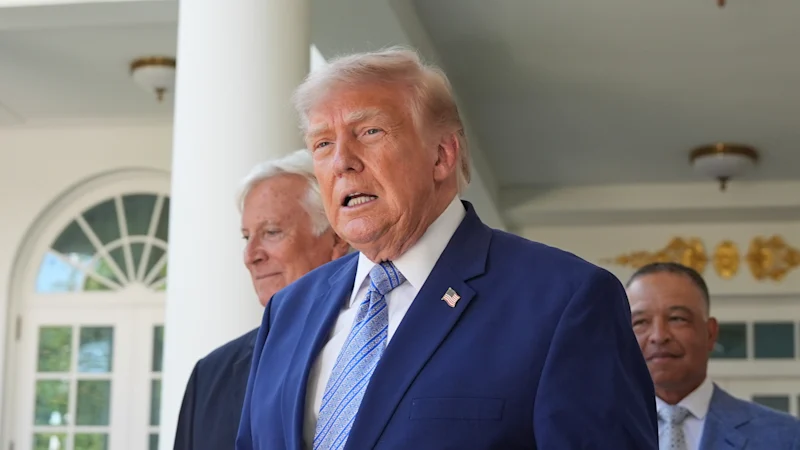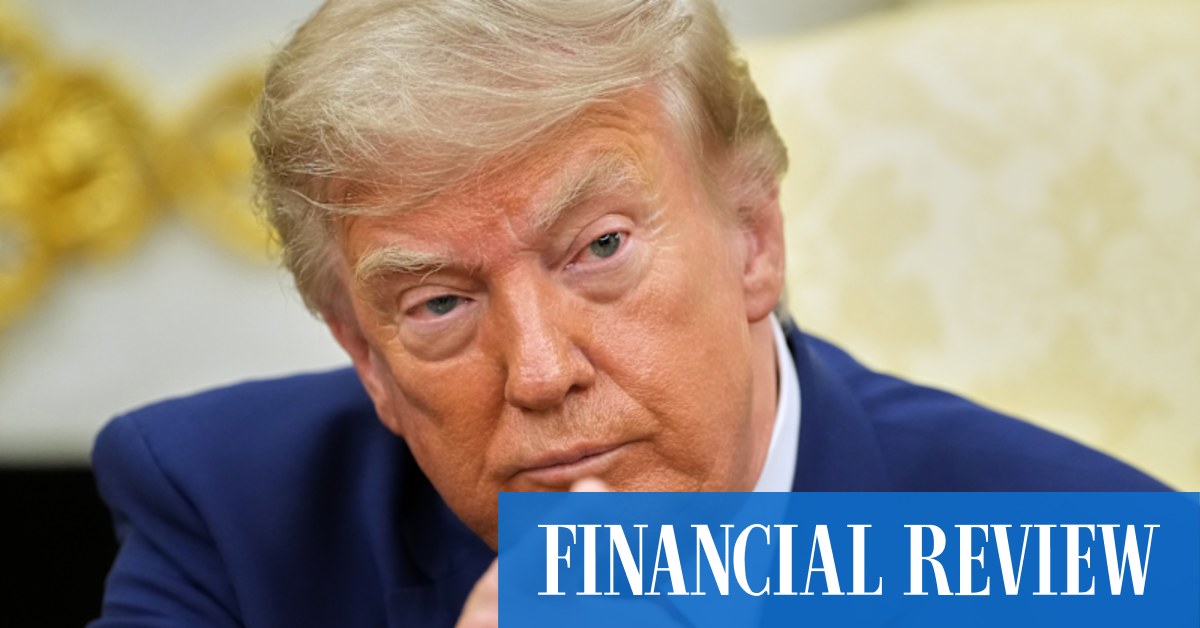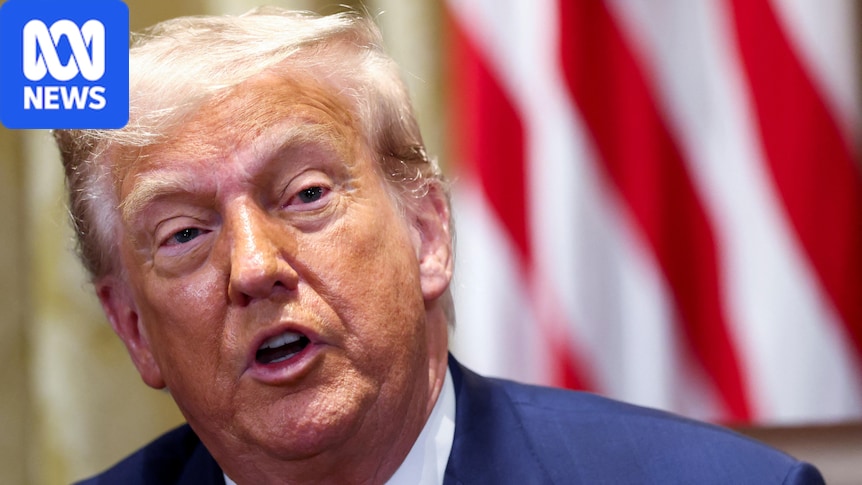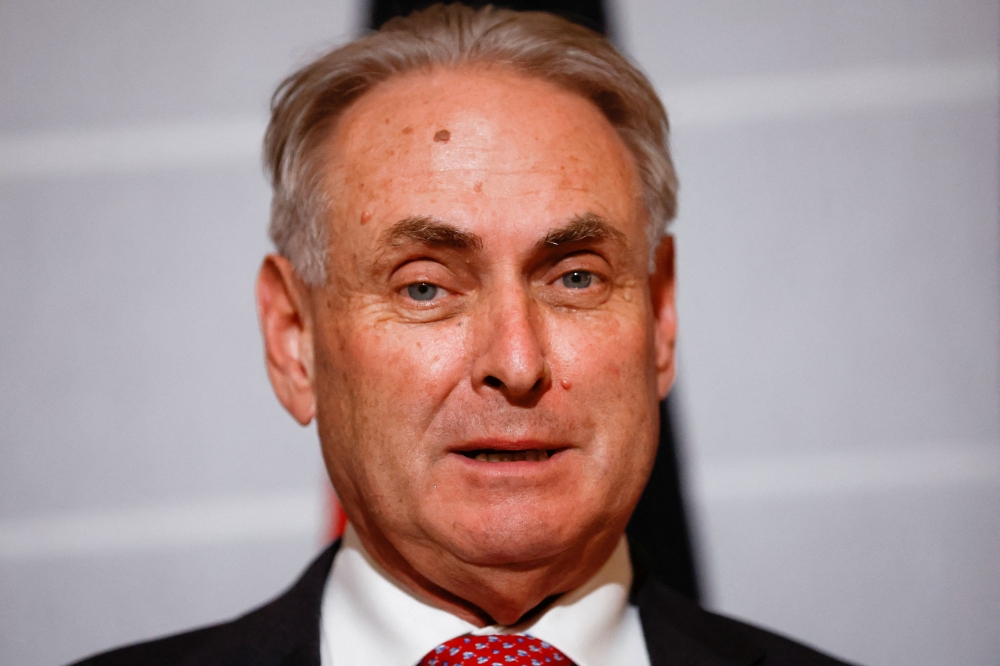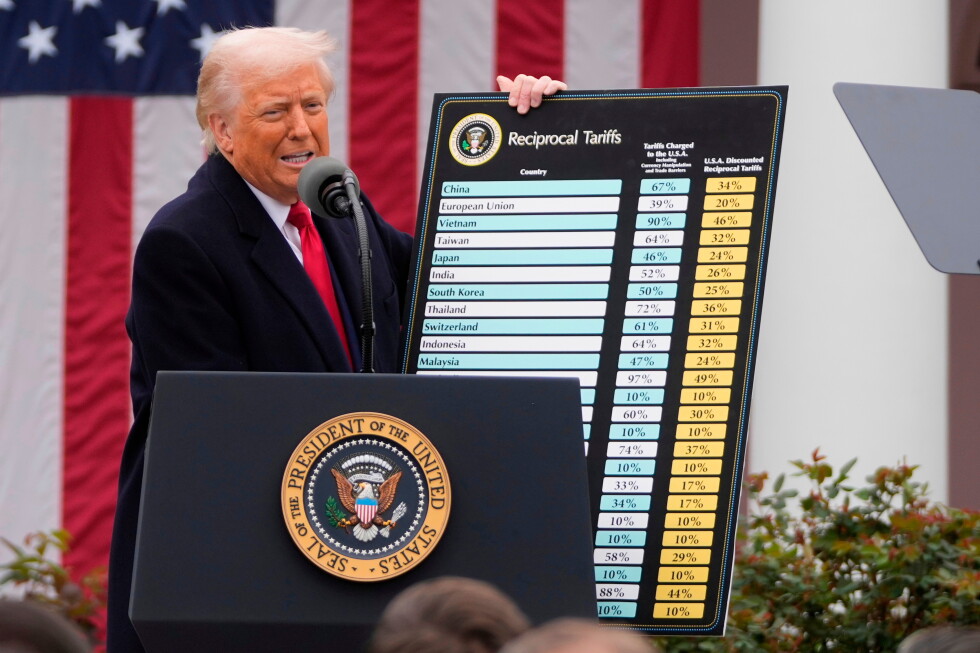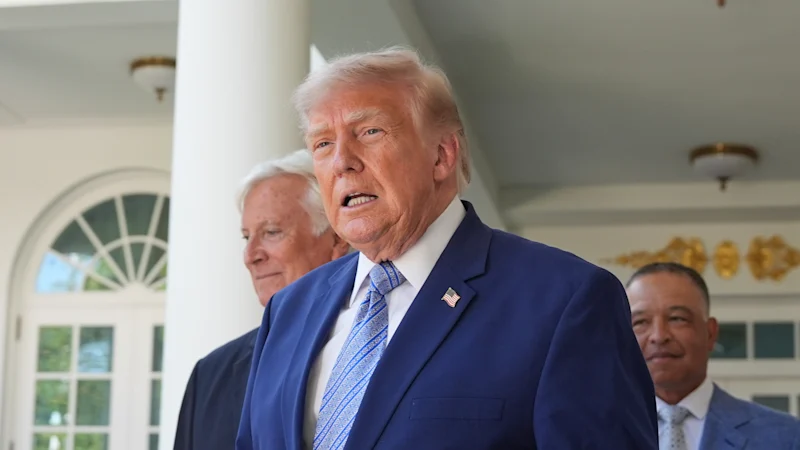
Updated July 24, 2026 — 11:51am,first published July 24, 2026 — 7:24amWashington: The United States will increase tariffs on Australian products to 12.5 per cent under the guise of human rights, after the US trade office determined Australia and 59 other countries were not doing enough to eliminate forced labour.The decision means tariffs on Australian goods will rise from 10 per cent, which was the rate set under a temporary measure after the Supreme Court ruled President Donald Trump’s so-called “reciprocal tariffs” were unlawful.President Donald Trump at the White House on Thursday.AP Photo/Alex BrandonThe Australian government made a submission arguing that Australia maintained a robust legal architecture against modern slavery, albeit in a different form to the US. It also pointed out that Australia and the US have a 20-year-old free trade agreement.But in a notice issued on Thursday (Washington time), the US trade office said it had decided to impose the tariffs on Australia anyway, based on public comments, testimony, the advice of its committee and “in accordance with the specific direction of the President”.The new tariffs are due to commence at midnight on Friday (Washington time), or 2pm Friday AEST. The previous 10 per cent tariffs were due to expire Friday.Australia’s Trade Minister Don Farrell said on Friday morning that the tariffs were “unjustified, inconsistent with our free trade agreement and should be removed”.“Australia’s measures to combat forced labour and modern slavery are among the strongest in the world, and we are recognised globally, including in the US, for our leadership,” he said.Dozens of other countries were hit with the new forced labour tariffs, though many escaped with a lower 10 per cent rate, including Argentina, Canada, India, Indonesia, Malaysia and the United Kingdom.In a statement, US Trade Ambassador Jamieson Greer said Trump recognised that decades of moral urging had not eradicated forced labour from global supply chains. But he was encouraged that some countries had moved quickly to adopt a US-style ban.“The United States has had a forced labour import ban for nearly a century, and rigorously enforces it; it’s well past time for our trading partners to do the same,” Greer said.“Today’s action will begin to correct what is both a human rights abuse and distortive trade practice to improve the welfare of workers everywhere.”The new tariffs applied to the US’ top 60 trading partners and covered 99.4 per cent of US imports, the trade office said. Thursday’s order contained an annex with a number of product exemptions.Among those exempted products are hearing implants. Australian firm Cochlear exports a large proportion of the devices used in the US, and the company advised the ASX of the carve-out on Friday.Proposed early last month, the forced labour tariffs are widely viewed as a tool to sidestep the Supreme Court decision, which torpedoed Trump’s signature economic and revenue raising policy.They are imposed using Section 301 of the Trade Act, which allows the US to combat unfair trade practices by other countries, rather than the sweeping presidential emergency powers Trump used for his earlier “reciprocal” tariffs.The Albanese government last week announced tougher measures as part of its anti-modern slavery regime that made large Australian companies liable for criminal prosecution if they failed to prevent forced labour in their global supply chains.The government did not explicitly link the move to the Trump administration’s position. But the announcement appears not to have made a difference.The White House did not respond to multiple requests for comment this week.Andrew Hale, a trade analyst at Advancing American Freedom – a conservative lobby group established by former US vice president Mike Pence – said the new tariffs were a “power grab” and an abuse of legal authority by the administration.He pointed out Trump did not – according to the public reporting – raise the issue of Uyghur forced labour when he visited Chinese President Xi Jinping this year.“This is just an excuse to impose these [new] tariffs to replicate what they lost,” Hale said. “The administration does not care about human rights.“It’s a bit rich for the US to basically tell our friends and allies – and countries which have much better laws and enforcement of those laws – about forced labour. We need to get our own house in order first.”Hale predicted the new tariffs would be successfully challenged in court.But Tim Brightbill, the trade practice chair at law firm Wiley Rein, and an adjunct professor at Georgetown University, said the laws used by the administration for the new tariffs were well-known and tested.“Whatever people think of the Trump administration’s recent tariff actions, there is no doubt that forced labour is a human rights crisis and serious problems in global supply chains across industries,” he said.“This sends an important signal that our trading partners need to do more to proactively address this systemic issue.”Get a note directly from our foreign correspondents on what’s making headlines around the world. Sign up for our weekly What in the World newsletter.From our partners
‘Power grab’: Trump hikes tariffs on Australia to 12.5 per cent over ‘forced labour’
The Australian government slammed the new tariffs – which will rise from 10 per cent, under the guise of human rights – and said they should be removed.
825 words~4 min read