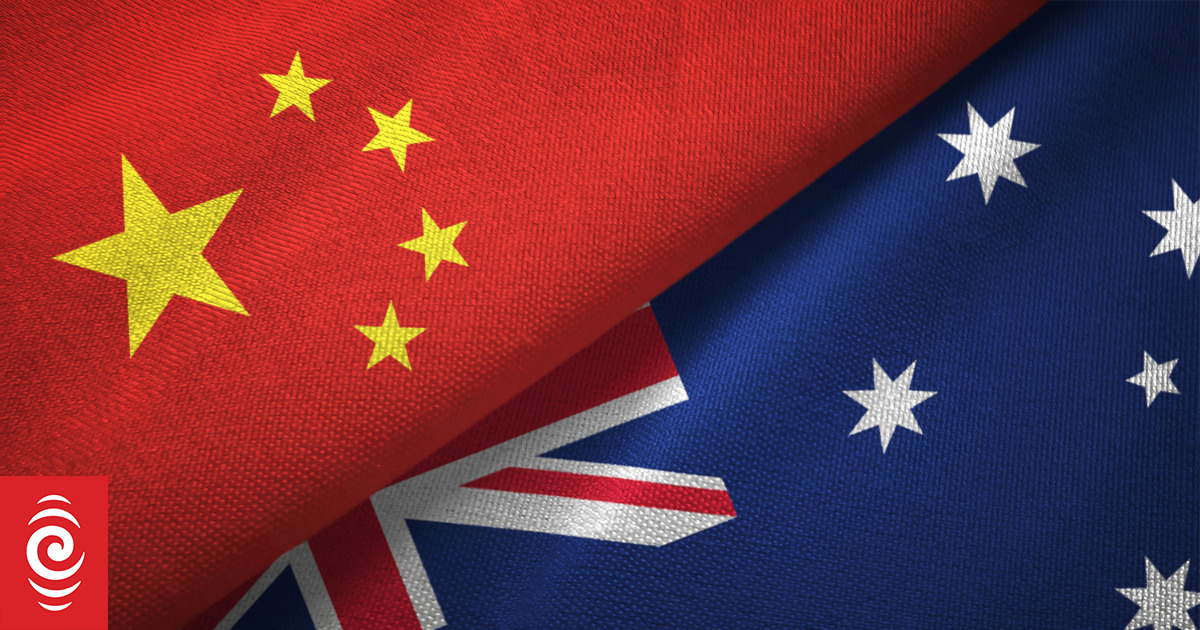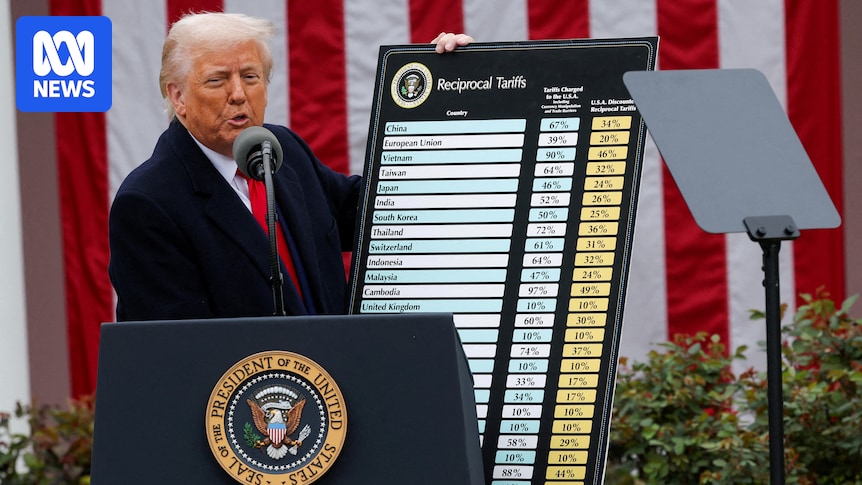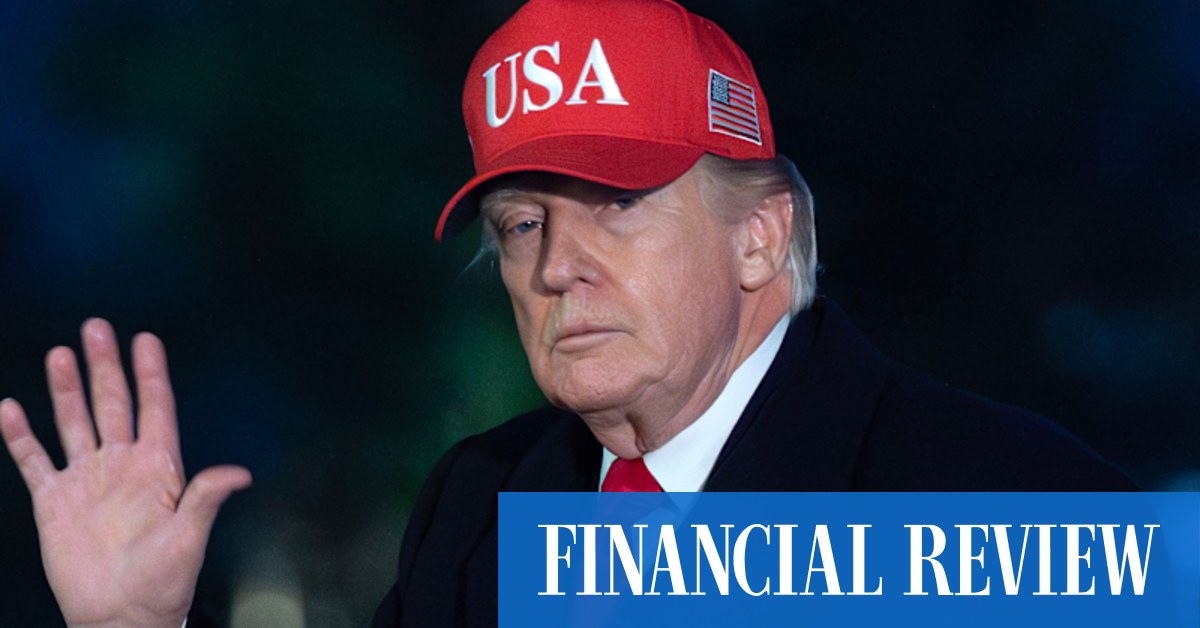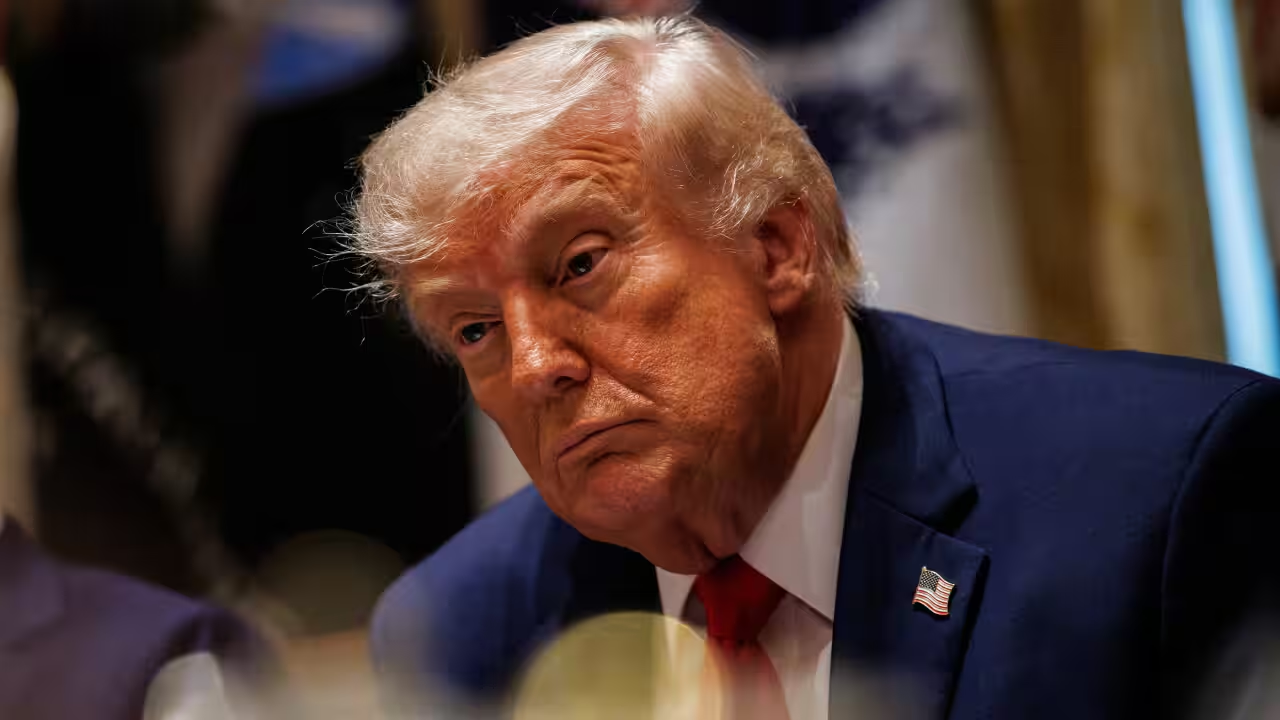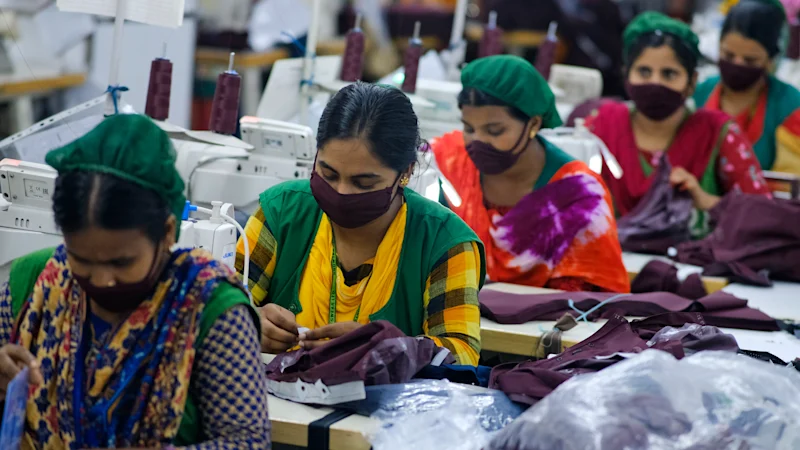
Updated June 3, 2026 — 5:25pm,first published 5:20pmThe Trump administration has proposed a new 12.5 per cent tariff on Australia and a slew of other countries for allegedly failing to take action to prevent slavery, angering the federal government.An investigation by the United States Trade Representative found that Australia had “failed to impose and effectively enforce a forced labor import prohibition”.The investigation found “the results of this investigation indicate that the acts, policies and practices of Australia related to the failure to impose and effectively enforce a forced labor import prohibition are unreasonable and burden or restrict US commerce”.Australia has been accused of failing to take action to prevent slavery in nations such as Bangladesh. APFifty-four countries including China, Vietnam, Japan, the United Kingdom and New Zealand have been hit by the same 12.5 per cent tariff, with the investigation using similar language for dozens of countries.A separate group of six economies — Canada, the European Union, Ecuador, Indonesia, Mexico and Pakistan — were hit with a lower 10 per cent tariff because the investigation found they were the only countries who had “not failed to impose a forced labor import prohibition”.An existing 10 per cent tariff on all countries including Australia that was imposed by the Trump administration in February is due to expire in July.A spokesperson for Trade Minister Don Farrell said: “Australia maintains our position that any tariffs on Australian exports to the United States are unjustified and inconsistent with our free trade agreement.“Australia has robust, comprehensive and world-leading legislation addressing forced labour and modern slavery.“We continue to use every opportunity to advocate that US tariffs imposed on Australia are unwarranted.”Australia’s anti-slavery commissioner Chris Evans warned in January that Australia faced a growing risk of becoming a dumping ground for goods made with forced labour that were banned elsewhere.For example, certain goods or materials that are subject to import restrictions in the United States due to forced labour risks, including certain bicycles, seafood, clothing, cotton, and polysilicon, are currently able to enter the Australian market.These import bans also have implications for Australian businesses exporting goods to countries adopting these measures, and supplying to businesses that operate in these markets.There are an estimated 50 million people globally and 41,000 people in Australia who are trapped in conditions of modern slavery and forced labour.Several developed countries, such as the US, Canada, Mexico and the 27-member European Union bloc have or are moving to introduce import bans on goods made with forced labour.Modelling from Fair Supply, a supply chain risk intelligence platform, estimates more than 21 per cent of all goods brought into the country last financial year – about $1 in every $5 spent on imports – were linked to supply chains where coercion, debt bondage and other forms of modern slavery are known to occur.In March, the UN Committee on Economic, Social and Cultural Rights called on Australia to introduce mandatory human rights due diligence under the Modern Slavery Act – and to report back on progress within 24 months.Last month a powerful alliance of over 100 investors, businesses, unions, civil society organisations, academics and survivor advocates forces last month in calling on the federal government to prioritise the introduction of due diligence requirements on large companies operating in Australia.The 105 signatories include investors representing over trillions of dollars in funds under management, eight national and state unions, and over 30 civil society organisations from five continents.The proposed reforms would shift corporate efforts from focusing on reporting alone to taking action by promoting a “proportionate, and outcome focused approach to addressing modern slavery” that is aligned with international standards.More to comeCut through the noise of federal politics with news, views and expert analysis. Subscribers can sign up to our weekly Inside Politics newsletter.From our partners
‘Unwarranted’: Trump proposes new 12.5 per cent tariff on Australia
The Trump administration has proposed an extra 12.5 per cent tariff on Australia, angering the federal government.
TL;DRAI
Trump imposes 12.5% tariff on Australia and 53 countries for weak forced-labor enforcement in imports; six compliant nations face 10%. Tech leaders must reassess vendor sourcing and import budgets amid tariff escalation and supply chain reshoring pressure.
627 words~3 min read