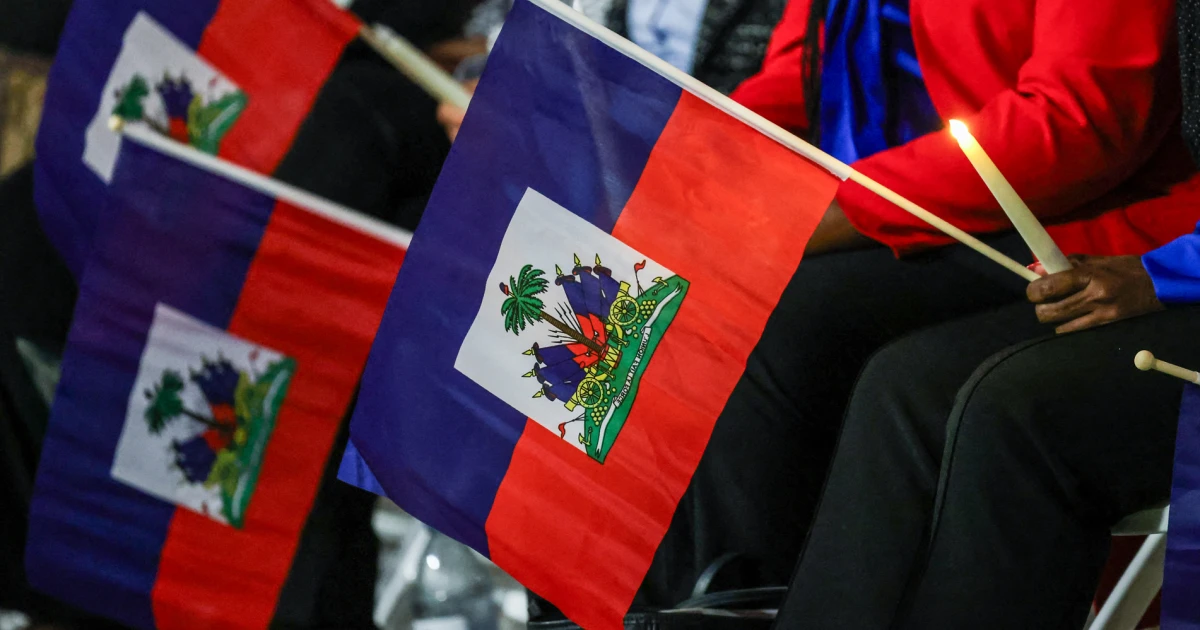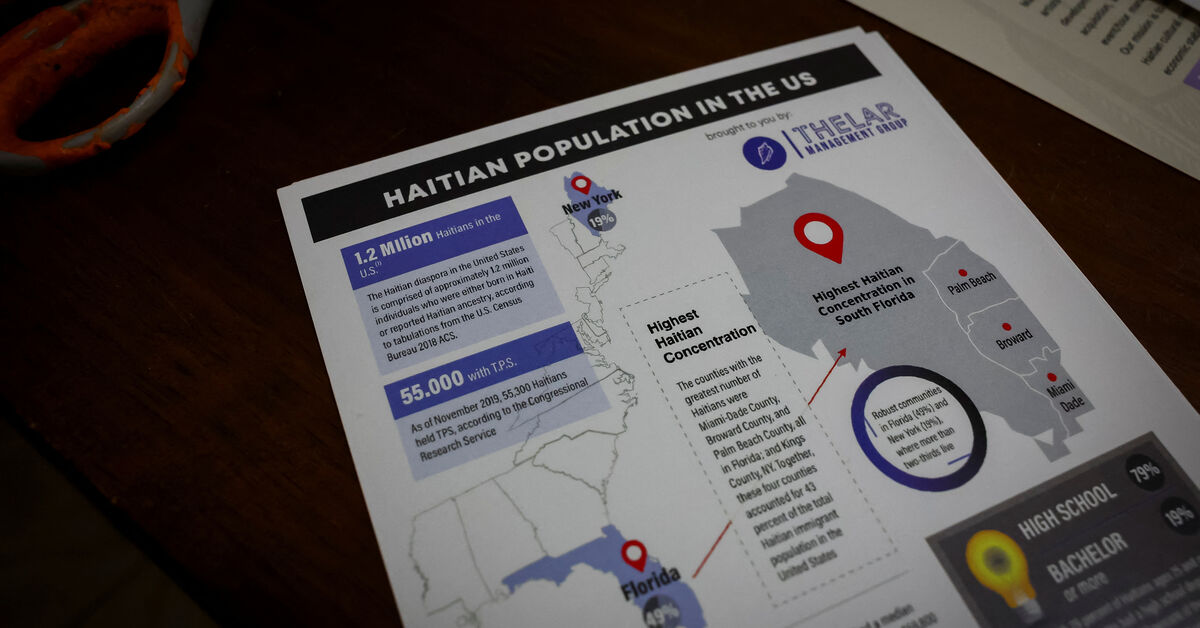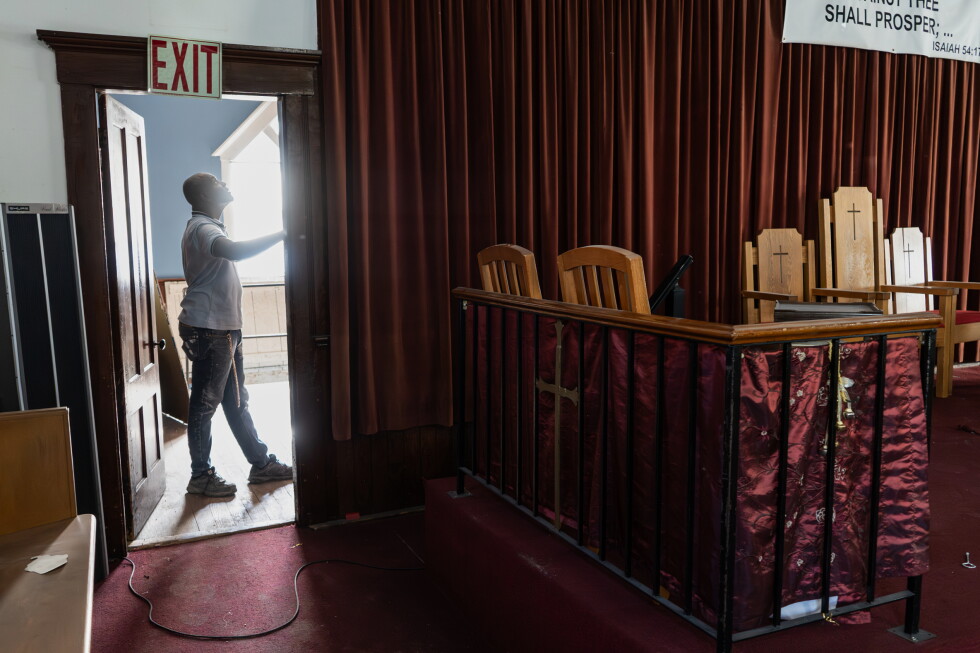
Pastor Lander Saintelus doesn’t have to imagine what the end of Temporary Protected Status for Haitians will look like. He has watched the effects unfold inside his own community in New Bedford for months. And they have only intensified.When Homeland Security announced more than a year ago that Haiti’s TPS would be terminated, Saintelus witnessed the fallout at the Bright Morning Star International Ministries, the Pentecostal church he leads. By February, nearly his entire 100-member congregation was jobless. By March, he was helping families pay utility bills to keep the lights and heat on. Soon, he started answering calls from members too afraid to leave home to come to church because they feared immigration agents were waiting outside.Then, on June 21, just after Sunday service, Saintelus says, he stepped outside his church on Page Street and saw three unfamiliar black vehicles parked at the curb. He said the people inside were wearing vests with “ICE” across the chest. Panic rippled through the congregation.
“I had to keep (everyone) inside the church until they were gone,” he said. Twenty minutes later, the vehicles left, and the pastor and his wife began to drive the congregants home. “We were in shock,” he said. “That’s the situation that we are living in right now in America.”That encounter made the threat real, Saintelus said. Four days later, the U.S. Supreme Court allowed the Trump administration to proceed with its plan to end TPS for Haitians and Syrians, potentially exposing hundreds of thousands of people from those countries to deportation.