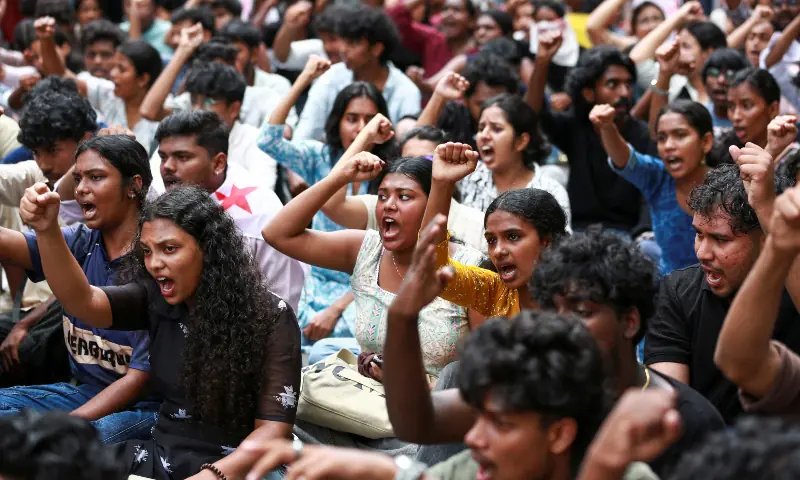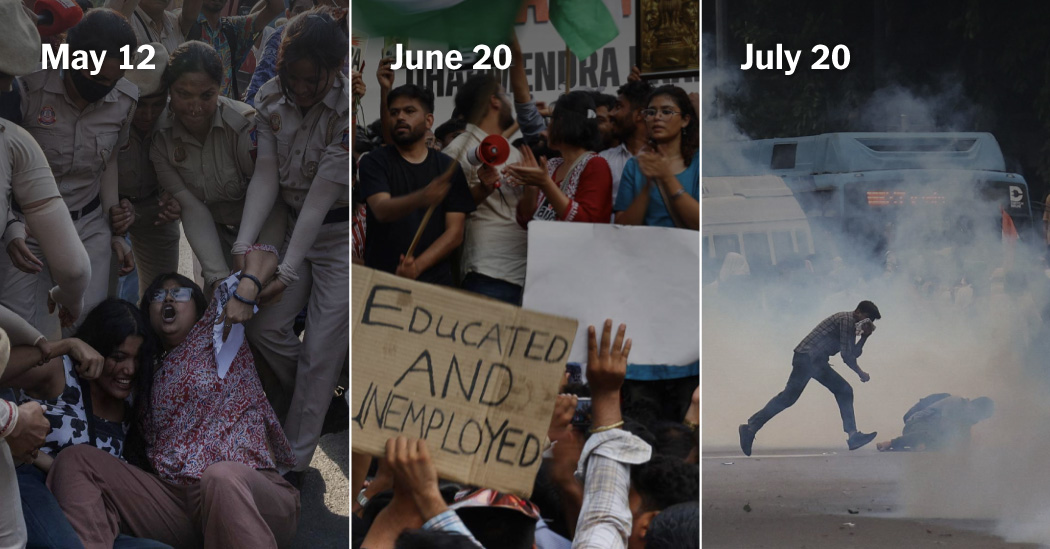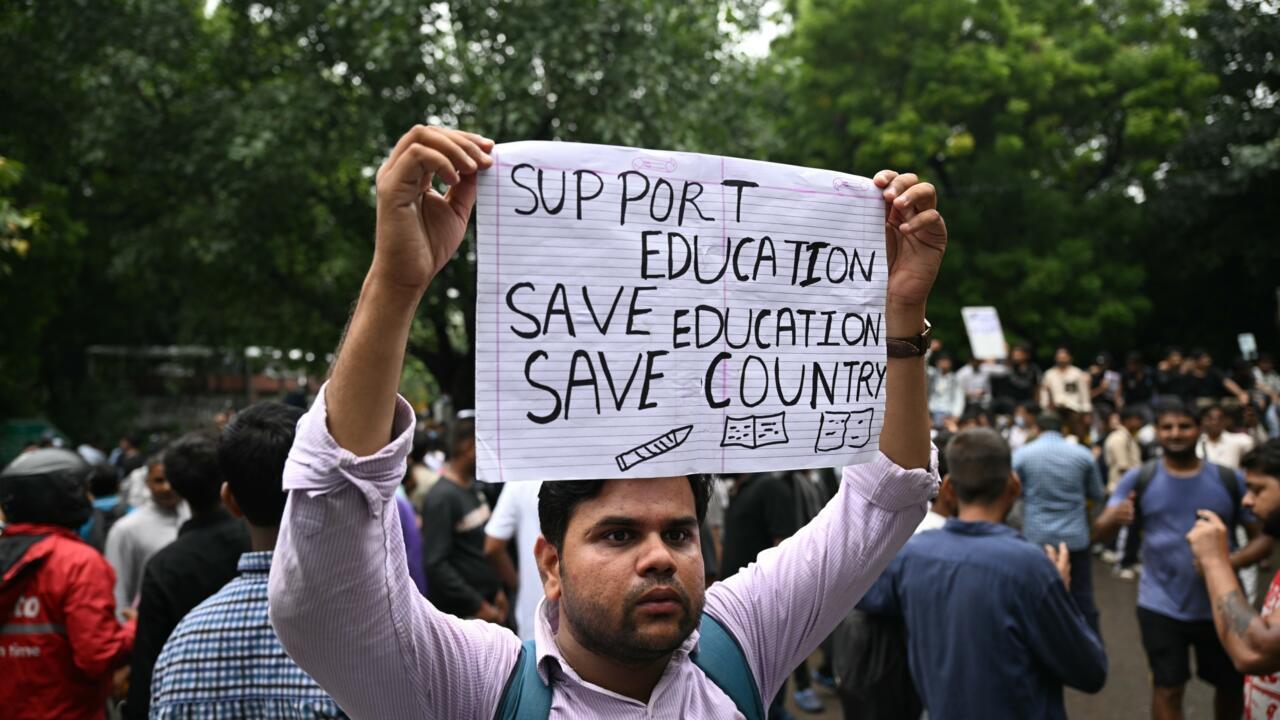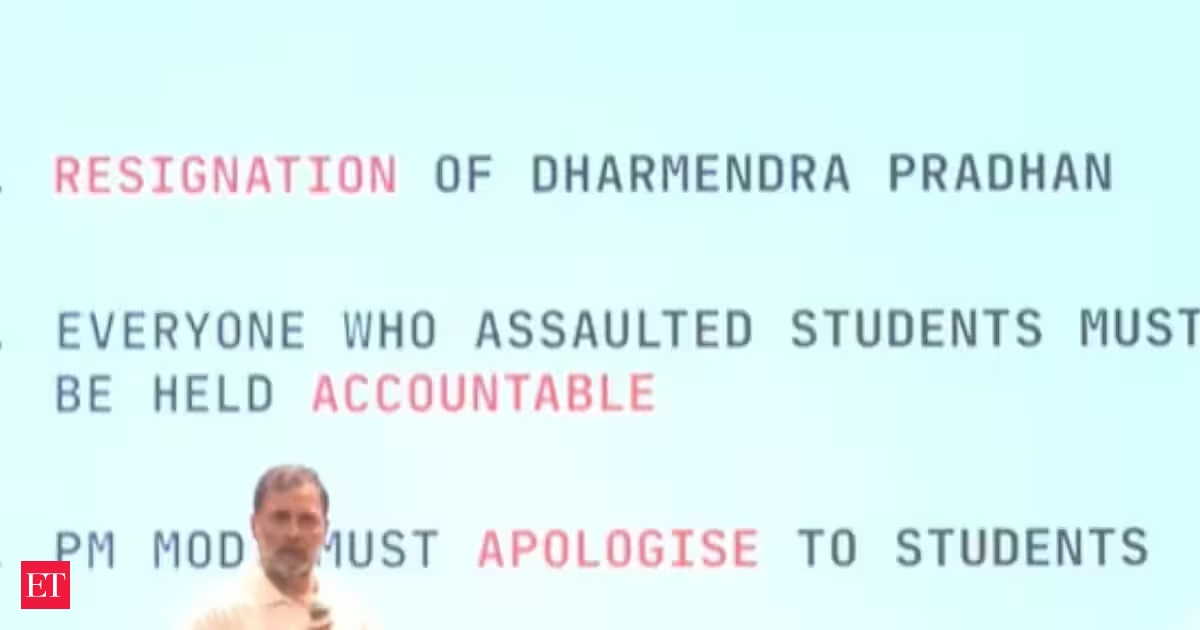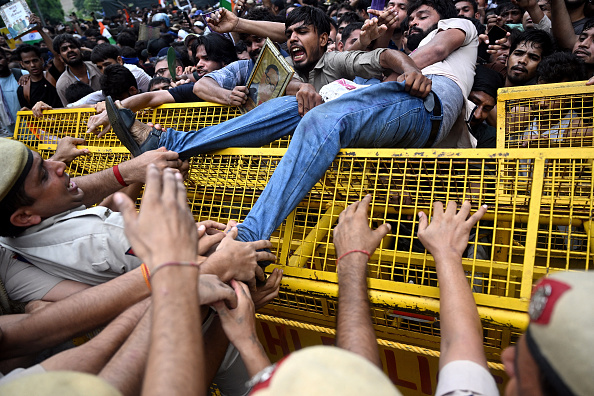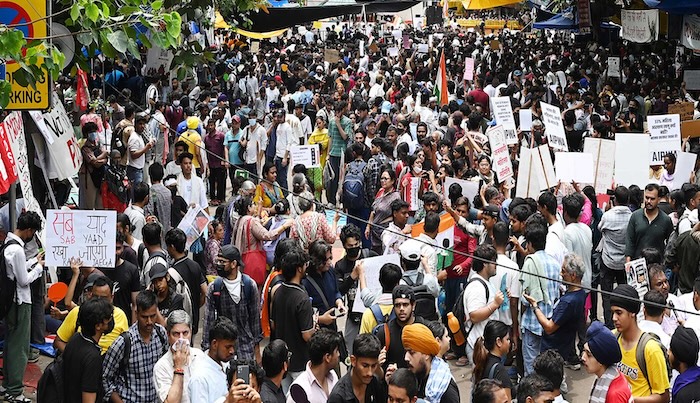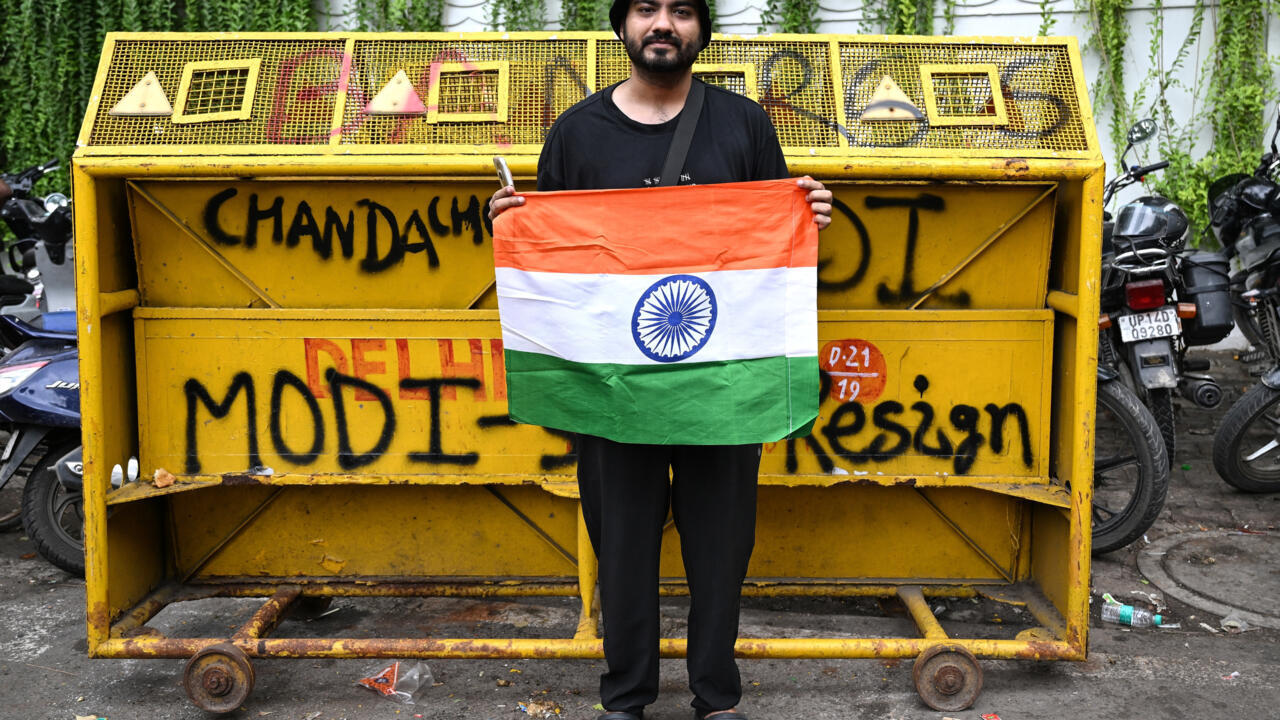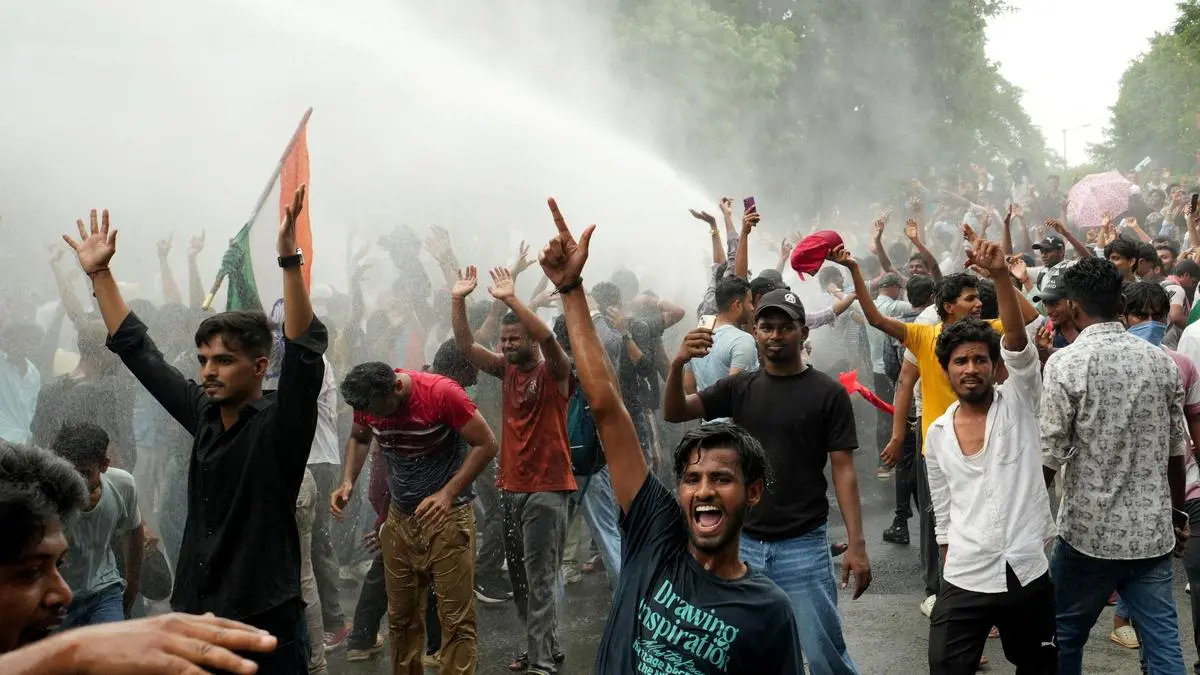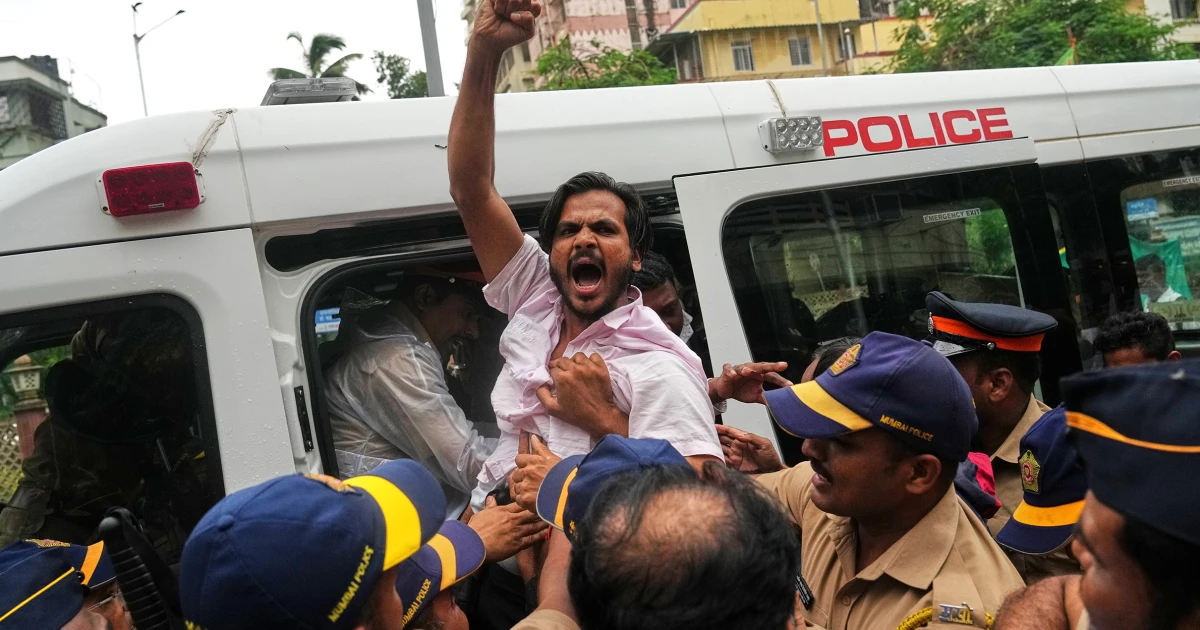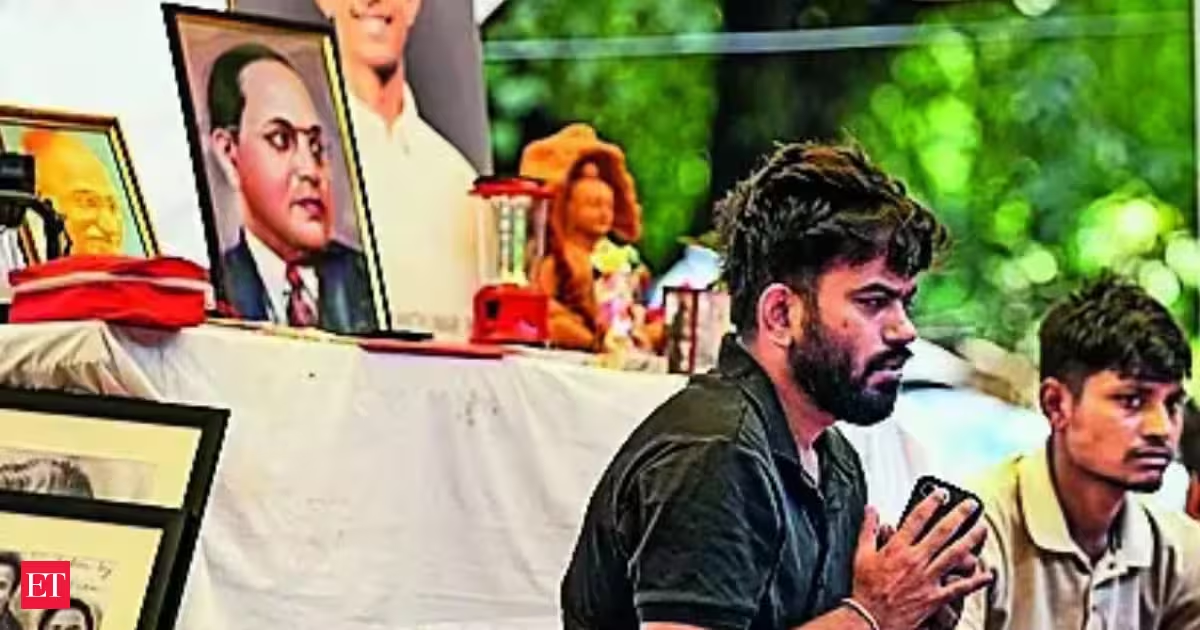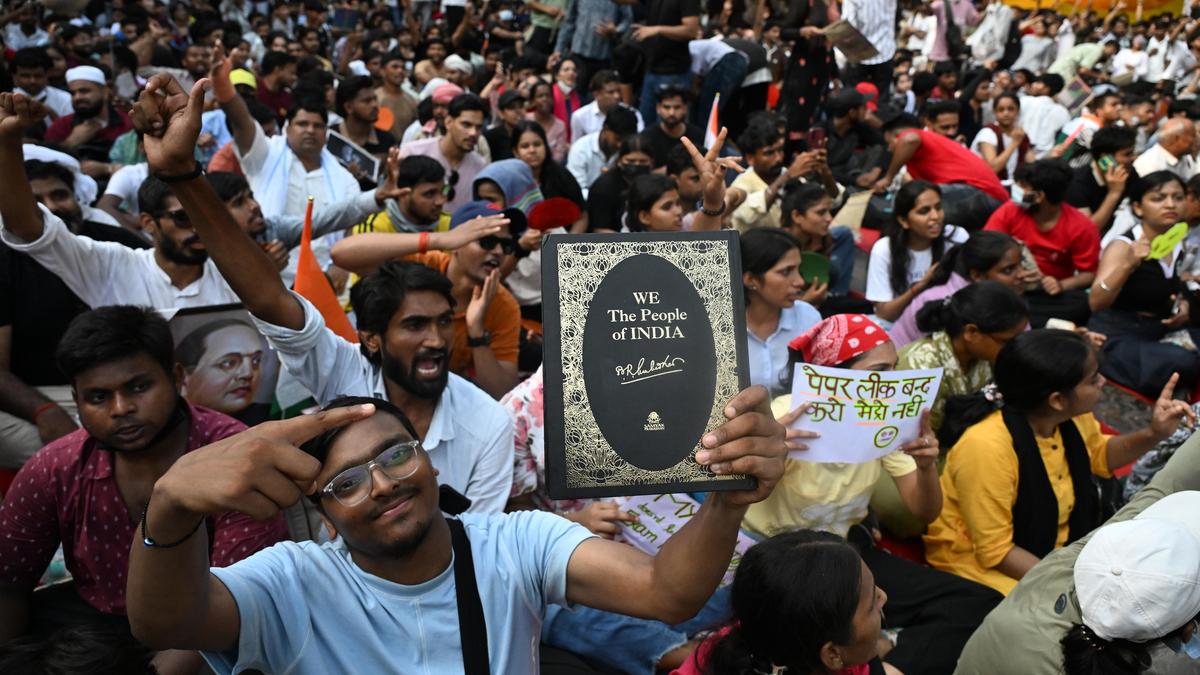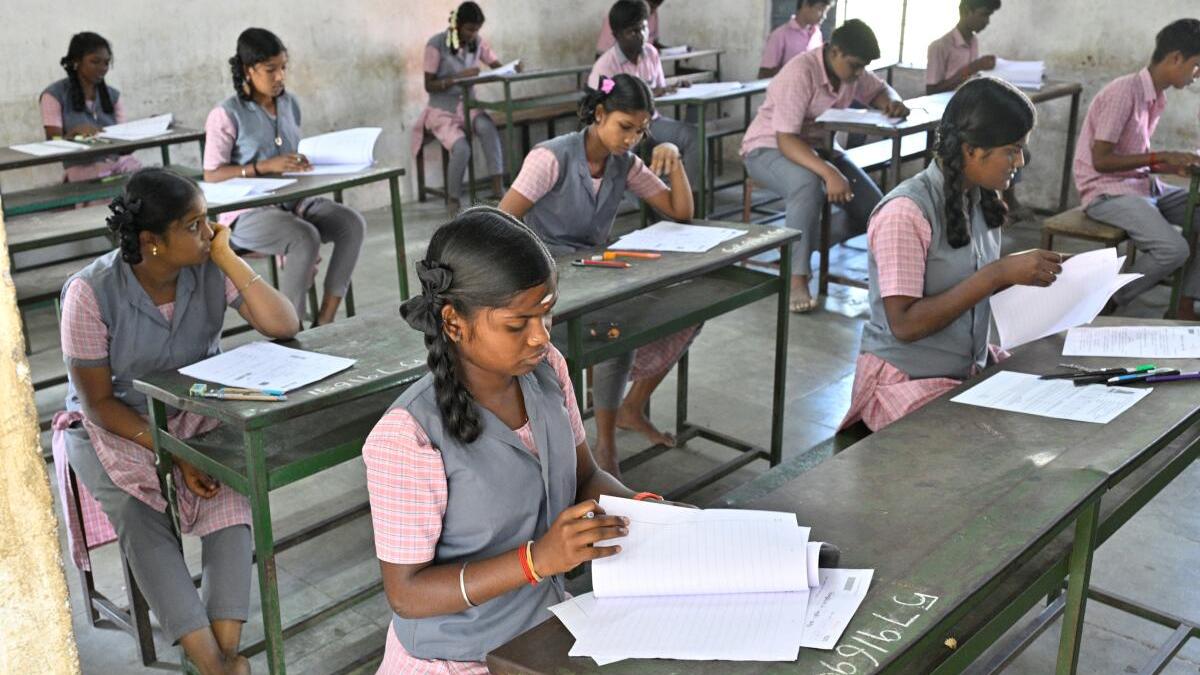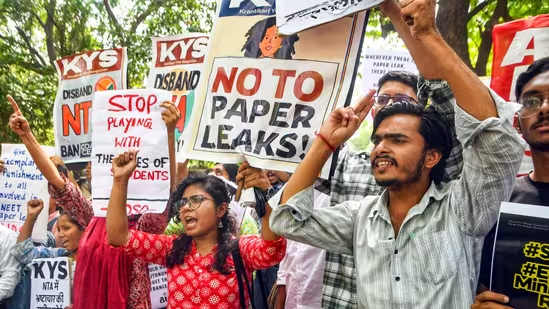
Corruption has shaped elections, toppled governments, and sparked some of the biggest public protests in independent India. With digitalisation and the Right to Information (RTI) Act, citizens were promised greater transparency. Yet has India actually become less corrupt?This question has become pertinent as thousands of students hold protests seeking accountability after the National Eligibility cum Entrance Test (NEET) paper was leaked earlier this year. Their campaign has revived memories of the India Against Corruption movement that galvanised the country more than a decade ago.Is corruption the biggest threat to India’s future? Shailesh Gandhi and Anjali Bhardwaj discuss the question in a conversation moderated by Nivedita Varadarajan.
For many, corruption is paying a bribe to get a service delivered. Has digitalisation helped reduce such petty corruption?Anjali Bhardwaj: Corruption in India goes from the highest to the very lowest offices in the country and people find it difficult to access even their basic rights and entitlements. Unfortunately, digitalisation is being pushed as a magic wand, as if it would make everything alright. But experience on the ground shows that digitalisation by itself is not going to prevent corruption. If you just go into any government office today, it’s an open secret that there will be somebody who will expect to be bribed.