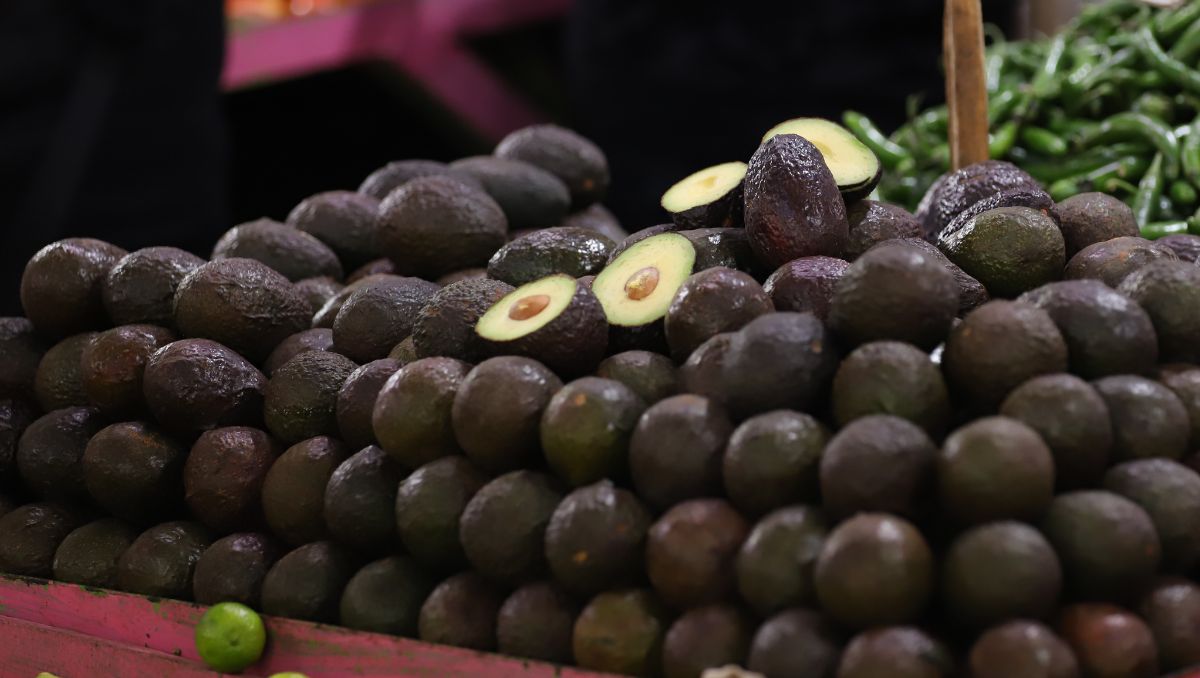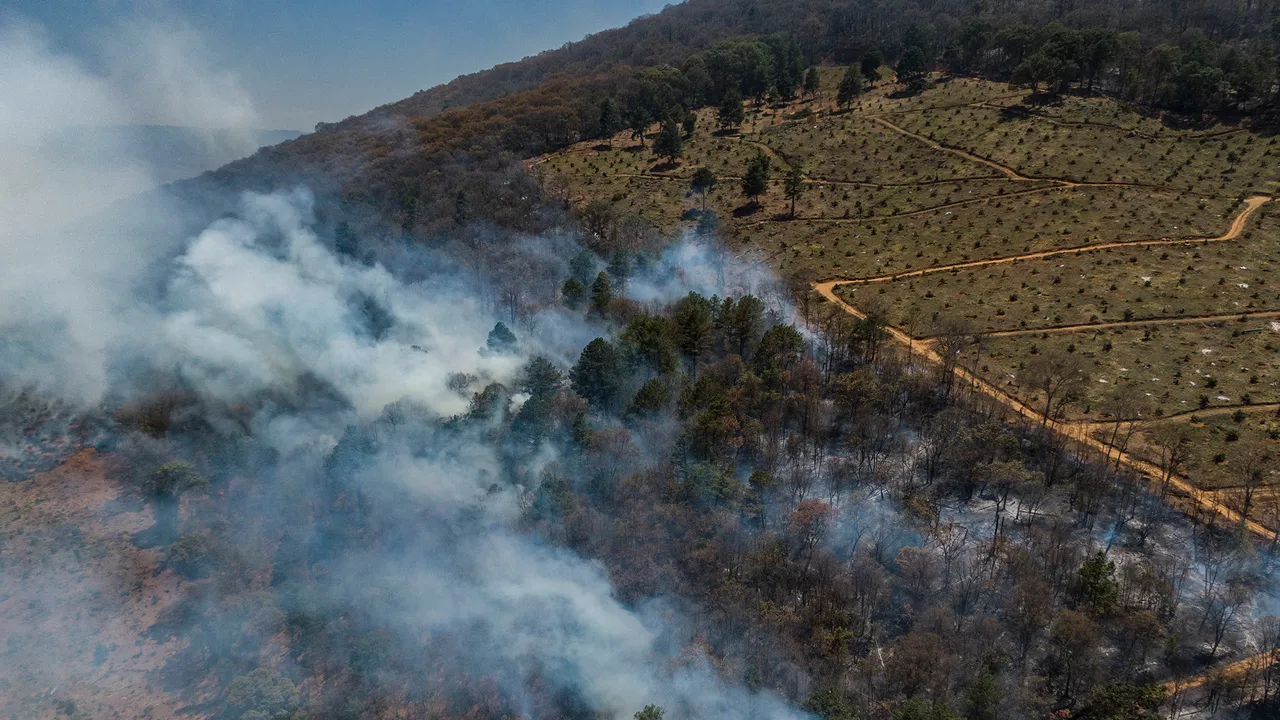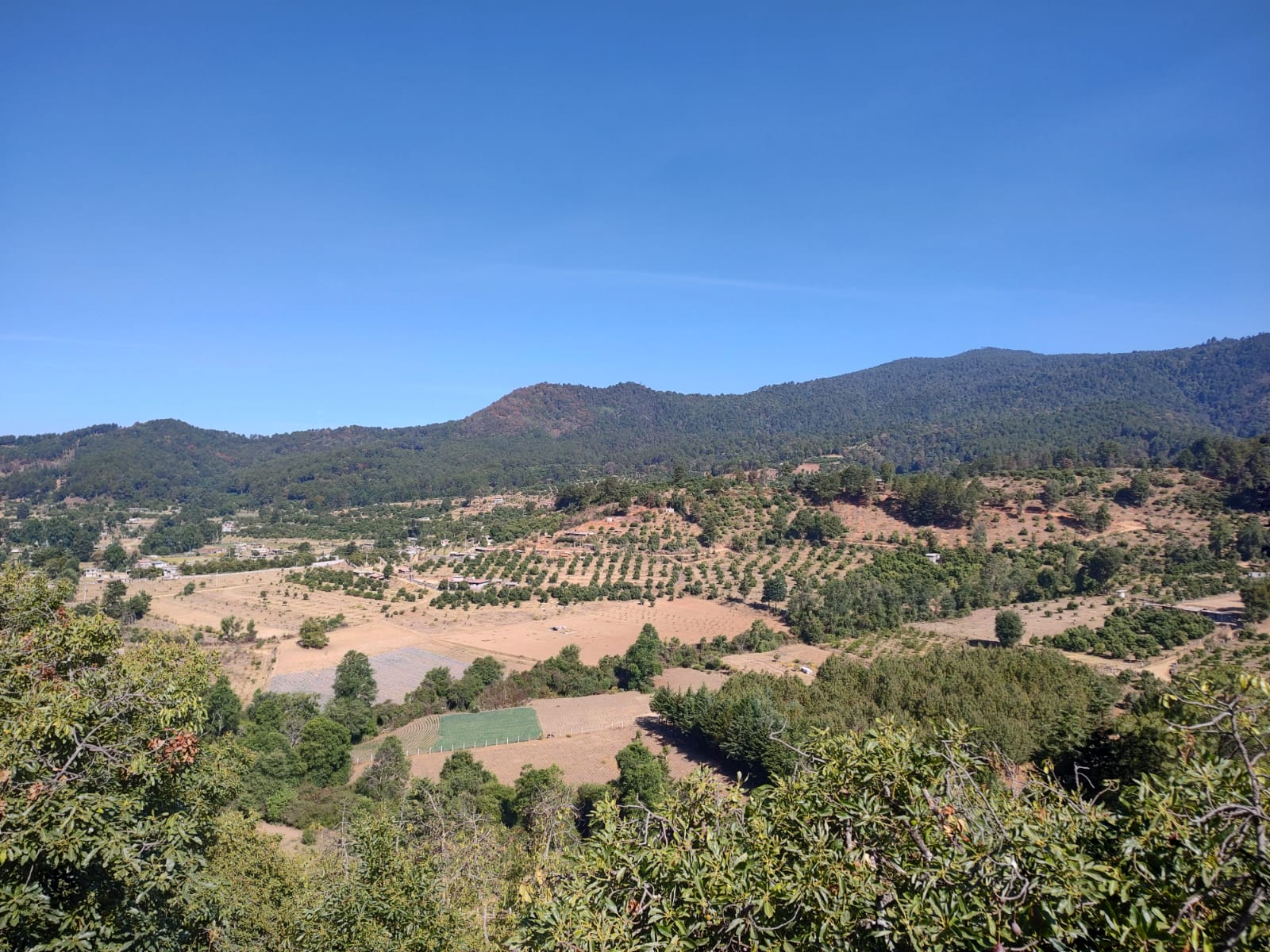
Avocados are grown year-round in the southwestern Mexican state of Michoacán, which exports more than 1 million metric tons of avocados annually.A recent study in Michoacán found that between 2001 and 2018, soils with high avocado productivity lost 38 liters per cubic meter of water annually.Illegal logging of high-altitude forests to accommodate new avocado plantations simultaneously depletes the aquifer, as avocado trees consume 4-5 times more water than native pines.If the trend continues, Michoacán’s avocado-growing areas are expected to suffer increased water stress in the short term, negatively affecting both agricultural production and drinking water access in the region.
MEXICO CITY — In the heart of Mexico’s southwestern state of Michoacán, Juan Madrigal spends his free time organizing to protect the city of Uruapan’s urban ecological park, a 50-hectare (124-acre) plot of land at the edge of the Río Santa Bárbara. A state-protected area since 1995, the park’s marshlands help to purify the surrounding Cupatitzio watershed, where nine natural springs provide drinking water to approximately half a million people.
According to Madrigal, the park, a habitat of the ruddy-capped nightingale-thrush (Catharus frantzii), the endangered Michoacán pocket gopher (Zygogeomys trichopus) and the endemic Pátzcuaro frog (Lithobates dunni), is a victim of neglect. “The authorities have never paid any attention to it, and it’s us citizens who’ve been speaking out,” Madrigal, who in 1993 founded Ecocentro del Río Cupatitzio, a nonprofit educational center, tells Mongabay by phone.