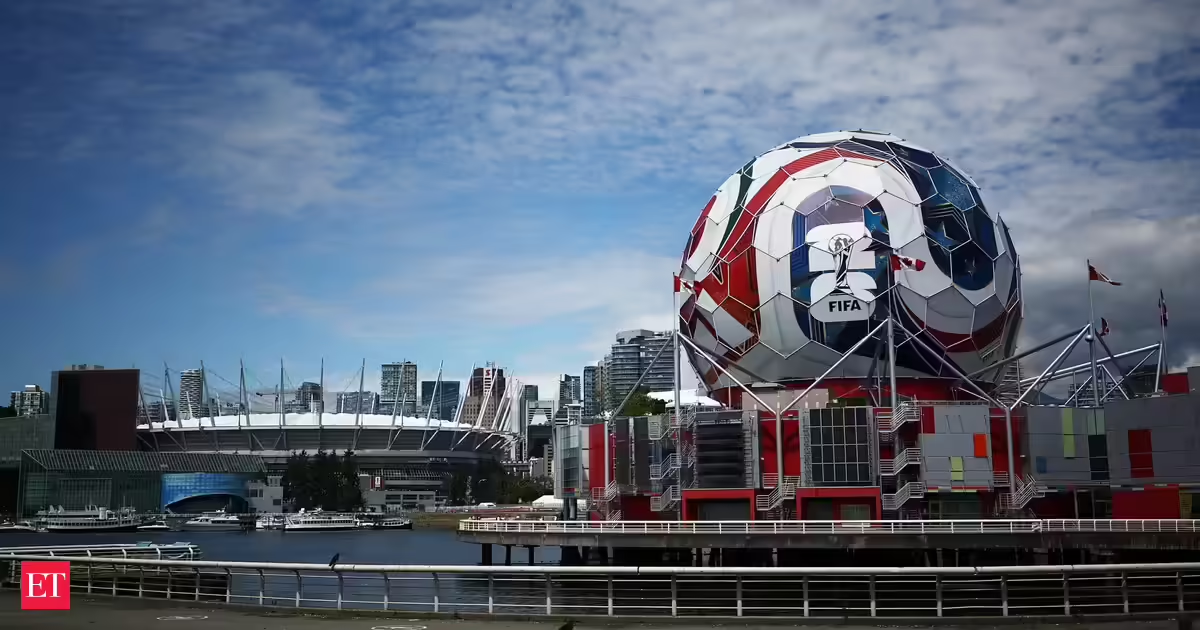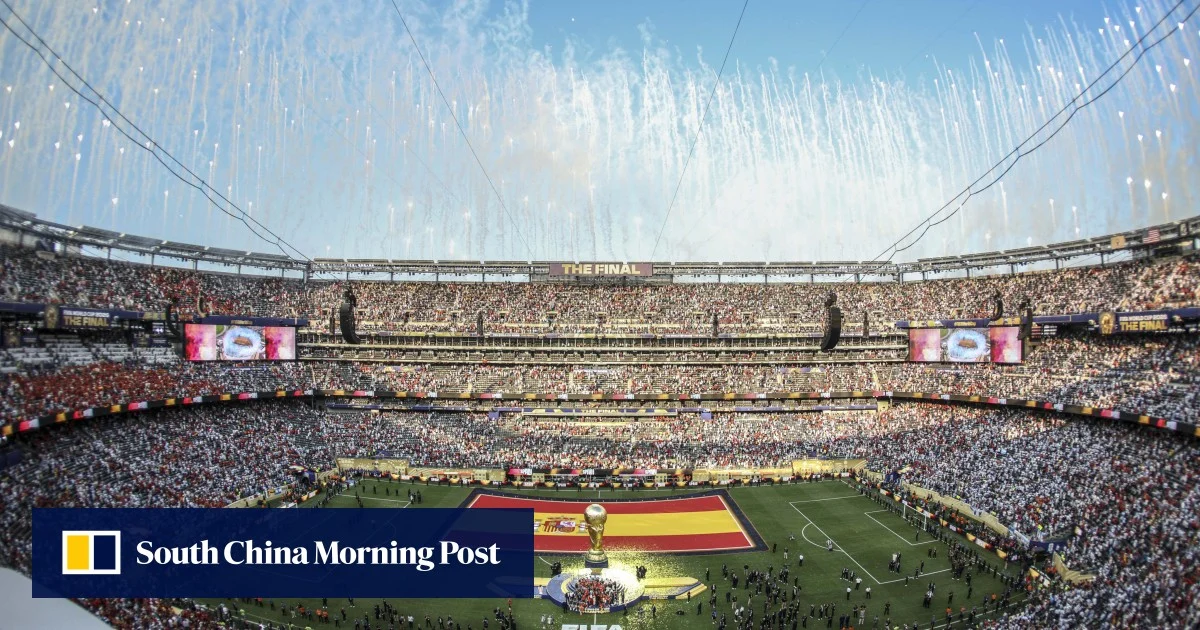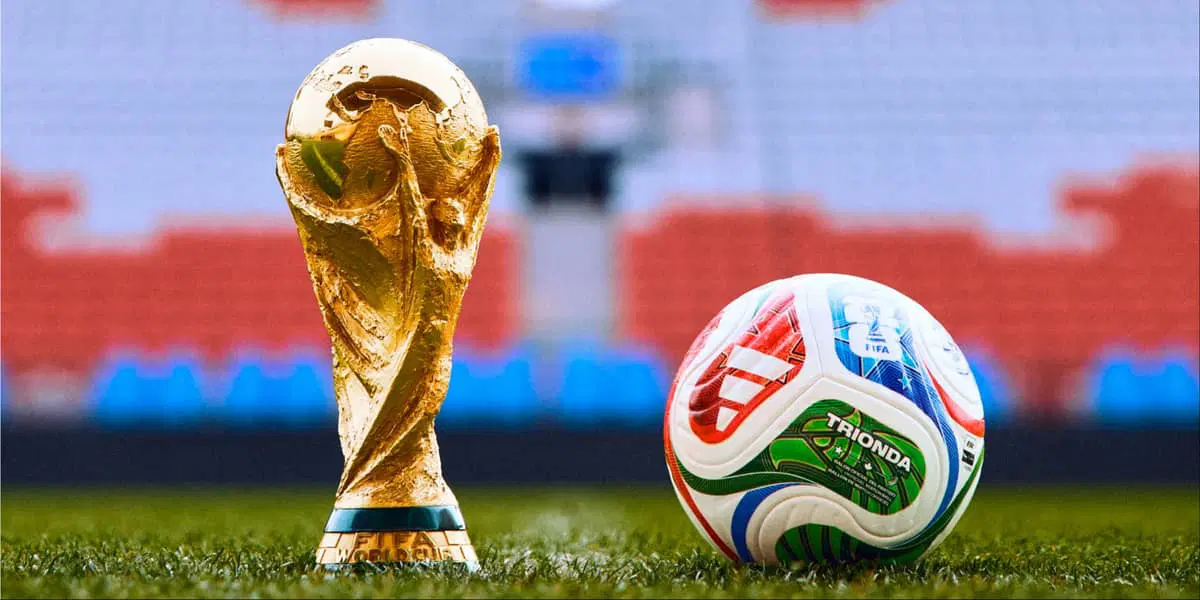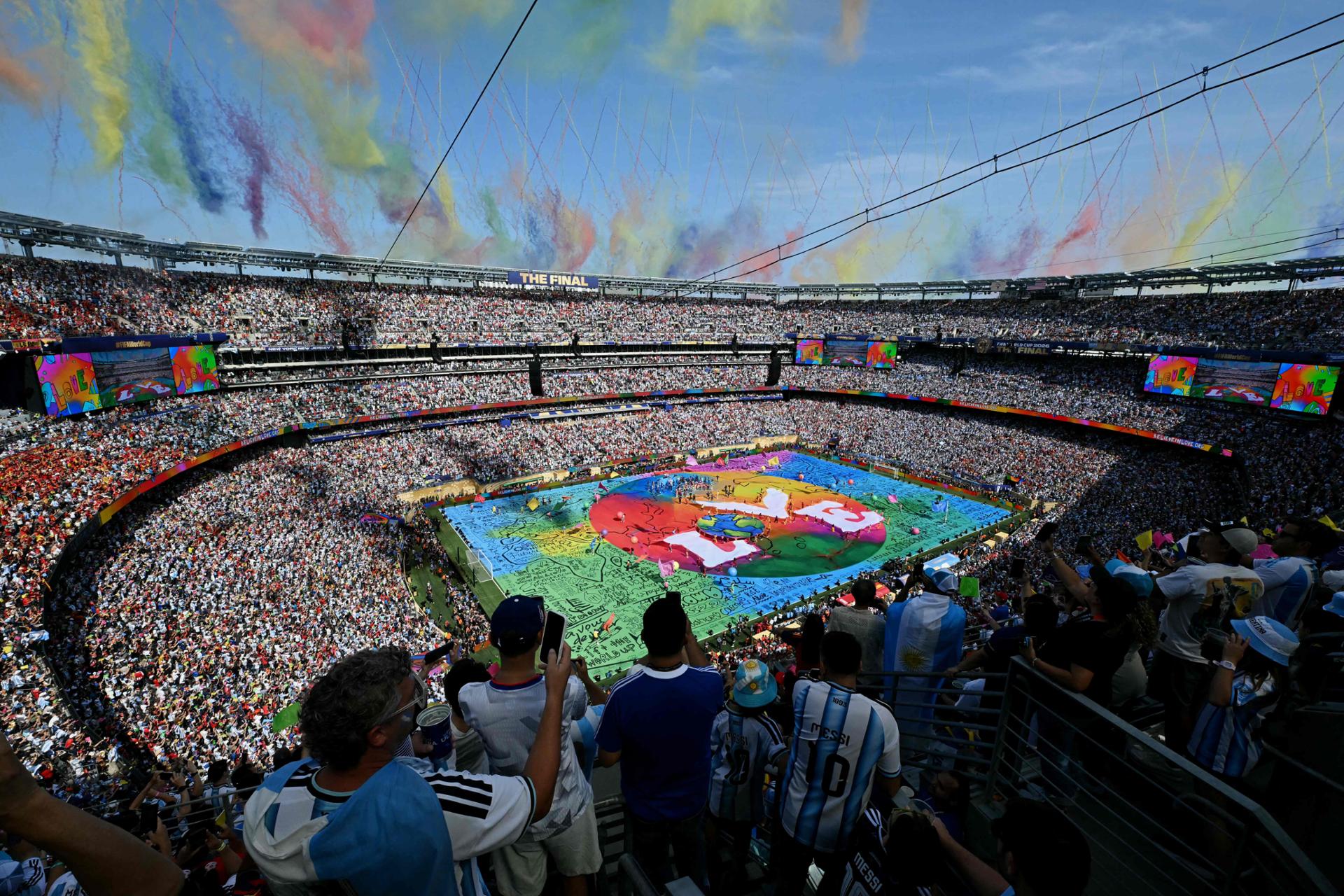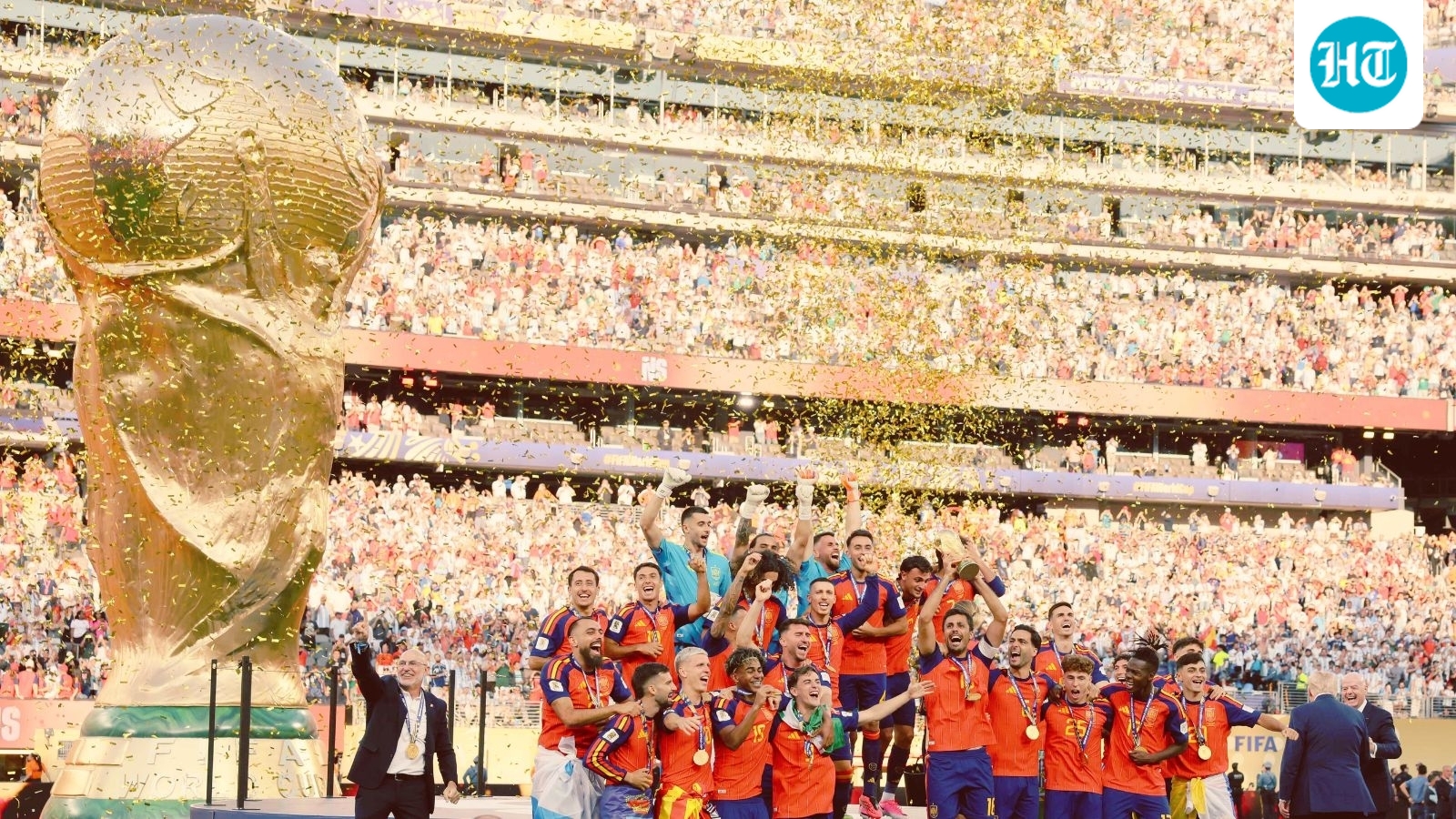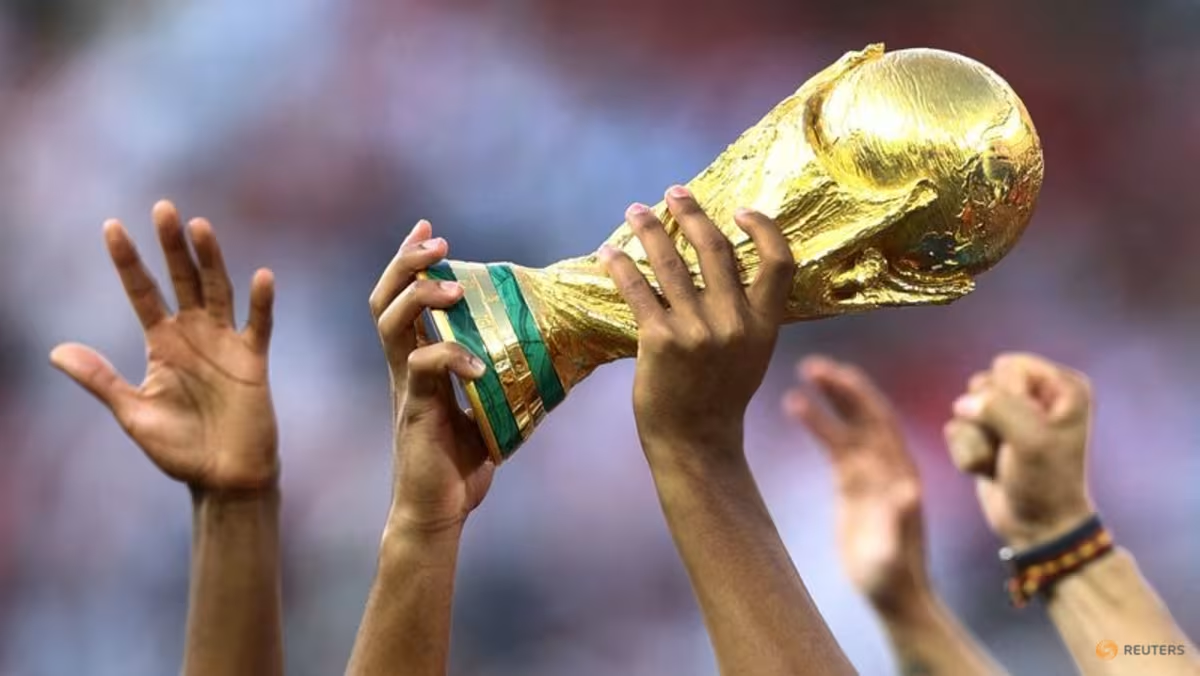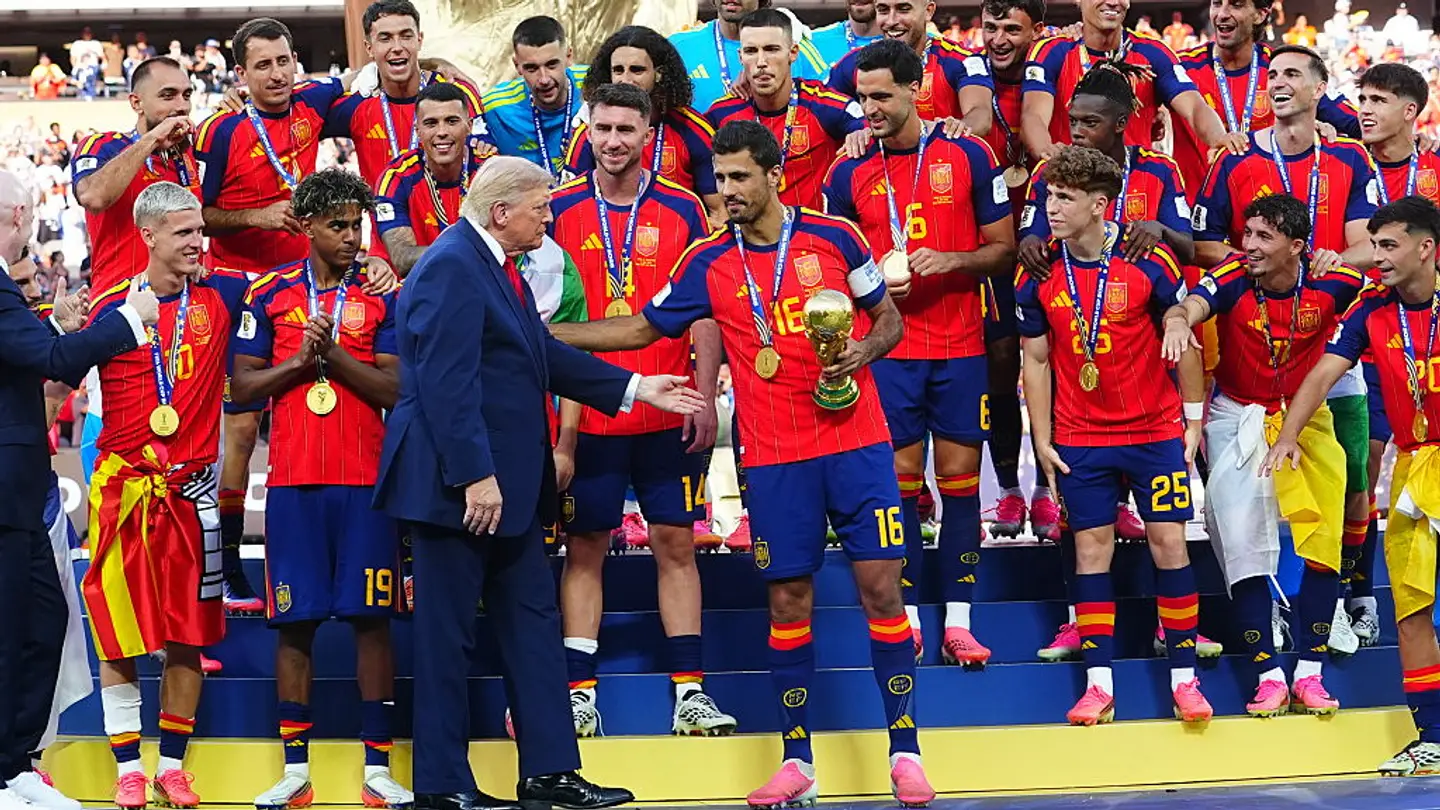
Robert J. Fouser The 2026 FIFA World Cup ended last Sunday with Spain beating Argentina 1-0 in extra time. The final capped a tournament of 104 matches, 78 of which were played in cities across the US. Canada and Mexico each hosted 13 matches. The event ended with no incidents of terrorism and won wide praise. This year’s World Cup marks the second time in history that two or more nations cohosted the event. The first time was in 2002, when South Korea and Japan shared the event.For South Korea, this year’s World Cup was marked by dashed hopes. Early in the series, crowds gathered in Gwanghwamun Plaza to cheer for the South Korean team, but enthusiasm quickly dissipated as the team racked up losses and failed to advance beyond the group stage. The team’s poor performance prompted an investigation of the Korea Football Association, which remains ongoing.On a recent visit to Korea, I was lucky enough to be in Gwanghwamun and see fans cheering for the South Korean team. The scene brought back memories of the rallies in the plaza in front of City Hall during the 2002 World Cup. The young fans clad in red T-shirts became known as the “Red Devils.” Their enthusiasm inspired the nation after hard years of IMF-directed economic reforms and dislocation in the wake of the 1997 financial crisis. In Japan, the 2002 cohost, levels of enthusiasm were more muted, which helped turn the rallies in City Hall Plaza into the symbol of the event.Beginning with the drive for economic development through industrialization, successive governments in South Korea maintained the goal of joining the ranks of the developed countries or, in the terminology of the time: “advanced countries.” During years of dictatorship, this interpretation was almost exclusively economic, but the democracy movement argued that democracy was critical to achieving this status.When South Korea achieved developed country status, however, is open to debate. Democratic reforms in 1987 put the nation on track for democratization that continued into the 1990s with the first local elections in 1995 and the election of opposition leader Kim Dae-jung as president in 1997. Economically, 1996 is considered a milestone because the nation was admitted to the OECD group of developed countries. The adoption of real-name bank accounts in 1993 is considered important as well.To many South Koreans, the 2002 World Cup marks the nation’s entrance into the ranks of developed countries. The energy of the Red Devils impressed the world just as the nation was becoming famous as an internet superpower for its rapid integration of the internet into daily life. In December 2002, Roh Moo-hyun, an outsider from a younger generation, won the presidency with overwhelming support from younger voters. As the nation moved out of 2002, the outlines of the combination of tech-based economic dynamism, vibrant democracy and cultural soft power that South Korea is known for today had become clear.For the US, the 2026 World Cup took place amid bitter political polarization that has accelerated since Donald Trump’s famous escalator ride in 2015. Eighteen months into his second term, Trump’s popularity has fallen amid economic anxiety and opposition to his war against Iran. The country seems torn and leaderless; pessimism is everywhere.To weary Americans, the World Cup offered a welcome boost of optimism. Overseas visitors found Americans friendly and welcoming and enjoyed camaraderie with fans from around the world. Many visitors posted short videos of American curiosities like supersized drinks and ranch dressing. Local businesses in cities, such as Kansas City, Missouri, that attract few overseas tourists enjoyed a boost in business.Except for an outburst over a referee’s decision in a match between the US and Bosnia and Herzegovina, Trump kept out of the event until he viewed the final match as a host-nation head of state. Trump’s silence helped turn the World Cup into a rare “Trump-free” space in the news feed, which freed it from the polarization gripping the country. With politics removed, the World Cup was about sports and the fun that comes with it.The second Trump presidency has 2 1/2 years left. This November’s midterm elections promise to be divisive as Trump tries to intervene to tip the scales in favor of loyal Republican candidates. Moving toward 2028, however, things may start to change as Trump’s lame-duck status deepens. Having tasted a “Trump-free” moment this summer, Americans may finally be ready to put the bitterness of the Trump era behind them.- - -Robert J. FouserRobert J. Fouser, a former associate professor of Korean language education at Seoul National University, writes on Korea from Providence, Rhode Island. He can be reached at robertjfouser@gmail.com. The views expressed here are the writer’s own. — Ed.
[Robert J. Fouser] The respite of a shared game
The 2026 FIFA World Cup ended last Sunday with Spain beating Argentina 1-0 in extra time. The final capped a tournament of 104 matches, 78 of which were played
781 words~4 min read