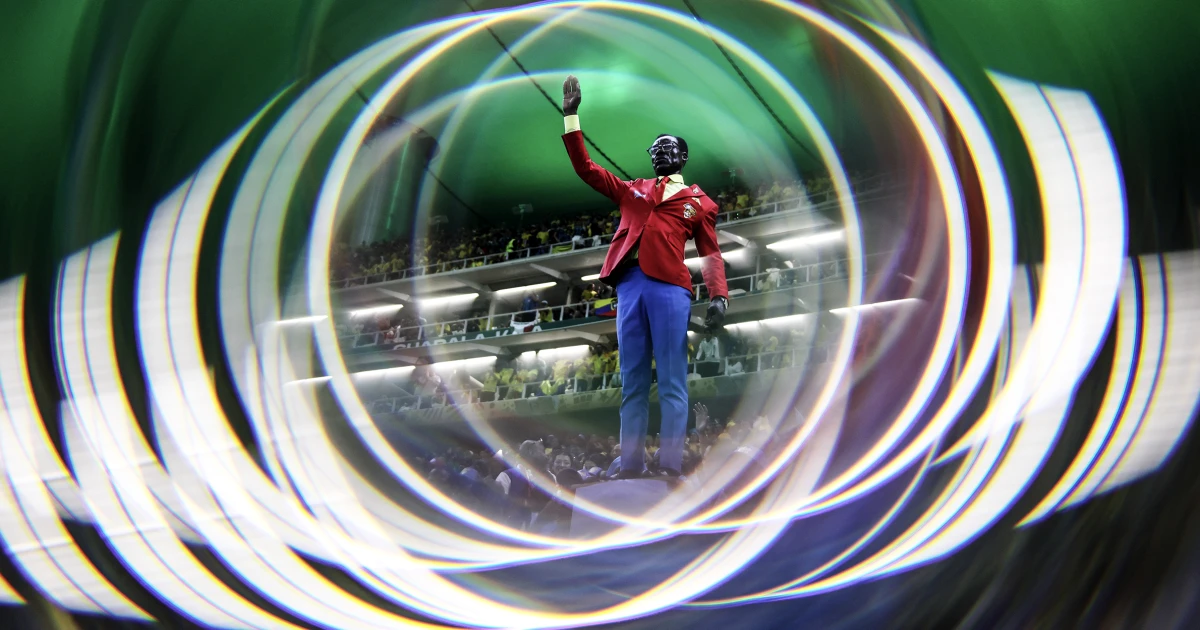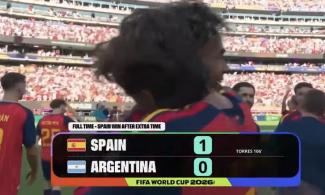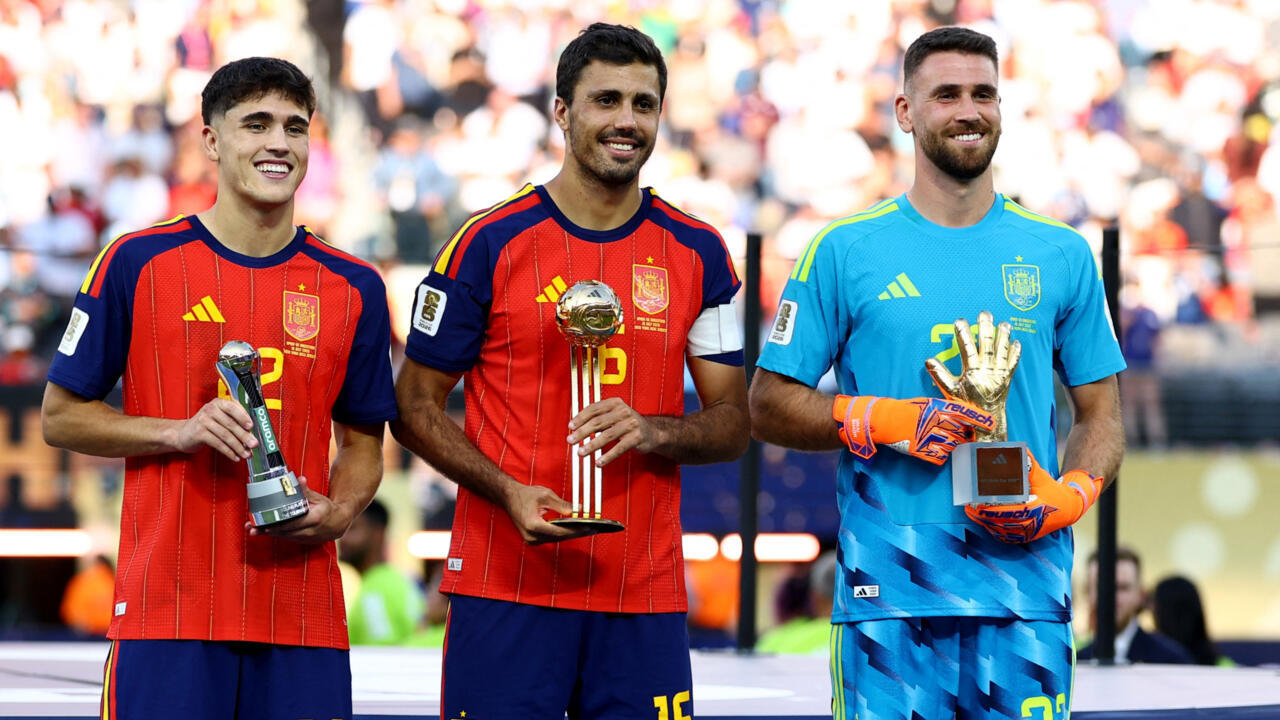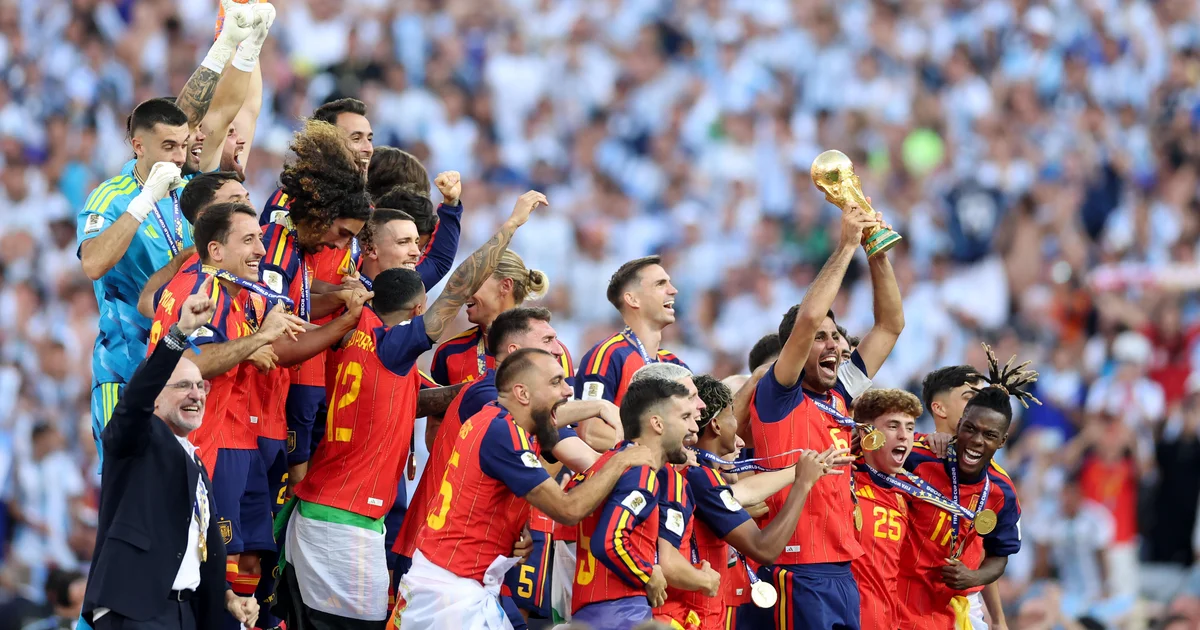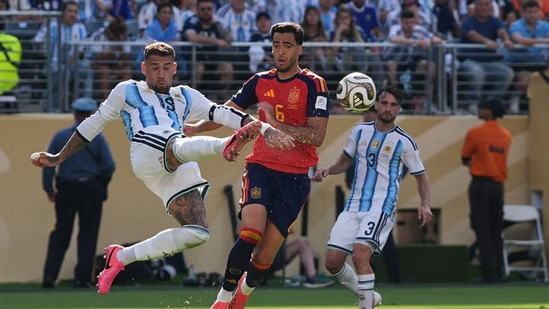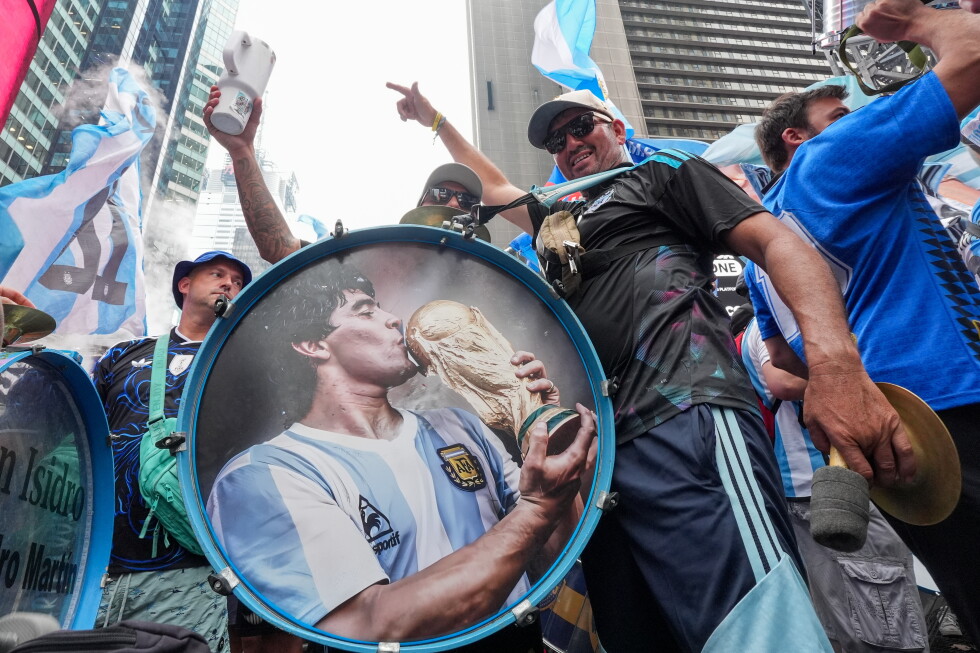
The straight-forward, honest and correct answer to the question raised above is: Yes. Spain won at the end of the day on Sunday, July 19, 1- 0 against Argentina, defending champions since Qatar 2022, and that was the climax of a tournament that lasted for 39 days during which 104 matches were played , by 48 teams from six Federations, participating (for the first time in the World Cup finals), in three countries – Canada, Mexico and the United States in 16 host cities -11 in the United States (Atlanta, Boston Dalla, Houston, Kansas City, Los An-geles, Miami, New York City/New Jersey, Philadelphia, San Francisco Bay Area and Seat-tle; 3 cities in Mexico – Guadalajara, Mexico City and Monterrey, and two cities in Canada – Toronto and Vancouver. This was the longest, most expansive, indeed the most expensive tournament ever in the history of the World Cup with tickets selling as high as $2,000 and over $10, 000 on the day of the final match. Spain’s victory was very well deserved. Supporters of Argentina and particularly the team’s talisman, Lionel Messi, had hoped that Argentina would win the World Cup back-to-back, but that did not happen. Argentina actually failed to get one shot on target. Instead, Spain dominated the game from start to finish, with 20 shots and 12 on target until Ferrand Torres scored the winning goal in the 106th minute.
Was the World Cup 2026 A Success?
The straight-forward, honest and correct answer to the question raised above is: Yes. Spain won at the end of the day on Sunday, July 19, 1- 0 against Argentina, defending champions since Qatar 2022, and that was the climax of a tournament that lasted for 39 days during which 104 matches were played , by 48 teams from six Federations, participating (for the first time in the World Cup finals), in three countries – Canada, Mexico and the United States in 16 host cities -11 in the United States (Atlanta, Boston Dalla, Houston, Kansas City, Los An-geles, Miami, New York City/New Jersey, Philadelphia, San Francisco Bay Area and Seat-tle; 3 cities in Mexico – Guadalajara, Mexico City and Monterrey, and two cities in Canada – Toronto and Vancouver. This was the longest, most expansive, indeed the most expensive tournament ever in the history of the World Cup with tickets selling as high as $2,000 and over $10, 000 on the day of the final match. Spain’s victory was very well deserved. Supporters of Argentina and particularly the team’s talisman, Lionel Messi, had hoped that Argentina would win the World Cup back-to-back, but that did not happen. Argentina actually failed to get one shot on target. Instead, Spain dominated the game from start to finish, with 20 shots and 12 on target until Ferrand Torres scored the winning goal in the 106th minute.