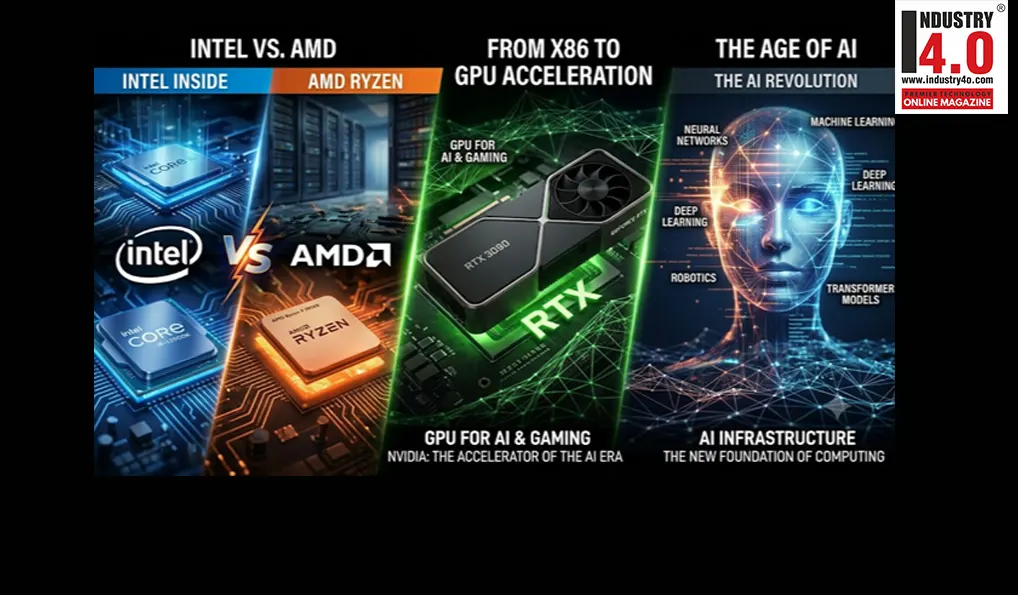
Before graphics processing units (GPUs) became the powerhouse chips driving modern video games, scientific simulations, and artificial intelligence, computer graphics were slow, blocky, and severely limited. Understanding how we got from simple glowing dots to today's hyper-realistic 3D worlds requires looking back at a few key breakthroughs in computing history.
Part 1: In the Beginning — Legacy Systems & Early Graphics
1950: The Whirlwind Computer
The long story of computer graphics begins in 1950 with The Whirlwind, a giant computer built for the U.S. Navy as a flight simulator. Powered by thousands of bulky vacuum tubes, Whirlwind could perform around 50,000 basic calculations per second.
It commanded a cathode-ray tube (CRT) monitor to draw basic dots, shapes, and screen coordinates. While impressive for its time, Whirlwind wasn't actually an ancestor of the modern GPU—it was simply an early milestone showing that computers could display visual information.