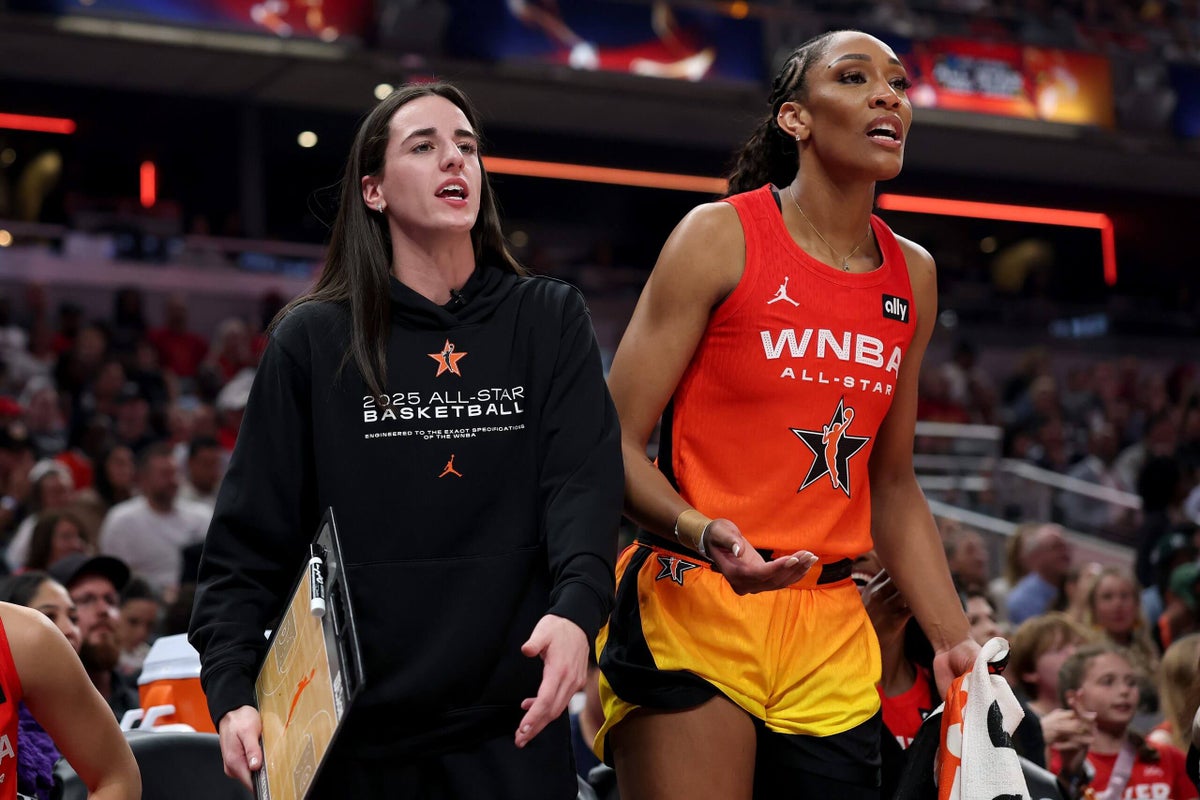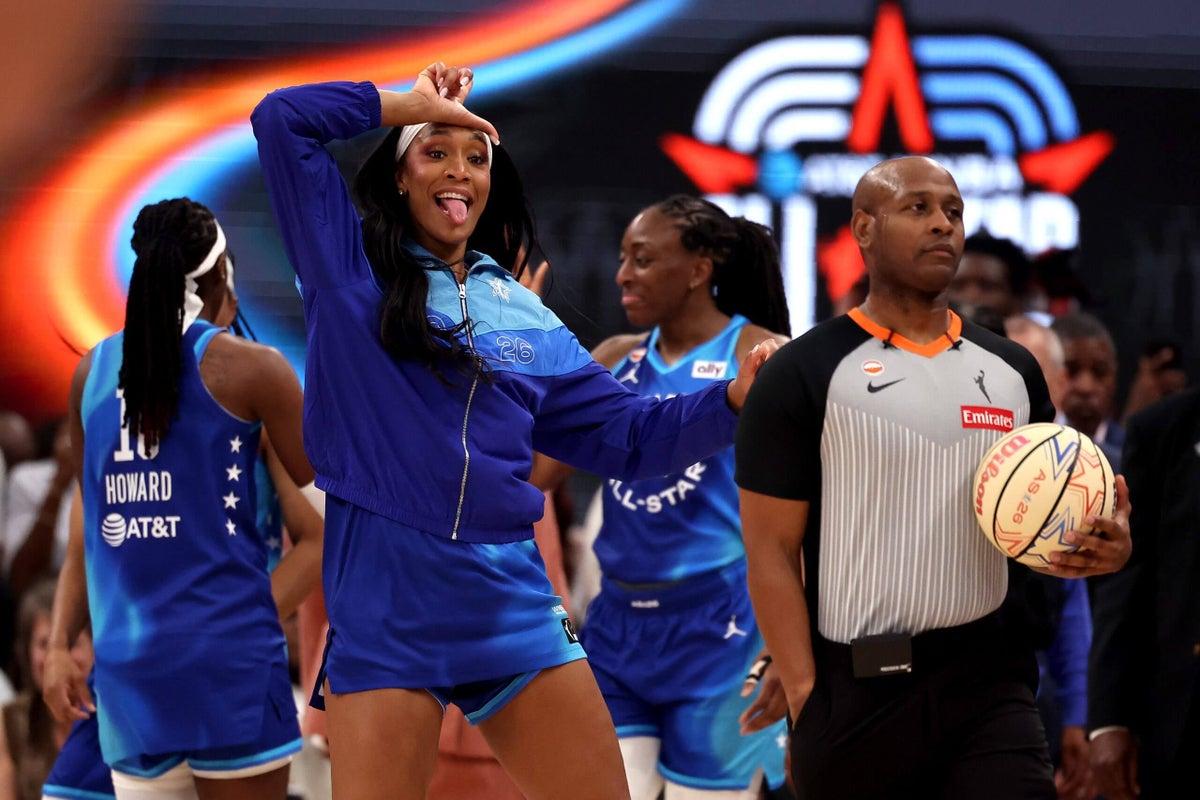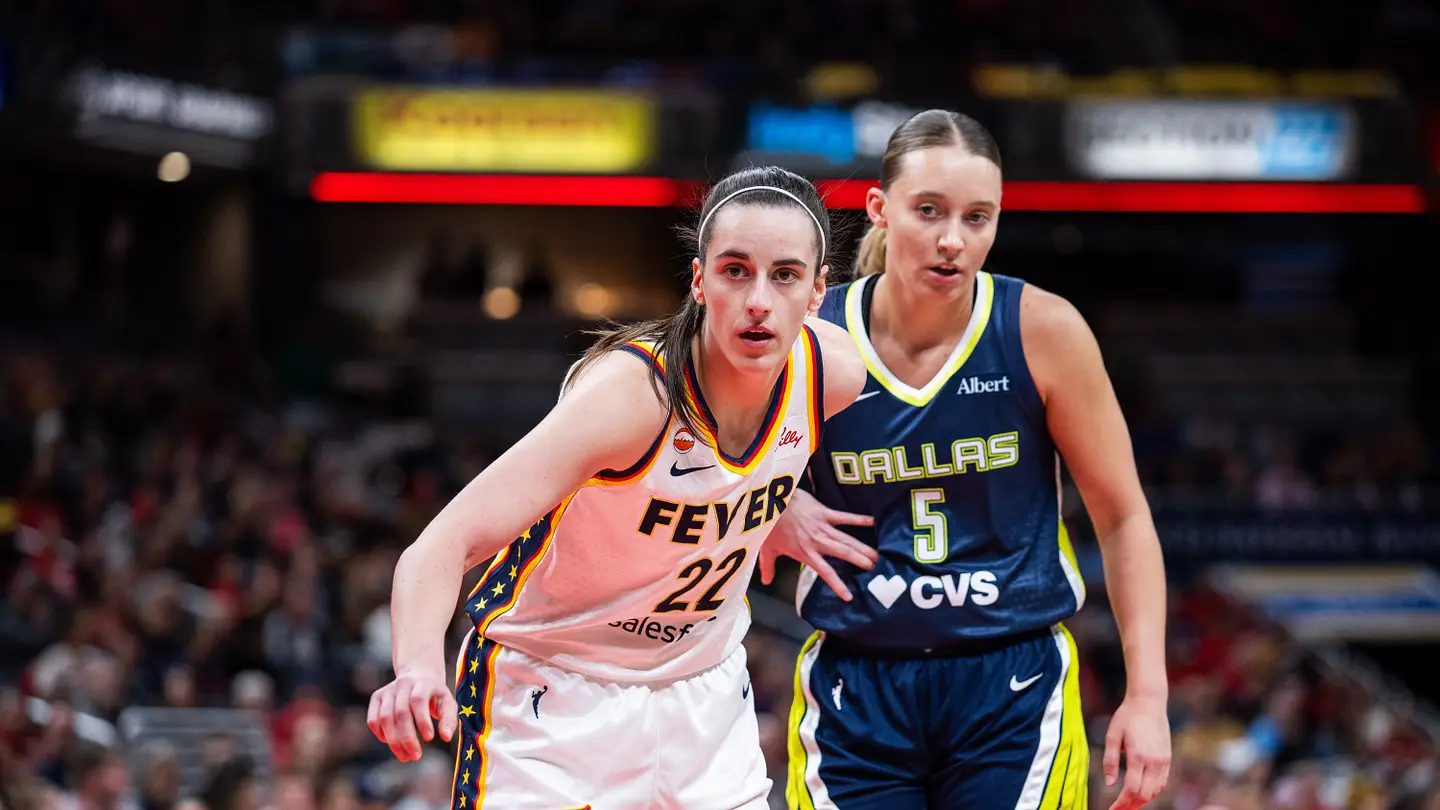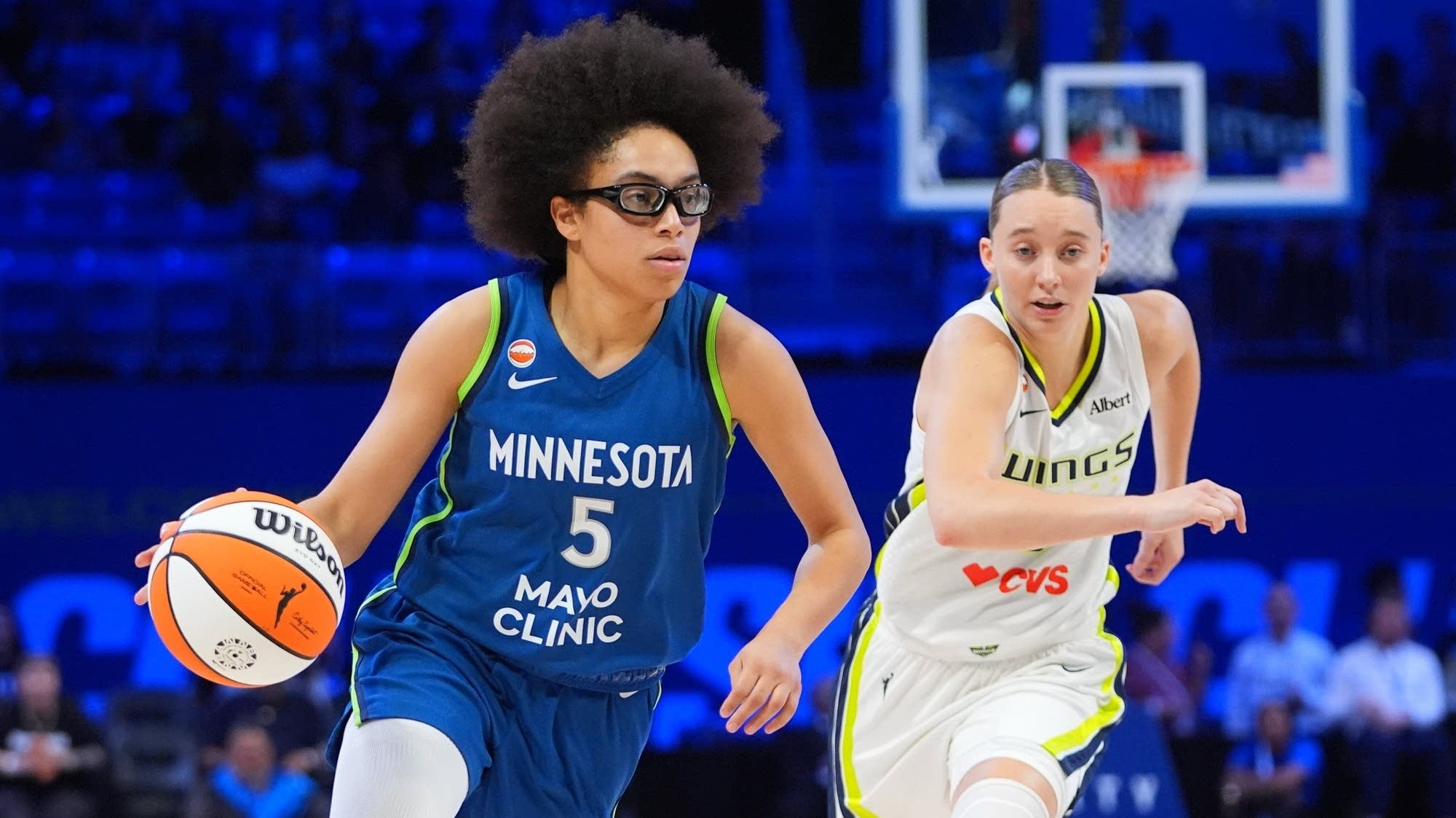
The WNBA All-Star Game tips off this weekend in Chicago as the league celebrates its 30th season.Players are also competing under a landmark collective bargaining agreement that reshaped compensation, benefits, and working conditions.To better understand what the agreement means for players — and for the broader business of women’s sports, “Marketplace Morning Report” host Kimberly Adams spoke with Deb Willig, who served as outside counsel for the Women’s National Basketball Players Association during the negotiations.The following is an edited transcript of their conversation.Kimberly Adams: This collective bargaining agreement goes far beyond players' salaries. There's investments in staffing, facilities, and players' support. What made an agreement like this possible now?Deb Willig: I think it was perfect timing, but in addition, it was the resolve of the players. The business of sports has changed in the 30 years that the WNBA has been in existence. In the last five years or so, it has exploded both in ticket sales, in sponsorships, and of course in a pretty historic media deal.Adams: The agreement also includes big changes to players' working conditions. Can you detail some of those changes and why they were important to players?Willig: In addition to salary cap, which almost tripled from 2025 to 2026, we expanded team staffing requirements, which includes access for the players to additional physicians, athletic trainers, strength and conditioning coaches, physical and massage therapists, and nutritionists. This is what elite athletes need and are entitled to, and we finally secured these requirements for the players in the WNBA.Adams: This new collective bargaining agreement pushes back the deadline for players returning from overseas leagues. Why was that a priority for the players' union?Willig: Until now, because the players in the WNBA really couldn't make a living, many of them were forced to go overseas, where they are treated like the elite athletes they are. But the WNBA said in the last collective bargaining agreement, "It's fine if you do that, but you have to get back in time for our season, and if you don't get back, you can be severely penalized,” like perhaps not being able to play for a year. So it was very important for the players this time to move that date back because some of the leagues’ overseas also have championship events, and they did not end by the time you had to be back for the WNBA season start.Adams: You also represented the National Women's Soccer League Players Association. What similarities have you seen in the issues that women athletes are facing as they negotiate across professional sports?Willig: The similarities were pretty stunning. In both sets of negotiations, the owners insisted on eliminating housing for the players. In women's sports, this has been going on for decades — there are good reasons for it. People did not, and still in the WNBA, do not generally have guaranteed contracts, so a player can be traded or waived at any time. So there's no stability in the housing. This was a fight we had in soccer. In the WNBA, it was almost harder. They wanted to eliminate housing on day one, and we spent the better part of 14 of the 16 months we were in negotiations on housing.Adams: Why is it still so hard to get for women's sports what is kind of standard in men's sports?Willig: Early on in these negotiations, some of the star player members of the executive committee made it very clear that while it is still quite unfair, they didn't expect individual players to make yet what men in the NBA make. But what they wanted was a piece of the pie, and that's what we achieved. But I mean, look, there's discrimination against women. There has been in employment for years, and I think this is just another example of it.
The labor agreement reshaping the WNBA
As the WNBA celebrates All-Star weekend, a landmark collective bargaining agreement is changing more than just players’ salaries.
635 words~3 min read