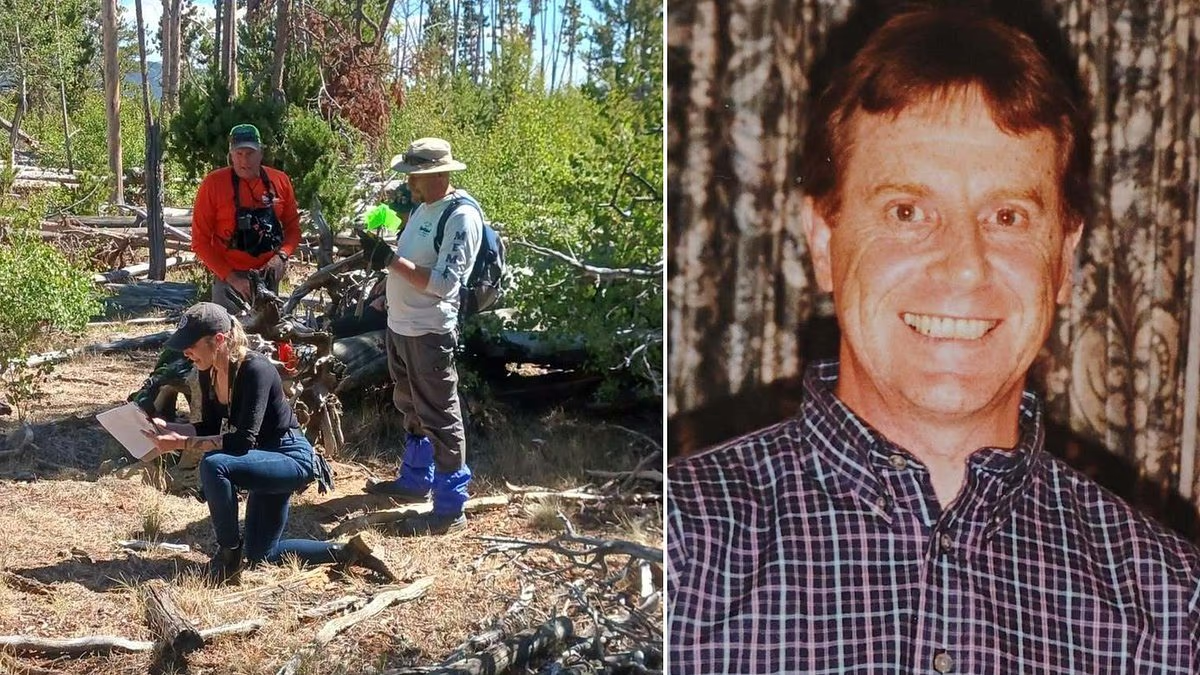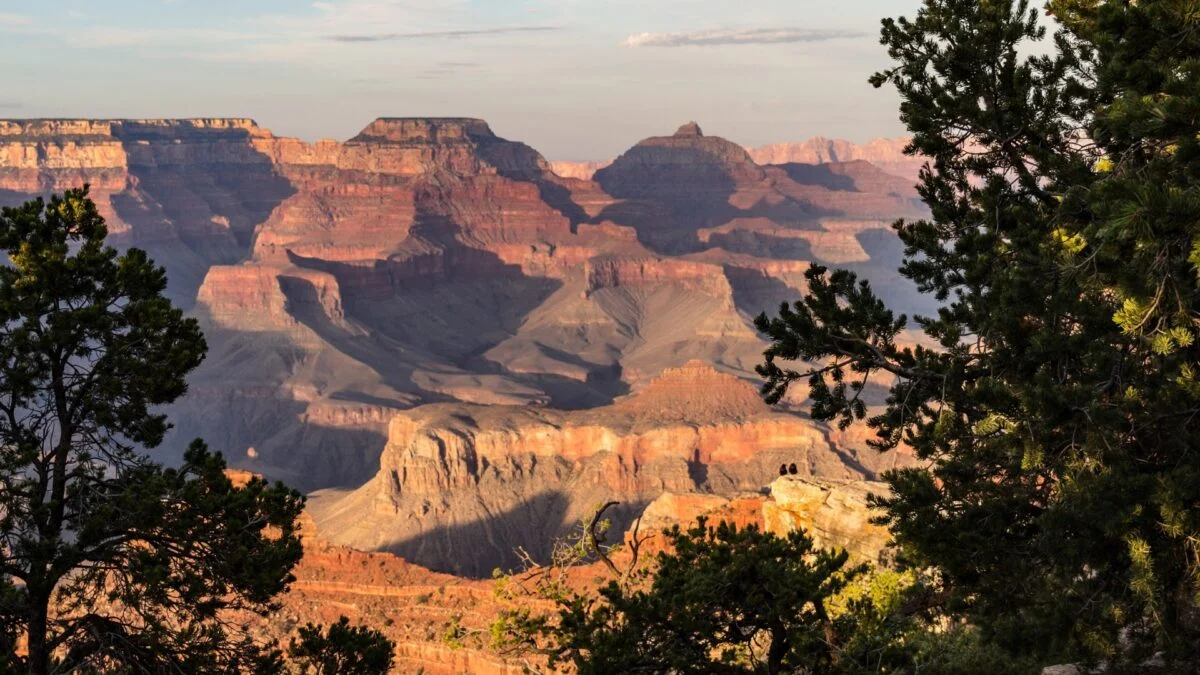
Amateur archeologist Bill Ott was already a legend before he disappeared into the Grand Canyon 14 years ago. During the 2012 search and rescue mission, one sheriff’s sergeant described Ott as “just a higher level of Grand Canyon hiker.” He was the first to complete the traverse on the Canyon’s north side over 78 days alone in 1981. No one had even considered Ott’s disappearance odd until the 65-year-old backpacker had been missing for 12 days. Ott had been on a solo expedition to document ancient rock art dating back roughly 3,000 to 4,000 years before he vanished, according to his friend, Flagstaff-based anthropologist Scott Thybony. But now Ott’s remains have become something of a case of forensic anthropology themselves: The Coconino County Sheriff’s Office announced Tuesday that DNA testing confirmed remains discovered by members of the Hualapai Tribe west of the Grand Canyon belonged to Ott, solving the long-standing mystery of the missing backpacker’s fate. Thybony had been among the first modern researchers to study these prehistoric pictographic sites, thanks to a National Geographic grant in 1998, teasing out curious images of tall beings from the faded rock art, including humans with antlers and animals walking on their hind legs. Ott, as Thybony told Outside this week, was helping in this process—devoting his free time to photographing and digitally restoring these rock panels in the time off from his day job at a nursing facility.
An Amateur Archaeologist Disappeared in the Grand Canyon 14 Years Ago. His Remains Have Finally Been Found
Amateur archaeologist Bill Ott went missing in 2012 while hunting for undocumented prehistoric rock art paintings. His backpack is still missing.
653 words~3 min read