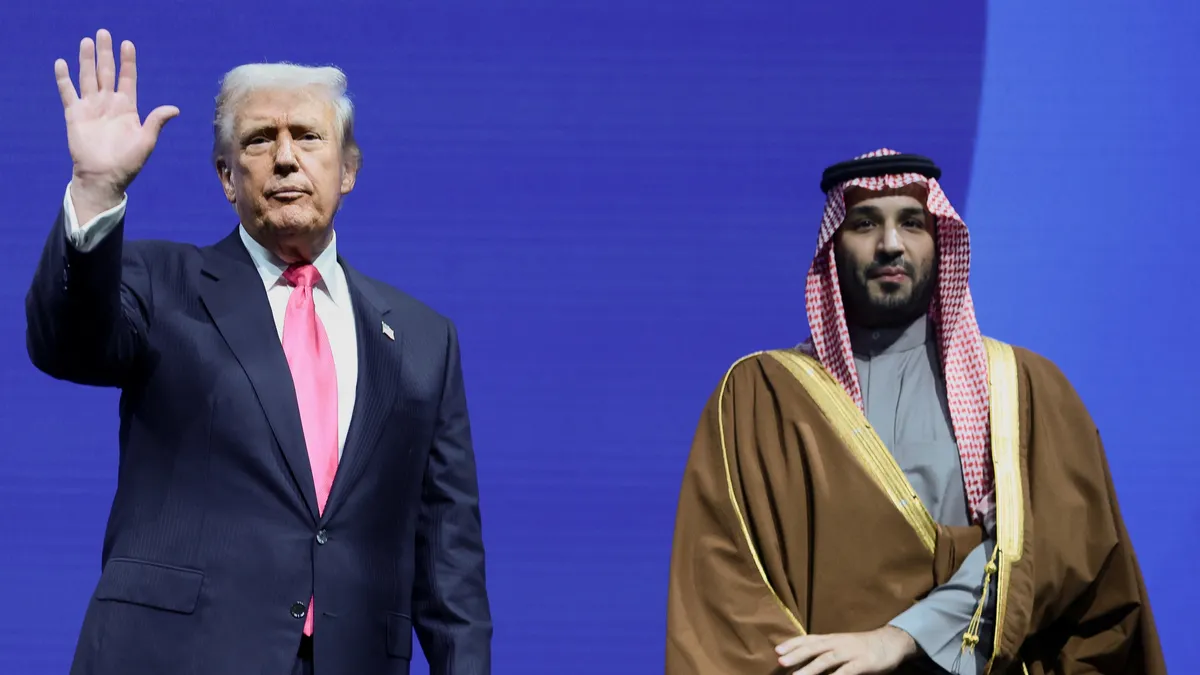
Show Caption
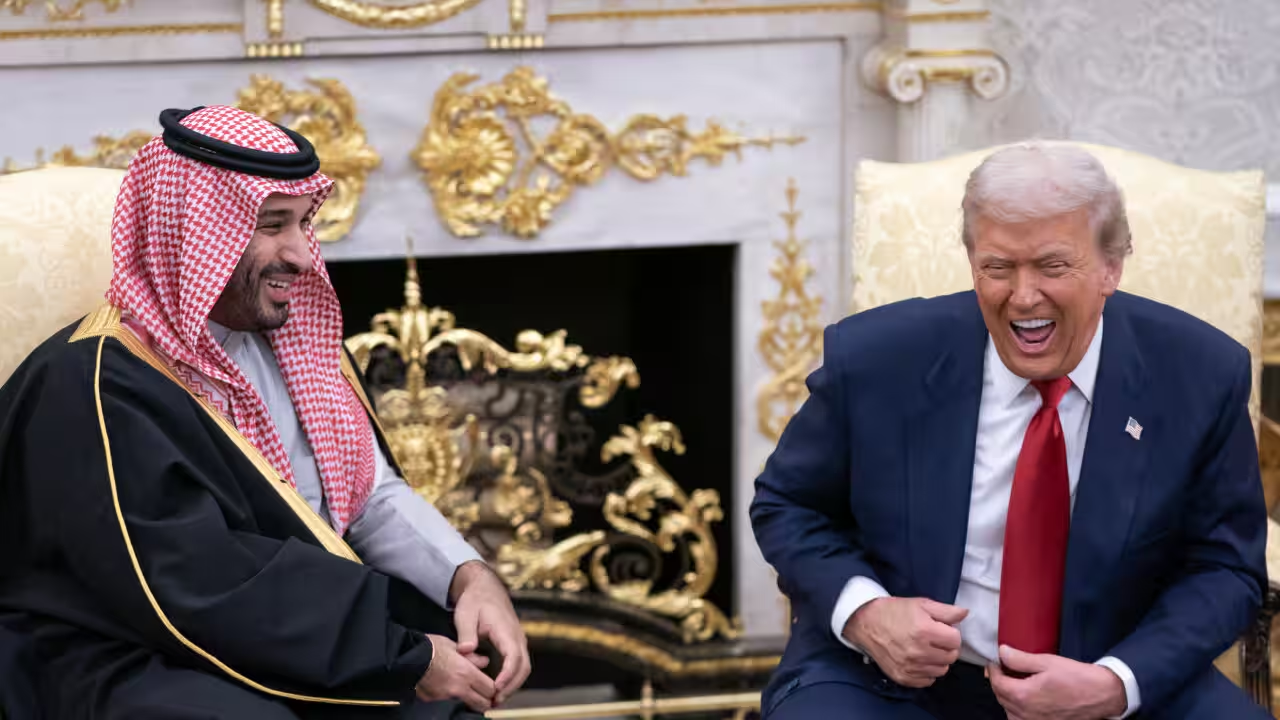
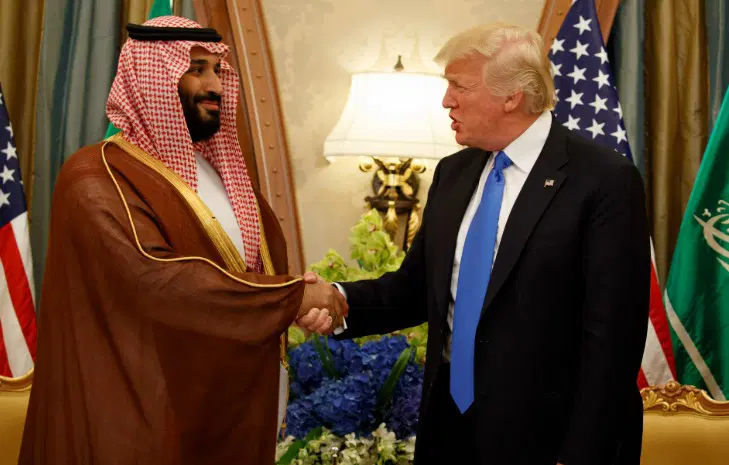
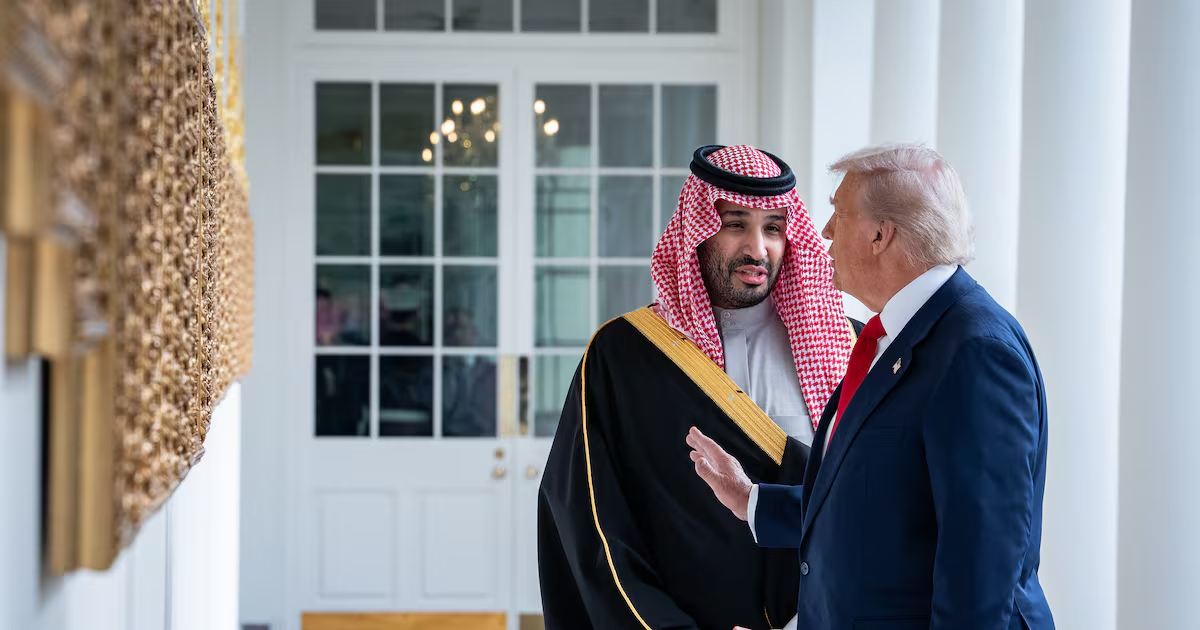
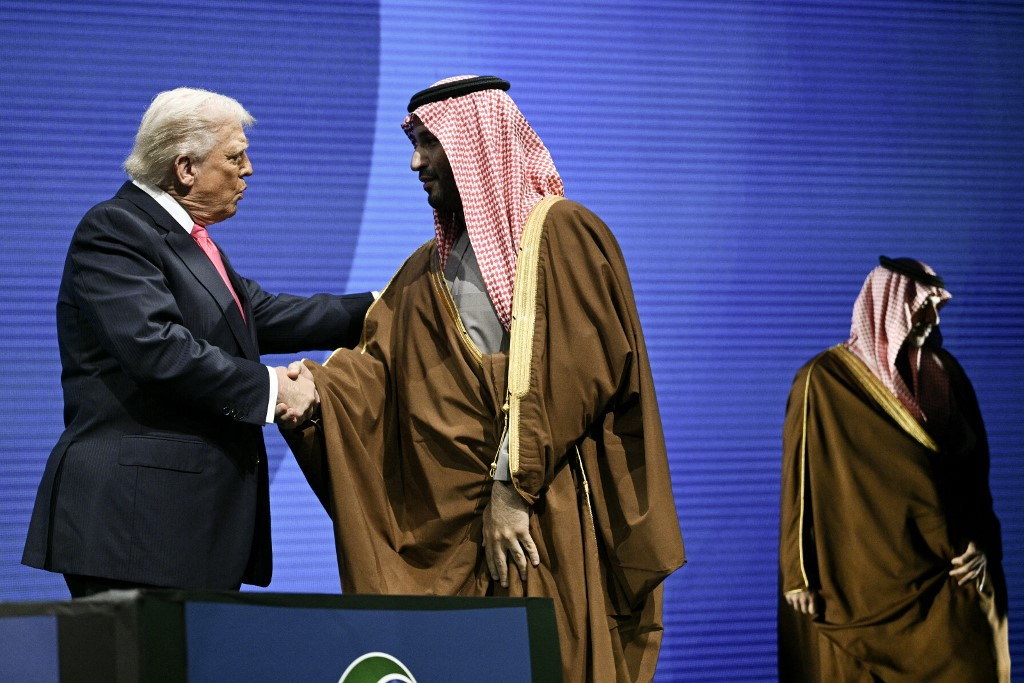
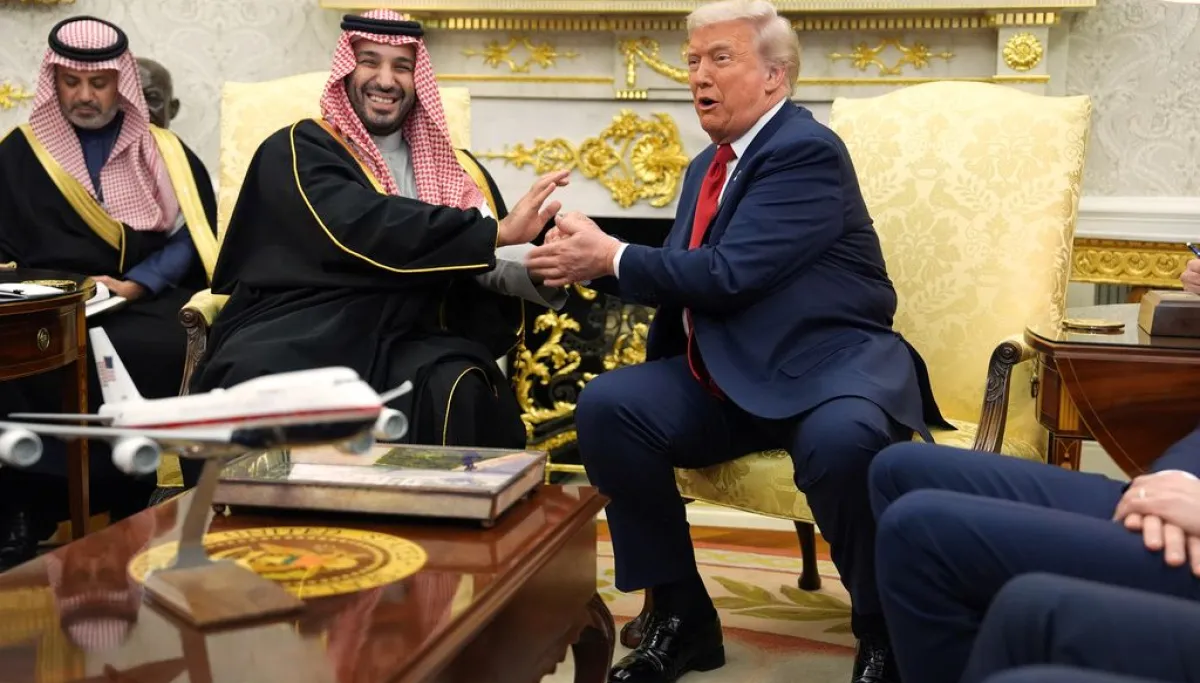
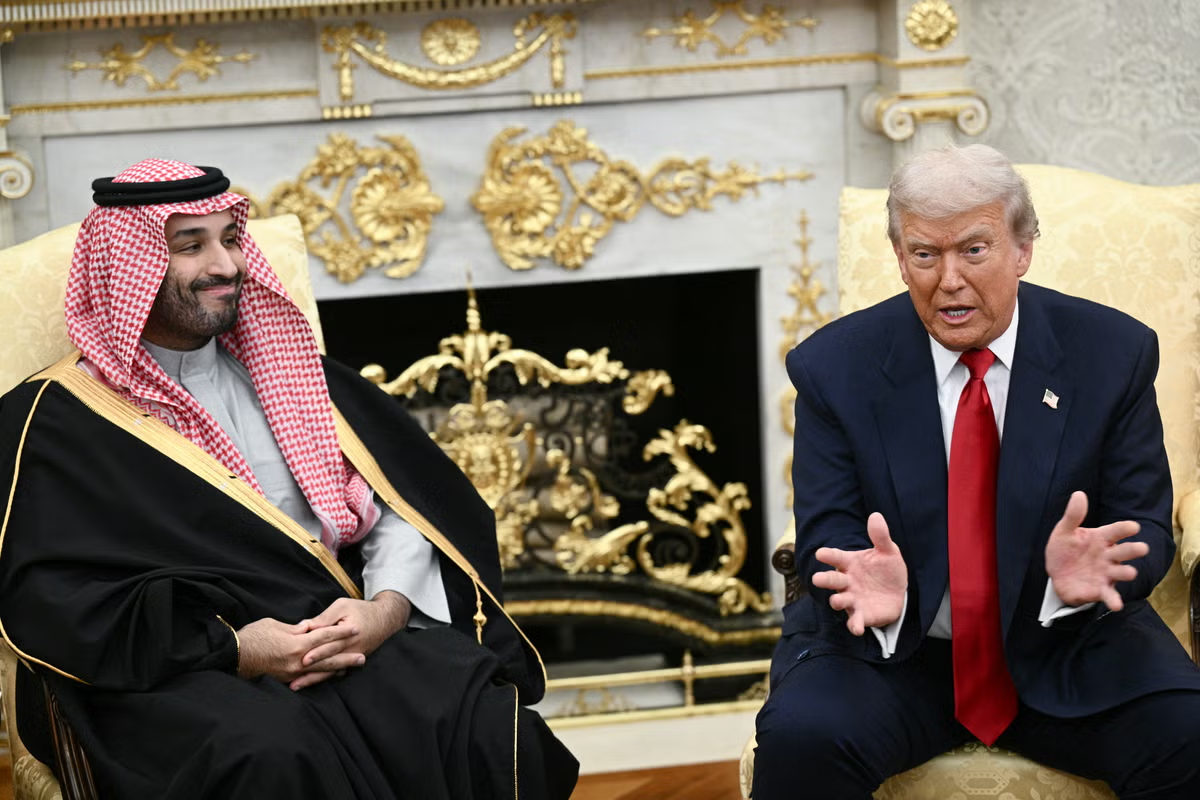
The Trump administration signed an agreement with Saudi Arabia to develop a nuclear program, even as the White House escalates a war with Iran that is aimed, in part, at destroying its nuclear capabilities.The U.S. Department of Energy described the agreement as one that would allow Saudi Arabia to develop its civilian energy nuclear program and give U.S. companies "great access" to related commercial deals.Congress has not yet approved the arrangement, and few details about it have been made public. But former officials and members of the nuclear community said it is a major shift in U.S. policy and risks accelerating a nuclear arms race in an already volatile region. Here's what to know about the deal and its potential impact on the Iran war.What's in the agreement?The agreement may allow U.S. companies to build uranium enrichment facilities in Saudi Arabia to supply its nuclear reactors. U.S. companies would also provide additional technical expertise. The deal could mean Saudi Arabia would not have to import its nuclear fuel and it could provide a pathway for it to enrich uranium on its own at a later date.The agreement would last for 30 years. If enacted, it could make U.S. companies billions of dollars.Why is the deal controversial?Enriched uranium can fuel power plants. It can also be used to make nuclear bombs. U.S. Energy Secretary Chris Wright said the agreement upholds "the highest standards of nuclear safety and nonproliferation," but the deal abandons key nonproliferation benchmarks, including by limiting inspections by international nuclear experts.Thomas Countryman, a former assistant secretary of state for international security and nonproliferation, said the deal "reverses 50 years of U.S. leadership in the global nonproliferation architecture."Laura Kennedy, a former U.S. ambassador and acting U.S. representative to the International Atomic Energy Agency, warned that the agreement "would set a dangerous precedent" across the region.How does this all relate to Iran?The deal is designed to give U.S. companies a key role in developing Saudi Arabia’s nuclear infrastructure. This stands in stark contrast to the war being waged by the Trump administration to halt Iran's nuclear program.Like Saudi Arabia, Iran insists – despite significant international skepticism – that it is only interested in nuclear energy, not nuclear weapons. But Saudi Arabia and Iran are historic rivals who compete for regional dominance.In recent years, they have backed opposing sides in civil wars in Yemen and Syria. They have targeted each other with retaliatory missile and drone strikes after Israel and the U.S. launched the Iran war in February.And while Saudi Arabia's de facto ruler, Crown Prince Mohammed bin Salman, has long insisted that his country has no plans to pursue a nuclear weapons program, he said in 2018 that "without a doubt if Iran developed a nuclear bomb, we will follow suit as soon as possible."Steven Simon, a senior research fellow at the Quincy Institute think tank in Washington. D.C., said "the U.S. has just put Saudi Arabia on the pathway to a nuclear weapons capability, should the kingdom decide they want it. Iranians who think a nuclear weapons capability serves their strategic interests will say they are justified."Is US-Saudi pact a done deal?The agreement is signed, but it's not quite a done deal yet. It will first be submitted to Congress, which has 90 days to review it. Even if Congress votes to reject the deal, President Donald Trump could veto that decision, and its opponents are unlikely to secure enough votes to override the veto because Republicans control Congress.There is an added complication, unveiled by Trump on July 23, the day after the agreement was announced.Recognizing Israel?Trump said that U.S. nuclear cooperation with Saudi Arabia was "totally subject" to the kingdom normalizing relations with Israel as part of the Abraham Accords, a diplomatic effort started during Trump’s first term that aims to establish diplomatic ties between Israel and its Middle East neighbors.Saudi Arabia has publicly rejected joining the Abraham Accords multiple times. Some of this resistance relates to its demand that Israel help forge a path for Palestinian statehood and, more recently, because of Israel's war in Gaza.Kim Hjelmgaard is an investigative journalist covering global stories for USA TODAY.