(Image credit: Tom's Hardware)
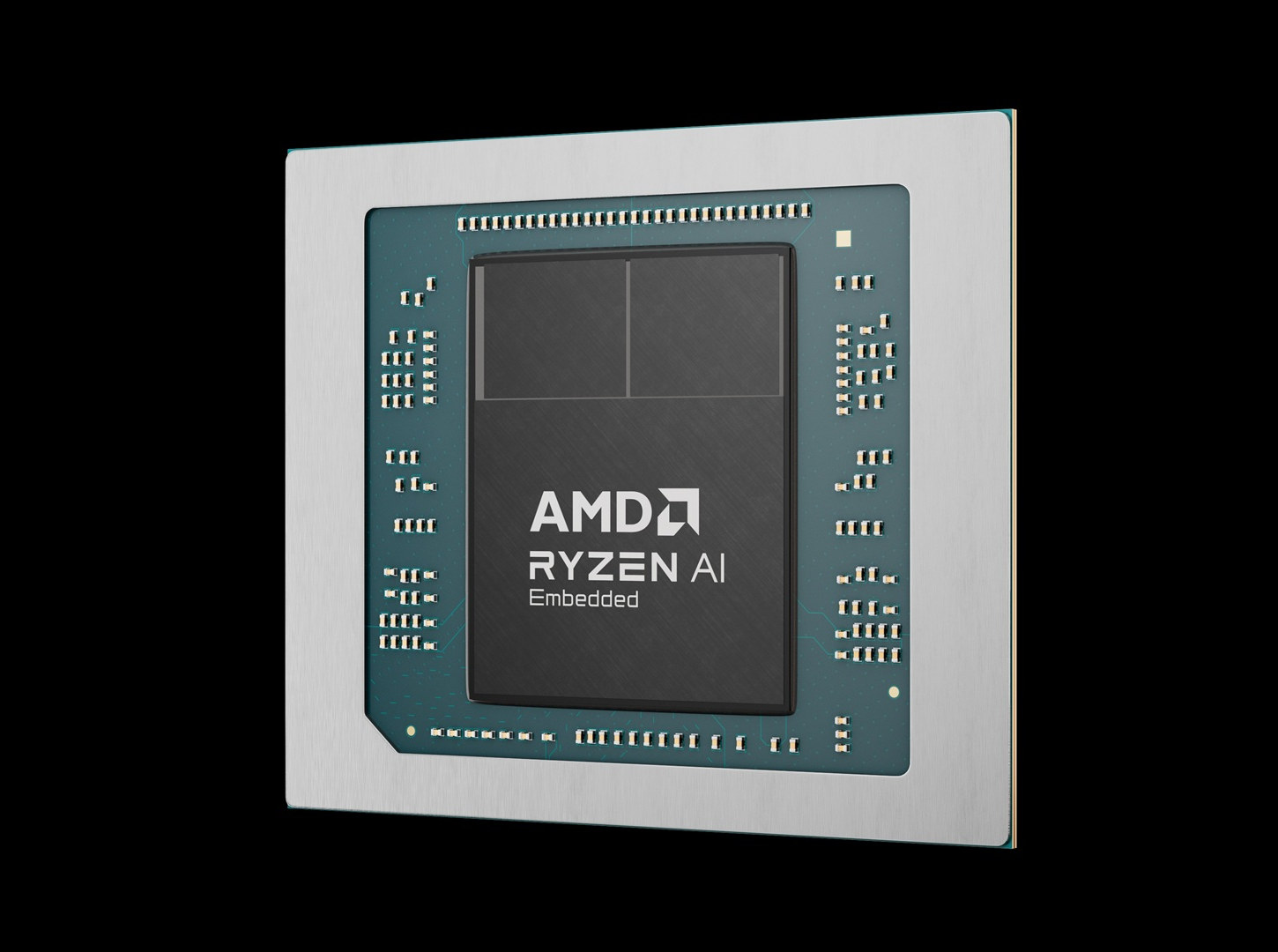
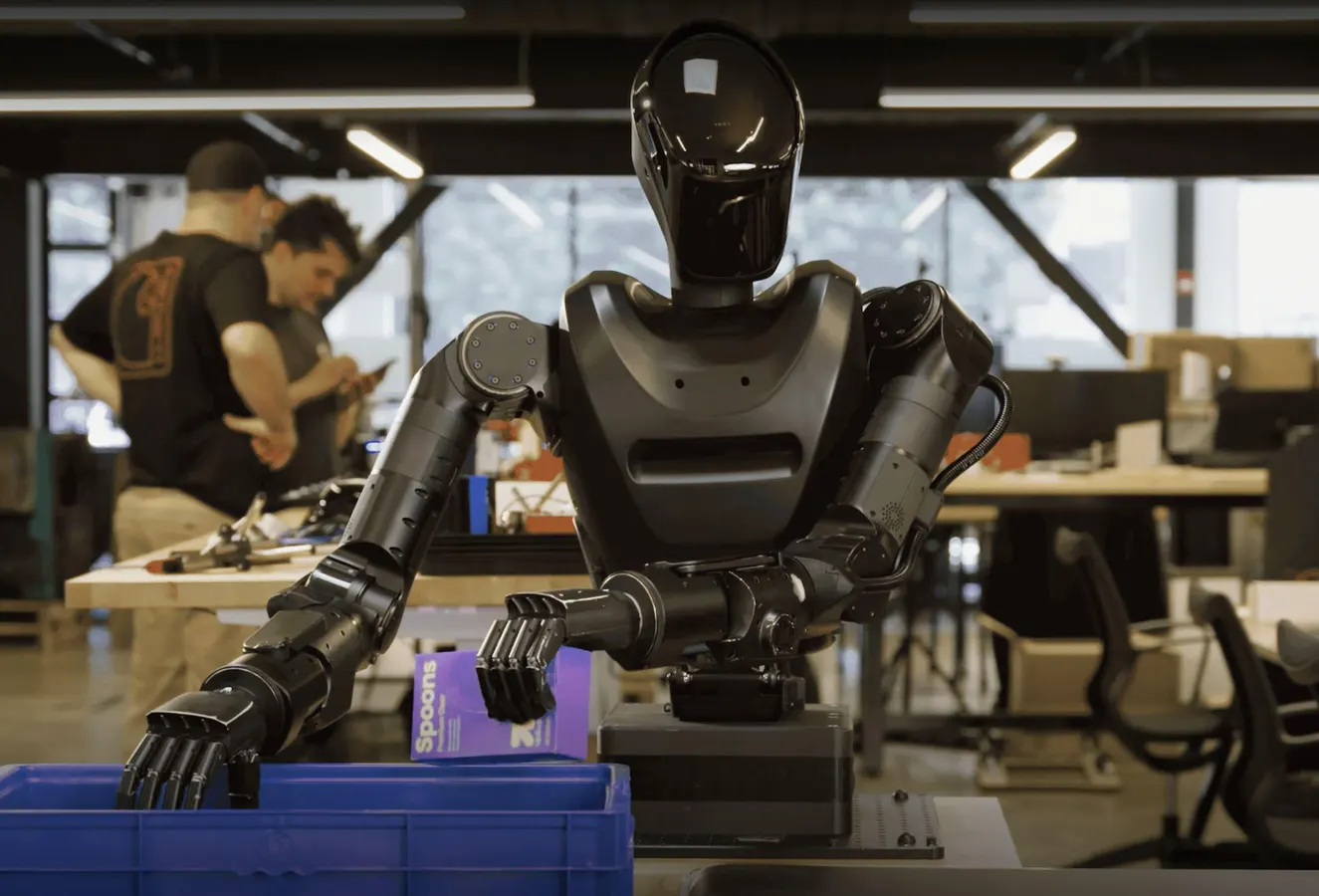
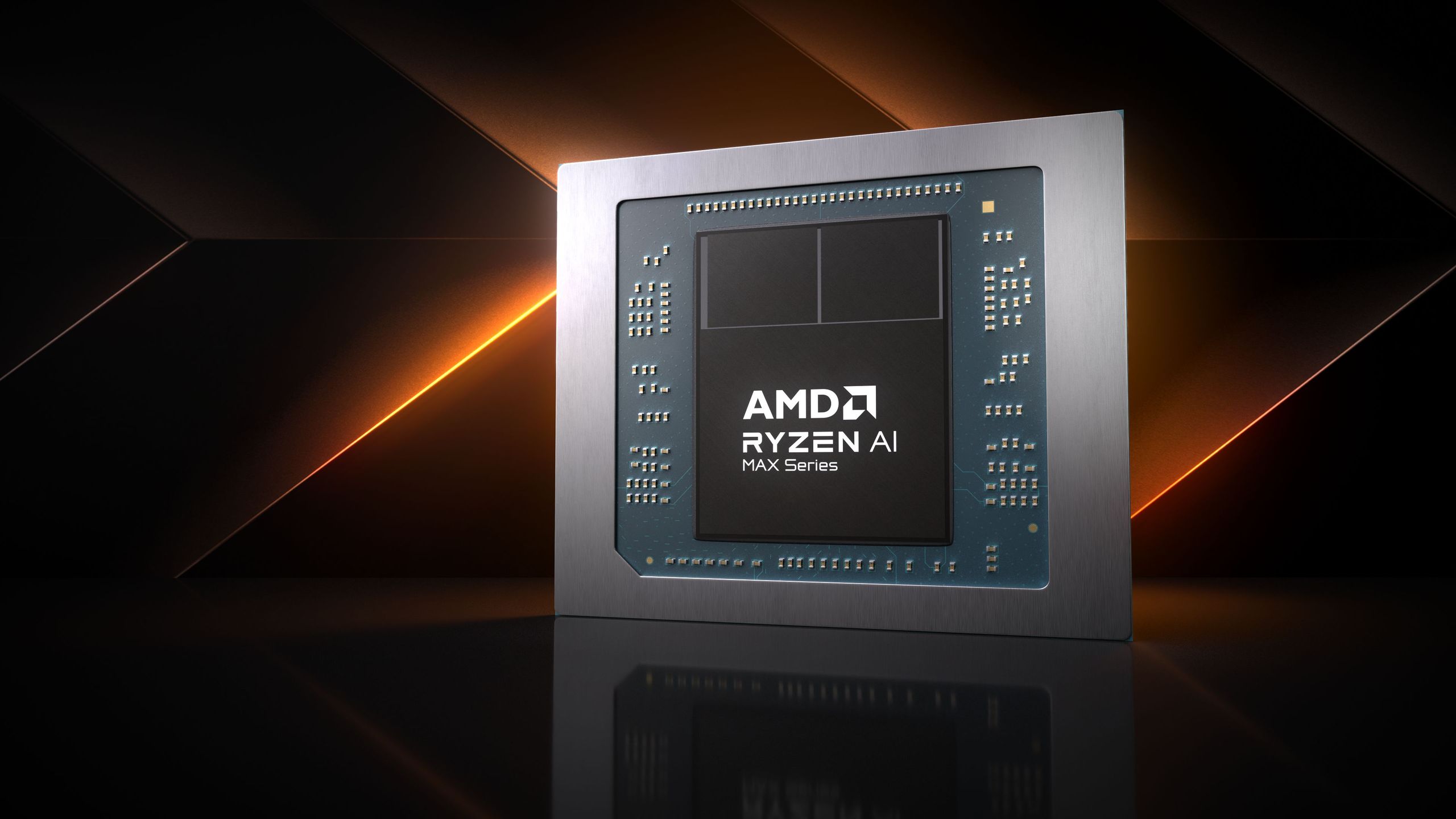
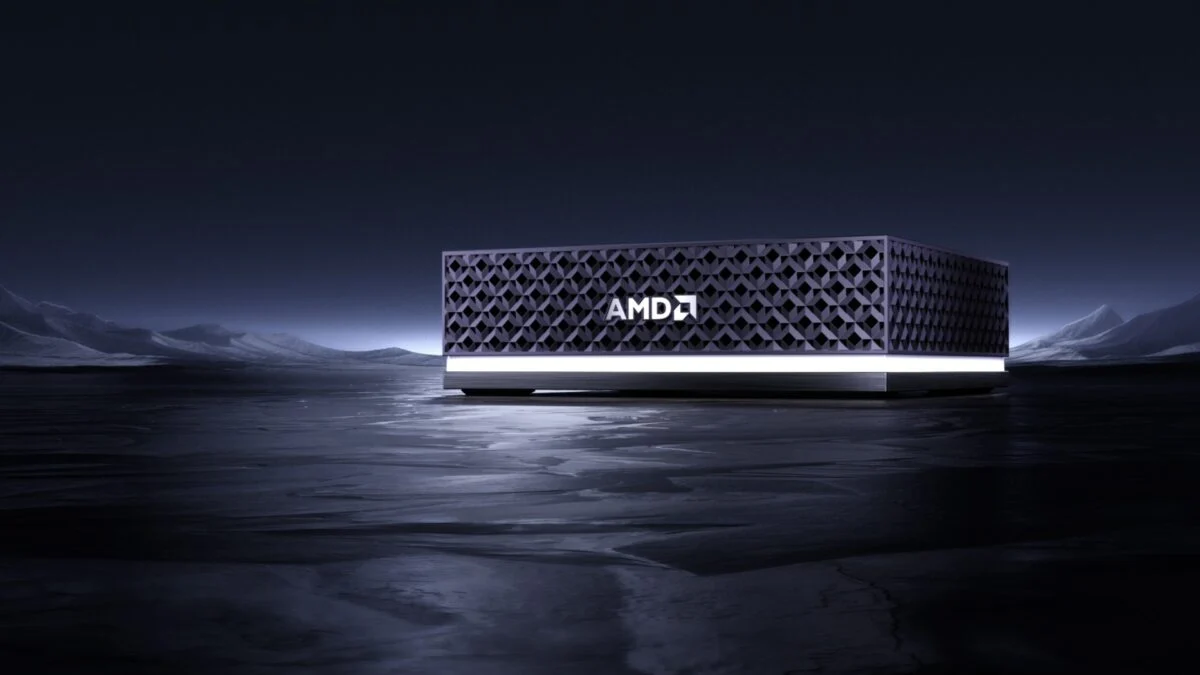
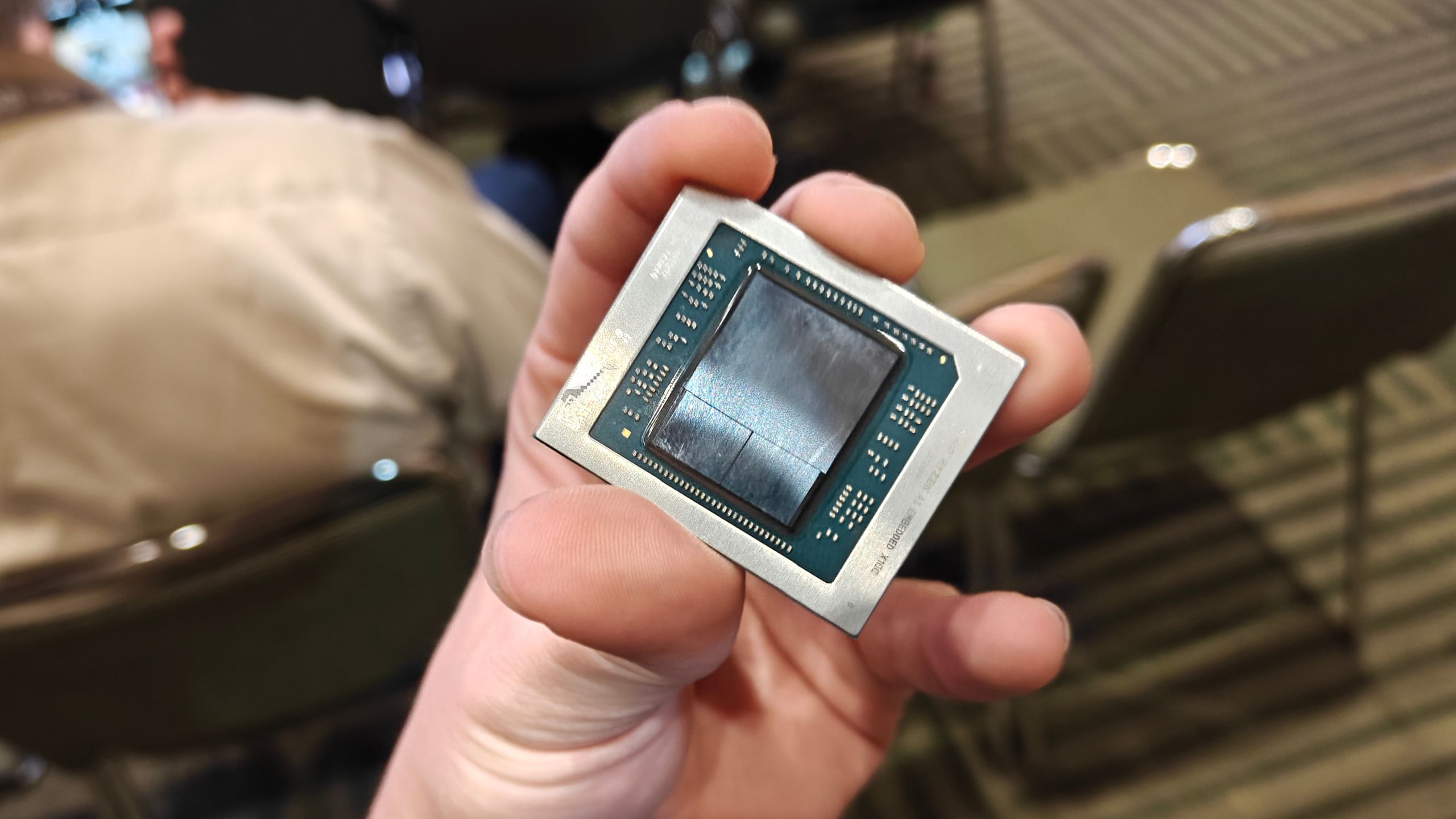
AMD is bringing its Strix Halo APUs into the world of physical AI. The new X100 series of processors come with similar specs as the various Ryzen AI Max models floating around in client devices, but they’re tailored for 24/7 operation, with a 10-year lifecycle in embedded applications like robotics.There are three SKUs that align with the three original Strix Halo models (not the updated versions with 40 CUs). The top-end X199 comes with 16 Zen 5 cores and 40 RDNA 3.5 CUs. The X188 steps down to 12 cores and 32 CUs, while the X168 comes with eight cores and the same 32 CUs. AMD hasn’t shared detailed specifications for each model, but the company says the range goes up to a 5.1 GHz boost clock and 128 GB of unified memory. They also include an XDNA 2 NPU with up to 50 TOPS, a configurable TDP between 45W and 120W, and operating temperature between -40 degrees Celsius up to 105 degrees.
Image 1 of 3
(Image credit: AMD)
AMD’s range bites back at Intel, which launched a range of Panther Lake SoCs for physical AI at the beginning of the year. Both make an argument for SoCs in robotics, reducing latency when the CPU, AI accelerator, and memory are fragmented across separate chips. The X100 range is just physically larger than Panther Lake, packing much more silicon on the SoC for more powerful deployments.