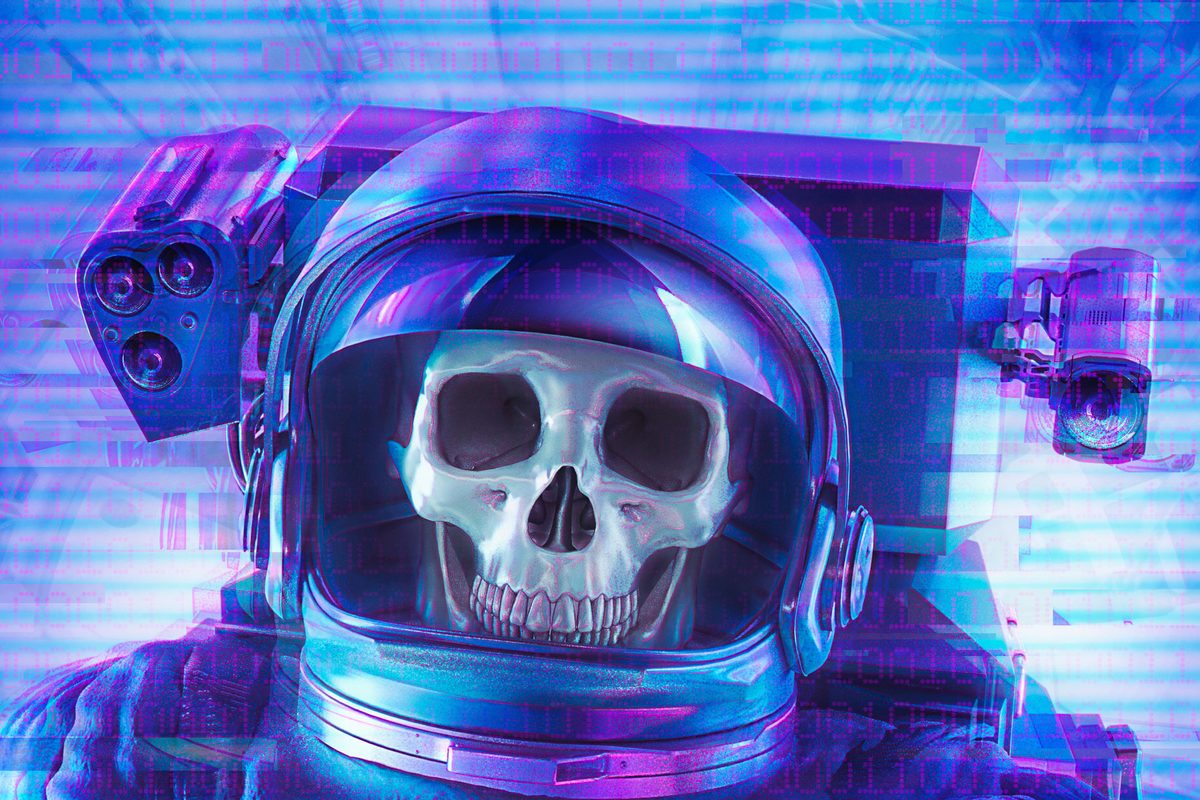
A confined space, a limited number of suspects, a lack of contact with the outside world. These are the makings of a juicy murder mystery.
They’re also eerily similar to conditions aboard the International Space Station (ISS), where astronauts – highly trained personnel selected for their resourcefulness, endurance and almost impossibly cool composure – spend months on end trapped together.
Though we like to think of Earth’s best and brightest scientists as incorruptible, who hasn’t considered murdering a co-worker from time to time? And extended stays in high-stress environments are enough to make anyone snap.
As cosmonaut Valery Ryumin chillingly wrote in his personal diary during a stint in space in 1980: “All the necessary conditions to perpetrate a murder are met by locking two men in a cabin of 5 x 6m [18 x 20ft] for two months.”
In the worst-case scenario where something gruesome does happen in space, we’ll want to know who did it. But we’re starting off with a disadvantage: the forensic methods we’ve developed on Earth won’t necessarily cut it in the face of low-gravity, off-planet environments.