The ability to pay after covering housing, utilities and other essential expenses is more important than grocery prices alone.
Texas has some of the nation's least expensive groceries. Mississippi does too. Yet millions of families in both states struggle to put food on the table. The paradox is simple: even where grocery prices are relatively low, grocery affordability can remain out of reach.
Consumers don’t buy groceries with inflation statistics. They buy them with whatever money remains after paying the mortgage or rent, utility bills, insurance, transportation and other essential expenses. As grocery prices remain elevated and food inflation continues to pressure household budgets, that’s why millions of Americans continue to feel financially squeezed even as inflation has moderated. Perhaps we’ve been measuring the right number, but focusing on the wrong problem. The real question is no longer simply what groceries cost. It's whether families can still afford them as the broader cost of living continues to rise.
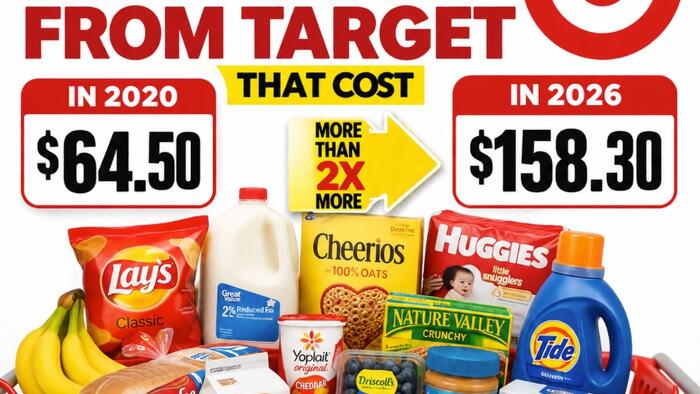
For years, economists, policymakers and the media have relied on inflation as the primary measure of consumers’ financial well-being. Inflation is important because it tells us whether prices are rising or falling. Consumers feel this every time they shop. As I wrote earlier this year, geopolitical events such as the Middle East conflict can quickly push grocery prices even higher. A typical grocery basket today costs more than 50% more than it did in 2020.