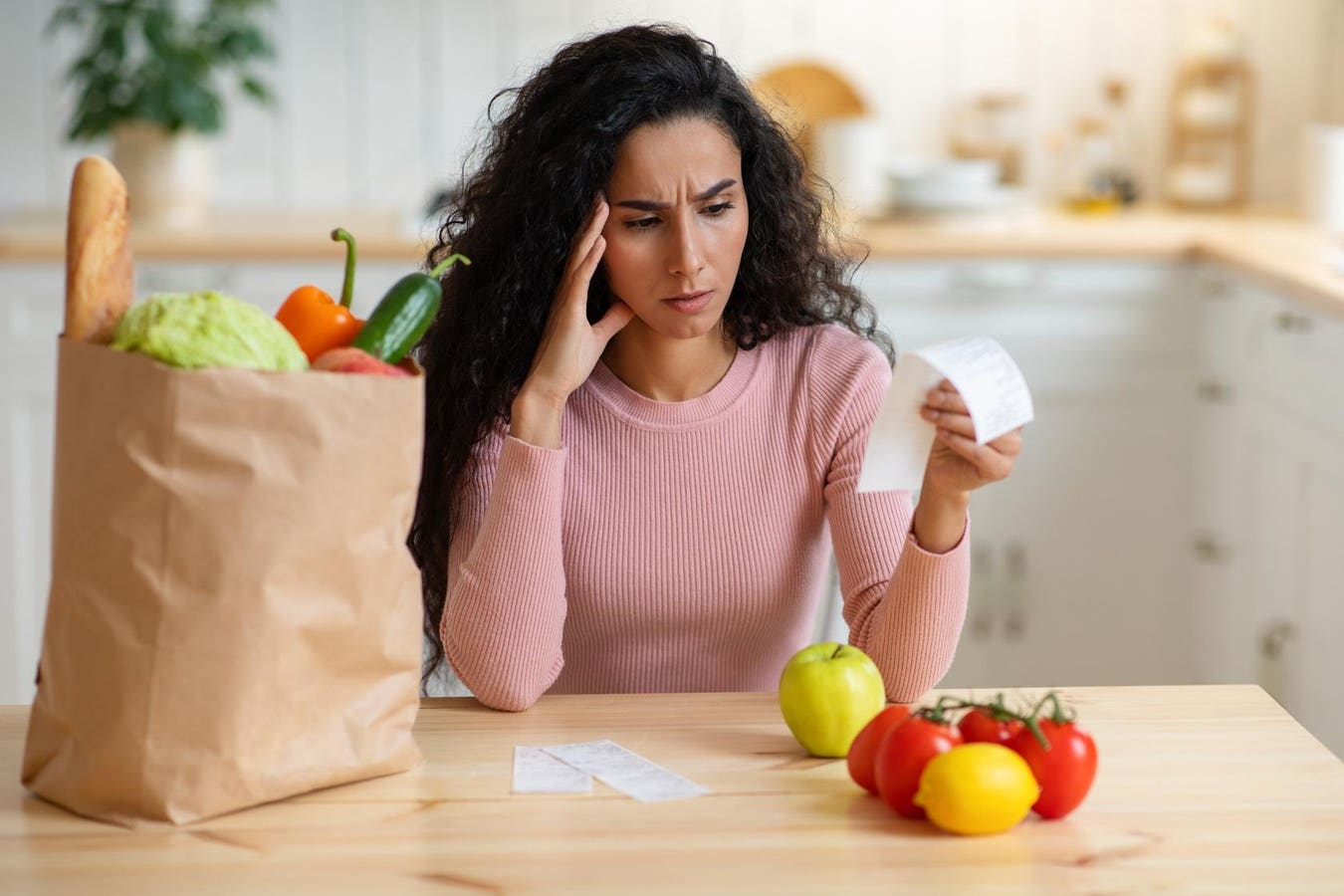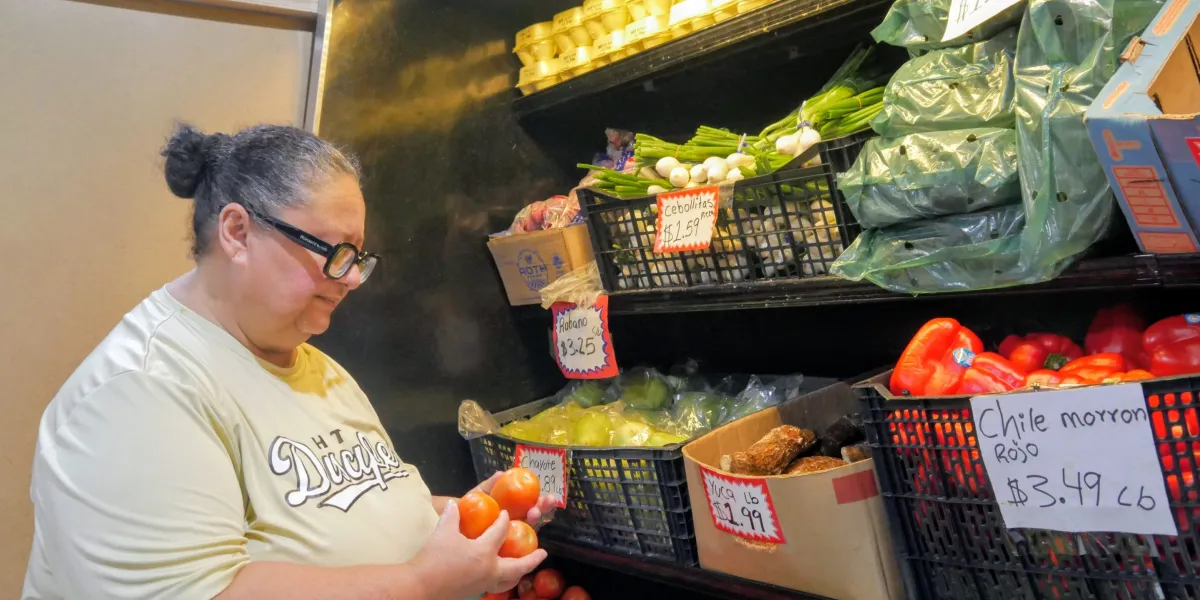
What’s for dinner? Lately, at Apral Jack’s house, it’s whatever is on sale.
Jack, 50, scouts an app for deals at her local supermarket before she buys groceries. When she reaches the store, she looks in the weekly circular for coupons she might have missed. If shelf prices look too high, she tries to find lower prices someplace else.
“The apples went up here, the ones I eat, so now I’m not going to get them here,” Jack said as she pushed a cart into a Stop & Shop near her home in Lexington, Massachusetts.
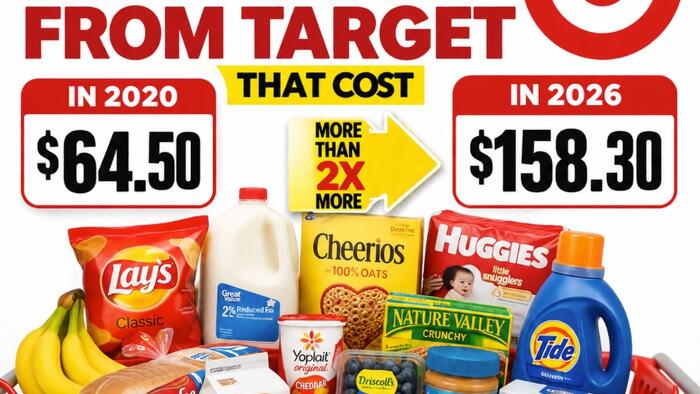
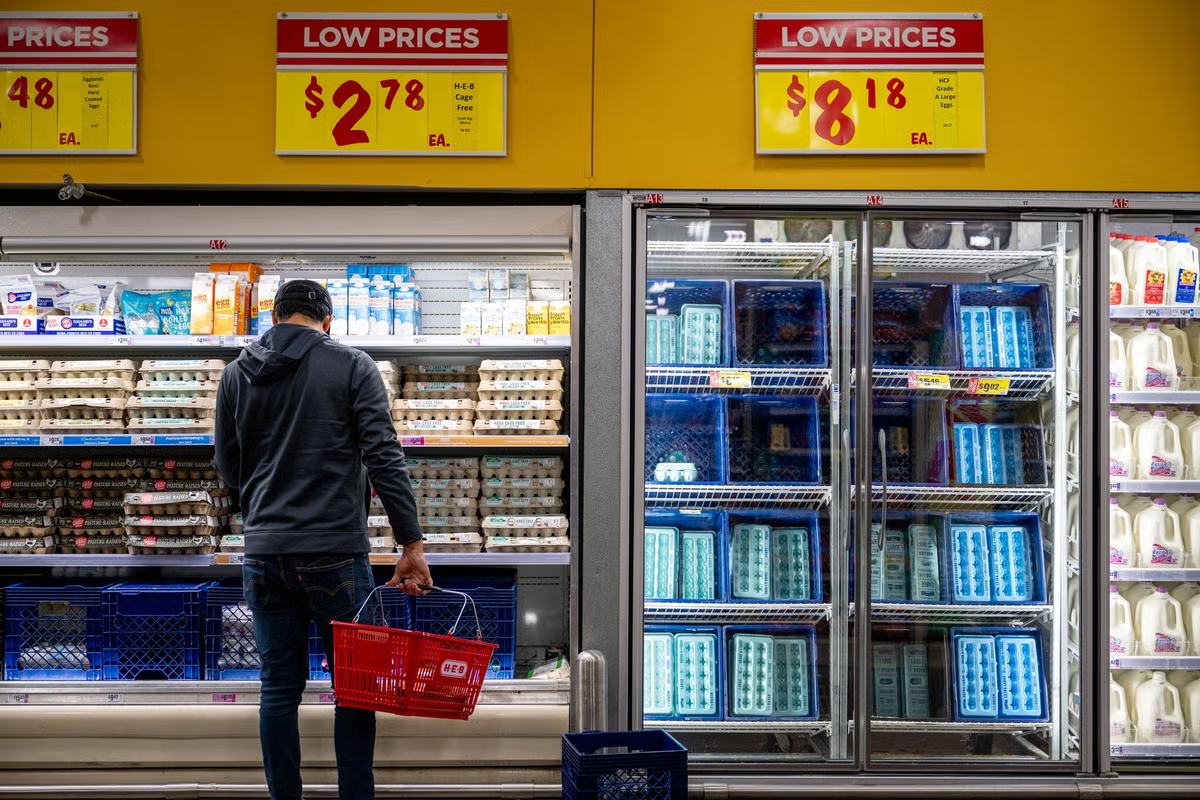
Couponing, comparison shopping and cutting back on favorite foods are new habits for her and millions of other Americans as they absorb the biggest jump in grocery prices in a half-century. Buying food to eat at home has gotten 33% more expensive since the beginning of 2019, according to government figures.
With a conflict in the Middle East creating more price pressures, the cost of filling refrigerators, freezers and pantries has made affordability a central issue in the fall midterm elections.