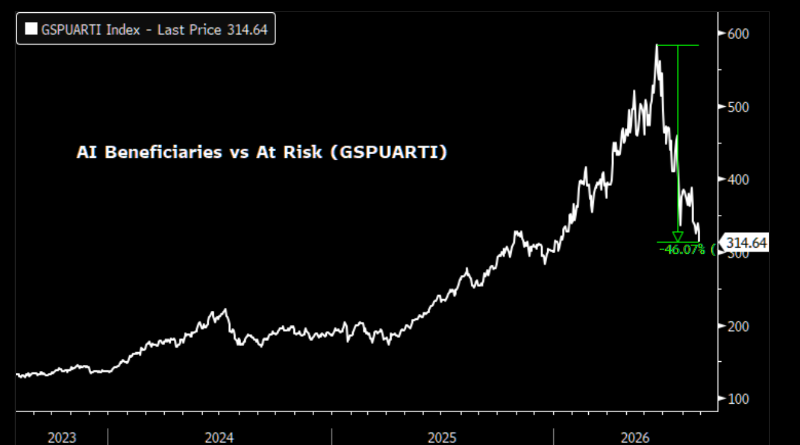
I don’t know about you, but every time I scroll through my news feed, I can't help but trip over yet another article about how AI companies are racking up an impressive pile of debt. It’s dizzying, right? I’ve been exploring this topic for a while now, and it's become clear there's a lot more than what meets the eye. Ever wondered why some of the most hyped startups are keeping their financial struggles on the down-low? Let’s dive into this murky water together.
The Illusion of Easy Money
When I first got into the tech scene, I had this notion that if you built something that was even remotely AI-related, funding would come pouring in. Just look at the wave of money flowing into startups like a river after a storm. But here’s the kicker—many of these companies are drowning in debt despite the glittering headlines. I remember a few years ago when I was knee-deep in a project using AI to automate customer support. As our MVP took shape, I saw first-hand how easy it was to get caught up in the excitement of funding but also how quickly that can turn into a financial weight.
The Debt Playbook
So, what’s the game plan for these companies? In my experience, it often looks like this: they take on debt to scale quickly, aiming to capture market share before the competition can catch up. It’s like sprinting in a marathon—sure, it feels great at first, but eventually, you’re gasping for breath. I remember discussing this with a friend who founded a startup, and he said, “If I don’t take risks, I’ll never grow.” But what happens when those risks backfire?